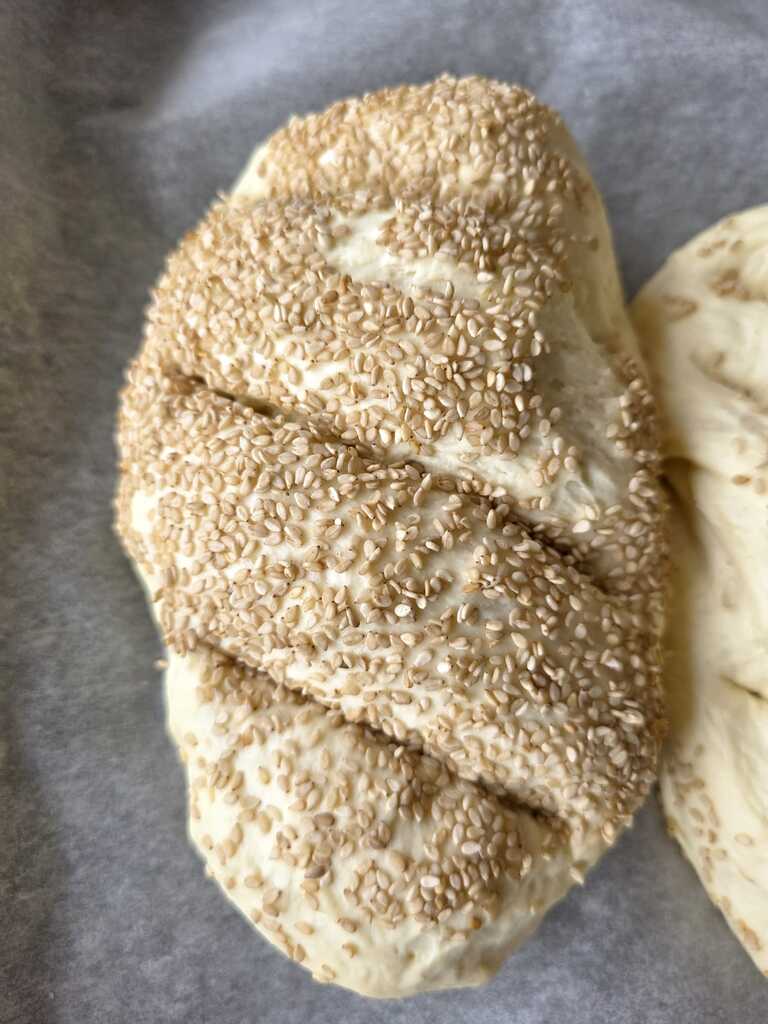
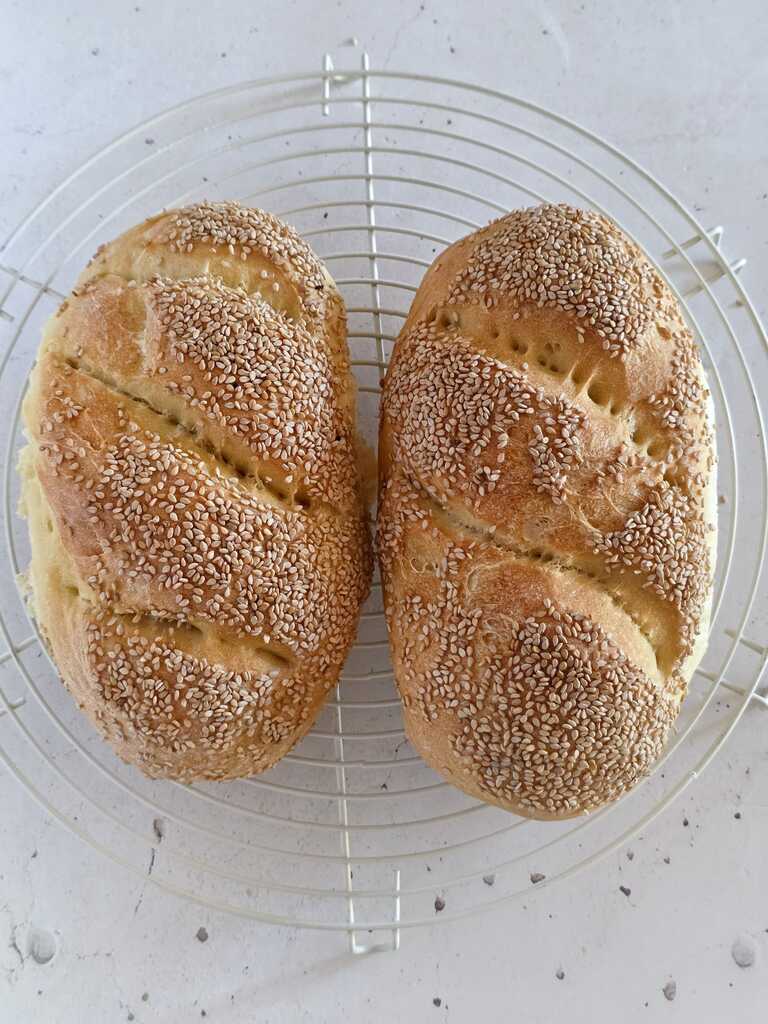
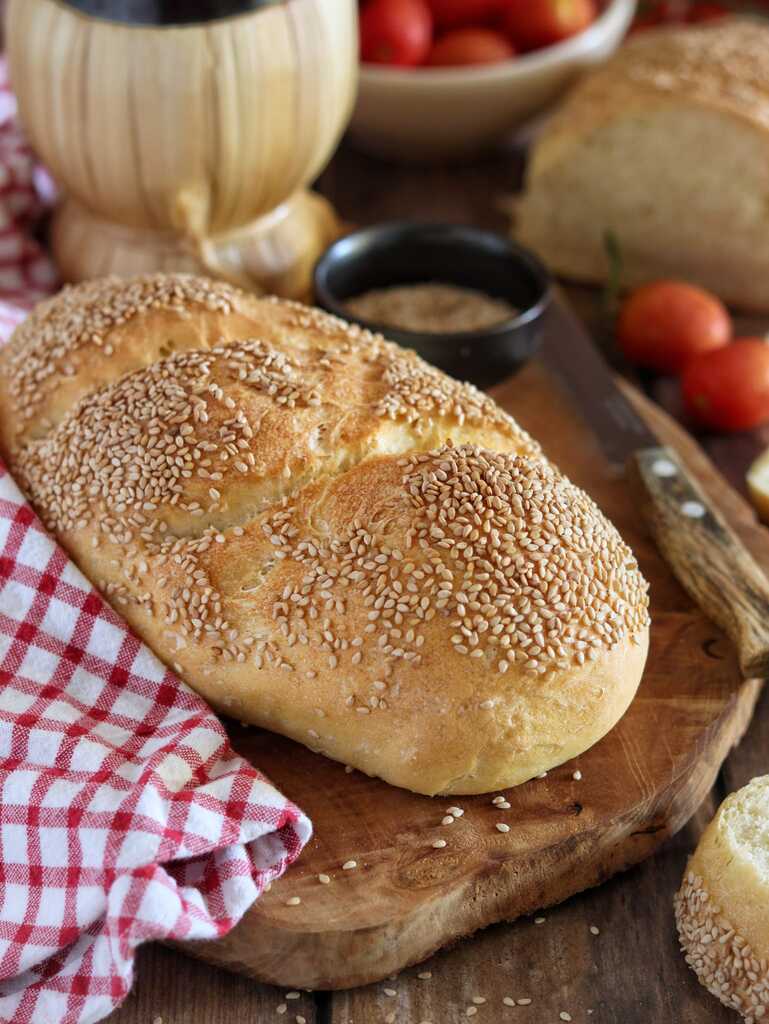
This Sicilian bread is made entirely with semolina and has the characteristic of having a crust studded with sesame seeds.
It is the classic bread used to prepare the famous “pane cunzatu” that I love and that reminds me of a beautiful vacation in Sicily.
Here in Rome, it’s a bit difficult to find this type of bread, so I decided to make it at home, and the result was more than satisfactory, with loaves featuring a crunchy crust enriched by the presence of sesame seeds and a soft, fragrant crumb.
Few and simple ingredients for a bread that will conquer you at the first bite.
Now take a minute to read the recipe and then…let’s cook and eat!!
See also
- Difficulty: Medium
- Cost: Cheap
- Preparation time: 30 Minutes
- Portions: 3
- Cooking methods: Oven
- Cuisine: Italian
- Seasonality: All Seasons
Ingredients
- 21.2 oz semolina
- 1.75 cups water
- 1 tsp instant yeast (or 9 g of fresh yeast)
- 2 tsp salt
- to taste sesame seeds
Tools
- 1 Stand Mixer
- 1 Pastry Board
- 1 Plastic Wrap
- 1 Bread Lame
Steps
To prepare this type of bread, I decided to perform an autolysis, a process that promotes gluten formation, making the dough more extensible, and provides yeasts with simple sugars for better leavening. Moreover, I kneaded by hand, but you can easily knead by hand in a bowl using a Danish whisk or a simple fork.
First, proceed with the autolysis: in the bowl of the stand mixer (or a simple bowl if kneading by hand), collect 1.5 cups of room temperature water and add all the flour.
Knead with a leaf hook until the flour has absorbed all the water.
Let the rough dough rest for at least 40 minutes.
After the autolysis rest time, add the yeast and resume kneading with the spiral hook, adding the remaining water gradually, letting it absorb slowly.
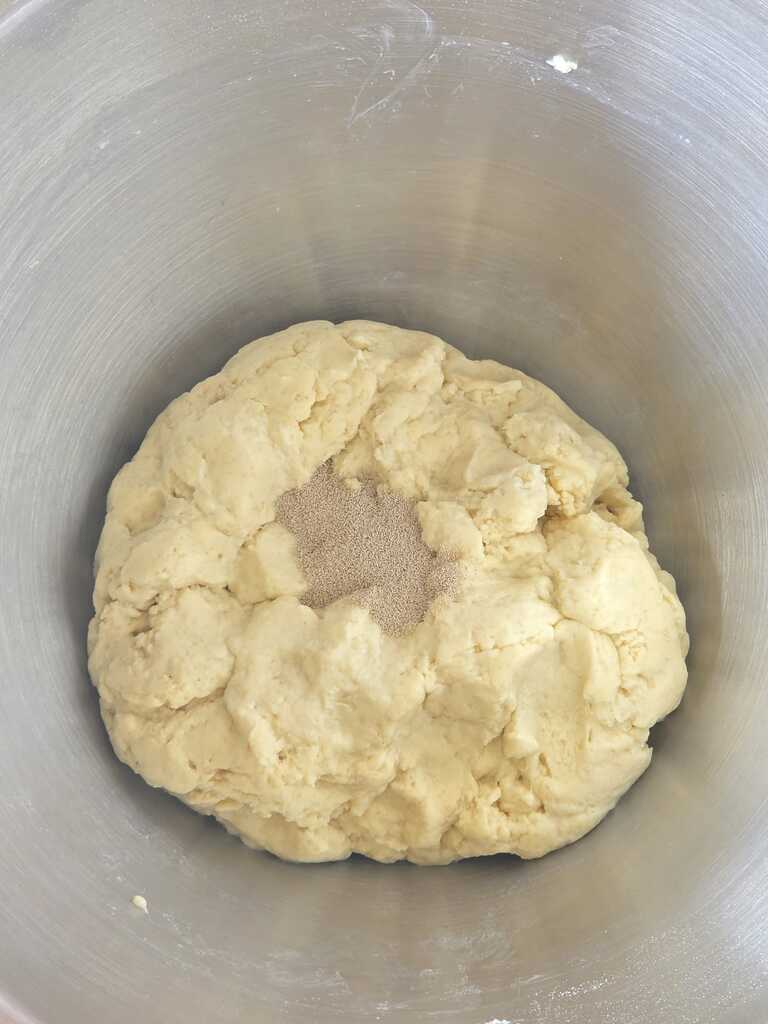
Shortly before adding the very last part of the water, add the salt and continue kneading until you finish the water.
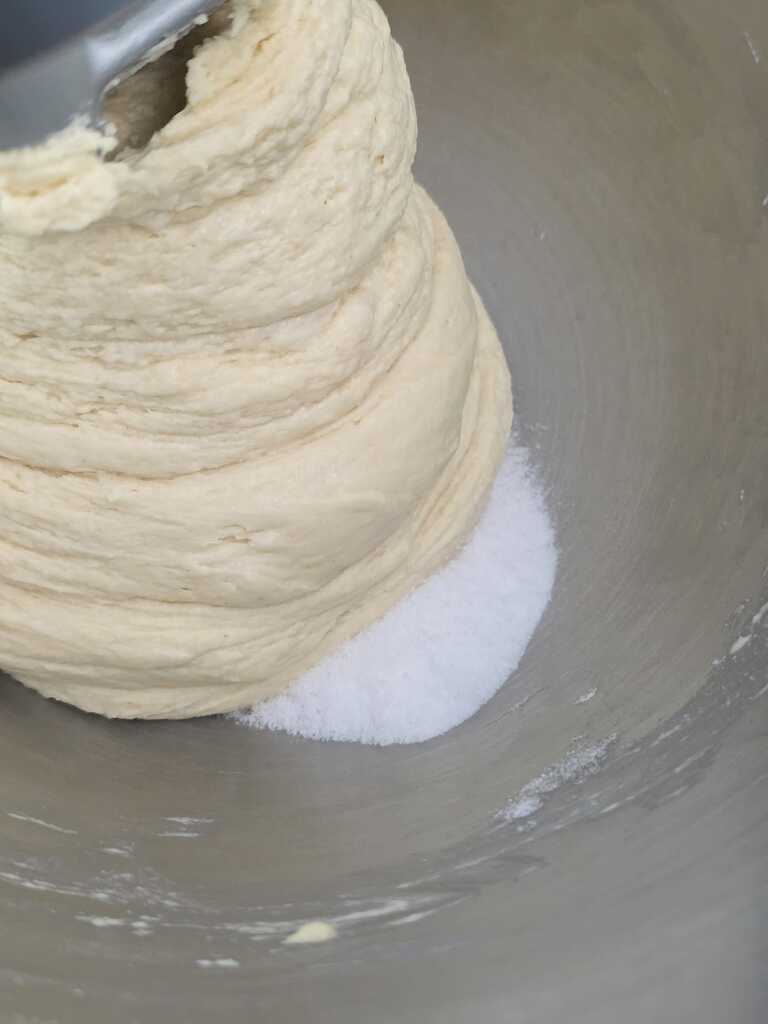
You should end up with a smooth, homogeneous, and perfectly connected dough.
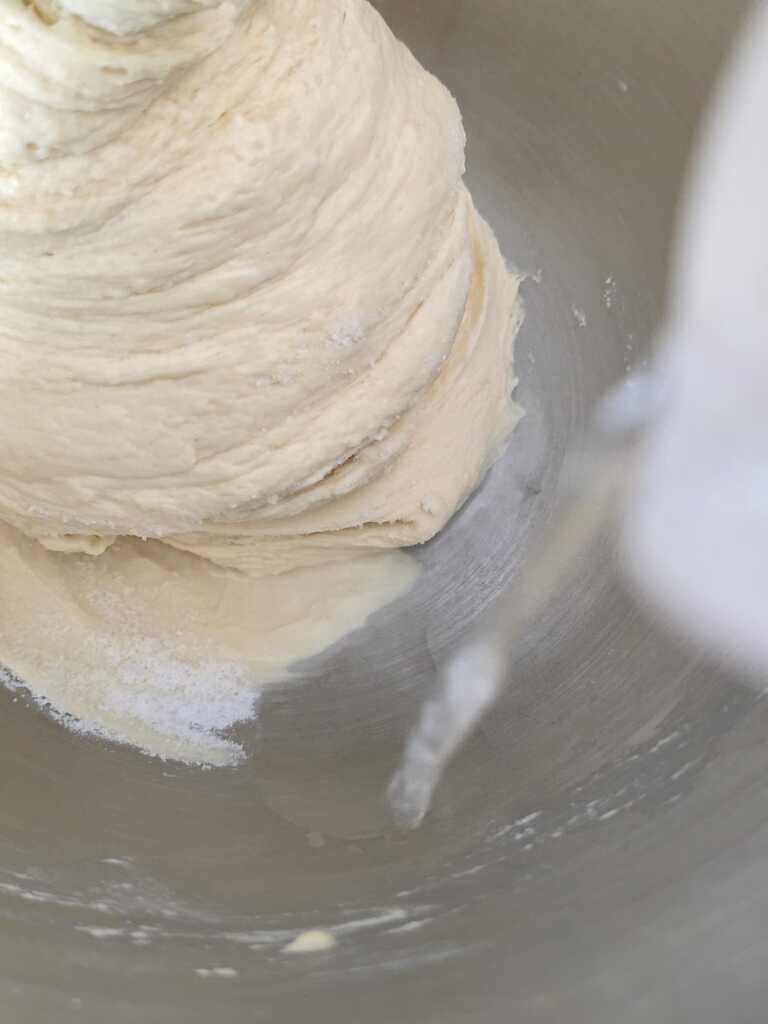
Let the dough rest for 15-20 minutes.
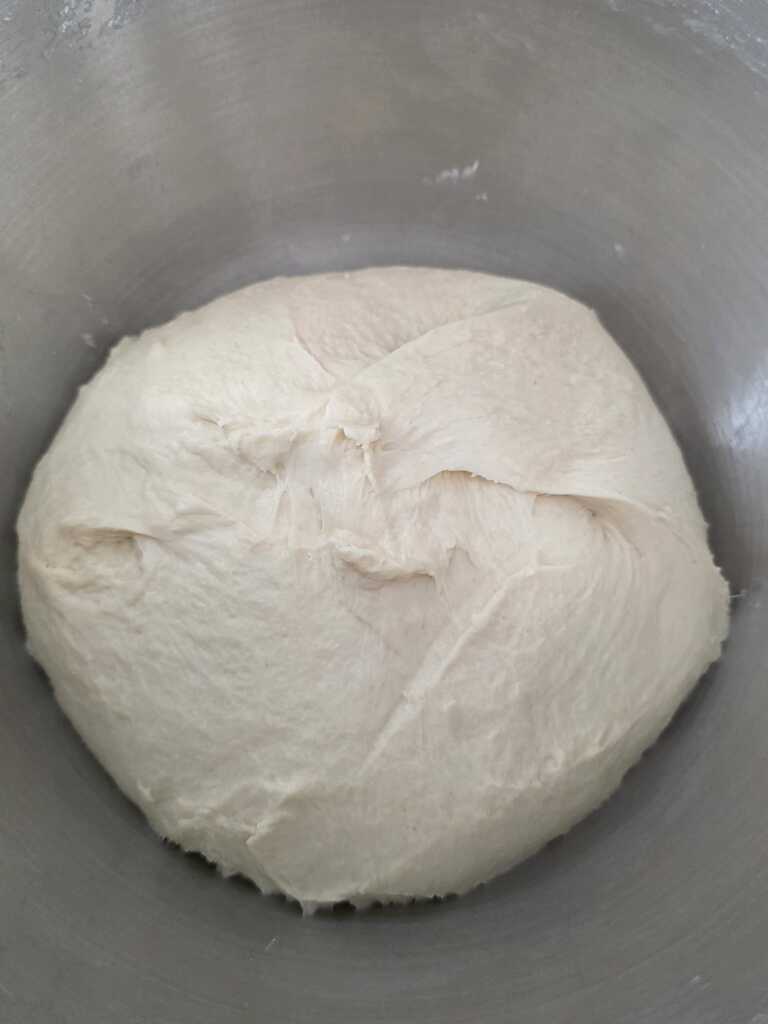
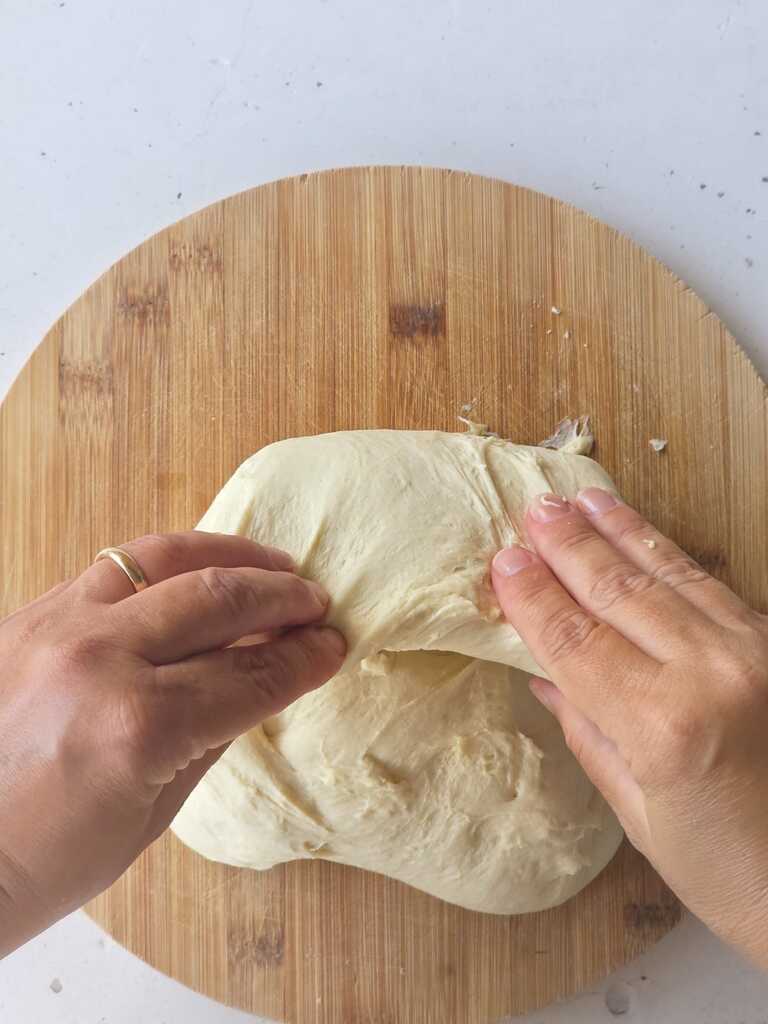
Then take the dough, transfer it to a pastry board, and give it a round of folds, bringing the outer edges towards the center of the dough. This operation adds further elasticity to the dough.
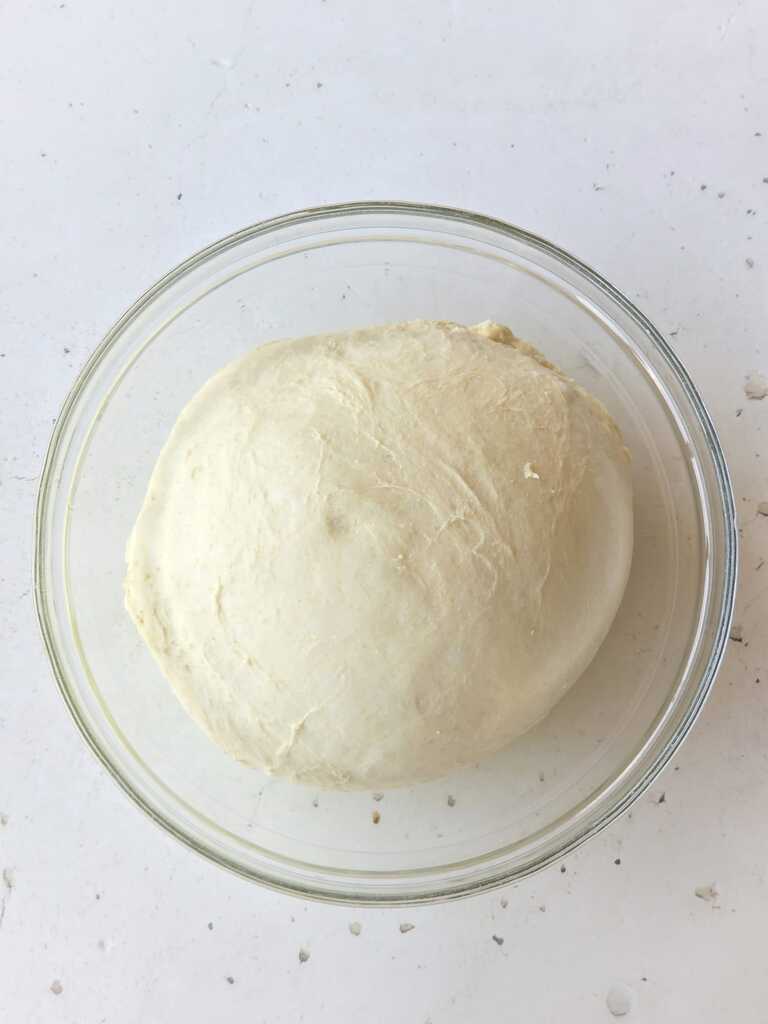
Place the dough in an oiled bowl and let it rise, covered, in a warm, draft-free place until doubled.
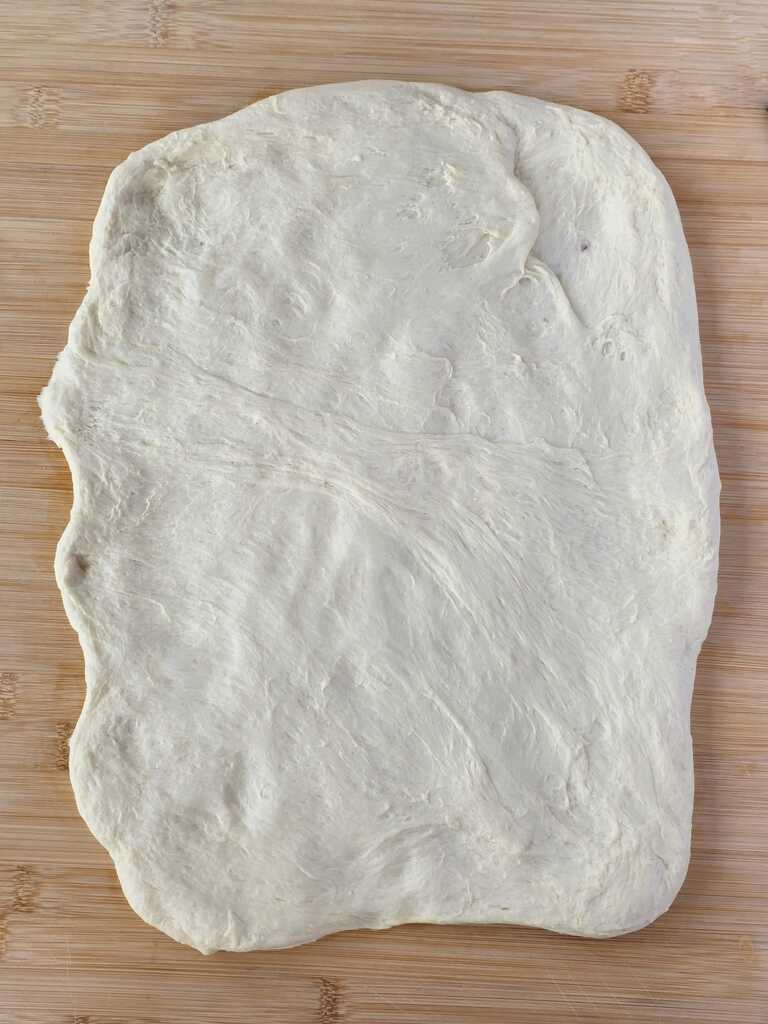
Transfer the dough to a pastry board, deflate it, and shape it into a rectangle about 0.5 inch thick. Cut it into three pieces and roll them starting from the short side.
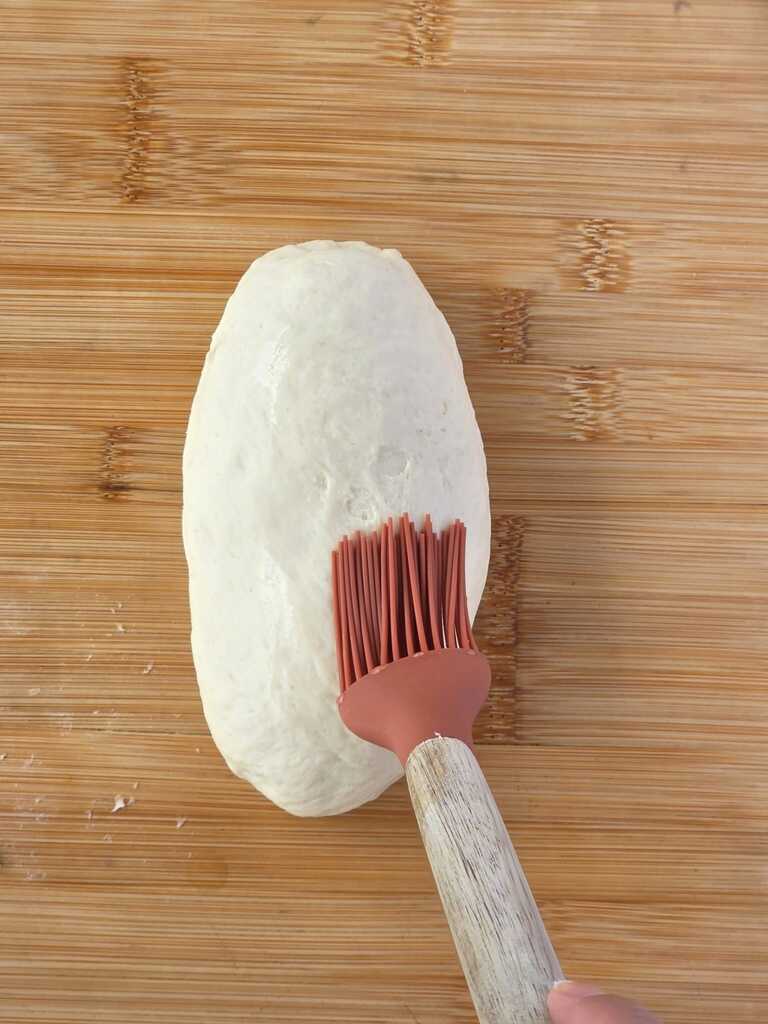
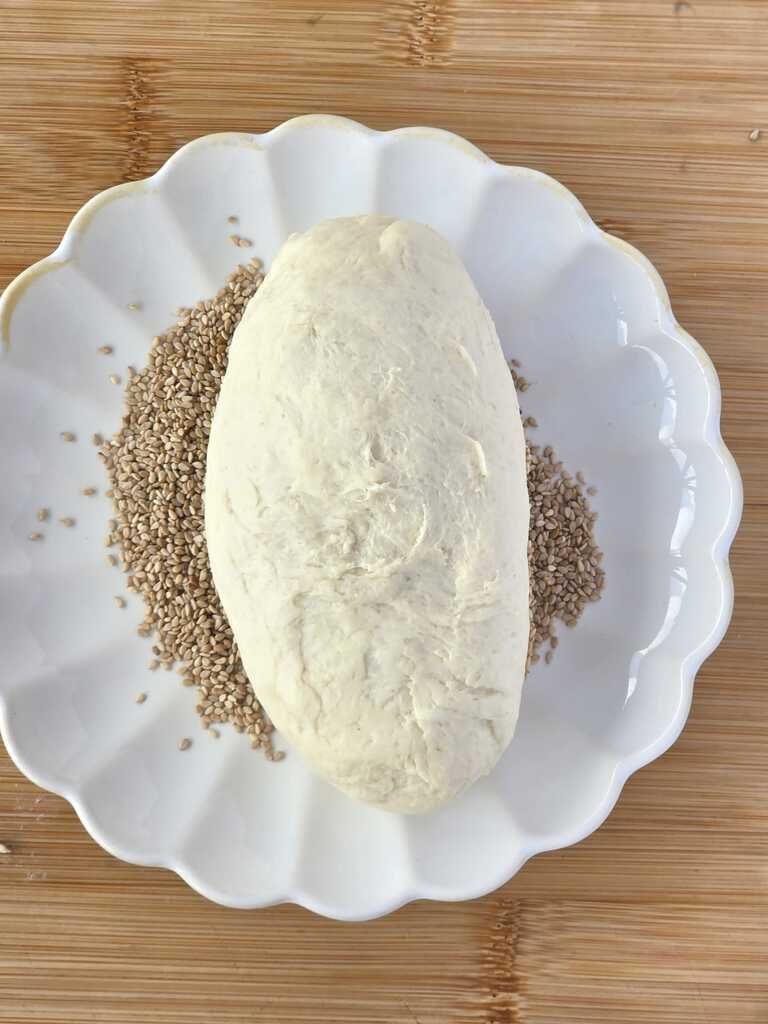
Give each piece the shape of a loaf, brush them with water, and roll them in sesame seeds.
Transfer the loaves to a baking tray lined with parchment paper and let them rise until doubled.
Once doubled, using a bread lame, make three cuts on the surface of each loaf.
Then move on to cooking, in a preheated static oven at 392°F, the first 20 minutes with a pot of water in the oven to create steam, then remove the pot and continue baking until the loaves are golden brown (in my case, it took about 10 minutes at the same temperature).
Once out of the oven, let your Sicilian bread cool slightly on a wire rack before slicing or filling it according to your taste 😉.