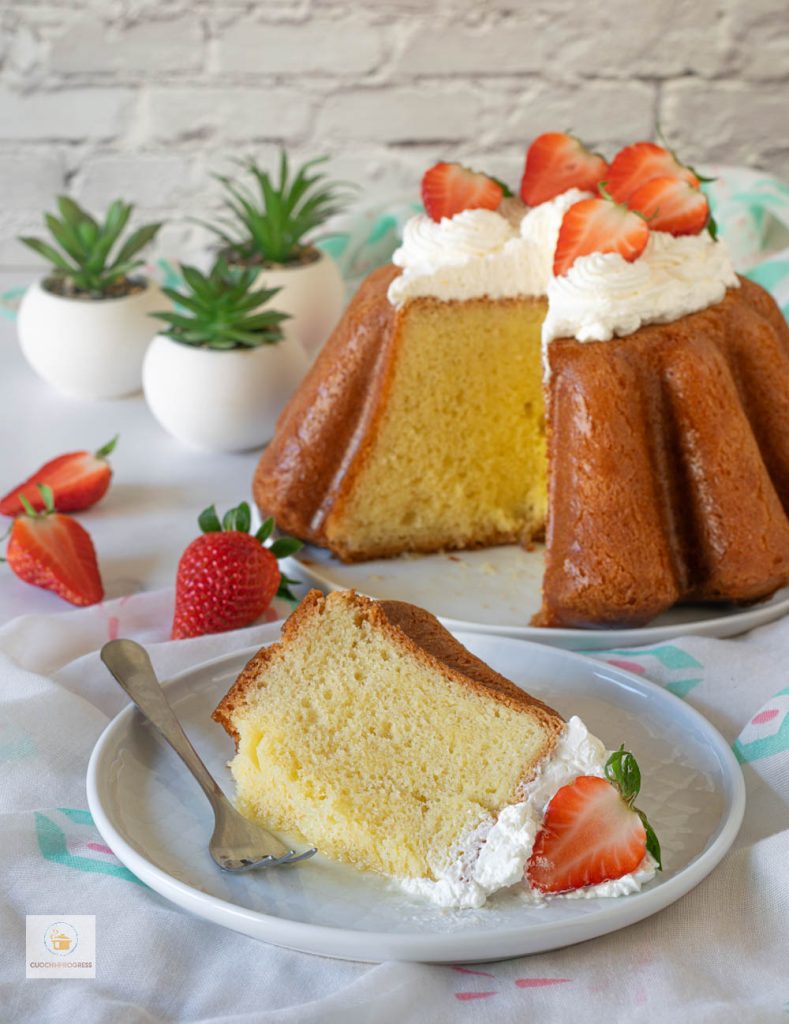
The BABA is a fantastic cake from the Neapolitan tradition famous all over the world, soft and delicate, perfect to finish a festive lunch. A cake so loved by the people of Naples that it became part of their history.
Curiously, however, the origins of the baba are not under Vesuvius but on the other side of Europe, in Poland, where King Stanislaus in the 18th century loved sweets but had no teeth and had a very soft cake prepared and soaked in an alcoholic syrup. The dessert reached Paris when his daughter married and became Queen of France and from there, through French cooks, to the Bourbon court of Naples. In short, quite a story, as curious as its flavor.
The cake is a perfect balance of softness and flavor, thanks in particular to the syrup. I prefer the rum one, but there are fragrant variations with limoncello.
One last curiosity: they say the name derives from Ali Baba, a character from “One Thousand and One Nights” loved by the king. Maybe it’s a legend, but I assure you that eating it will make you think you’re in an enchanted fairy tale.
You might also like:
- Difficulty: Medium
- Cost: Economical
- Rest time: 2 Hours
- Preparation time: 25 Minutes
- Cooking time: 40 Minutes
- Portions: 8-10 people
- Cooking methods: Oven
- Cuisine: Italian
- Seasonality: All seasons
Ingredients
- 2 1/2 cups Manitoba flour
- 4 eggs (medium, cold from the fridge)
- packets (about 20 g) active dry yeast
- 2 tbsp sugar
- 1 tbsp wildflower honey
- 1 tsp salt
- 7 tbsp butter (soft at room temperature)
- 2 cups water
- 1 1/4 cups sugar
- 1/2 cup rum (about 125 ml)
- orange peel
- lemon peel
- 3/4 cup heavy cream (liquid)
- 2 2/3 tbsp powdered sugar
- fruit (to taste)
You’ll need for the baba
- 1 Stand mixer
- 1 Saucepan
- 1 Plastic wrap
- 1 Ladle
- 1 Mold for baba mold 9 1/2 in
Preparing the baba
With this recipe making the BABA is within everyone’s reach. However, you must follow every single step exactly.
First of all, take the butter out of the fridge at least 1 hour before you start mixing; you’ll need it soft.
In the bowl of a stand mixer fitted with the paddle (or dough) hook, place the eggs (make sure they are well chilled), the honey, the sugar, the salt and the dry yeast. Start mixing all the ingredients together. Add the flour little by little and work the dough for at least 10 minutes at medium speed.
It will be ready when it begins to form a kind of web.
Add the soft butter a little at a time, adding the next piece only when the previous one has been completely absorbed.
Once all the butter has been added, work the dough for another 10 minutes. The final result should be an elastic, smooth and soft dough.
Grease a 9 1/2-inch mold, place the dough in it and, with your buttered hands, level the surface.
Cover with plastic wrap and let the dough rise in the switched-off oven with the light on for 1 1/2 to 2 hours. The dough should reach the rim of the mold.
When the rising is finished, bake the baba in a preheated, conventional oven at 428°F for 10 minutes, then cover the surface with a sheet of parchment paper (this will prevent it from darkening too much) and continue baking at 356°F for another 30 minutes. Then bake at 356°F for 25 minutes.
Once cooked, remove the baba from the oven and let it cool completely inside the mold. The best thing is to prepare it the day before.Place the water, the sugar and the citrus peels in a saucepan and heat until just about to boil. Remove the peels and let it cool slightly. Add the rum and mix.
Place the baba on a rack set over a large container and soak it with the warm syrup.To help the soaking, you can make small holes in the surface with a toothpick.
The classic baba must be well soaked, so perform this operation carefully and without rushing.
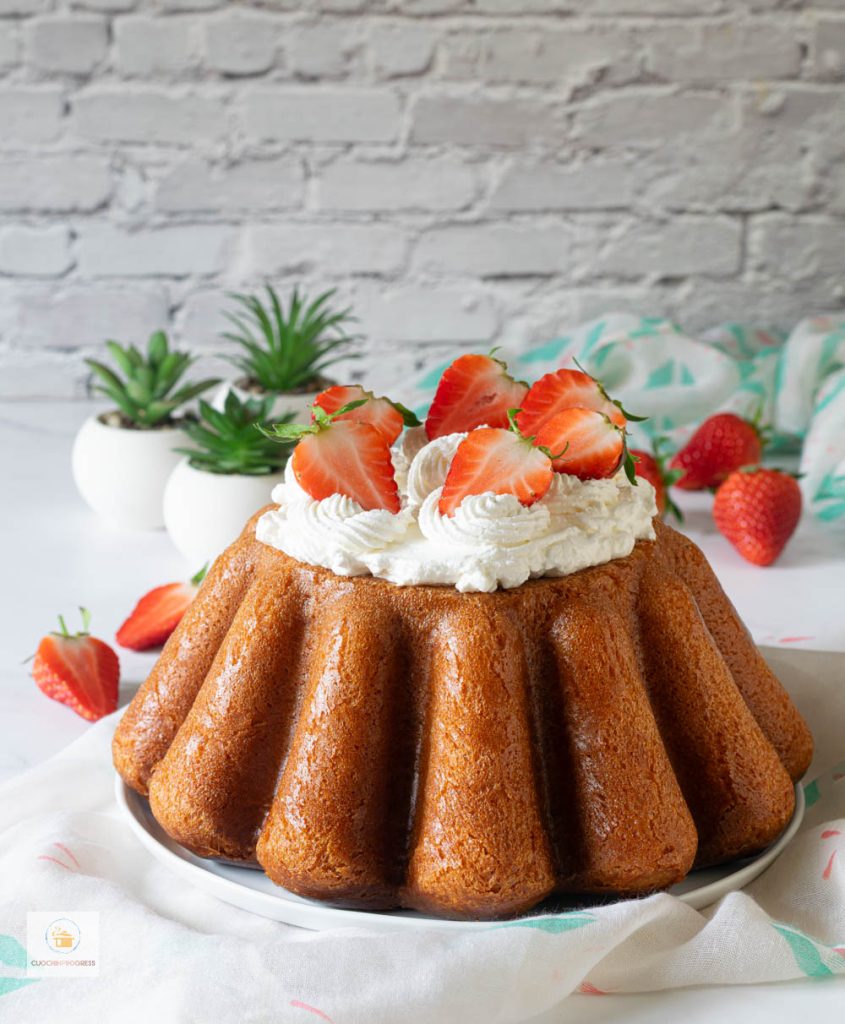
Once it has absorbed all the syrup, garnish with whipped cream and fruit as you like.
Serve in slices and moisten each with some more rum syrup.