
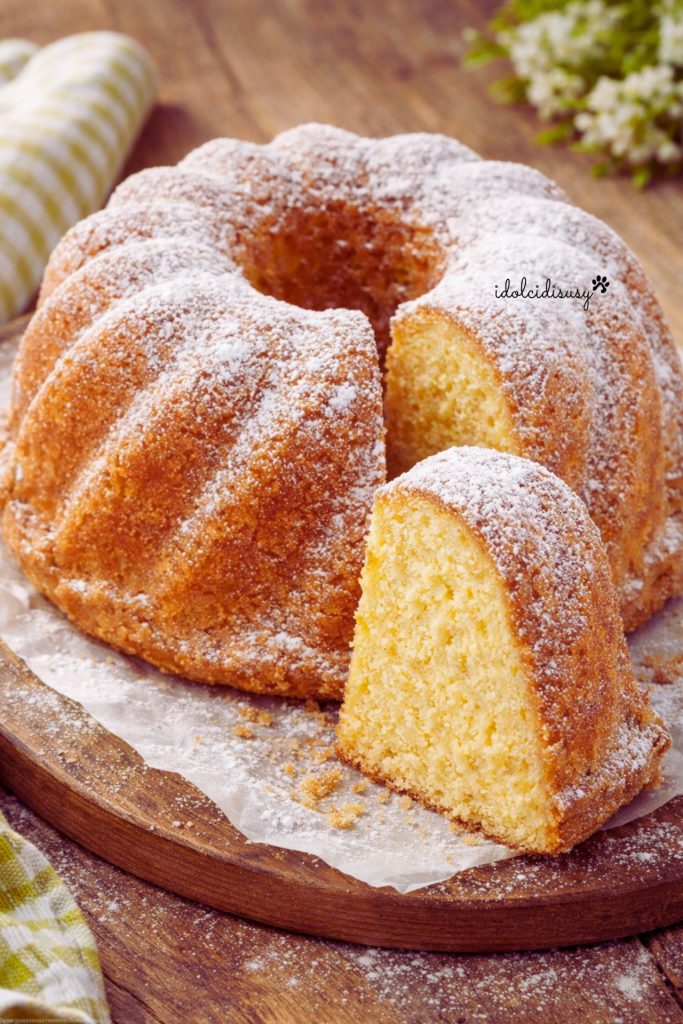
The sponge cake is a delicious cake of English origin, born at the court of Queen Victoria, so much so that it is also known as the Victoria Sponge Cake.
It has a texture that is both compact and soft at the same time, slightly spongy but well structured, perfect as a base for creating filled, decorated and even multi-tier cakes.
The sponge cake is an excellent alternative to the classic Pan di Spagna (classic sponge cake), from which it differs due to the presence of butter in the batter. This ingredient gives it a richer, more enveloping flavor while still maintaining a soft and pleasant texture.
Because of its structure, it is ideal to fill in many different ways: from the classic version with whipped cream and jam, to fresher, spring variations such as whipped cream and raspberries, perfect when you want a simple yet elegant dessert.
See you soon and enjoy your dessert, Susy!
Also try these recipes:
- Difficulty: Very easy
- Cost: Very inexpensive
- Rest time: 30 Minutes
- Preparation time: 20 Minutes
- Cooking methods: Electric oven
- Cuisine: Italian
- Energy 355.80 (Kcal)
- Carbohydrates 39.16 (g) of which sugars 23.88 (g)
- Proteins 5.19 (g)
- Fat 20.31 (g) of which saturated 12.76 (g)of which unsaturated 7.60 (g)
- Fibers 0.64 (g)
- Sodium 68.54 (mg)
Indicative values for a portion of 80 g processed in an automated way starting from the nutritional information available on the CREA* and FoodData Central** databases. It is not food and / or nutritional advice.
* CREATES Food and Nutrition Research Center: https://www.crea.gov.it/alimenti-e-nutrizione https://www.alimentinutrizione.it ** U.S. Department of Agriculture, Agricultural Research Service. FoodData Central, 2019. https://fdc.nal.usda.gov
Ingredients for the sponge cake
- 1 3/4 cups all-purpose flour
- 1 cup + 2 tbsp cups granulated sugar
- 7.8 oz unsalted butter (soft)
- 4 eggs
- 1 pinch salt
- 1 sachet (about 4 tsp) baking powder
- 2 teaspoons vanilla extract
Tools
- Pan 8.7/9.5in
- Stand mixer
- Bowl
- Spatula
- Sieve
- Cooling rack
How to make the sponge cake
Start by whipping the soft butter with the sugar and vanilla, using a stand mixer or electric beaters. Work the mixture for at least 10 minutes, until you obtain a pale, smooth, lump-free cream.
Add the eggs one at a time, waiting for each egg to be well incorporated before adding the next. This step is essential to get a perfect batter.
Continue mixing at medium speed until you obtain a homogeneous, velvety cream.
At this point add the flour, previously sifted together with the baking powder and salt.
Fold everything in with a spatula, mixing gently from the bottom up to keep the batter airy.
Pour the mixture into a well-buttered and floured 24 cm (about 9.5-inch) pan and level the surface.
Bake in a conventional oven at 356°F for about 40 minutes.
When the surface is nicely golden, do the toothpick test to check doneness.
Remove from the oven and let cool completely before removing the sponge cake from the pan.
Storage and tips
The sponge cake stays soft for 2–3 days at room temperature, under a cake dome or well sealed in a container.
If it is very hot, you can store it in the refrigerator, but I recommend taking it out at least 15–20 minutes before serving so it becomes soft and fragrant again.
You can also freeze it already sliced: wrap the slices well in plastic wrap and let them thaw at room temperature when needed.
For a gluten-free version you can use a gluten-free flour blend suitable for desserts, keeping the same proportions.
If you want a fresher effect, you can add lemon or orange zest to the batter.
For a perfect release, especially with fluted pans like bundt pans, it is important to butter and flour all the edges very well.
If you wish to use it as a base for a filled cake, you can cut it into layers only when it is completely cold, so you won’t risk breaking it.
