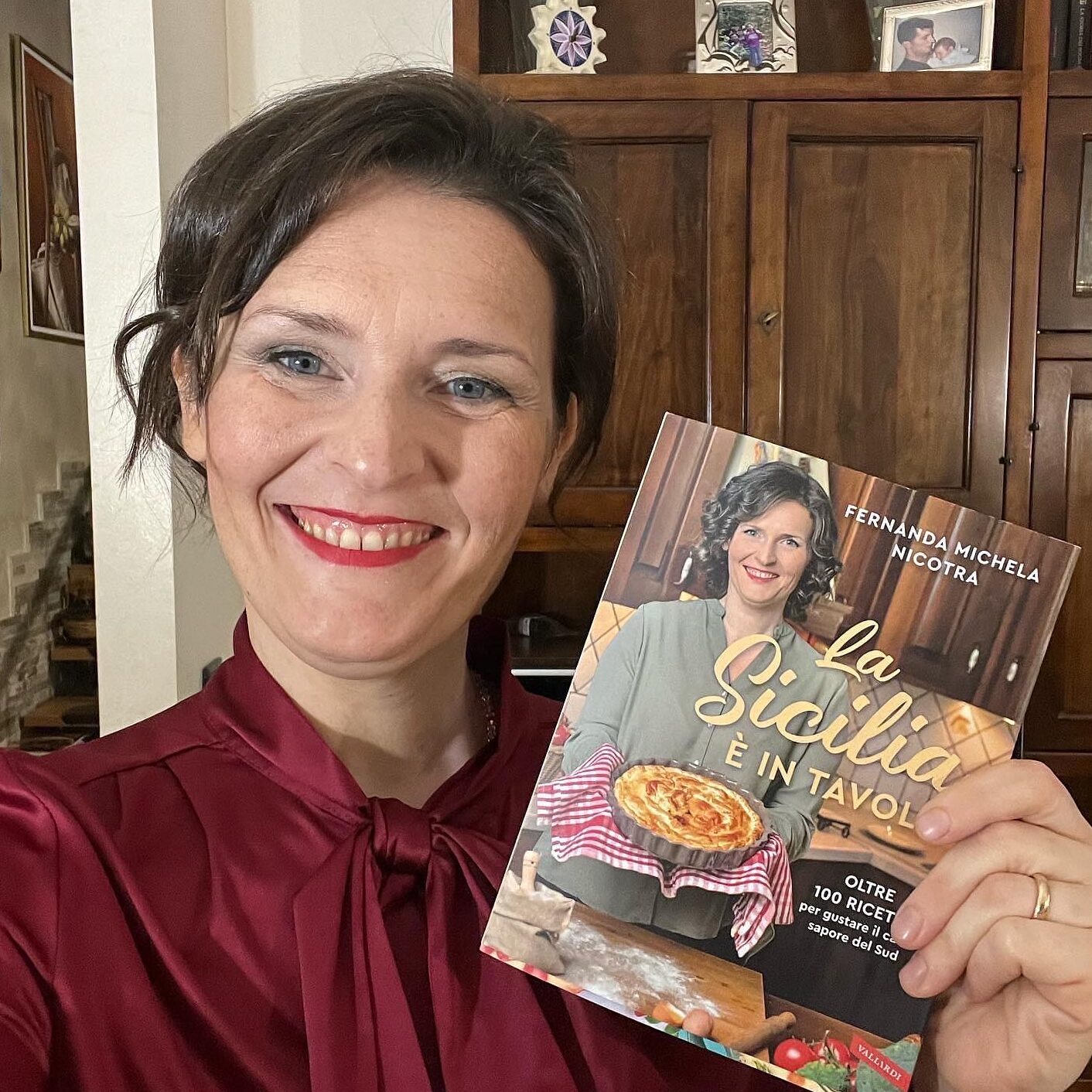
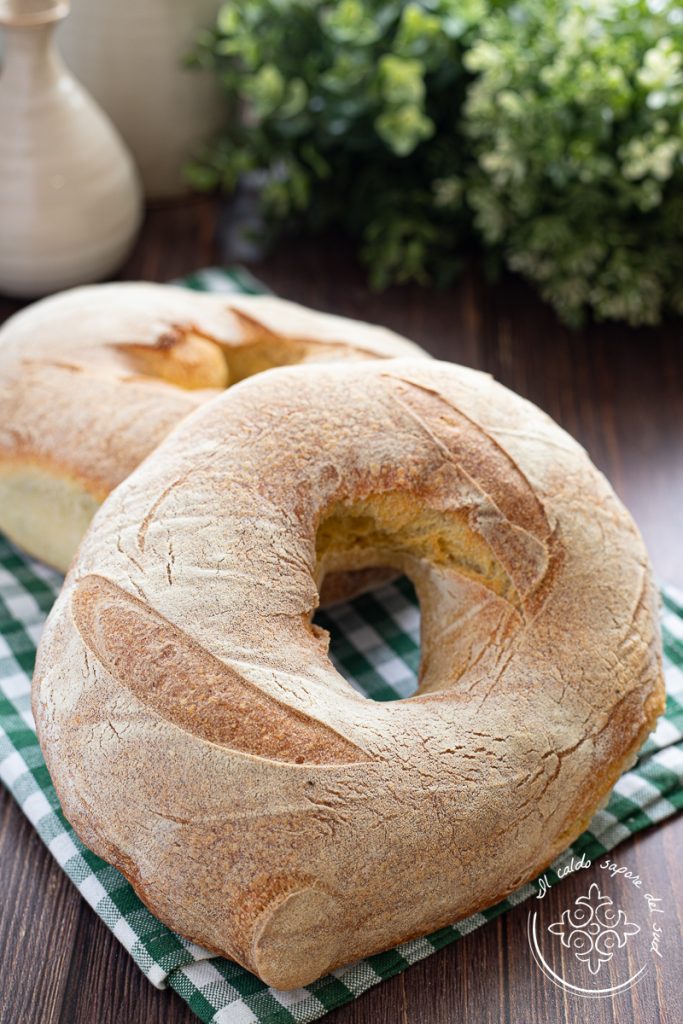
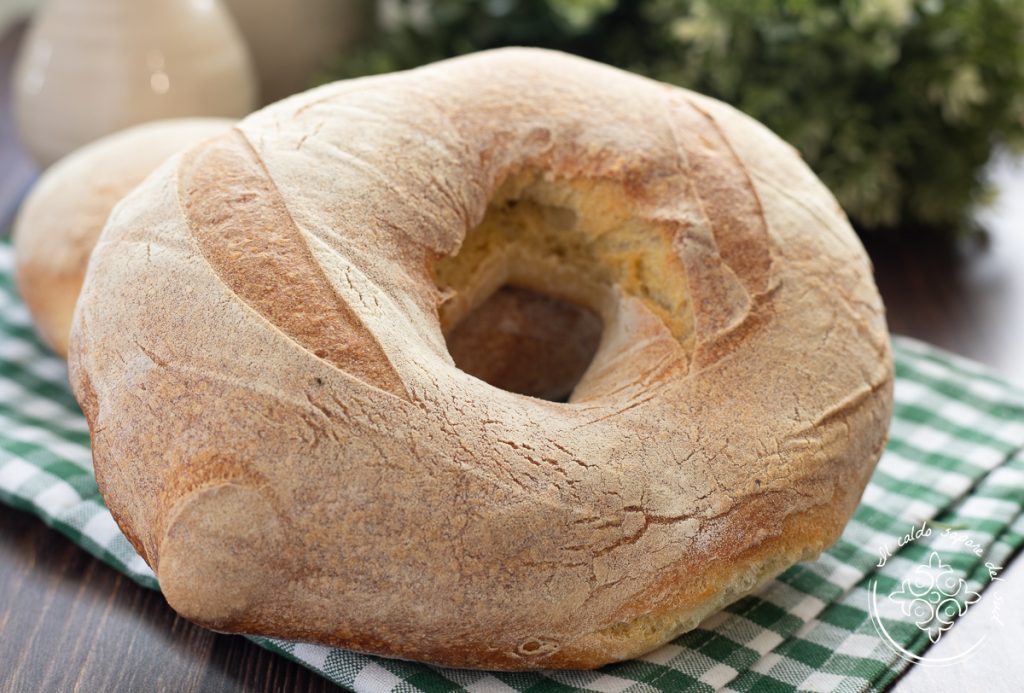
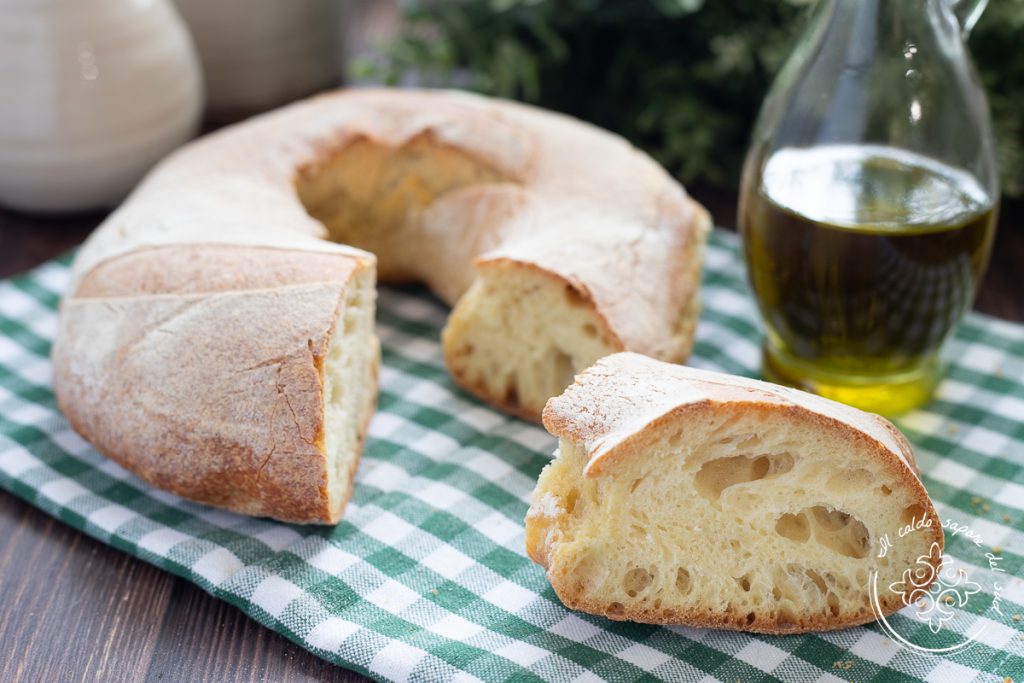
Cucciddatu: Sicilian bread made with re-milled durum semolina. “Cucciddatu” is a typical bread that is part of the Sicilian Cuisine and Grandma’s recipes, and it is also one of my favorite homemade bread recipes. It’s simply made with sourdough starter, water, and flour, properly worked. Like the Ragusan hard-dough bread, it’s a traditional recipe and perfect for making the famous Pane cunzato siciliano. “U pani di casa” (homemade bread), as we call it, is the bread of memories — bread for picnics, Sundays in the countryside; it’s the grandparents’ bread, the bread you never tire of: good on its own, excellent as an accompaniment, wonderful when halved right out of the oven and dressed with oil, salt and pepper to become the traditional simple “pane cunzatu” (seasoned bread). Let’s go to the kitchen — I’m sure this recipe will win you over. Before that, if you’d like to stay updated on all my other recipes, you can follow my Facebook page and my Instagram profile.
Also take a look:
- Difficulty: Easy
- Cost: Very inexpensive
- Preparation time: 5 Hours
- Portions: 2.2 lb of bread
- Cooking methods: Oven
- Cuisine: Italian
- Seasonality: All seasons
Ingredients to make the cucciddatu
- 3 1/2 cups Re-milled durum wheat semolina (about 600 g (21 oz))
- 1 7/8 cups Water (about 450 ml (15 fl oz))
- 2 tsp Salt (about 12 g)
- 1 tsp Barley malt (optional)
- 3.5 oz Sourdough starter (ripe (about 100 g))
Tools
- Bowl
- Oven
Preparation of the cucciddatu
If you want your bread for dinner, refresh your sourdough starter at 8:00 AM.
Weigh the ingredients and about an hour before the starter is ready, pour 200 ml of water into the flour, mix roughly and let rest (you are performing an autolyse to help the development of the gluten network).
When the starter is ready (in the photo you can see it at the bottom right), add the salt, the malt, the broken-up sourdough starter and the water.
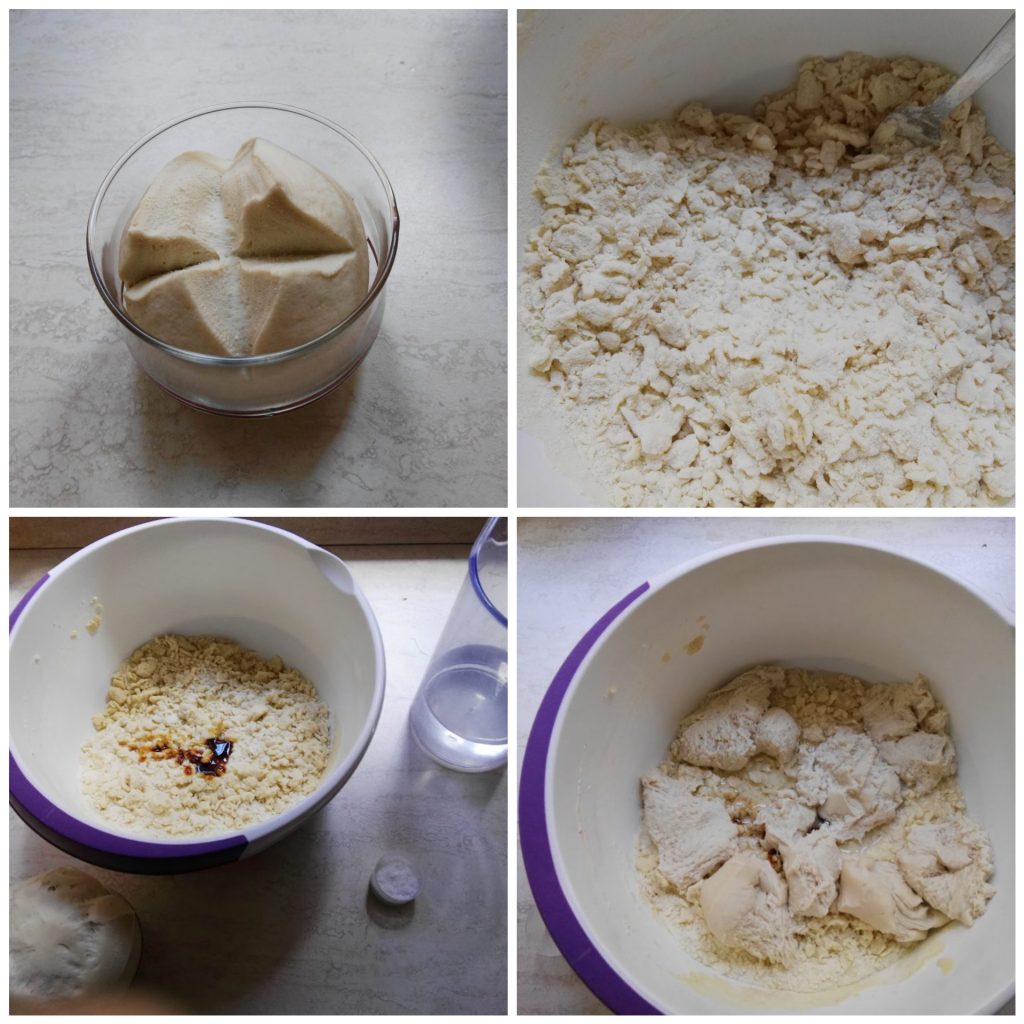
Mix roughly and let rest for 10 minutes.
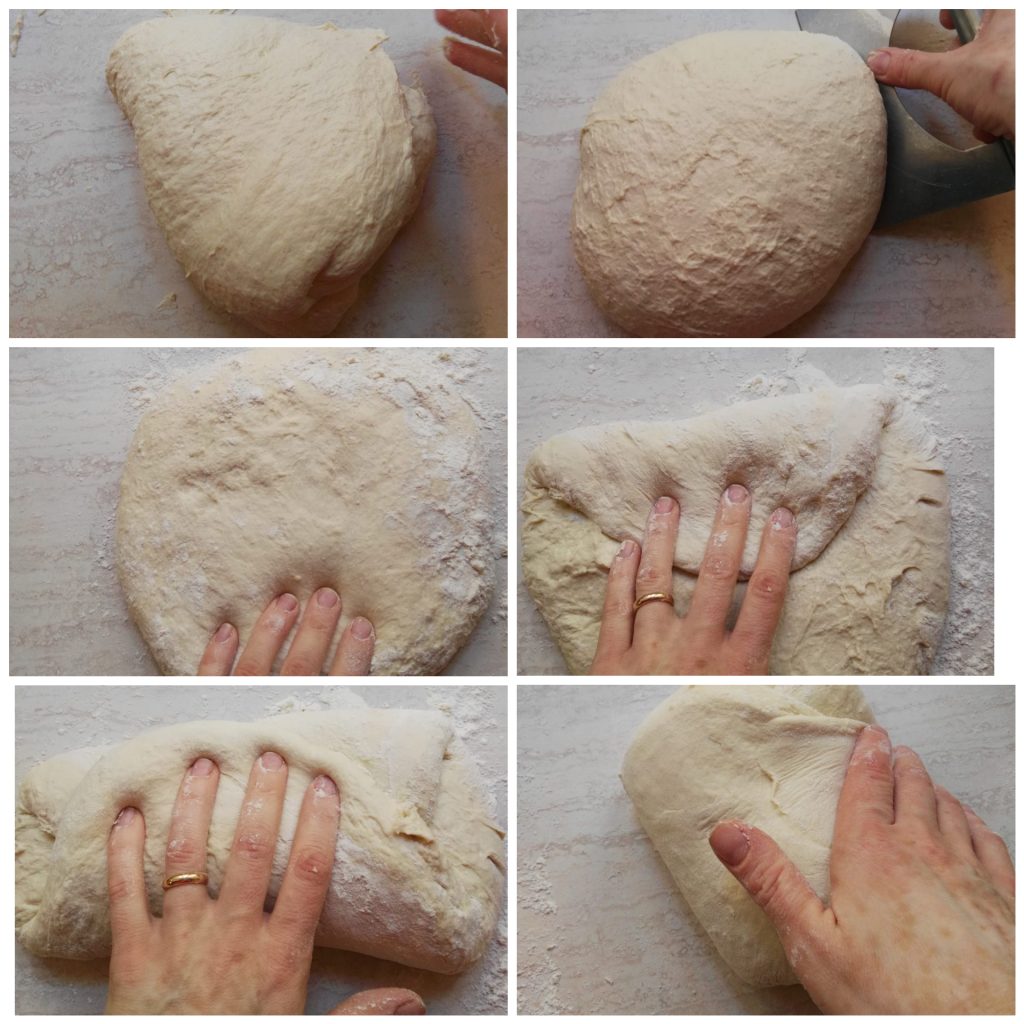
Continue with bowl folds, bringing the edges of the dough to the center. Do two sets of folds, ten minutes apart, then turn the dough out onto the counter and bring the edges toward the center.
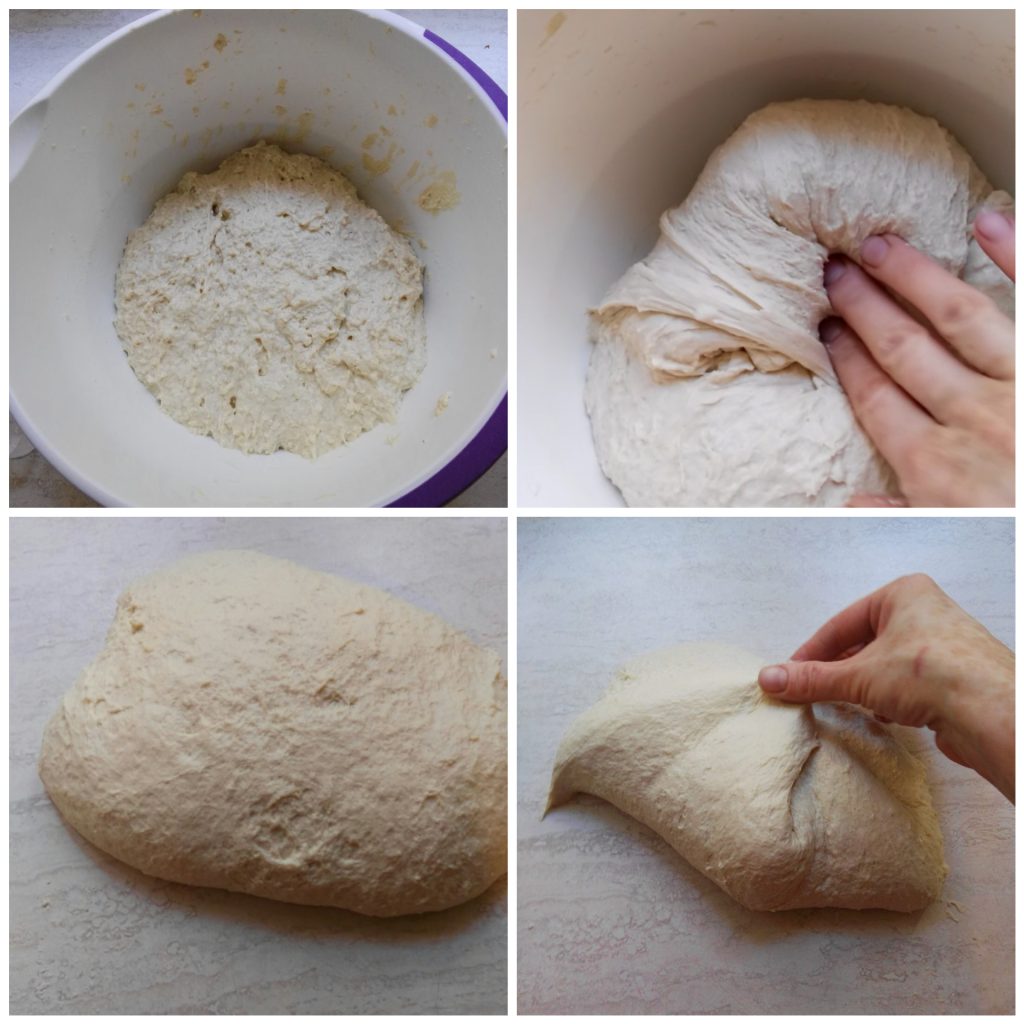
Flip it over and form a ball, helping yourself with a spatula if needed; let rest for 10 minutes.
Spread the dough with your hands and do 2 sets of folds, half an hour apart.
Half an hour after the last fold, shape again (pirlare), then put a pinch of flour in the center of the loaf and make a hole.
Widen and adjust the hole without tearing the dough.
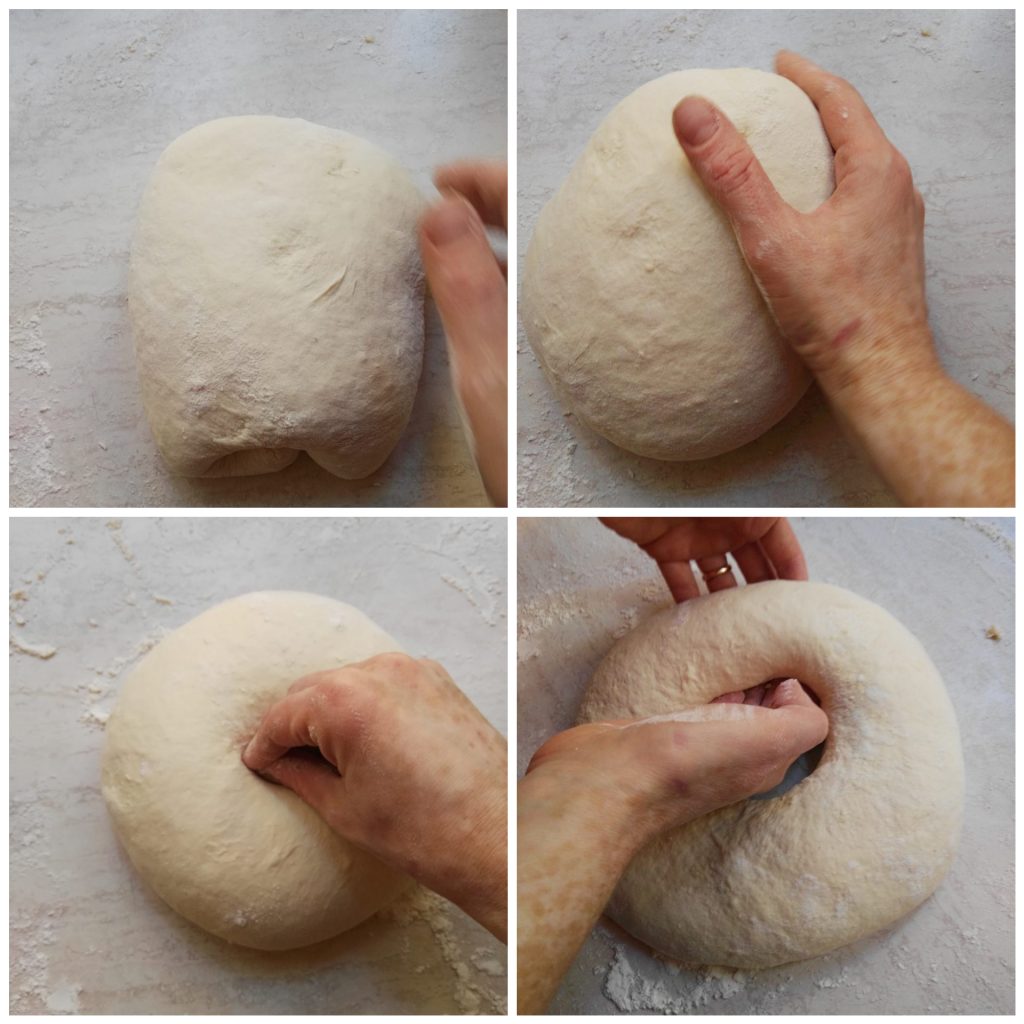
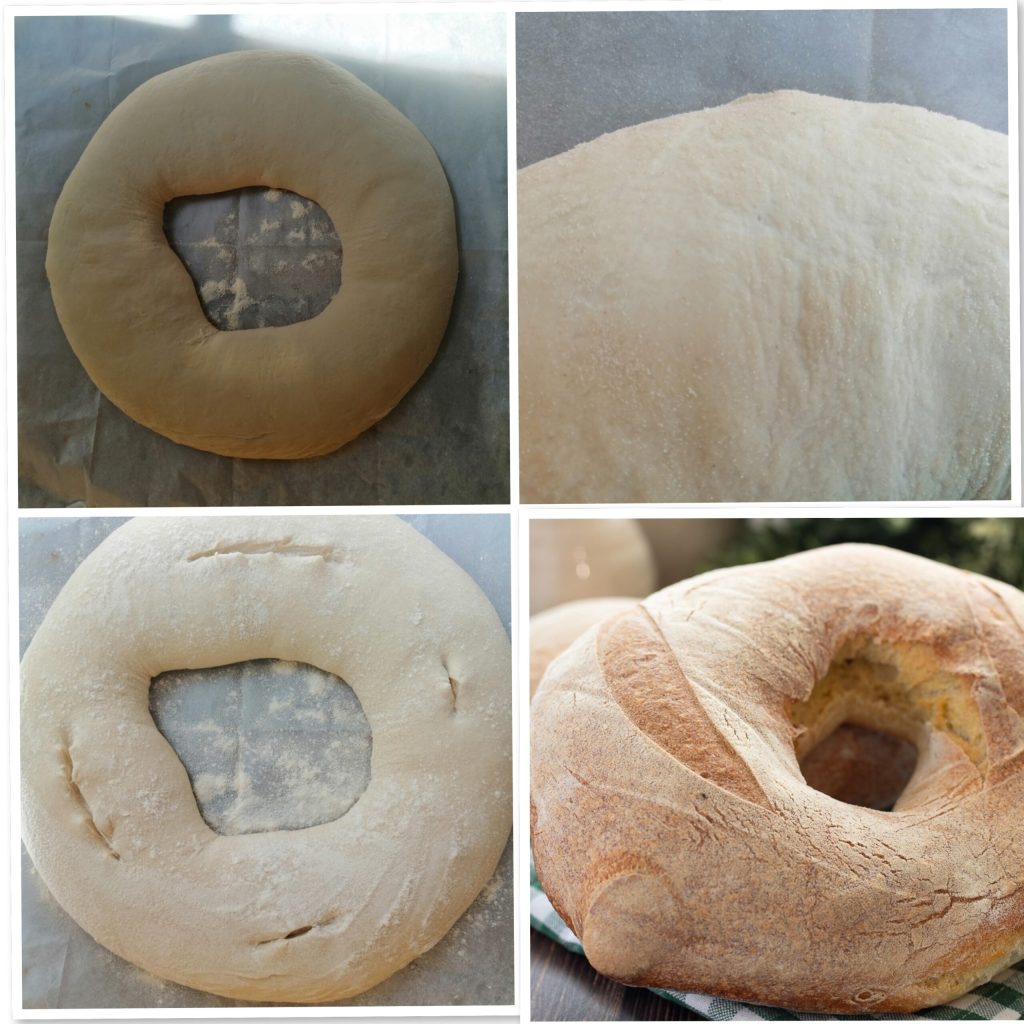
Place the ring-shaped loaf on a floured sheet of parchment, place everything on a baking tray and put it in the oven with the oven light on to proof until doubled.
After this time — it may take from three to six hours depending on the ambient temperature and the strength of your starter — the dough will have doubled in volume and you will notice very small surface fissures.
Make deep cuts on the surface; be careful not to stretch the dough: score without tearing.
Preheat the oven to 446°F (conventional) and bake at this temperature for the first 20 minutes, then continue for the next 30 minutes at 356°F; if you notice it browning too much, lower to 320°F.
When baked, remove from the oven and let cool slightly on a rack.
Our semolina sourdough bread keeps well for up to 3–4 days, especially in winter if stored in a cotton bag. In summer its shelf life is much shorter as it tends to dry out quickly unless stored in a food-grade plastic bag.
Notes, tips and variations
Proofing times when using sourdough starter are highly variable and depend on many factors, especially the ambient temperature. At 82°F it should double in about three hours; the lower the ambient temperature, the longer it will take to double.
If you don’t have a sourdough starter, replace it with a preferment made with 100 g flour, 60 g water and 2 g fresh brewer’s yeast; once doubled you can use that dough as you would sourdough, but with faster maturation times.
If you want to stay updated on my recipes, follow me also on:
pinterest; twitter, you tube and tiktok.
From here you can return to the HOME and discover new recipes!