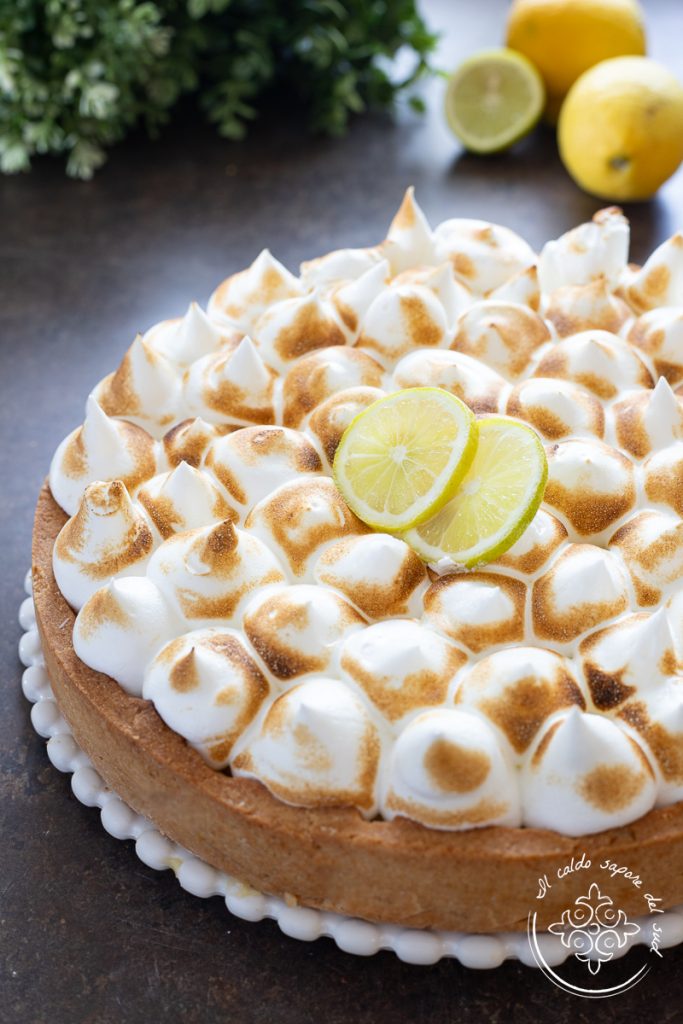
Lemon meringue pie or lemon curd tart or even tarte au citron meringuée and of course Lemon meringue pie, the famous American tart.
I love lemon desserts — I’m crazy about sweets like Lemon Cheesecake with phyllo dough or No-bake lemon tart, as well as Lemon crinkle cookies and everything that carries that wonderful, fresh aroma. So, in my search for lemon desserts a few days ago I tackled the preparation of the famous lemon curd, the creamy Anglo-Saxon dessert made with lemon juice. Once the cream was ready, I couldn’t resist using this silky, indulgent preparation to make a lemon meringue tart, so I also prepared the shortcrust pastry base (shortcrust pastry) and, once filled, decorated it with many delicious dollops of Italian meringue. The result? Here it is: simply magnificent!! Ready to make it too? Follow me in the kitchen, but before we roll up our sleeves I remind you that if you want to stay updated on all my recipes, you can follow my Facebook page (here) and my Instagram profile (here).
Also have a look at these lemon dessert recipes:
- Difficulty: Very easy
- Cost: Budget-friendly
- Preparation time: 2 Hours
- Portions: 6 servings
- Cooking methods: Oven
- Cuisine: Italian
Ingredients
- 250 g All-purpose flour (about 2 cups)
- 150 g Butter (cold) (about 2/3 cup (5.3 oz))
- 1 Egg yolk
- 1 pinch Salt
- 1 tsp Vanilla extract (or one sachet of vanillin)
- 50 g Powdered sugar (about 1.8 oz (≈1/3 cup))
- 2 Eggs (medium)
- 100 g Butter (for the lemon curd) (about 7 tbsp (3.5 oz))
- 60 g Lemon juice (about 1/4 cup (4 tbsp))
- 20 g Water (about 1 1/3 tbsp (0.7 oz))
- 20 g Orange juice (or water — about 1 1/3 tbsp (0.7 oz))
- 100 g Granulated sugar (about 1/2 cup (3.5 oz))
- 20 g Cornstarch (maizena) (about 2 1/2 tbsp (0.7 oz))
- 125 g Egg whites (about 4 egg whites (125 g))
- 250 g Granulated sugar (for syrup) (about 1 1/4 cups (8.8 oz))
- 50 g Water (for syrup) (about 3 1/3 tbsp (1.8 oz))
Preparation
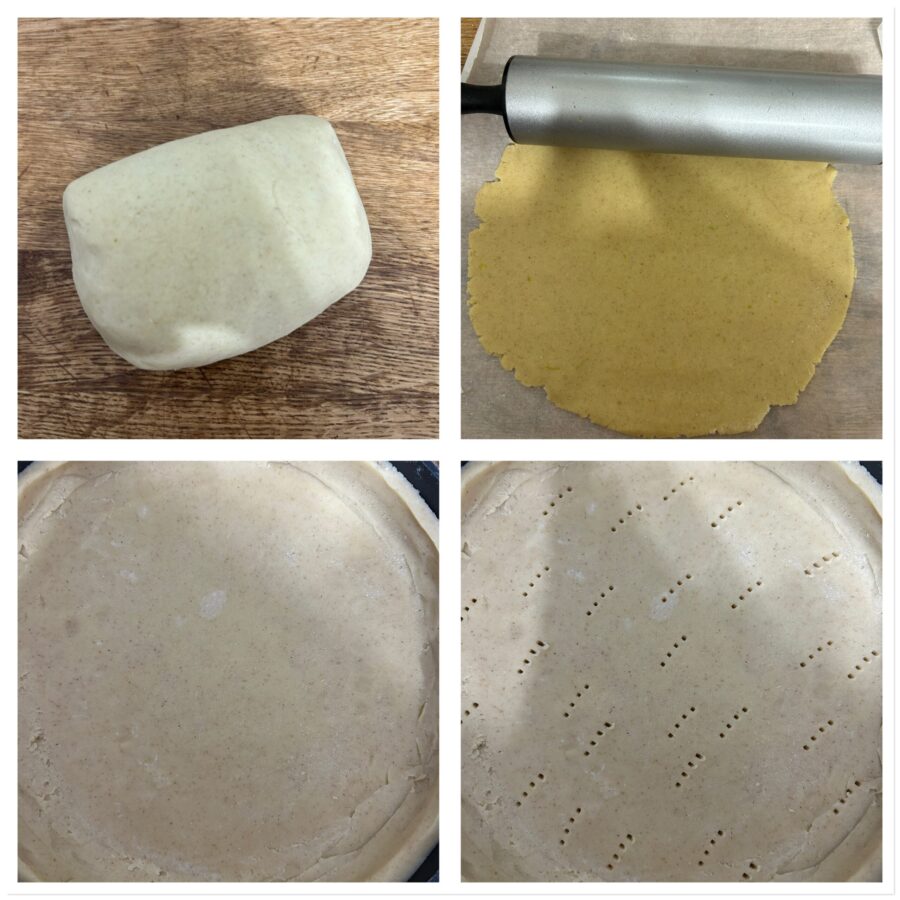
To prepare this shortcrust pastry the butter must be cold.
After weighing all the ingredients, pour the flour onto the work surface, make a well and add the butter.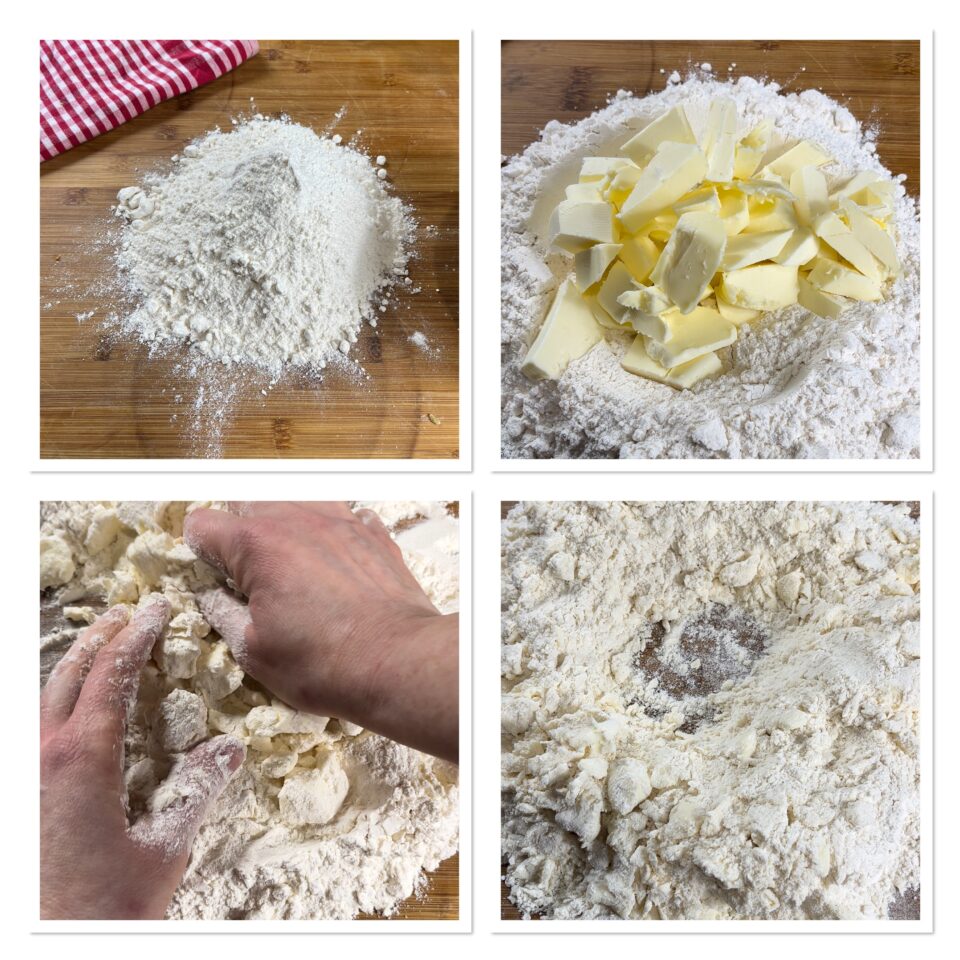
Work everything with your hands until you obtain a crumbly mixture, remake the well and add the sugar, the egg yolk and the vanilla extract. First work the yolk with the sugar to dissolve it, then knead everything together until you get a smooth, homogeneous dough.
If the dough has warmed up too much, refrigerate it for 30 minutes, otherwise 10 minutes will be enough.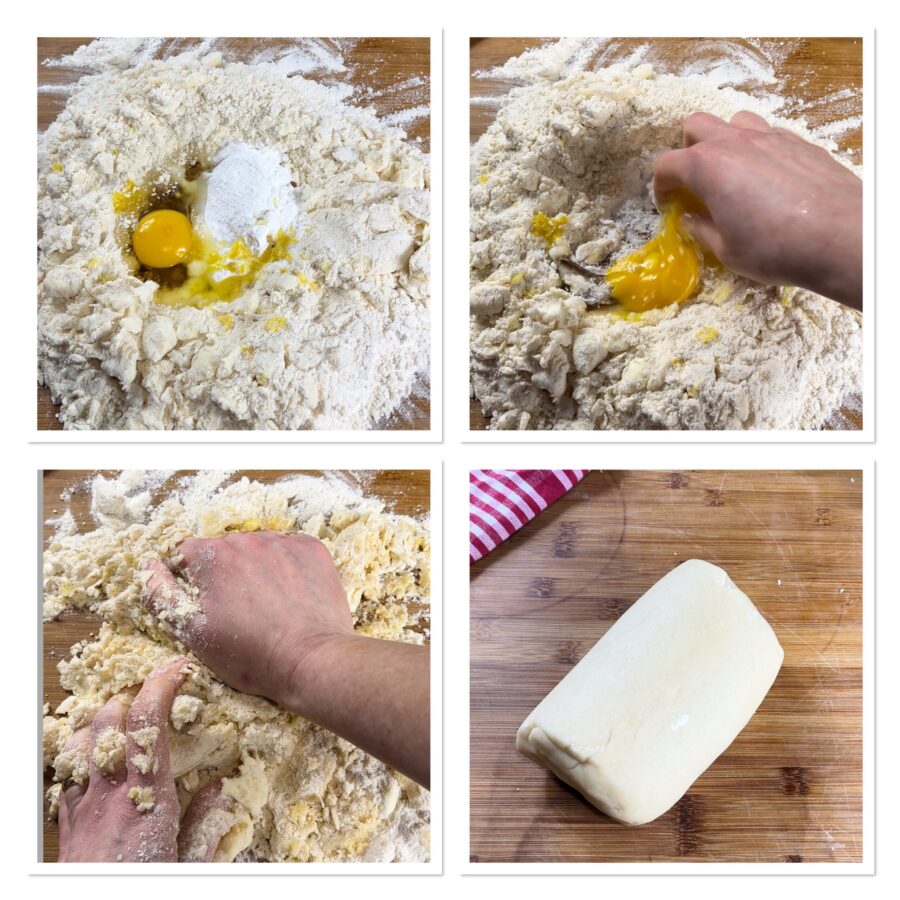
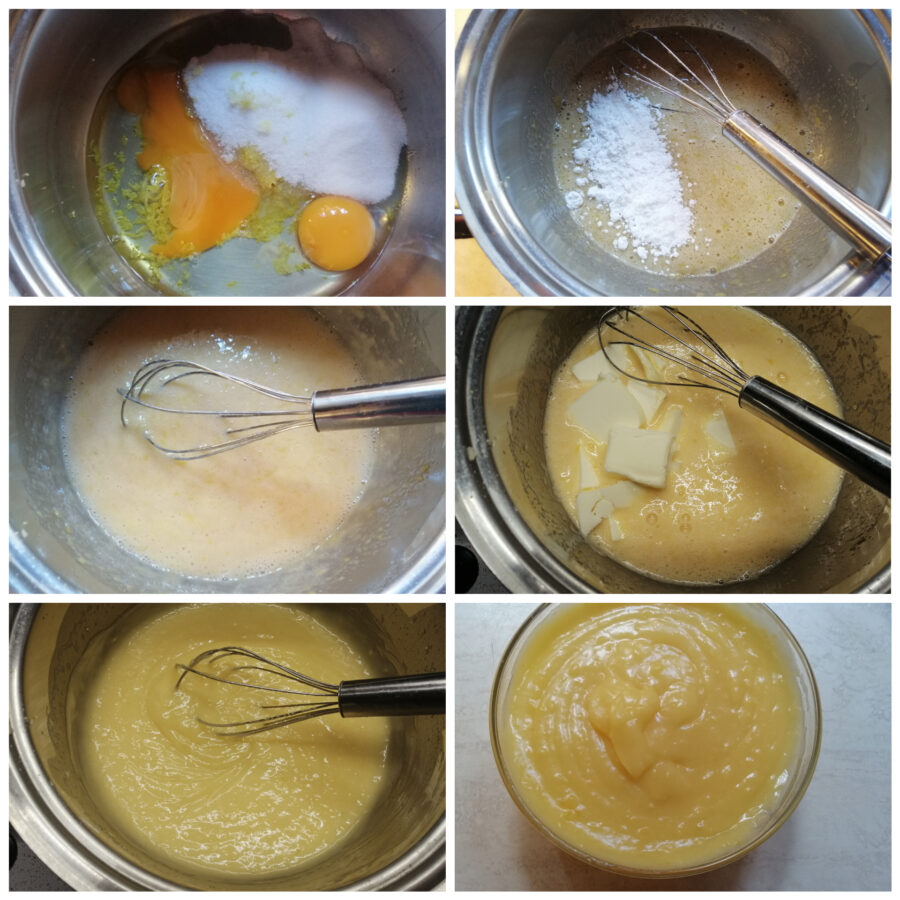
In a small, heavy-bottomed saucepan beat the eggs with the sugar and the grated zest of two lemons, then add the cornstarch and mix well.
Add the lemon juice mixed with the orange juice and the water (for a tangier taste use only lemon juice) and finish with the butter cut into pieces.
Place over the stove and cook over moderate heat, stirring continuously and quickly without stopping until the cream has thickened, but turn off the heat before it reaches a full boil, otherwise it will curdle. Immediately add the cold butter and incorporate.
Transfer the mixture to a glass bowl and let it cool completely, covered with plastic wrap. Chill for at least half an hour in the refrigerator.
When completely cold, blend for a few seconds with an immersion blender; the cream will become shiny and velvety.
If you don’t have a heavy-bottomed saucepan, cook the cream in a double boiler to avoid the eggs curdling.
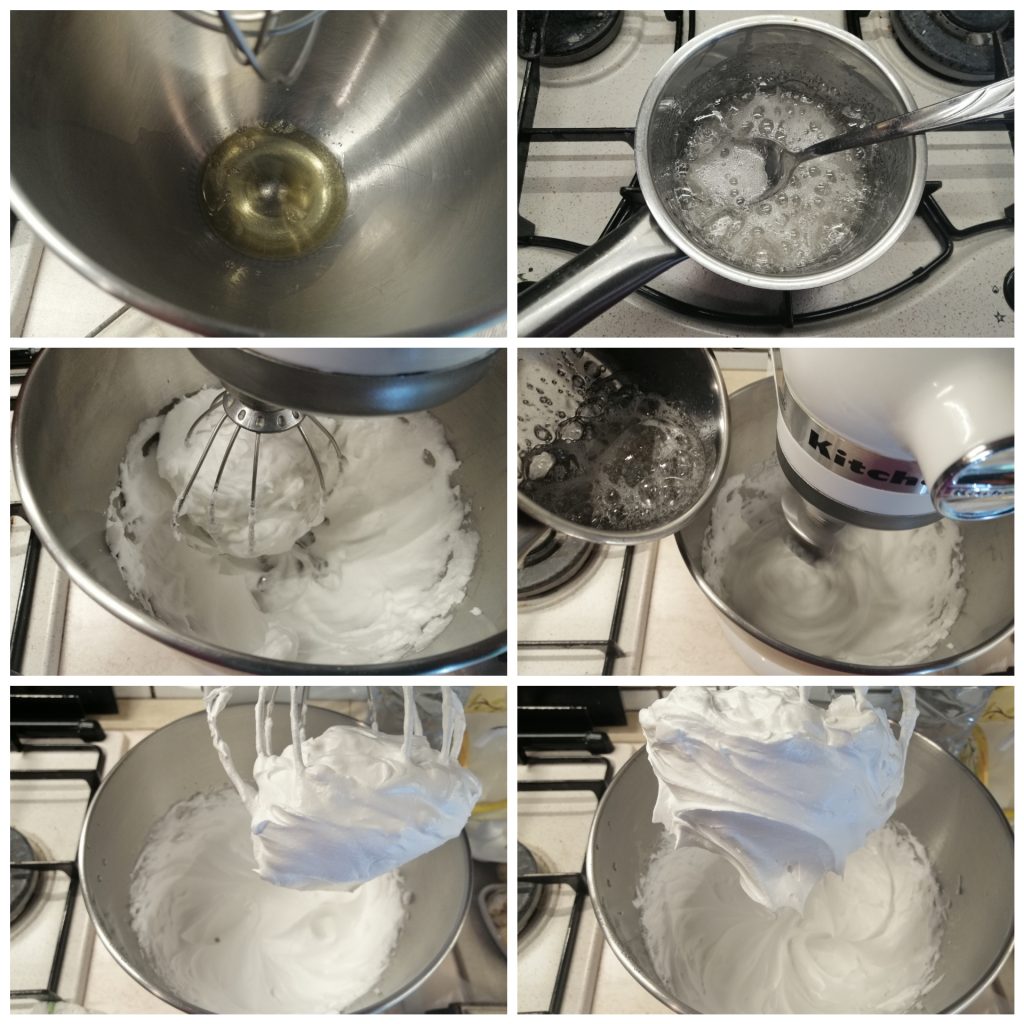
Start by bringing the water and sugar to a boil over low heat; you should reach about 250°F (121°C). If you don’t have a thermometer, once it starts boiling continue cooking for 3–4 minutes, but keep in mind that a temperature of 121°C (≈250°F) will guarantee a stable meringue even for more than a day.
In the end you should obtain a clear syrup with very little foam.
A couple of minutes before the sugar is ready, pour the room-temperature egg whites into the stand mixer and as soon as they start to turn white and foamy, pour the still-boiling syrup in a thin stream along the side of the bowl (this avoids splashes and lumps).
After finishing pouring the syrup, let the mixer run for a few more minutes and add any flavorings if needed. The mixture will cool and change consistency while whipping. It will be ready when it becomes glossy, firm and has reached room temperature.
Take the shortcrust pastry, roll it out to about 1/2 cm thick (about 1/5 inch) and line a 22 cm (≈8 2/3 in) springform pan.
Prick the bottom with the tines of a fork and bake at 356°F (180°C) for 15–20 minutes or until it reaches a golden color. If during baking the tart rises in the center due to steam, make a small hole in the center with the tip of a knife and continue baking.
Remove from the oven and let cool completely before unmolding; I also recommend a pass in the fridge to firm up the base and make it more stable.
Pour the cold lemon curd over the pastry base, then fill a piping bag with the meringue and pipe many dollops over the lemon curd.
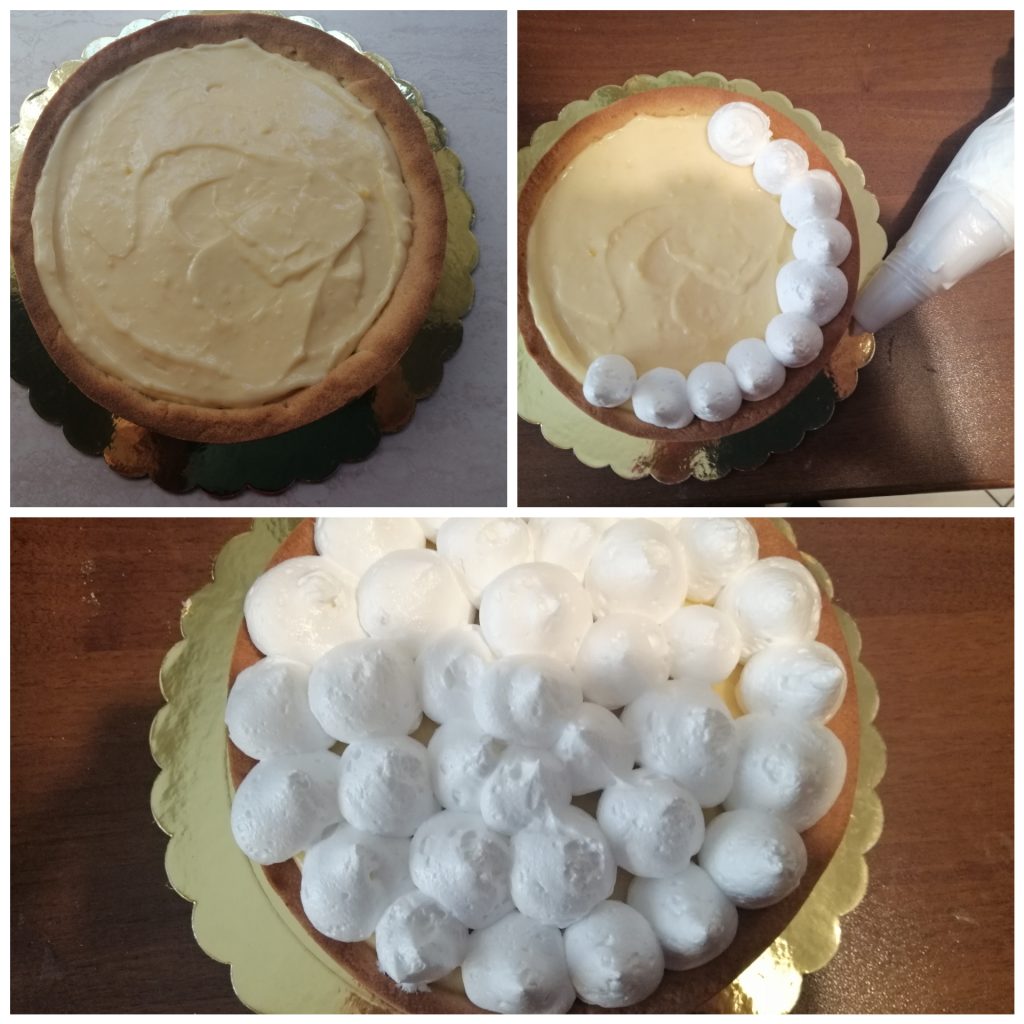
Using a blowtorch, brown the meringue until the sugar caramelizes. Alternatively, heat your oven broiler to the highest setting and place the tart a few minutes under the broiler to brown the meringue — be very careful not to burn it.
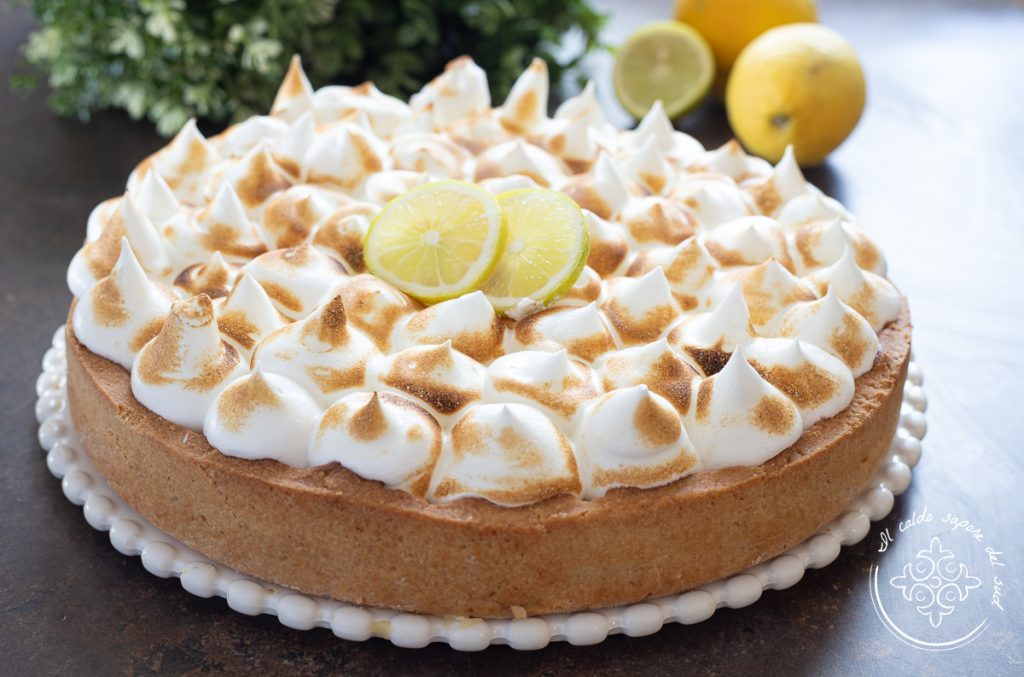
Decorate the tart with lemon slices and serve chilled.
Storage and tips
The lemon meringue pie can be stored in the refrigerator for up to three days, well covered in a cake container. The pie you see in the photo was made with a double quantity of the ingredients and in a 28 cm pan, while the steps refer to a smaller 22 cm pie.
If you want to stay updated on my recipes, follow me on:
facebook , pinterest, instagram, twitter.
From here, you can return to the HOME and discover new recipes!
Note: the tart in the photo was made with a double dose and a 28 cm (≈11 in) pan; the instructions instead refer to the smaller 22 cm (≈8 2/3 in) tart.