
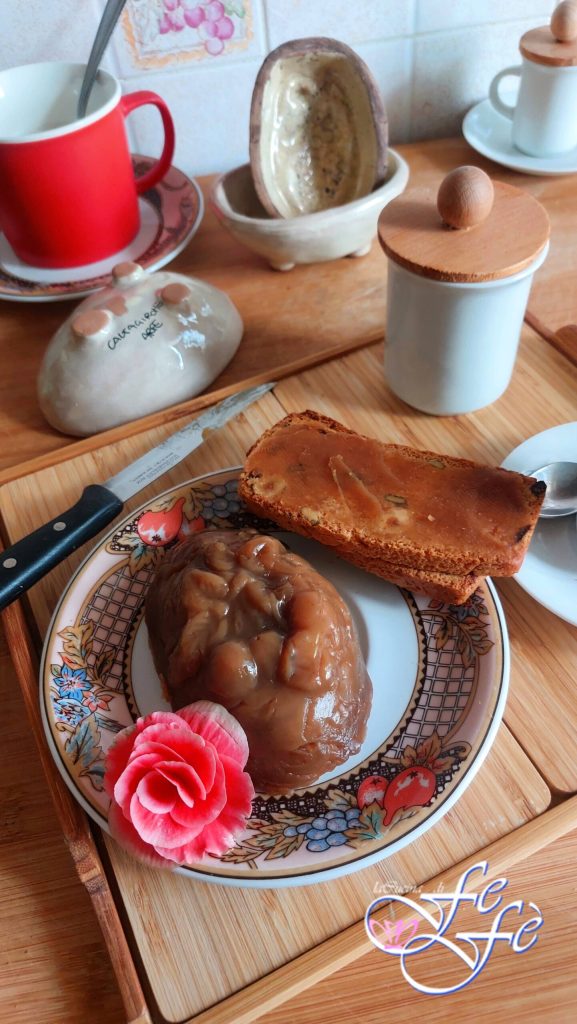
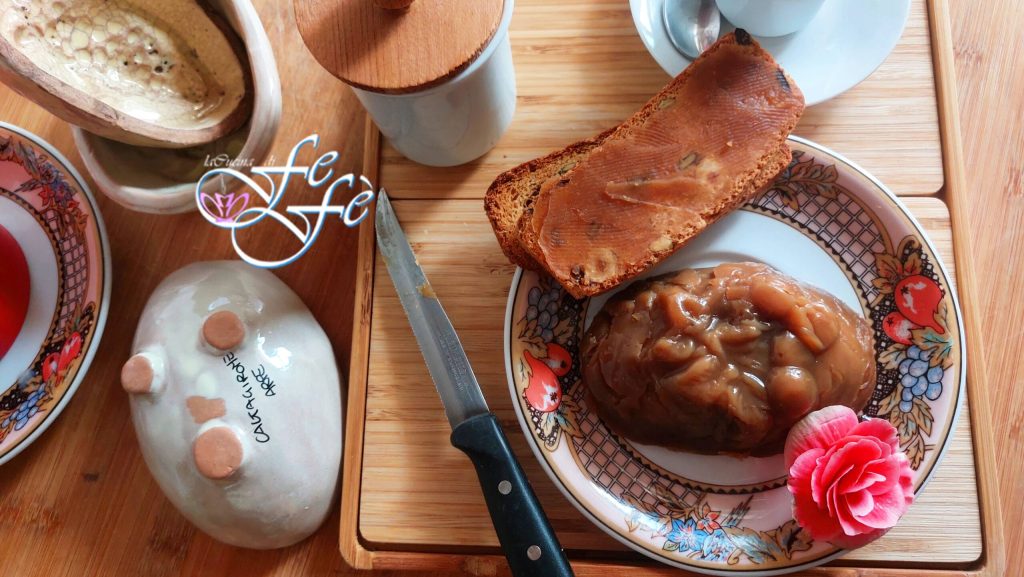
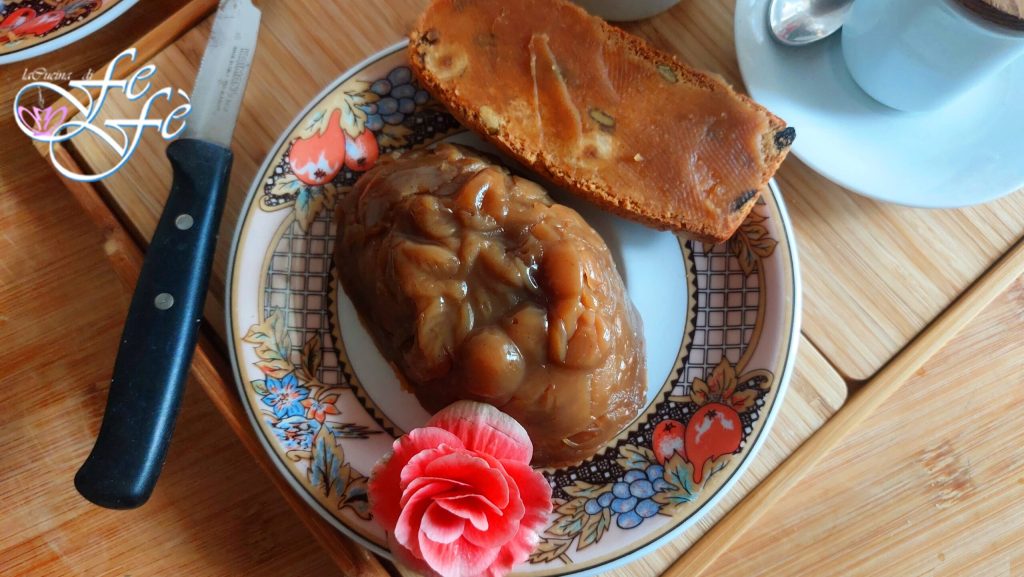
The carob is the fruit of the carob tree, an evergreen plant of the Mediterranean, certainly less known than the classic fruits we are used to, but it actually deserves a place of respect on our tables for its countless properties. It appears as a long and woody pod, which consumed naturally, including the pod and its peel, absolutely edible, has a sweetish and slightly sour taste. It is often compared to chocolate, which it vaguely resembles, but with a hint that also approaches that of dried figs, which is why it is used in the food and confectionery industry. Inside the pods, for example, there are very hard seeds, small dark nuggets used to make carob flour, an ingredient found in numerous preparations. In Sicily, especially in the Ragusa area, we find the largest presence of carob trees, and it is precisely thanks to a walk in the park of my city that I had the opportunity to collect some! To make this typical Sicilian recipe, you need about 15! The proportions are for a liter of water, and for me, they resulted in 4 molds, so if you have the fortune to find or collect them, the period is just right, try it because it is truly delicious. The texture is reminiscent of pudding, but firmer and more similar to the “mustard” of prickly pears or that made with grape must. However, you can perfectly spread it on bread or toast in the morning for breakfast or for your kids’ healthy afternoon snack. One warning: in the recipe, for needs, I reduced the amount of sugar, which already seemed the right sweetness to us, but if you prefer, you can sweeten up to 50 grams more! Let me know, I count on it!
CURIOSITY: Did you know that carobs are rich in antioxidant substances and, unlike cocoa, do not contain caffeine? This means they can be consumed in complete peace even by those who cannot or do not want to consume this substance. In addition to being very appreciated in the kitchen, where they prove to be very valid allies for many recipes, carobs can also support and improve our health. Not surprisingly, there are several carob-based curative remedies on the market, beginning with products for treating diarrhea and stomach disorders. In fact, the fruit is known mainly for its ability to reduce gastrointestinal disorders; moreover, they fight cough and flu thanks to their richness in vitamin C, so a carob decoction is a real blessing. Also due to the presence of calcium with which they are rich, carobs can reduce the risk of osteoporosis and protect the health of our bones. The carob pulp, as well as carob-based products that you can buy in herbalists and pharmacies, could help reduce levels of total cholesterol and LDL cholesterol, the so-called “bad” cholesterol. Finally, but not least, although it has a very sweet and sugary taste, carobs have a very low glycemic index, so it can be consumed by people with diabetes.
If you are passionate about typical Sicilian spoon desserts, try these recipes below:
- Difficulty: Easy
- Cost: Very cheap
- Rest time: 2 Hours 30 Minutes
- Preparation time: 2 Days 25 Minutes
- Portions: 4 molds
- Cooking methods: Stovetop
- Cuisine: Italian
- Seasonality: Autumn
Ingredients
⚠ THIS RECIPE CONTAINS ONE OR MORE AFFILIATE LINKS. The products I recommend are the same ones I use in my recipes; purchasing them through my blog helps support me and my work, while it will not cost you any more!
- 15 carobs
- 1 l water
- 100 g brown sugar (up to a maximum of 150 gr.)
- 90 g cornstarch
Tools
- 1 Baking tray
- 2 Bowls
- 1 Saucepan
- 1 Knife
- 1 Wooden spoon
- 1 Reusable bag
- 4 Molds
- 1 Spatula
- 1 Spoon
- Plastic wrap
- Parchment paper
Steps:
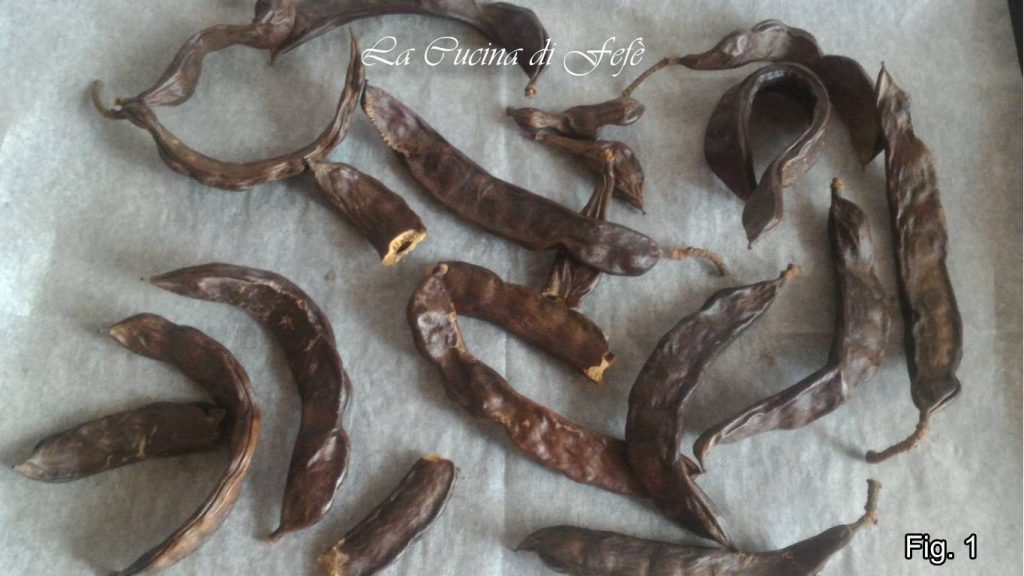
First, after rinsing the carobs under running water, dry them with a clean cloth and toast them in the oven at 340°F for about 20′ to dry them well (fig. 1).
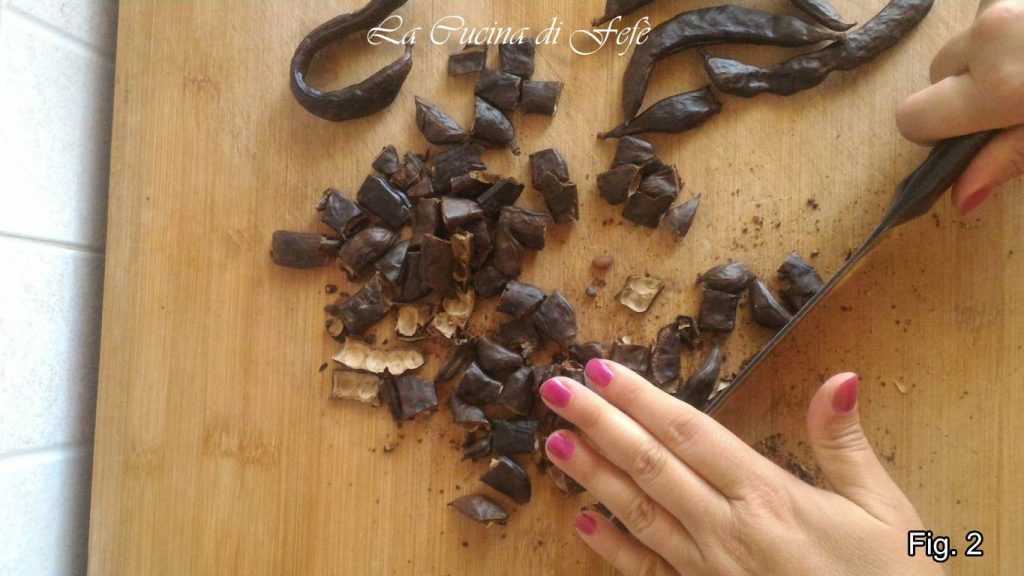
As soon as they have cooled, chop them with a knife (fig. 2)
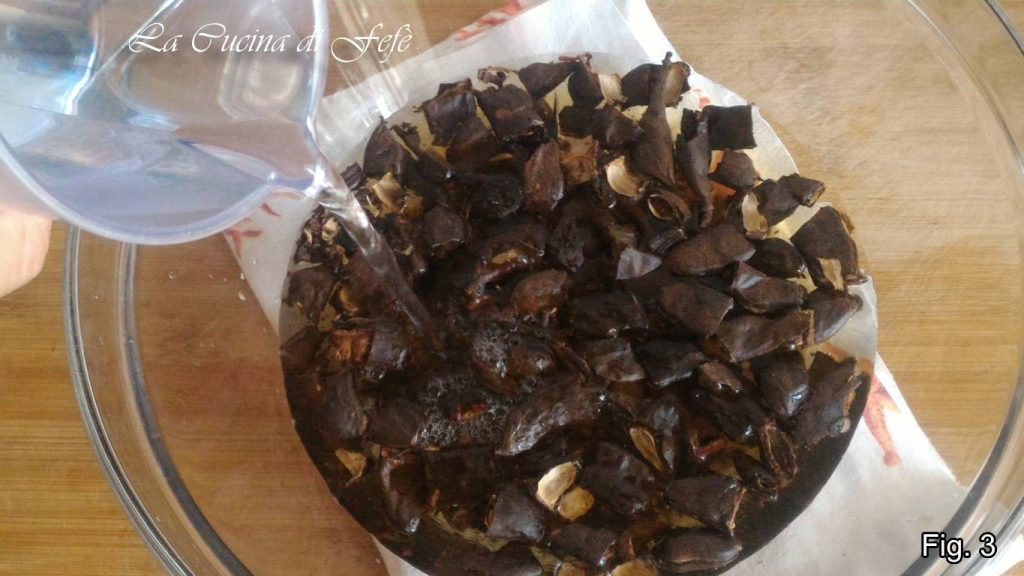
Transfer them to a bowl, cover with water and let them rest for at least 2 days (fig. 3).
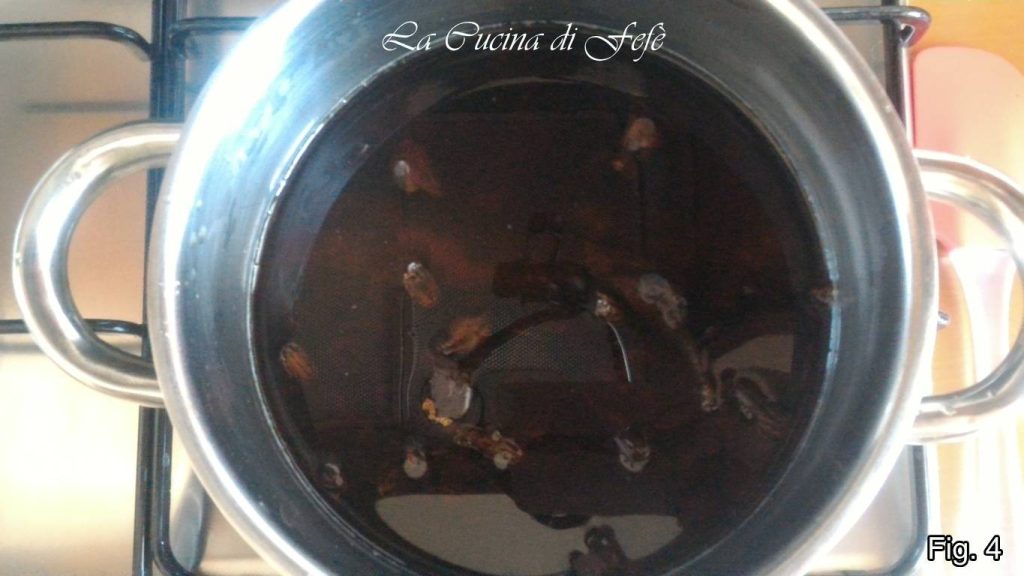
After 48 hours, transfer them to a saucepan along with the water and cook over low heat for at least 20′ from boiling (fig. 4).
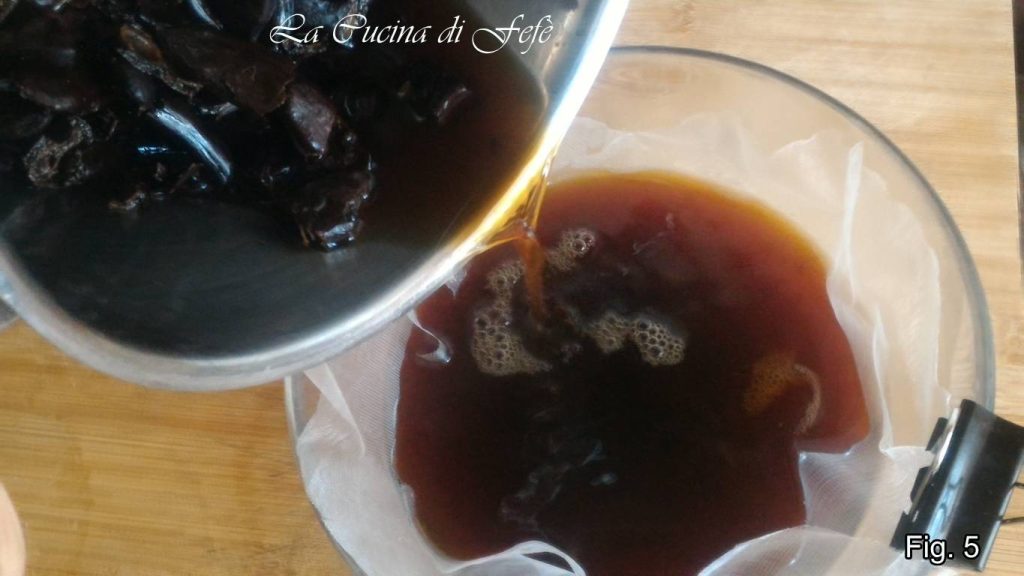
After this time, turn off, let cool and filter the obtained liquid with a filter bag or a gauze like that used for confetti (fig. 5).
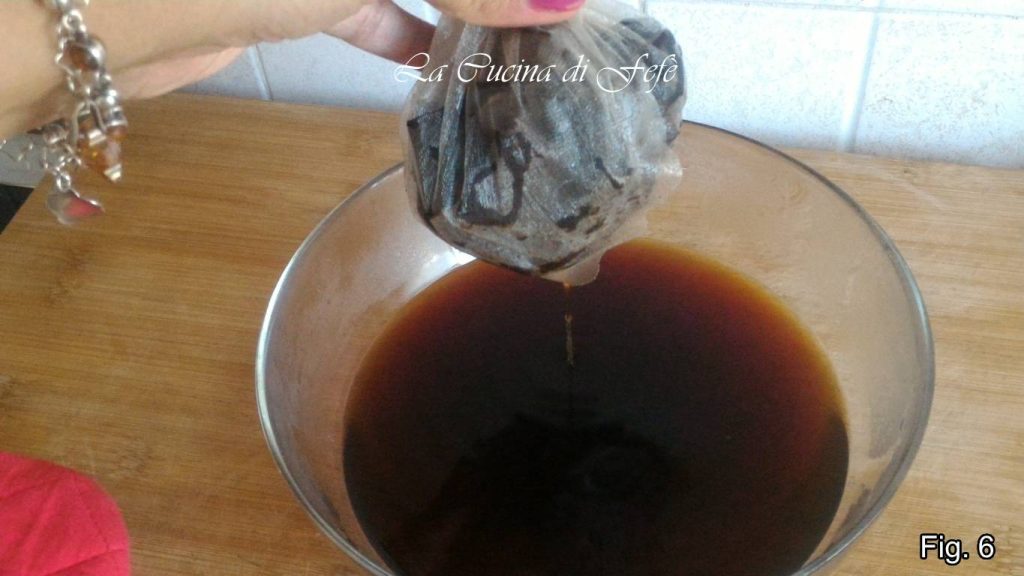
Squeeze out all the liquid from the carobs (fig. 6).
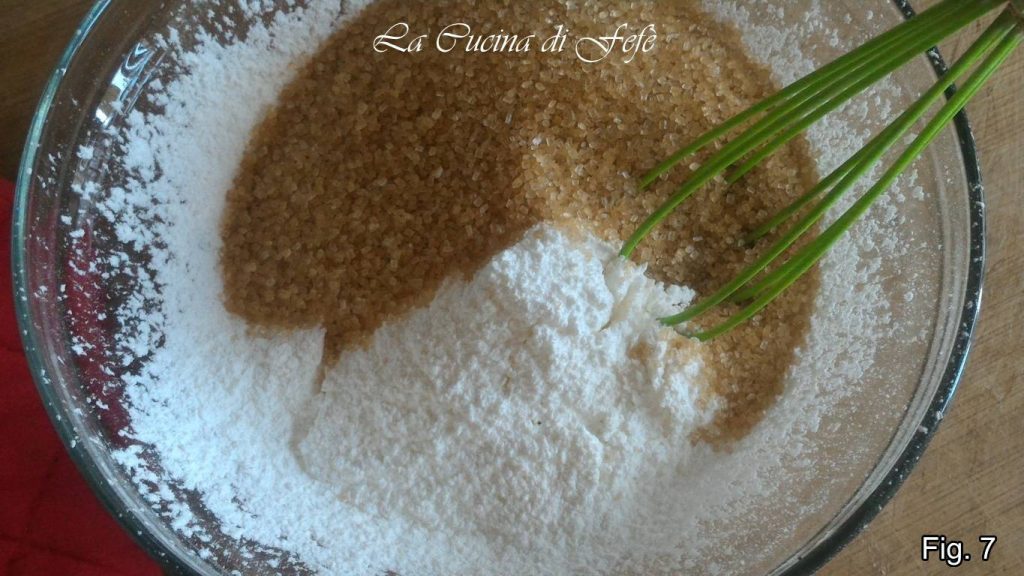
In a bowl, mix the cornstarch with the sugar using a spoon or a hand whisk (fig. 7).
Dilute with a part of the carob liquid, dissolving the powders well (fig. 8).
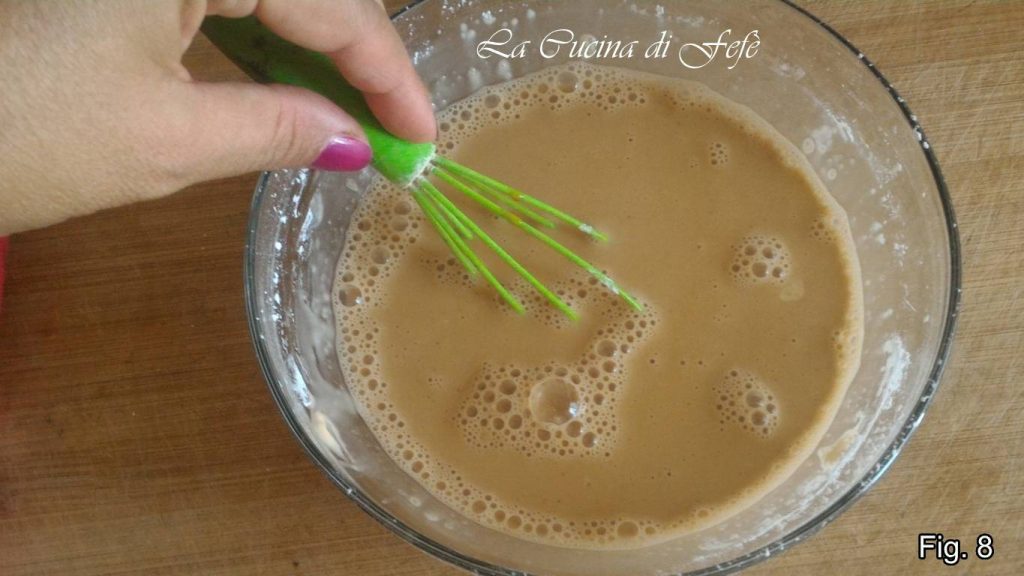
Transfer it to a saucepan with the rest of the liquid (fig. 9).
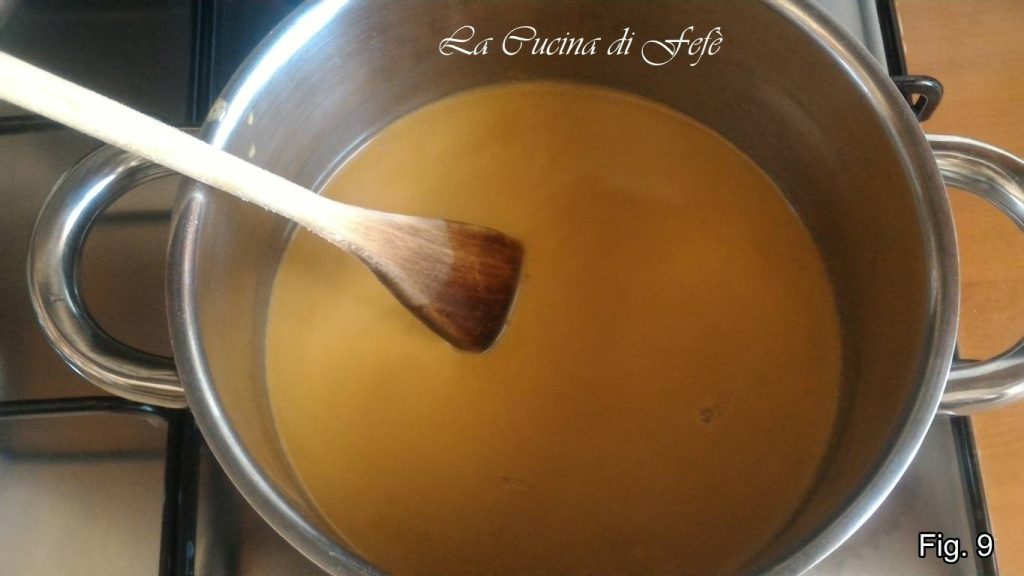
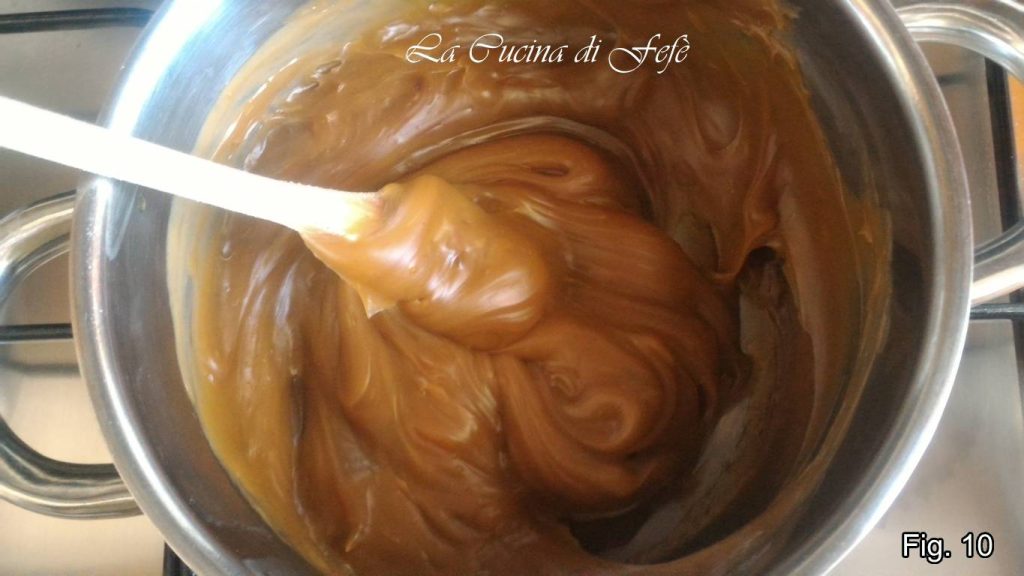
Cook over low heat, stirring continuously with a wooden spoon, always in the same direction until it has the consistency of a cream (fig. 10).
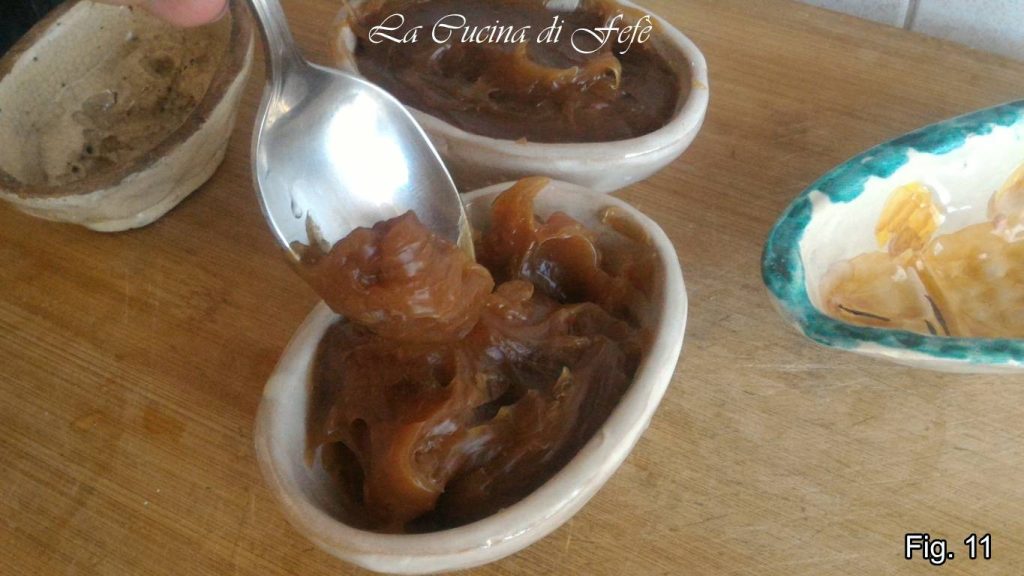
Turn off immediately, it should not thicken excessively, let cool and fill the mold to the brim, previously wetted with water using a spoon. I usually use terracotta molds (fig. 11).
Press and level well with a spatula and let cool at room temperature (fig. 12).
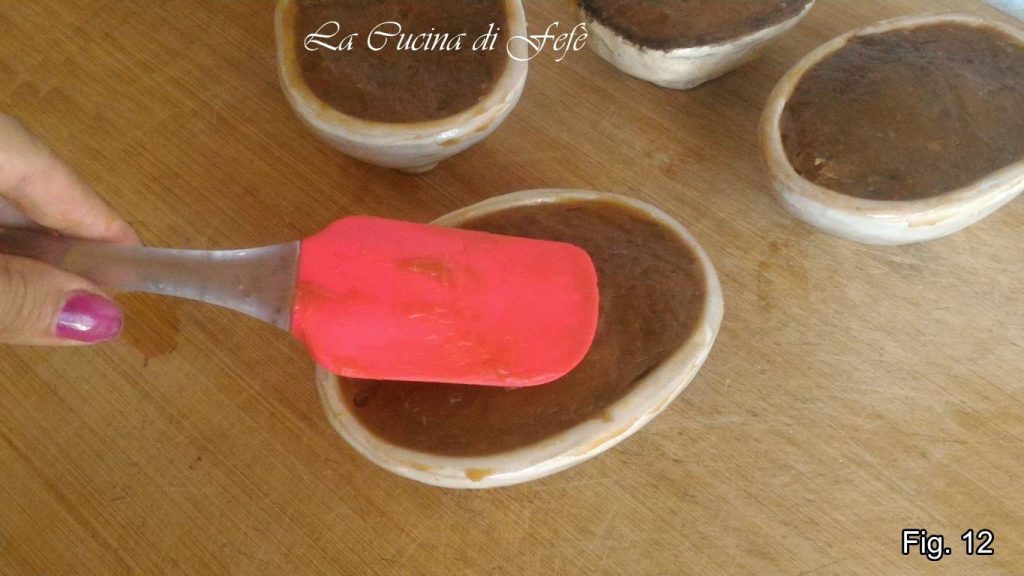
Once the mustard is placed in the appropriate molds, it must dry well. To better preserve it if you want, dry it in the oven.
.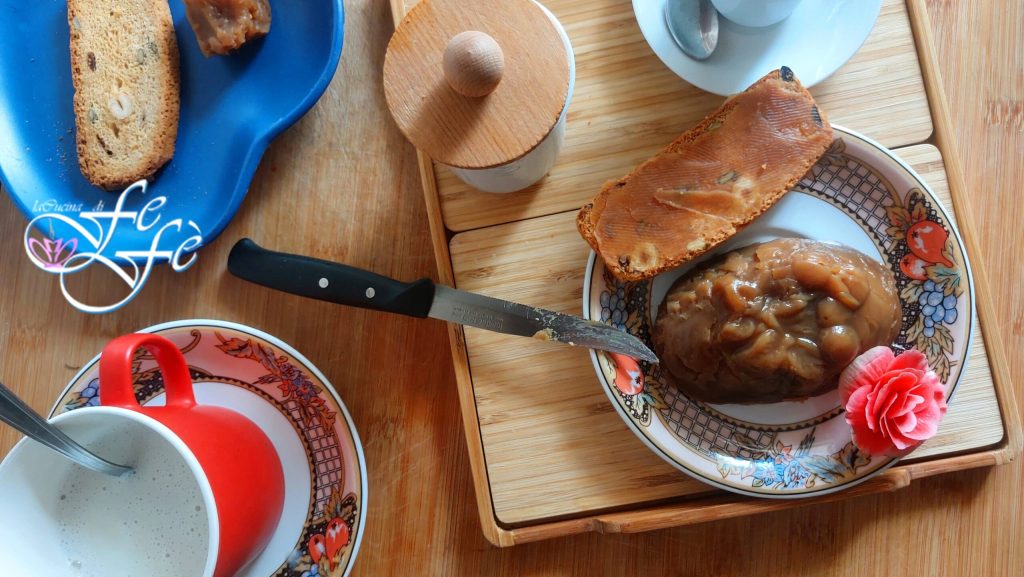
And voilà… your carob mustard is ready to be enjoyed!
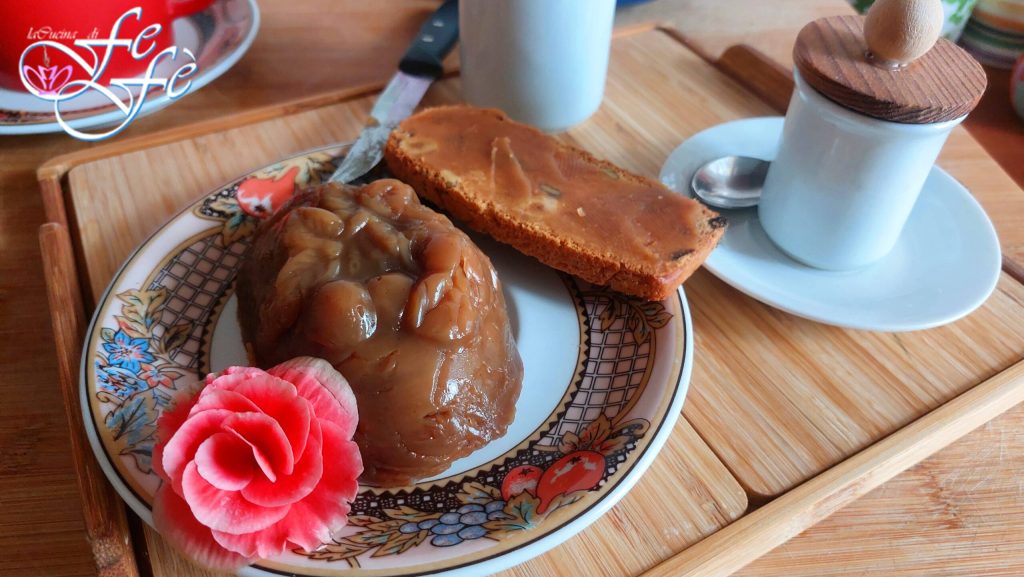
Bon appétit from La Cucina di FeFè!
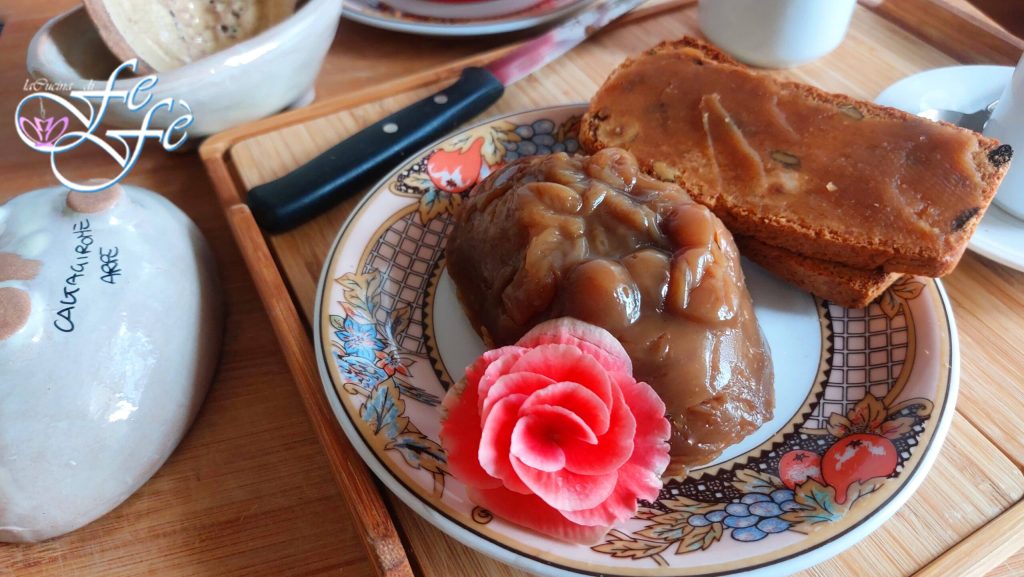
Storage
👉 Carob mustard can be stored at room temperature in a cool, dry place, provided it dries in the open air for at least 15 days, but be very careful that it does not get damp, as it would mold in an instant. I therefore recommend drying in the oven at low temperature for 15′, much faster and more practical. For safety, you can also store the dessert in the fridge. Once the mustard is ready, serve it directly in its container: it can also be consumed immediately, like any other pudding, hot, warm, or cold.
Tips, notes, variations and suggestions
🟣In the recipe, for needs, I reduced the amount of sugar, which already seemed the right sweetness to us, but if you prefer, you can sweeten up to 50 grams more!
