
Ligurian Torta Pasqualina: The Traditional Recipe with a Creative Twist
The Torta Pasqualina (or torta pasqualinn-a in Genoese) is the undisputed queen of the Easter lunch and the excursions of Easter Monday. This dramatic savory pie is not only a typical dish of the Ligurian tradition, but a true festive symbol that wins everyone over thanks to its “surprise effect” when sliced.
This year I tried a special version, combining the crispness of homemade olive oil shortcrust pastry with the convenience of a ready-made puff pastry sheet for the top. The result? A winning mix of textures that earned praise from everyone at the table!
The Filling Secret: Spinach, Ricotta and the Surprise Effect
The heart of the Pasqualina is a delicious filling of spinach (or Swiss chard), greens and cheese.
The Clever Swap: The original Genoese recipe calls for prescinseua, a local tangy cheese difficult to find outside Liguria. I replaced it with very fresh ricotta, obtaining a delicate flavor and perfect texture.
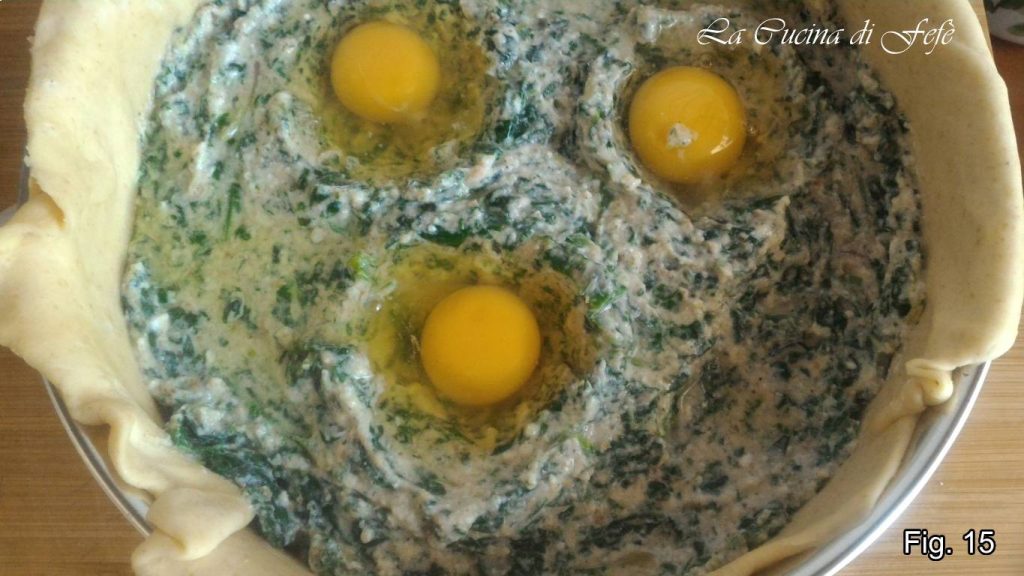
The “Hidden” Eggs: The real magic happens inside. I added the whole raw eggs directly into the ricotta-and-vegetable cream. During baking, the eggs set, creating that wonderful visual decoration that makes each slice unique and surprising.
Why make Torta Pasqualina?
Spectacular: Perfect to amaze relatives and friends during the holidays.
Versatile: It’s great hot, but it’s best lukewarm or cold, making it the ideal companion for springtime outings.
Easy to customize: You can choose between shortcrust, puff pastry or, as I did, a mix of both for an extra-crispy shell.
CURIOSITY: In past centuries eggs and cheeses were foods reserved for major celebrations. The traditional torta pasqualina, typical of the Easter period — that is, spring and its produce — uses eggs, herbs, young onions, marjoram, once common in every Ligurian garden. It represents the main dish of the Easter lunch and it is said that in the past it symbolized the skill of housewives, some of whom famously reputedly managed to stack up to thirty-three layers of pastry in honor of the years of Christ.
For more sweet and savory ideas to bring to your Easter table, I recommend checking out these recipes:
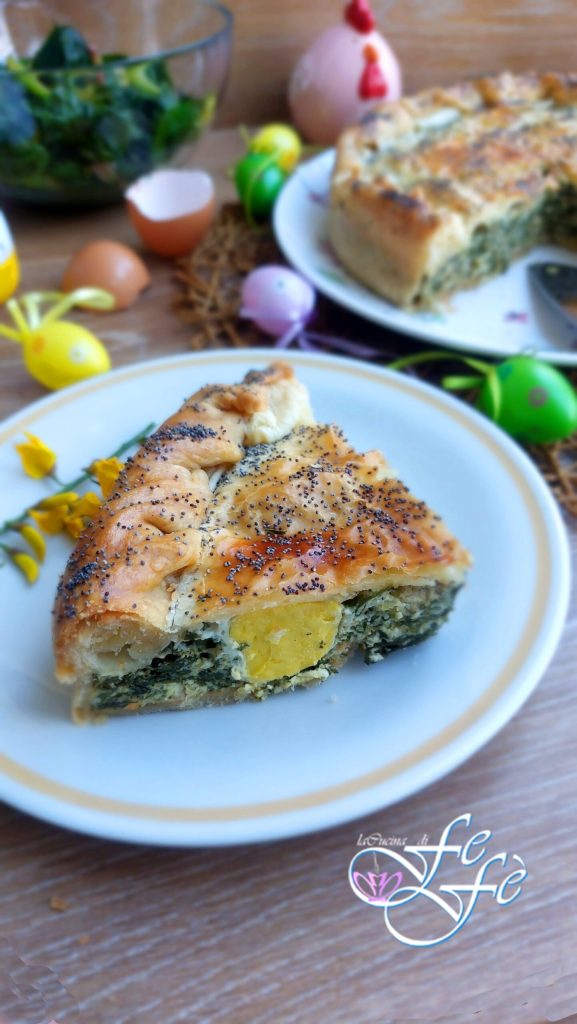
- Difficulty: Easy
- Cost: Medium
- Rest time: 30 Minutes
- Preparation time: 30 Minutes
- Cooking time: 50 Minutes
- Portions: 9.5-inch springform pan
- Cuisine: Italian
Ingredients
⚠ IN THIS RECIPE THERE IS ONE OR MORE AFFILIATE LINKS. The products I recommend are the same ones I use in my recipes; purchasing them through my blog helps support me and my work at no extra cost to you!
- 2/3 cup re-milled durum wheat semolina
- 1/3 cup + 1 tbsp type 1 flour
- 1/3 cup water
- 1 1/3 tbsp extra virgin olive oil
- 1/2 teaspoon salt
- 1 roll/sheet puff pastry
- 1.3 lb spinach (already cleaned)
- 1 spring onion
- 2 cups sheep ricotta
- 2 oz Grana Padano, grated
- 5 eggs
- 3 tbsp breadcrumbs (+ as needed)
- 1 teaspoon nutmeg
- 2 tbsp extra virgin olive oil
- to taste salt
- to taste pepper
- to taste egg white (for brushing)
- to taste poppy seeds
Tools
- 1 Rolling pin
- 1 Pan
- 1 Ladle
- 1 Sieve
- 1 Knife
- 1 Cutting board
- 1 Bowl
- 1 Whisk
- 1 Spatula
- 1 Springform pan
- 1 Parchment paper
Steps
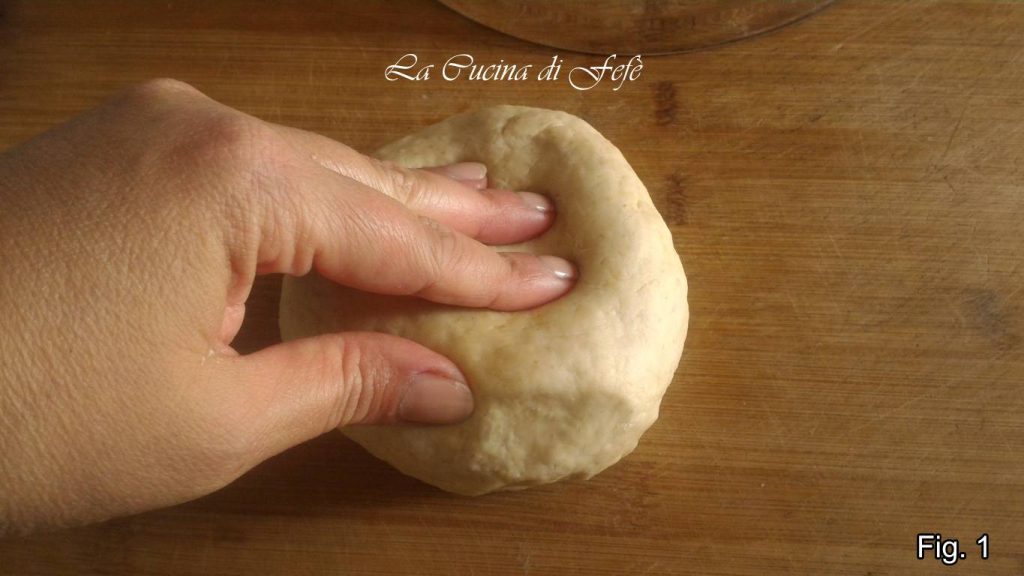
Start by preparing the shortcrust base, following all the steps of my recipe using half the quantities HERE. You should obtain a compact and homogeneous dough ball that you will let rest for 30′ at room temperature, covered with cling film or, as I did, inside the same mixing bowl.
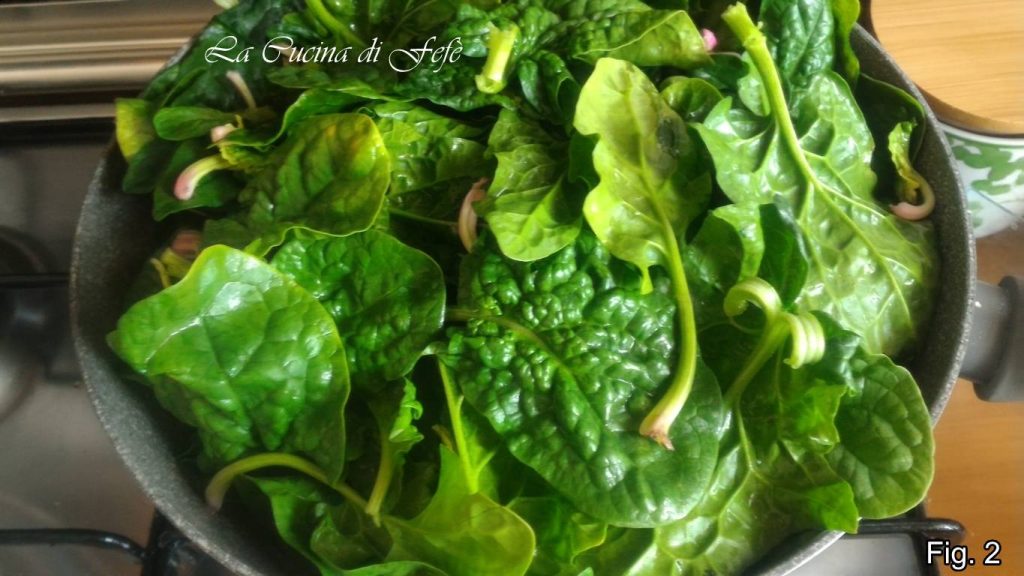
After washing the spinach well, transfer it to a pan with a drizzle of oil and its own cooking water, then let it wilt over low heat, covered, for 5′.
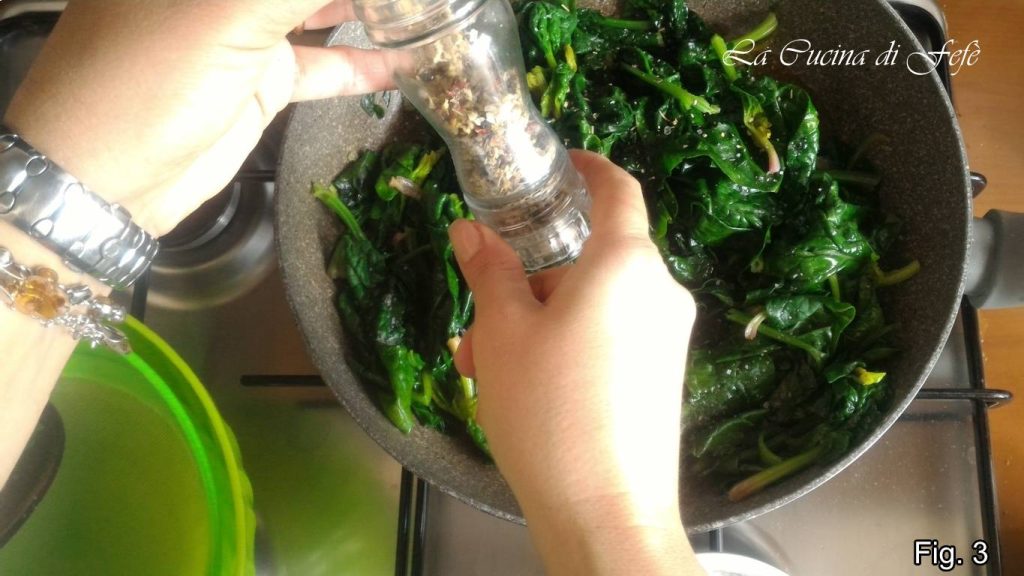
Once cooked, turn off the heat and season with salt and pepper.
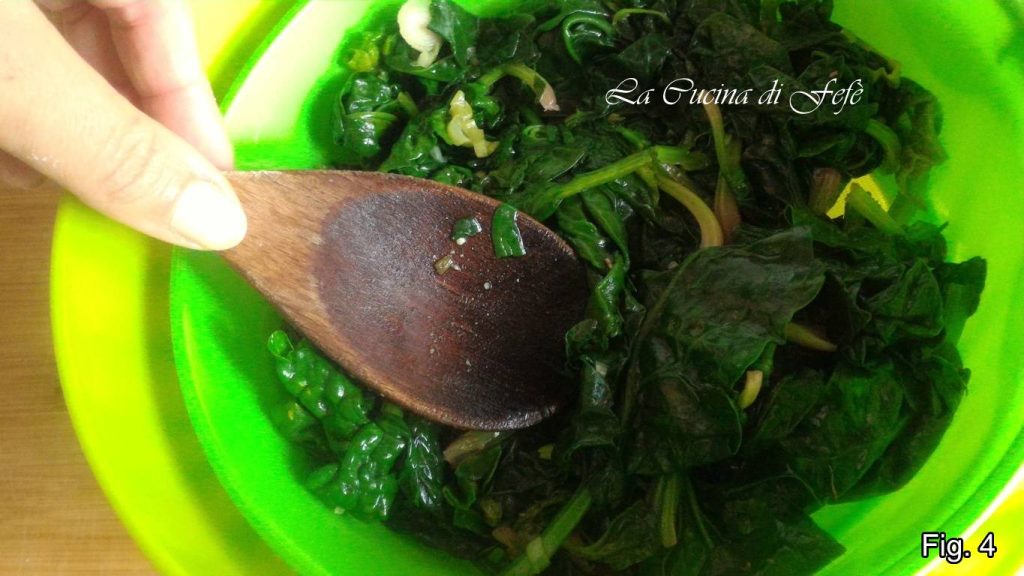
Transfer them to a sieve to drain well, and squeeze them using a ladle; I use my hands to be sure.
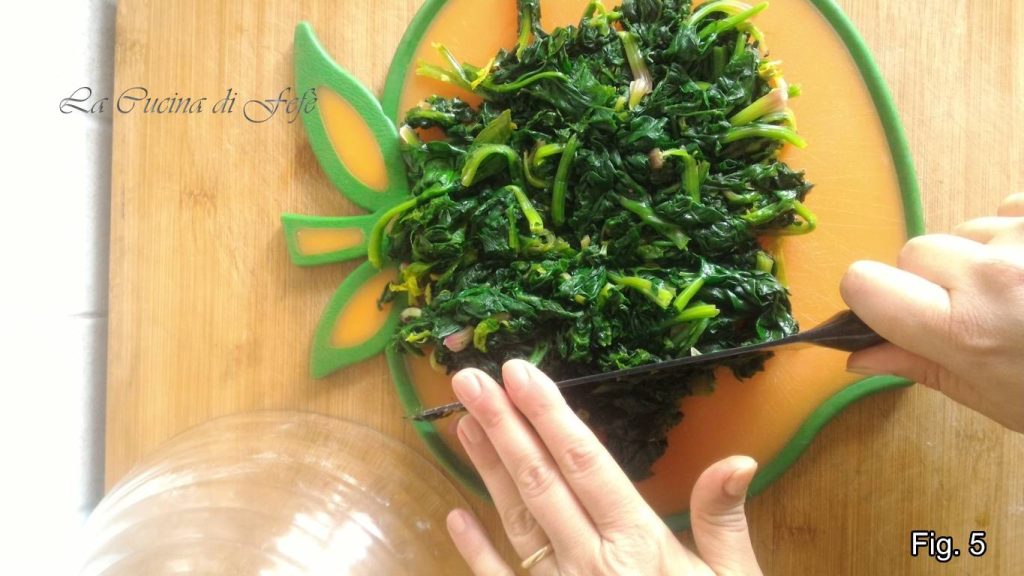
Then chop them finely with a knife.
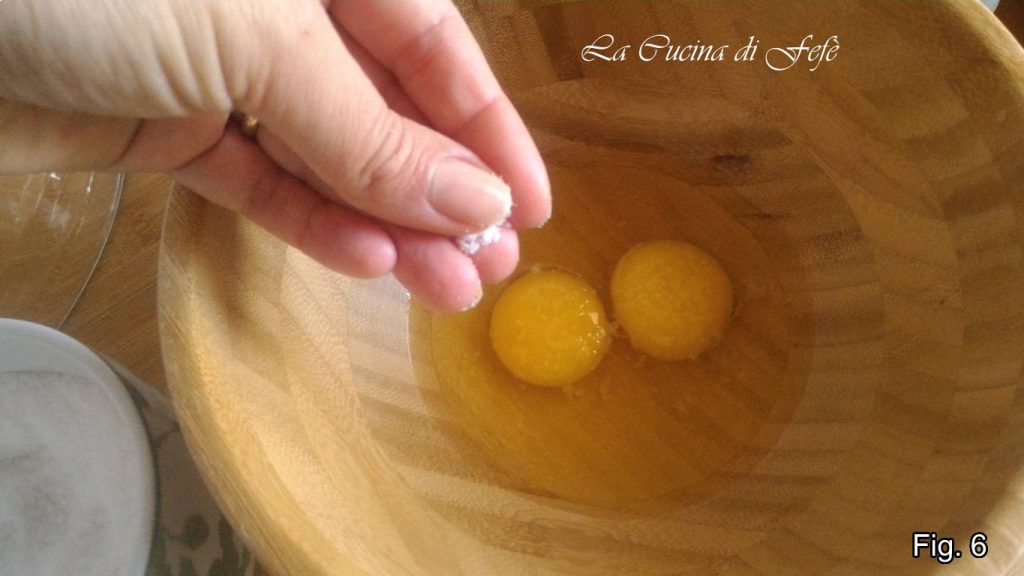
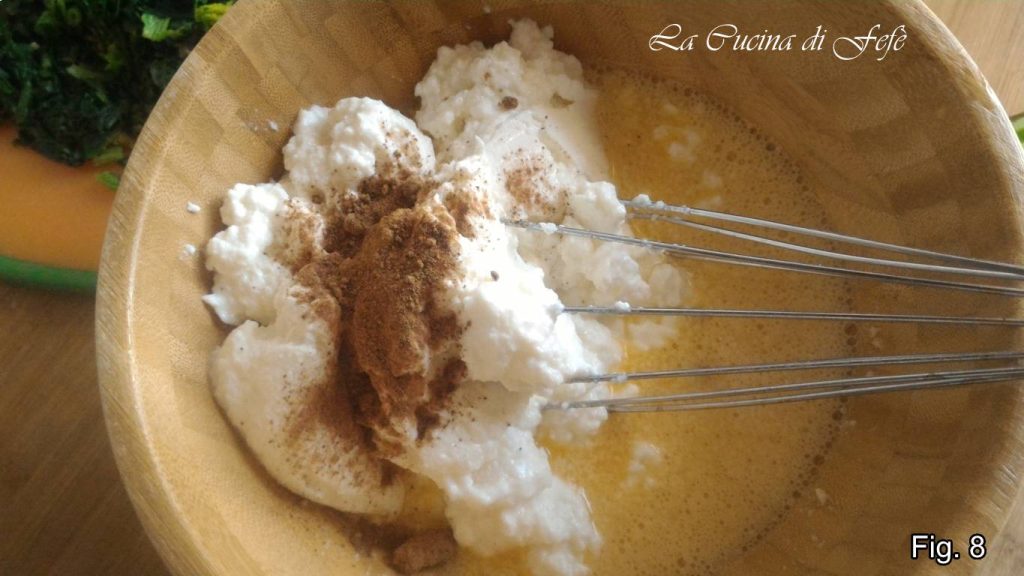
In a bowl, beat two eggs with a pinch of salt.
Add the grated Grana Padano as well and work with a hand whisk.
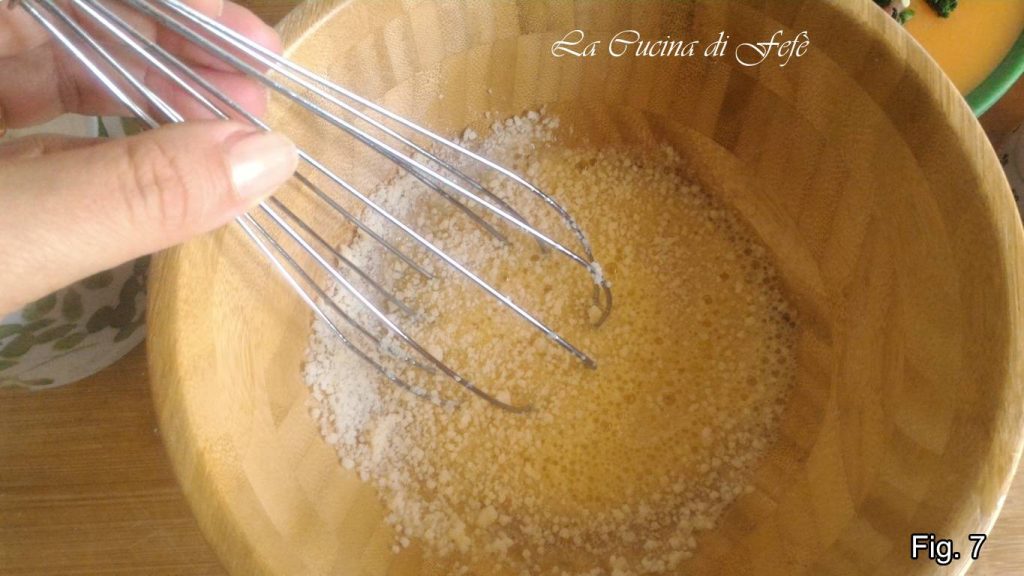
Also add the well-drained ricotta and the nutmeg, continuing to mix.
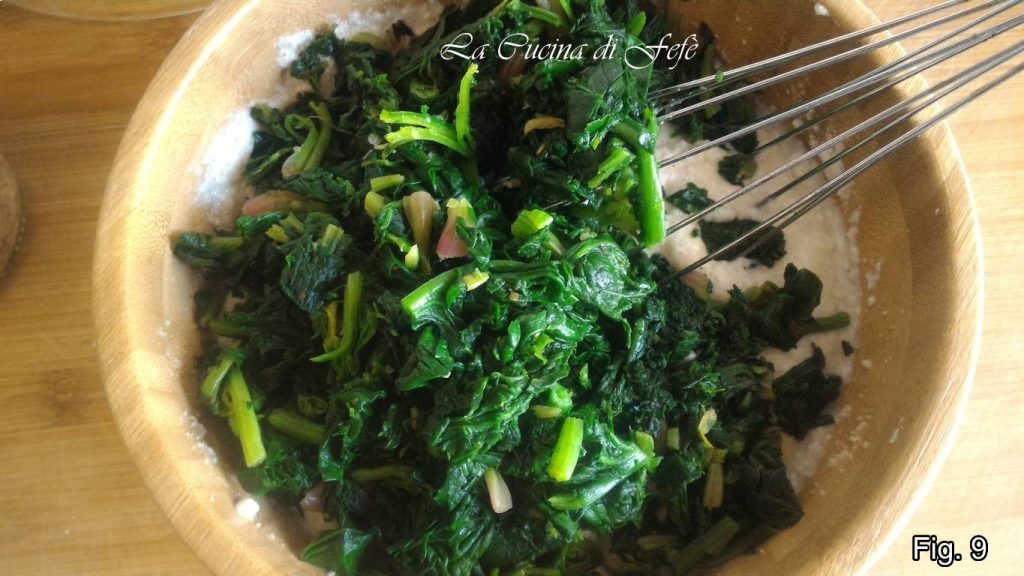
Fold in the chopped spinach and mix evenly.
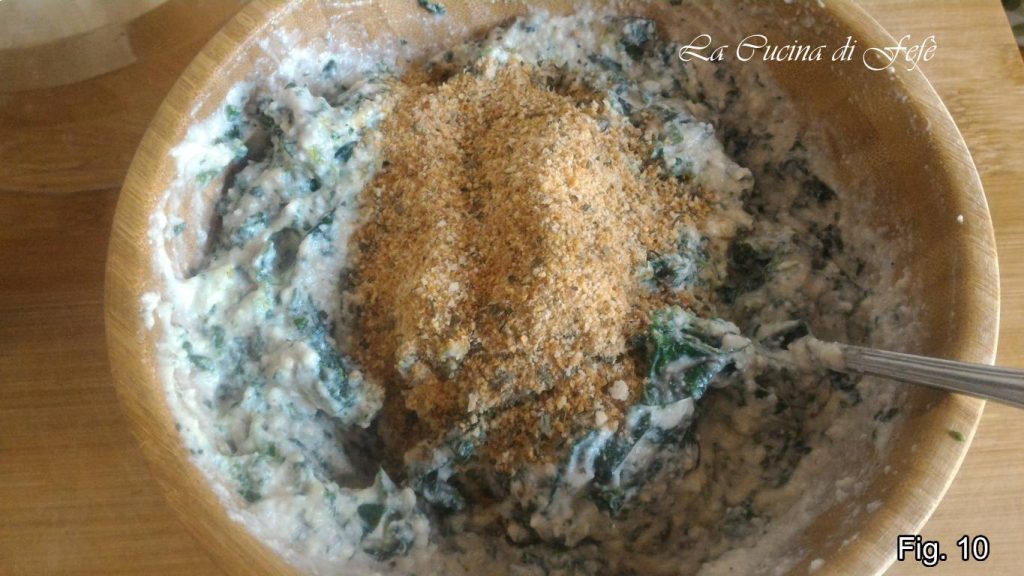
Finally, add 2 or 3 tablespoons of breadcrumbs to absorb excess moisture and set aside.
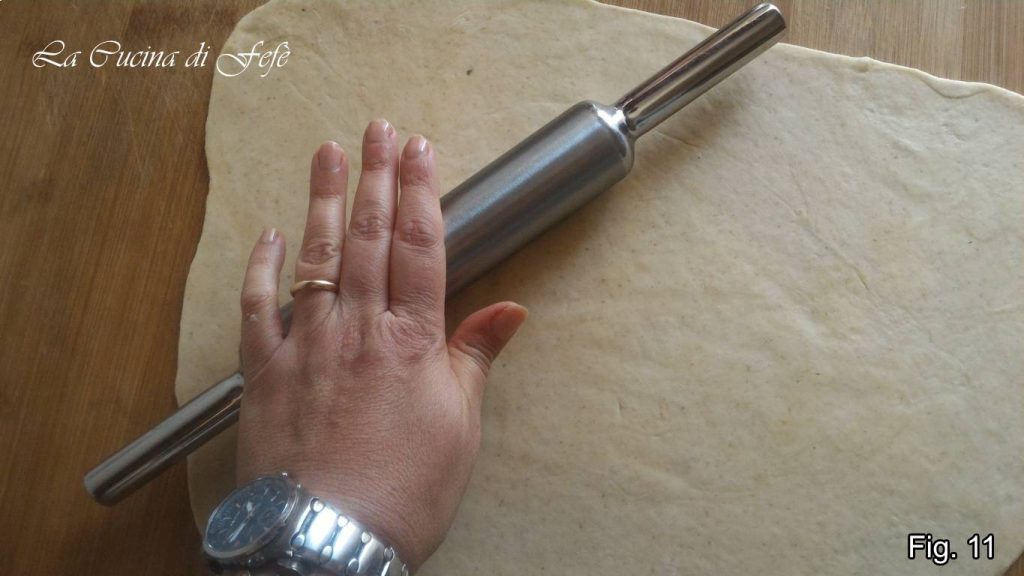
Meanwhile, on an unfloured work surface, roll out the shortcrust pastry into a thin disk with the help of a rolling pin.
Line a springform pan Ø 9.5 in with parchment paper and place the disk in it, sprinkling with a handful of breadcrumbs.
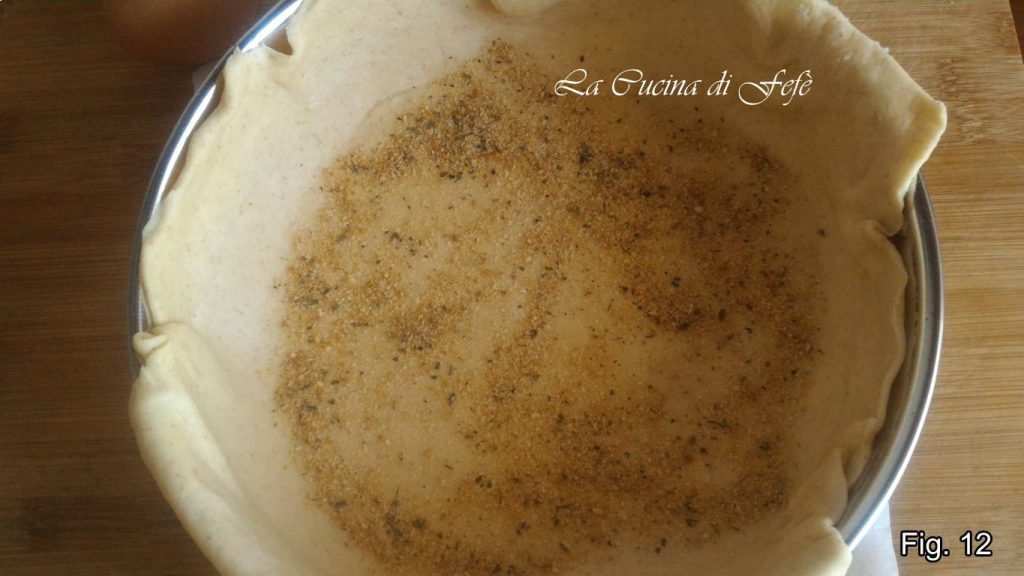
Spread the ricotta and spinach filling on top.
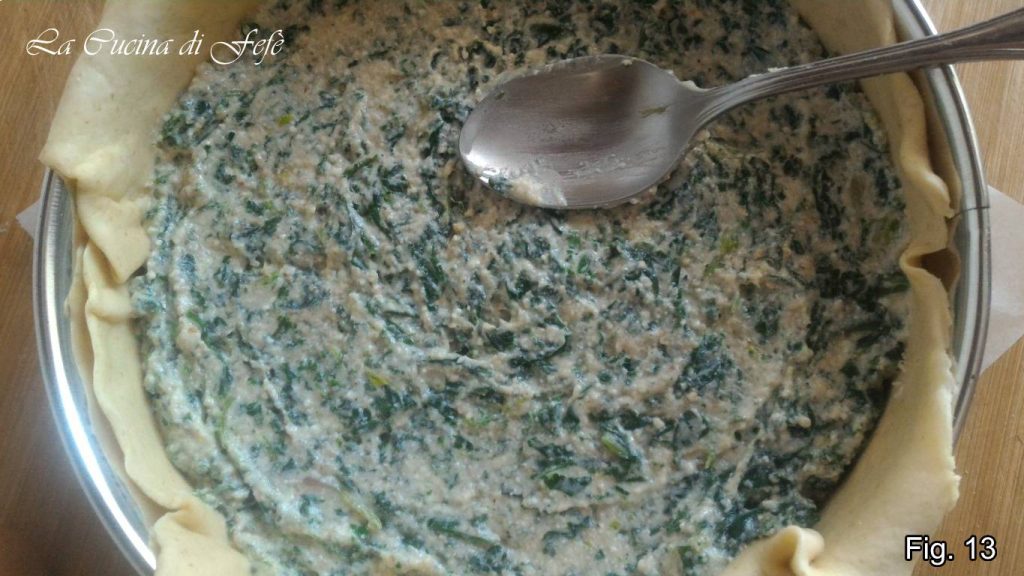
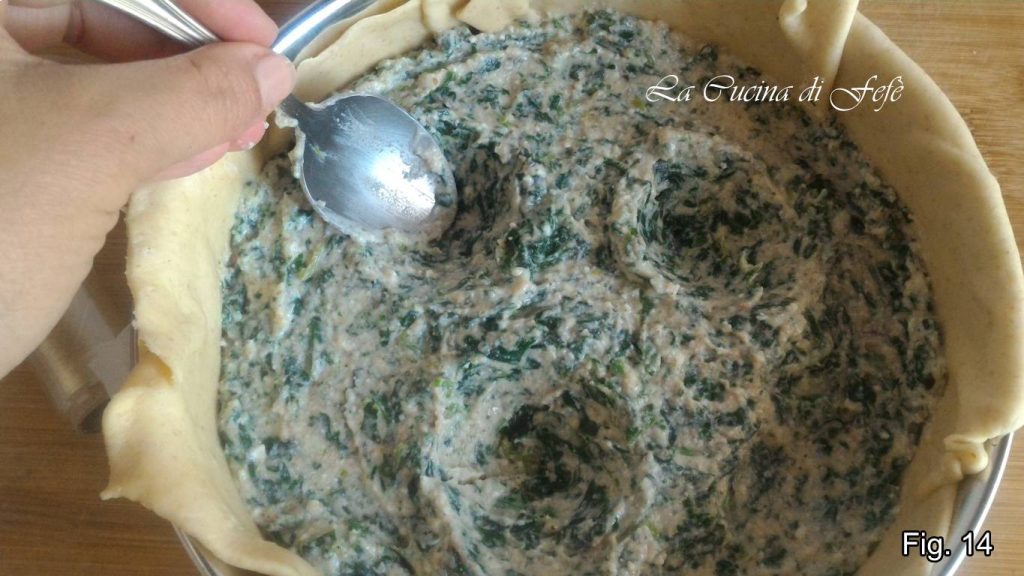
Create three hollows with the back of a spoon.
Into these hollows break the remaining whole eggs.
Cover with the ready-made puff pastry sheet and try to match the edges of the shortcrust with the puff pastry, sealing the edges as much as possible.
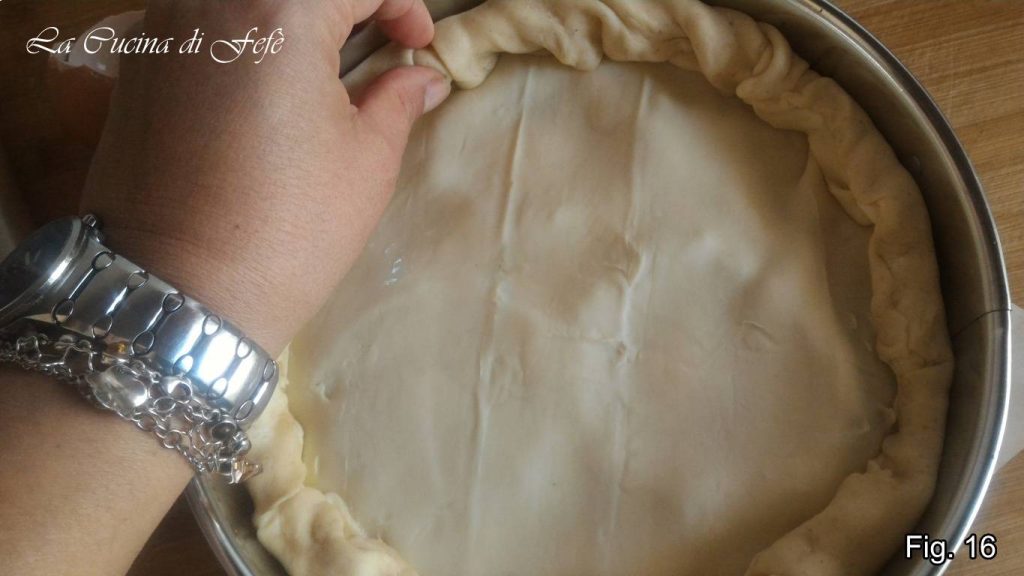
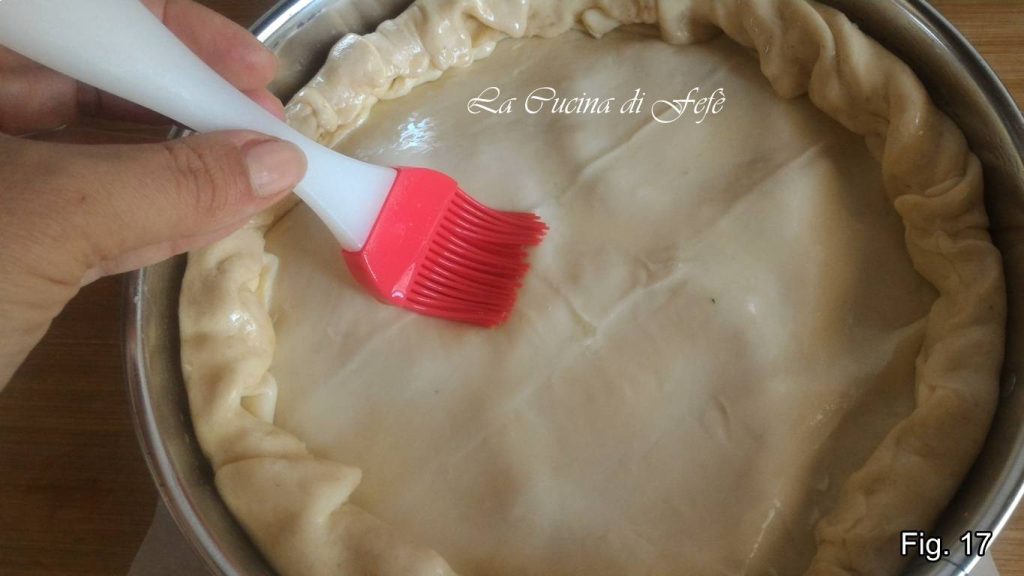
Brush the entire surface with slightly beaten egg white or with an egg yolk.
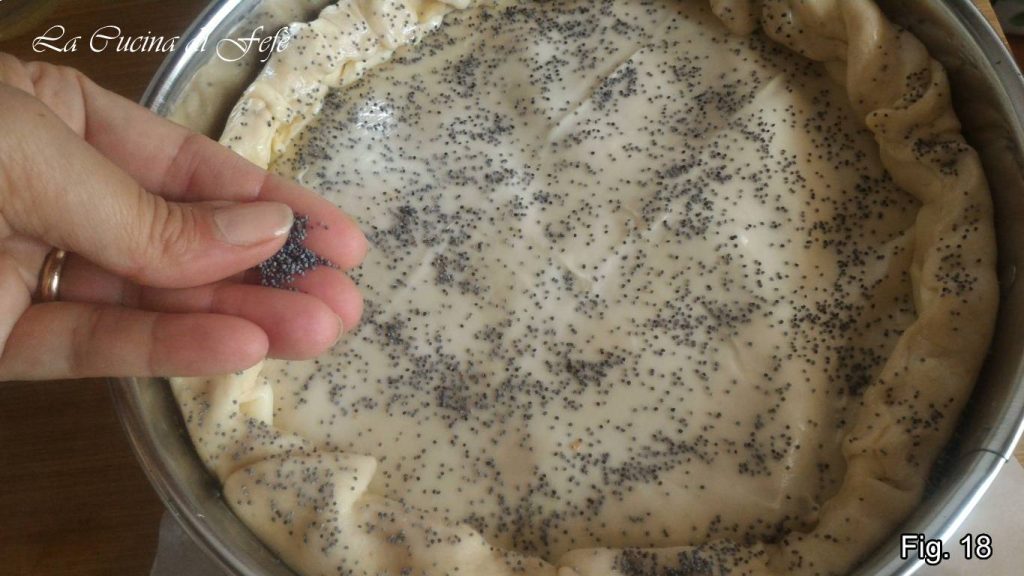
Garnish with a handful of poppy seeds and bake in a preheated static oven at 356°F for 45′-50′, or until fully golden.
Remove the pie from the oven and let it cool completely before slicing and serving.
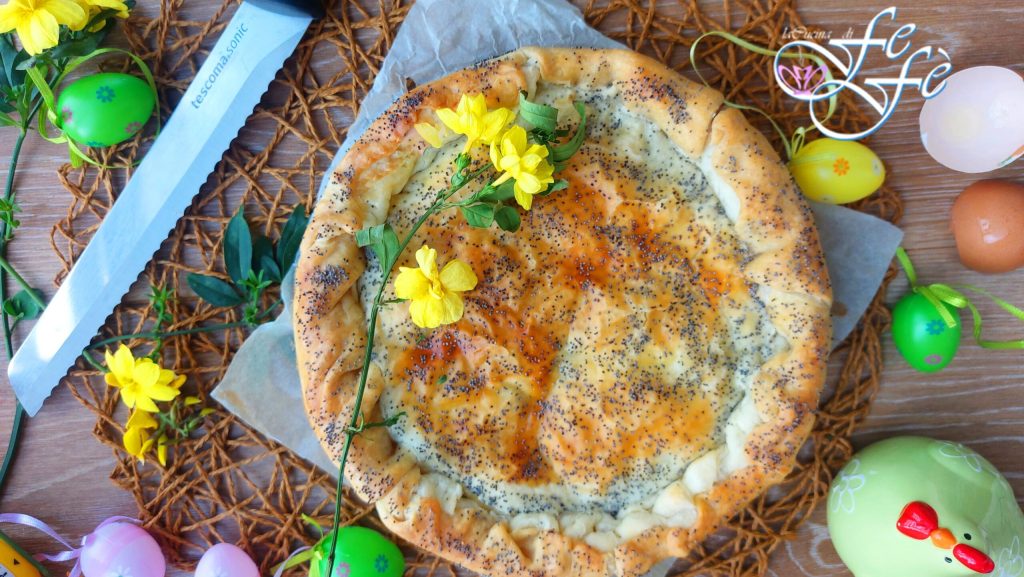
And there you have it… the Torta Pasqualina is ready to be enjoyed!
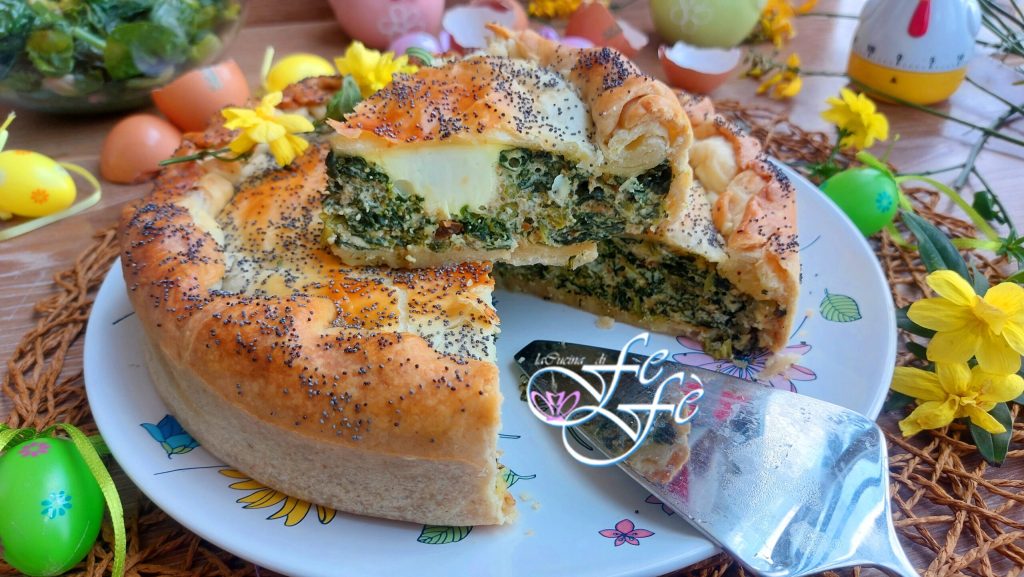
Enjoy! from La Cucina di FeFè!
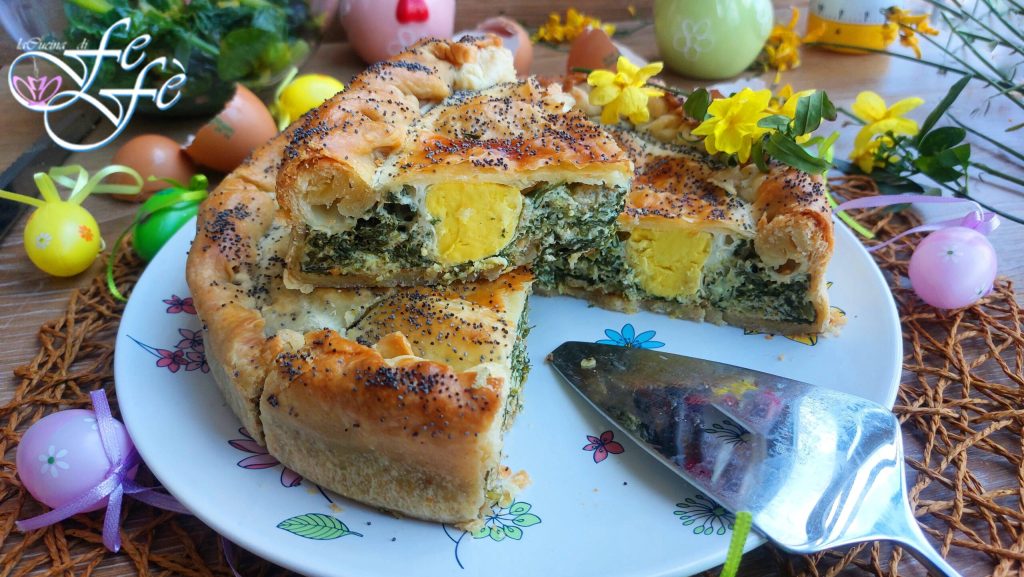
More shots…
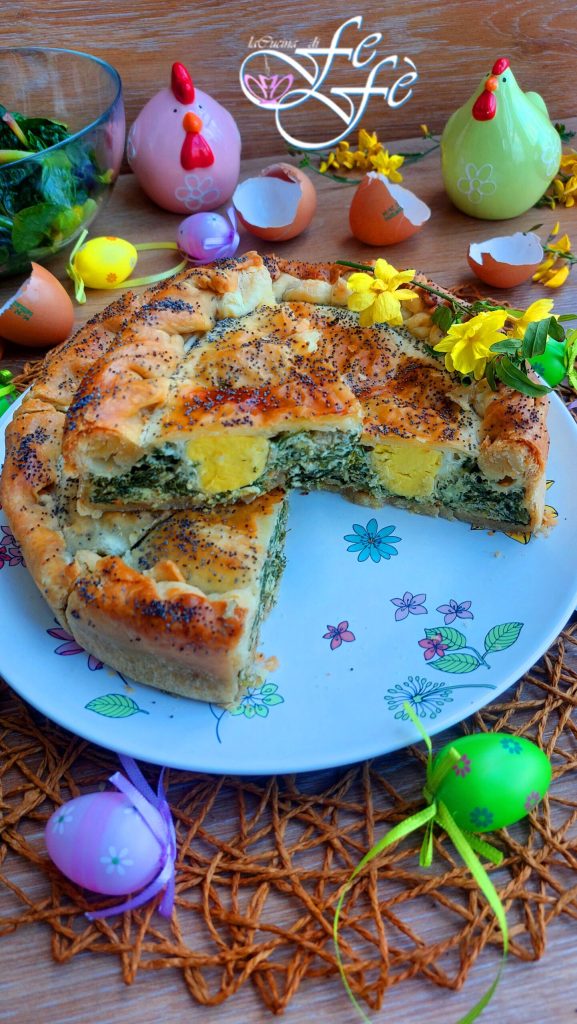
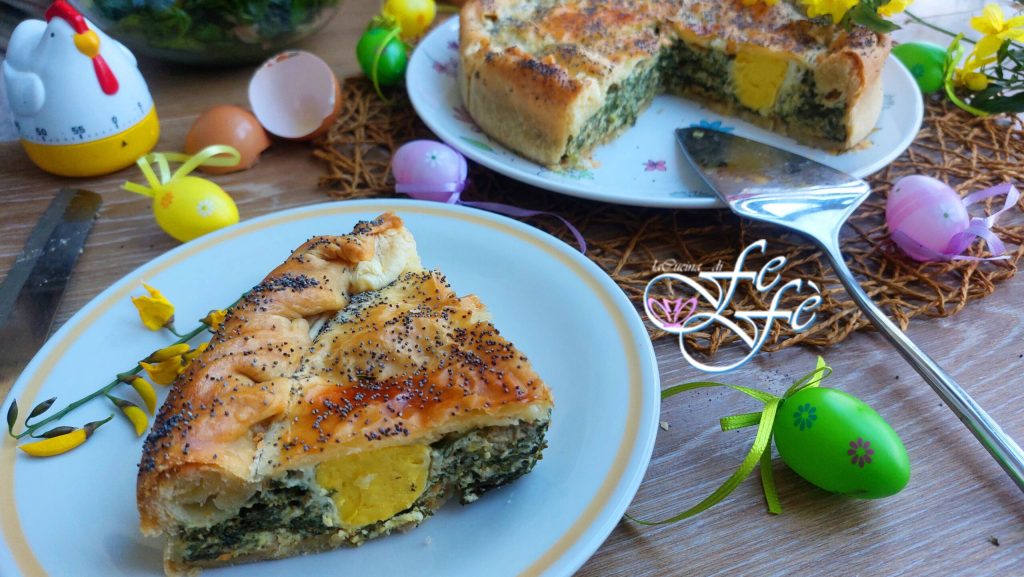
Storage
👉 Torta Pasqualina can be stored in the refrigerator, well covered, for about 3 days.
👉You can freeze it once baked and completely cooled, preferably already cut into slices so you only thaw the portions you need. Thaw slices in the refrigerator the evening before and reheat in the oven or microwave the next day. It will be delicious like the first day!
Tips, notes, variations and suggestions
🟣 Torta Pasqualina is traditionally prepared with spinach or Swiss chard, braised and then sautéed in a pan with a drizzle of oil and a garlic clove. A very popular and equally appreciated variation uses artichoke hearts for the filling!
FAQ (Questions and Answers)
1. Why use two different pastries (shortcrust and puff pastry)?
Using olive-oil shortcrust pastry for the base ensures a solid, crunchy structure that holds up well against the moisture of the filling. The puff pastry on top, instead, gives lightness and that typical flaky golden finish that makes the pie spectacular and inviting.
2. Can I use Swiss chard instead of spinach?
Absolutely yes! The Genoese tradition often calls for Swiss chard (leafy chard). Just remember to squeeze it very well after cooking to avoid releasing water that could make the pie base soggy.
