
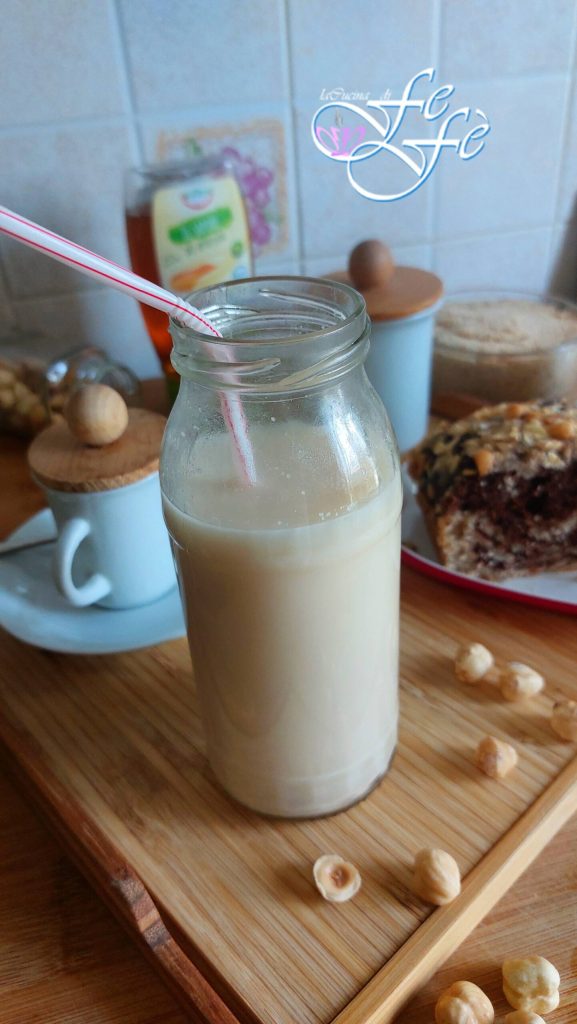
Hazelnut milk is perhaps one of the tastiest and healthiest plant-based drinks that exist! Unfortunately, when you are lucky enough to find it in stores, the prices of the cartons are not very affordable, and the percentage of hazelnuts used is really very low! Today I show you how this drink, like the oat-based one, can easily be prepared at home with undeniable benefits both economically and nutritionally! First of all, homemade hazelnut milk will be free of flavors and additives and will allow you not to add salt. It will also allow us to decide whether to use a sweetener or not, so it will have a decidedly more authentic taste. All this translates into a few simple words: you will be the one to purchase the raw materials and choose the percentages to add, not to mention the reduced environmental impact and time savings! Not least important, this drink is naturally lactose-free and gluten-free, contains no trace of cholesterol, and moreover, since it is free of animal origin ingredients, it can also be included in a vegetarian and vegan diet. Moreover, since hazelnuts are known to be a source of vitamin E and mono and polyunsaturated fatty acids, milk based on these fruits will bring many health benefits. Compared to other plant-based drinks, hazelnut milk has a less neutral taste; in fact, its nutty flavor is always much appreciated by both adults and children. At breakfast, it will be the perfect substitute for cow’s milk, especially if you have lactose intolerance, and you can use it for both sweet and savory recipes.
Source: https://www.viversano.net/alimentazione/mangiare-sano/latte-di-nocciole/
If you are interested in experimenting with other plant-based drinks, try also:
- Difficulty: Very Easy
- Cost: Cheap
- Rest time: 1 Day
- Preparation time: 5 Minutes
- Portions: 4 people
- Cuisine: Italian
- Seasonality: All Seasons
Ingredients
⚠ THIS RECIPE CONTAINS ONE OR MORE AFFILIATE LINKS. The products I recommend are the ones I use in my recipes; buying them through my blog helps support me and my work, while it won’t cost you anything extra!
- 4 cups water
- 5.3 oz toasted hazelnuts (unsalted)
- 1 tbsp agave syrup (or other sweetener as desired, optional)
- 3.4 cups water
- 7 oz hazelnuts
- 1 tbsp agave syrup
Tools
- 1 Bowl
- 1 Blender
- 1 Sieve
- 1 Spoon
- 1 Glass bottle
- 1 Funnel
Steps
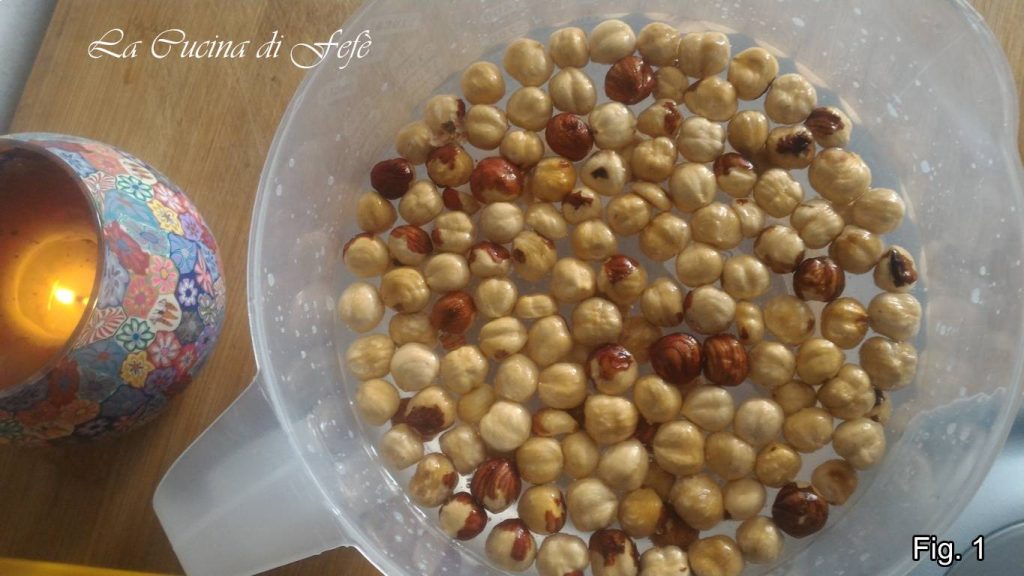
The day before, soak the hazelnuts in a large bowl*.
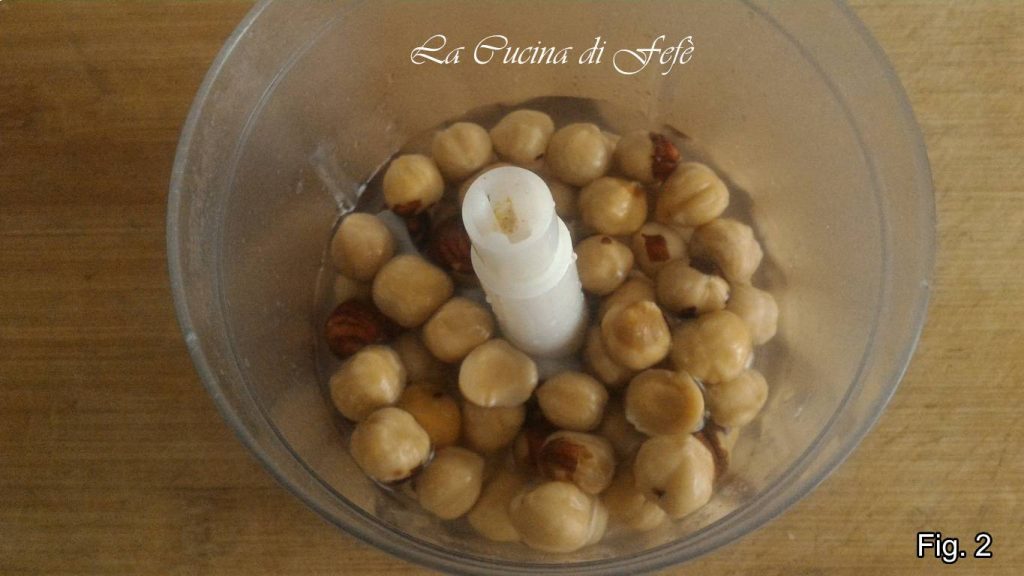
The next day, rinse them well and transfer them into the jug of a powerful blender or mixer with about two inches of water.
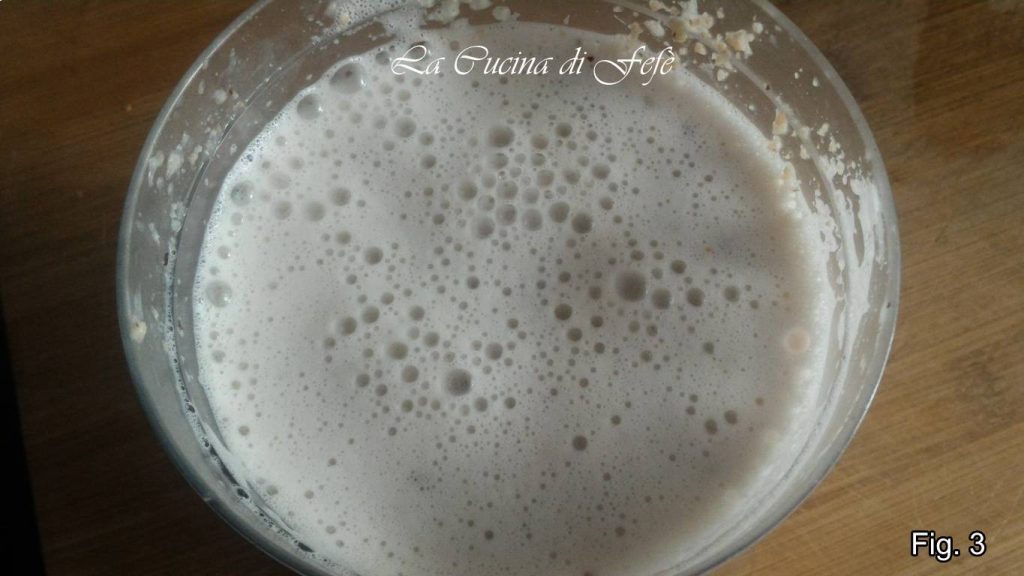
Blend for a few seconds then add the remaining water and continue blending until the consistency becomes homogeneous.
Pour the blender contents into a fine-mesh sieve or cover it with a sterilized cloth and strain the milk.
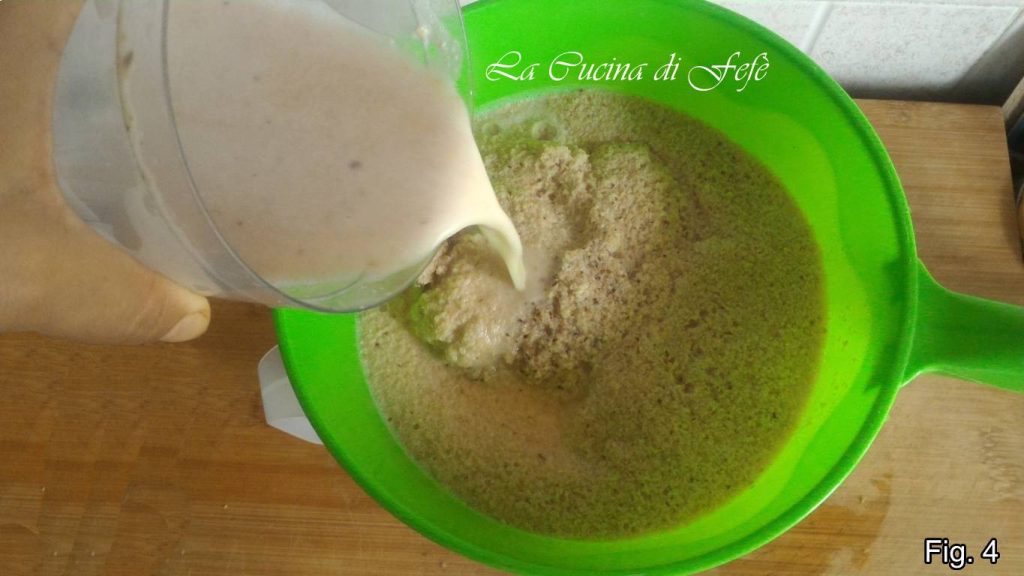
Press well with the back of a spoon to thoroughly strain all the remaining milk.
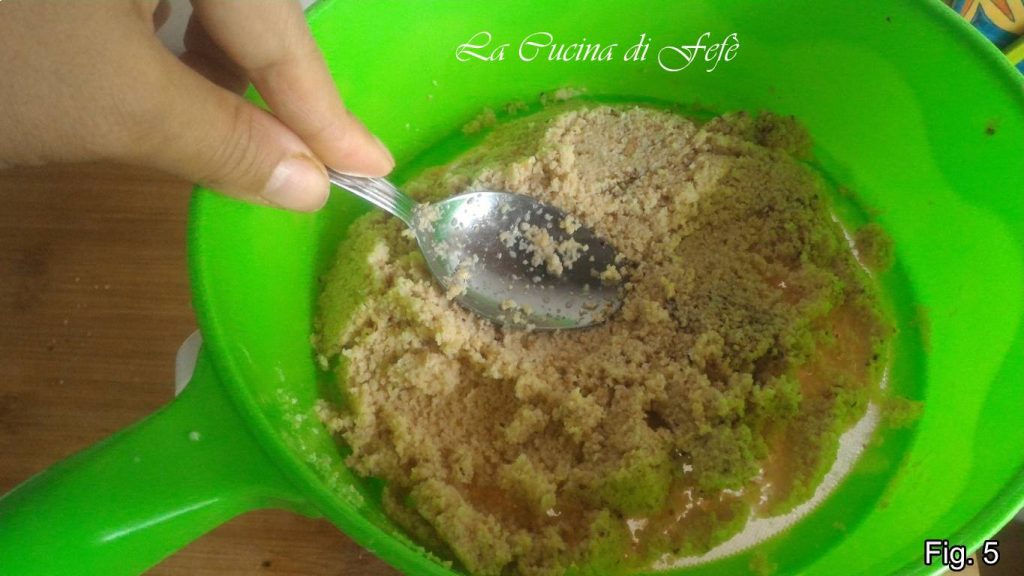
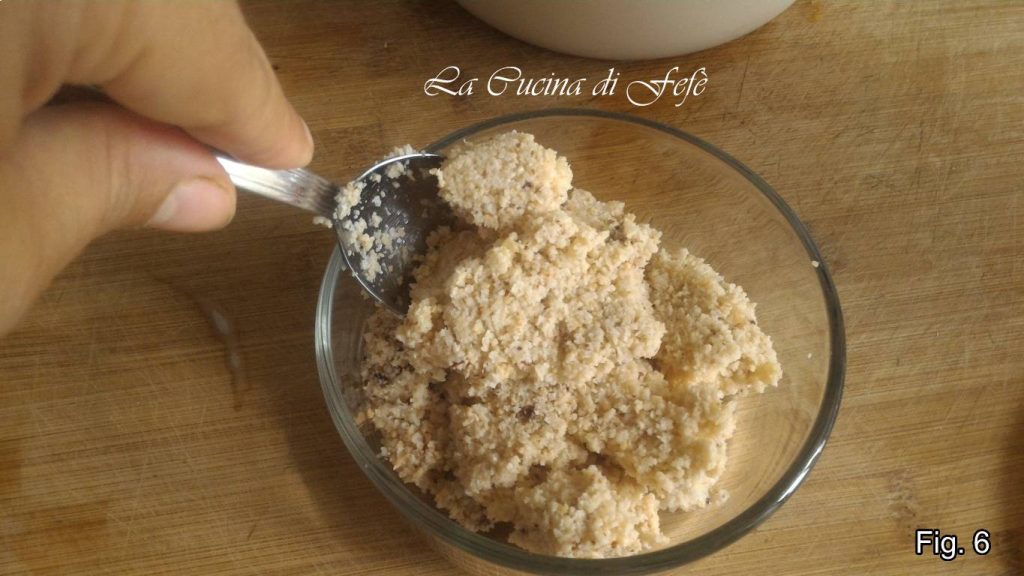
The leftover pulp (called okara), store it in the fridge in an airtight container as you can reuse it**.
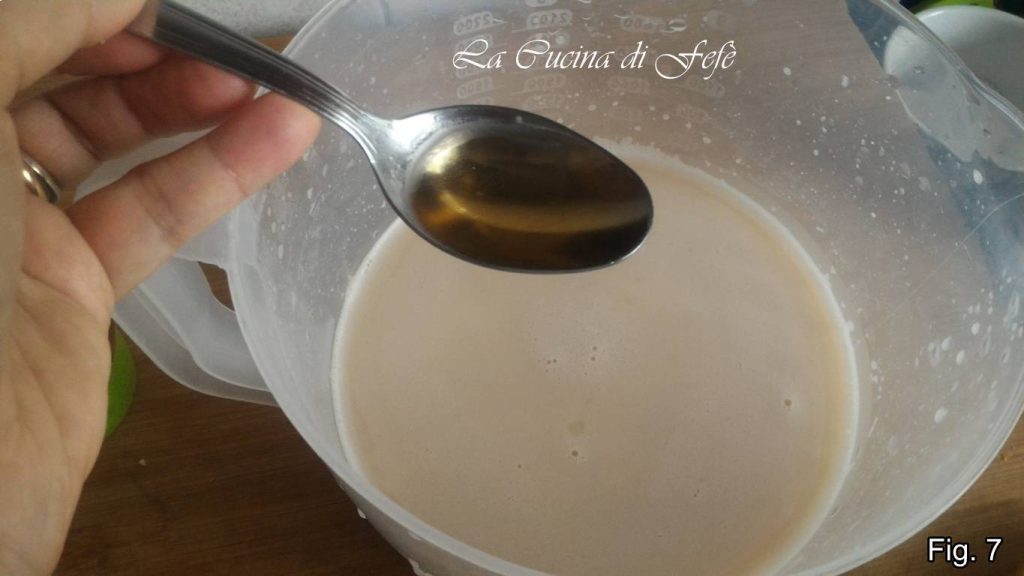
Sweeten with agave syrup or honey, malt, etc., if desired, but it is absolutely optional, and mix well.
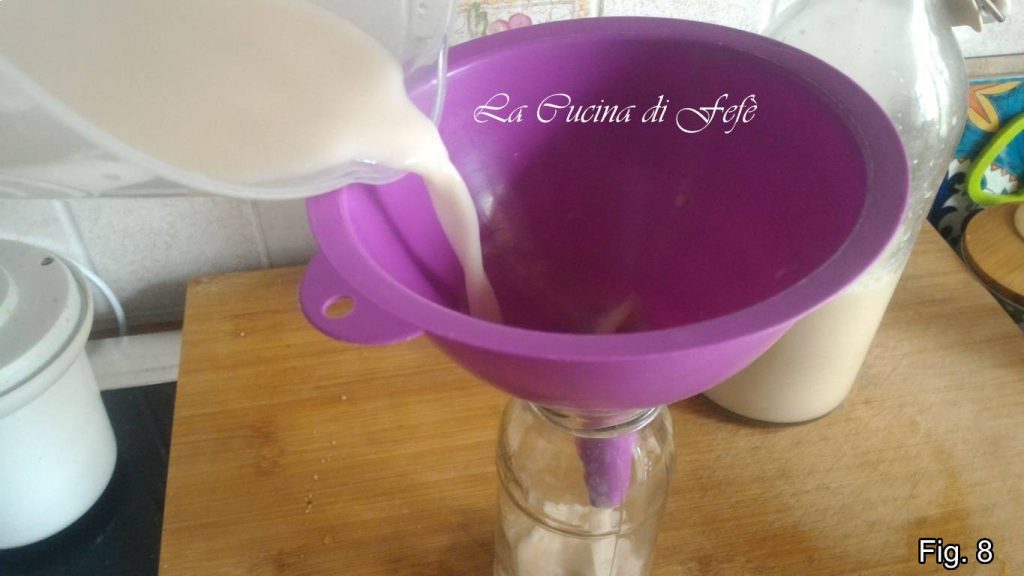
Pour the obtained hazelnut milk into a glass bottle using a funnel and store in the fridge.
Try it for breakfast with the vegan cocoa plum cake with oat and hazelnut milk pulp (okara)
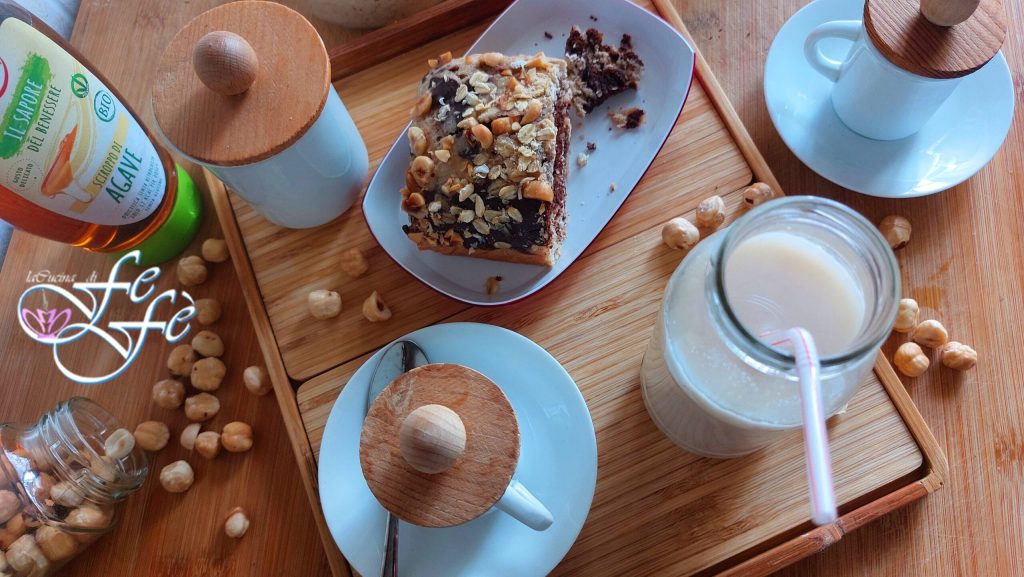
And voilà…the homemade hazelnut milk is ready to be enjoyed!
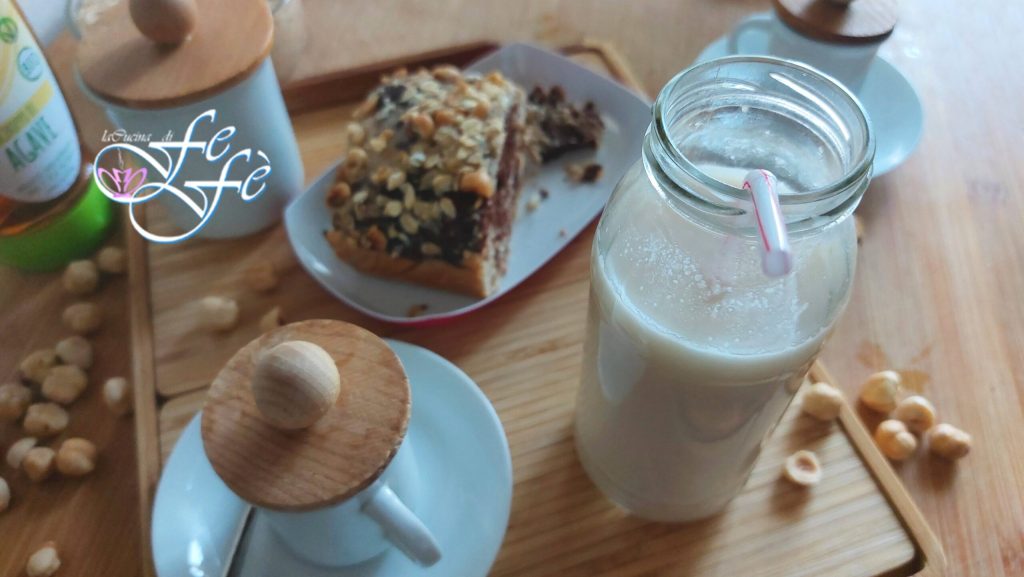
Bon Appetit from La Cucina di FeFè!
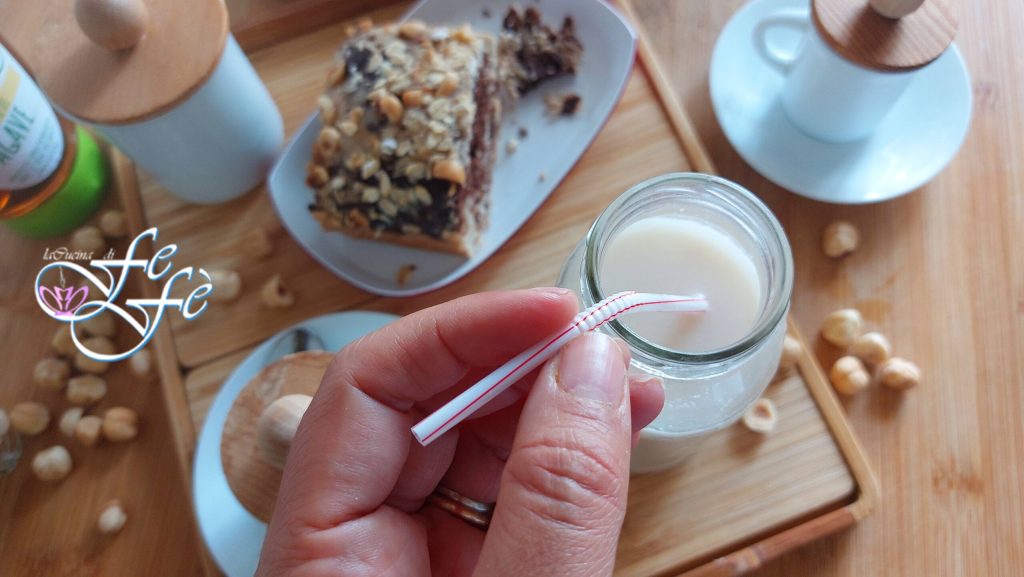
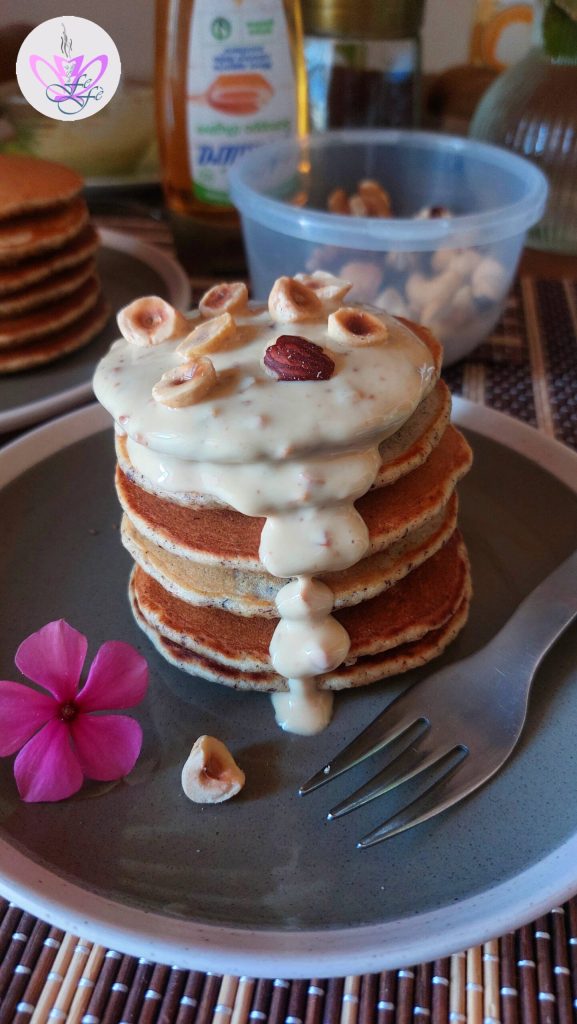
I also made these wonderful pancakes with the hazelnut milk; you won’t believe how good they are, you absolutely must try them!
Storage
👉 Store hazelnut milk in the fridge for 2-3 days, shaking well before each use.
Tips and Suggestions
🟣 * To speed up the process, you can skip the 24-hour soaking by heating water in a large pot to about 104°F, add the hazelnuts, then turn off the heat and let it rest for about 10 minutes. You’re ready to blend!
🟣** Okara, or the white and floury pulp remaining from the preparation of any plant-based milk, whether it’s soy, almond, rice, oat, or spelt, is a resource-rich in nutrients typical of Chinese, Japanese, and Korean culinary traditions since the 1600s. Nowadays, increasingly popular in vegan diets in many Western countries, it can be used as a base for preparing both sweet and savory recipes (raw recipes, energy bars, muesli, creams, and cookies). In savory preparations, hazelnut okara can be used for making soups, homemade bread, and sauces.
🟣If dried, it can be used on pasta or risotto or on desserts to garnish them instead of hazelnut crumbs. Thanks to its consistency, it can make soups more creamy, add softness to doughs, and work as a binder, so it can be used in desserts instead of eggs. For reference, consider that 60 g of okara corresponds to 1 egg.
🟣Hazelnut milk can generally be used by everyone, except those who are allergic or intolerant. Hazelnut milk may contain nickel, so it is preferable to limit its use. This plant-based beverage can be consumed during pregnancy, breastfeeding, and in case of thyroid problems. Hazelnut milk can also be used by diabetics provided it is a sugar-free product or homemade using sweeteners that do not raise blood sugar levels, like stevia or erythritol.
🟣Hazelnut milk can generally be used by everyone, except those who are allergic or intolerant. Hazelnut milk may contain nickel, so it is preferable to limit its use. This plant-based beverage can be consumed during pregnancy, breastfeeding, and in case of thyroid problems. Hazelnut milk can also be used by diabetics provided it is a sugar-free product or homemade using sweeteners that do not raise blood sugar levels, like stevia or erythritol.
