
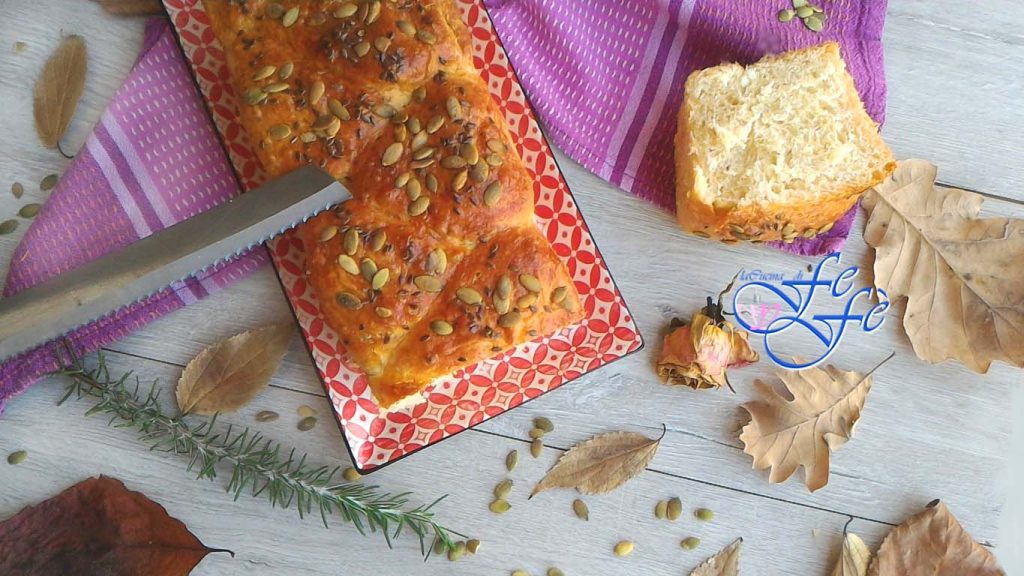
These days, I was quite keen on the idea of creating a neutral leavened dough to use both in the morning for breakfast with jams, and as simple bread in the evening for the classic and proverbial scarpetta!!! However, I needed to use up some feta that was nearing its expiration, so I thought why not combine the useful with the pleasant and create a perfect combination of the two? And here is my Greek feta brioche bread, super soft, believe me, even days later, without needing to reheat it! Obviously without butter, oil, cream, or sugar, except for the one to activate the yeast! Its saltiness comes solely from the cheese inside! Its flavor, as already mentioned, is quite neutral, so it goes with anything you want, from sweet to savory! It will be perfect sliced as part of an appetizer with cured meats and cheeses, but it does not disdain jams and even spreadable creams! The touch of pumpkin and flax seeds on the surface gives the outer crust a more rustic and crunchy flavor, while inside you’ll discover a soft crumb like a cloud. There are many versions, but I offer you mine, always with an eye on health, but I guarantee it won’t leave you disappointed!
Here you will find other ideas for both sweet and savory brioche breads:
- Rest time: 20 Hours
- Preparation time: 25 Minutes
- Cooking time: 35 Minutes
- Portions: 30 cm pan
- Cuisine: Italian
Ingredients
⚠ THIS RECIPE CONTAINS ONE OR MORE AFFILIATE LINKS. The products I recommend are the same ones I use in my recipes; purchasing them through my blog helps support me and my work, while costing you nothing extra!
- 2 3/4 cups Manitoba flour
- 4.5 oz feta
- 1/2 cup plant-based milk (+ 2 tsp for brushing)
- 2 eggs
- 1 egg yolk
- 1 tsp sugar
- 2 tsp salt
- 1 tbsp fresh yeast
- to taste mixed seeds (pumpkin, flax, and sunflower)
Tools
- 1 Stand Mixer
- 1 Dough Scraper
- 1 Bowl
- 1 Plastic Wrap
- 1 Mold
- 1 Brush
Preparation
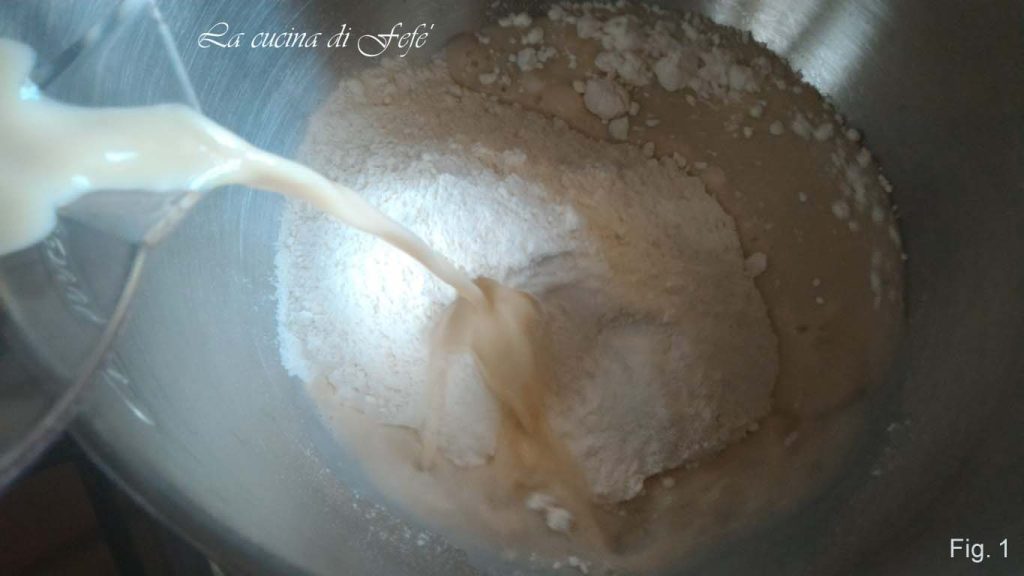
Activate the fresh yeast in a little warm milk with the sugar. In the bowl of the stand mixer, pour the flour and gradually add the warmed plant-based milk with the yeast (fig. 1).
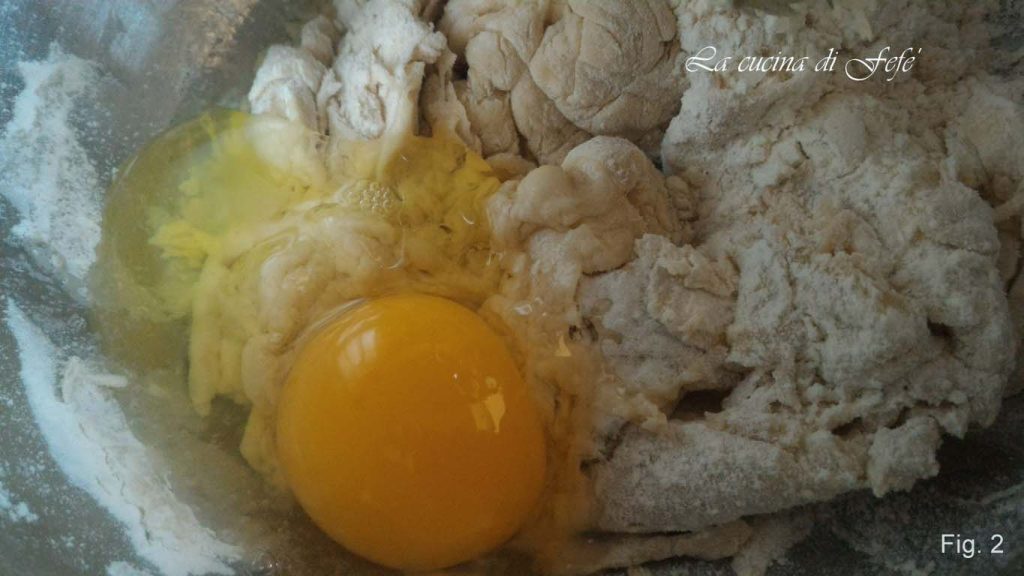
Start the mixer at low speed with the paddle attachment. Then incorporate the eggs, one at a time (fig. 2).
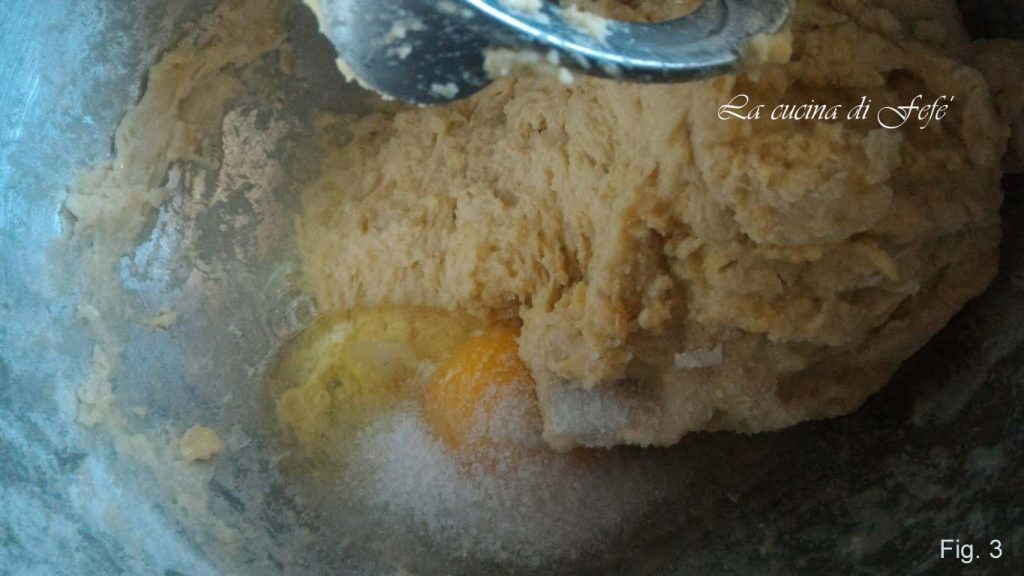
After the first egg is absorbed into the dough, incorporate the next, then add the salt (fig. 3).
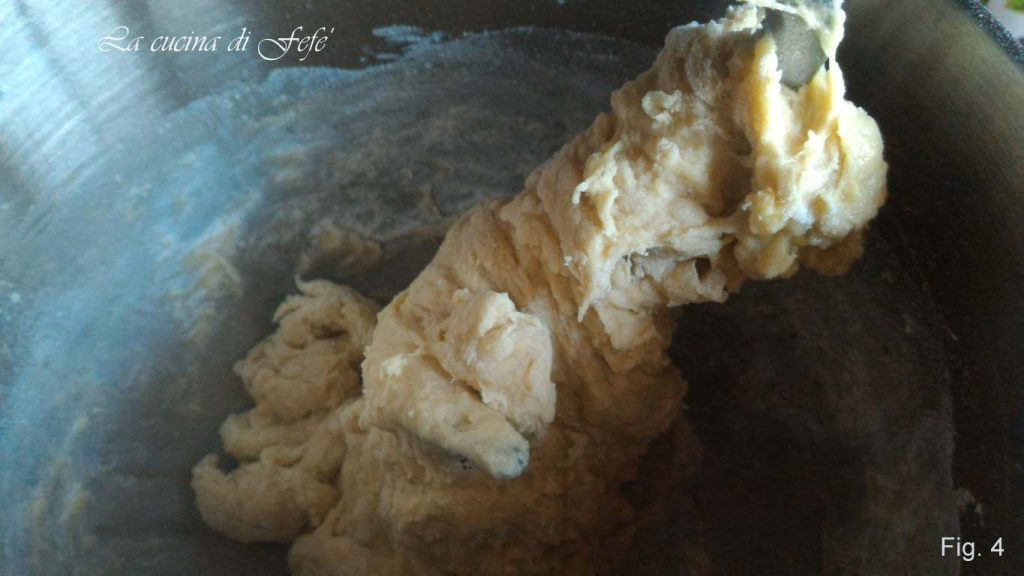
Replace the paddle with the dough hook and work until the dough is slightly elastic (fig. 4).
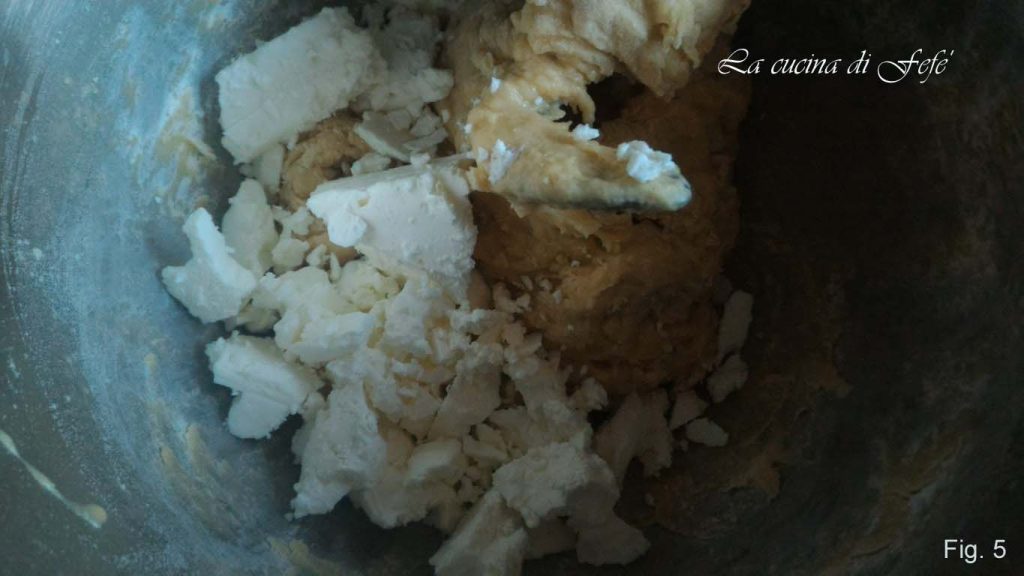
Then add the well-crumbled feta. For this purpose, I recommend blending it coarsely before incorporating it and assisting with a scraper to detach it from the sides of the bowl (fig. 5).
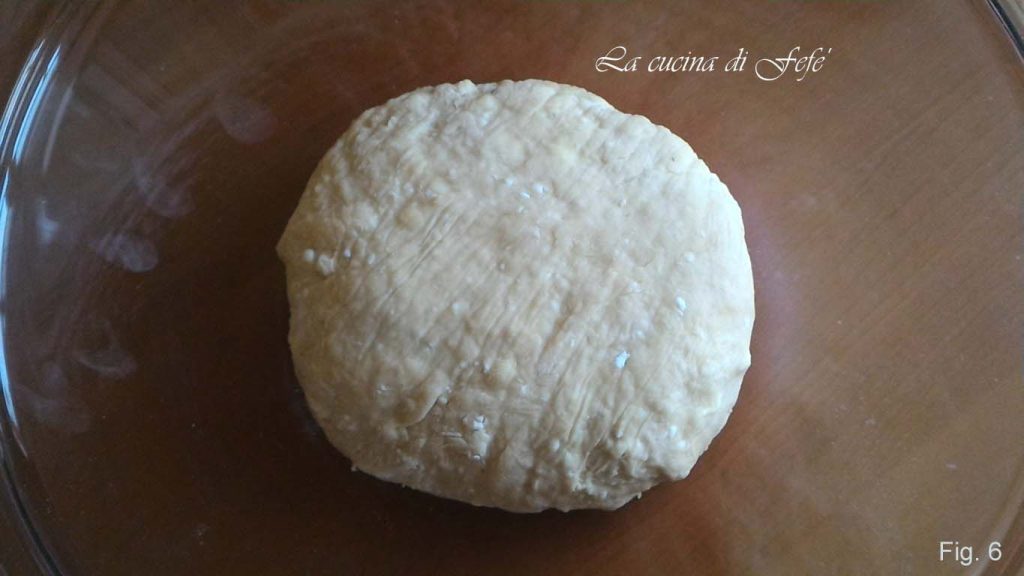
Continue kneading at medium speed until the dough is well wrapped around the hook, then take the dough, form a dough ball and place it in a bowl (fig. 6).
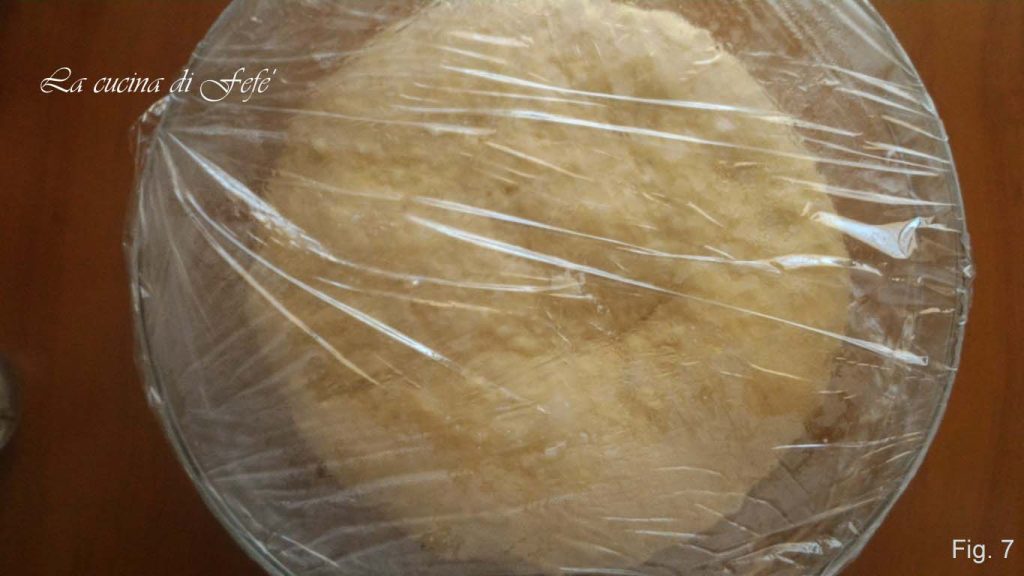
Let it rise covered with plastic wrap for 3 hours or until its volume doubles, inside the turned-off oven with the light on (fig. 7).
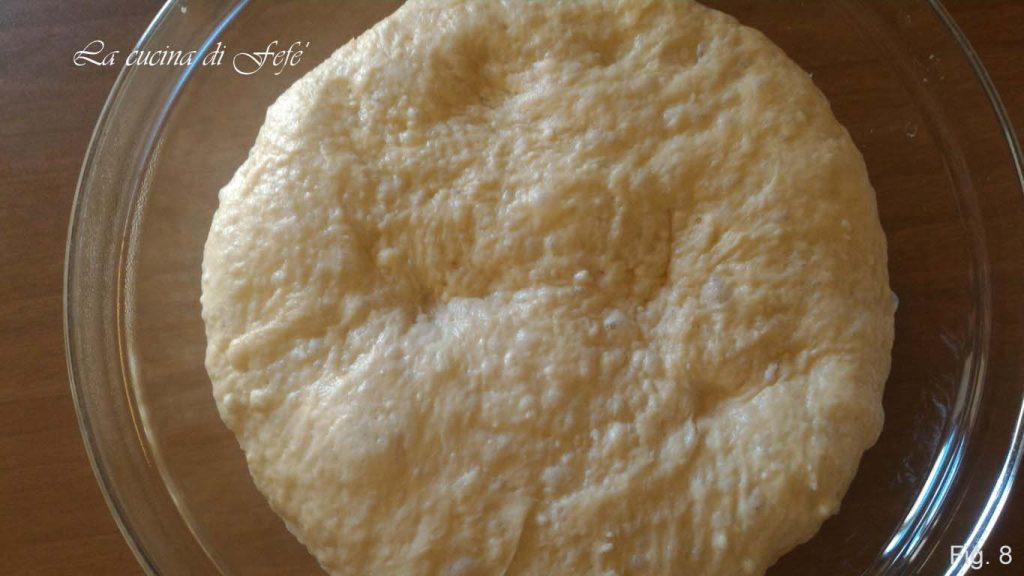
Then place it in the fridge covered throughout the night (fig. 8).
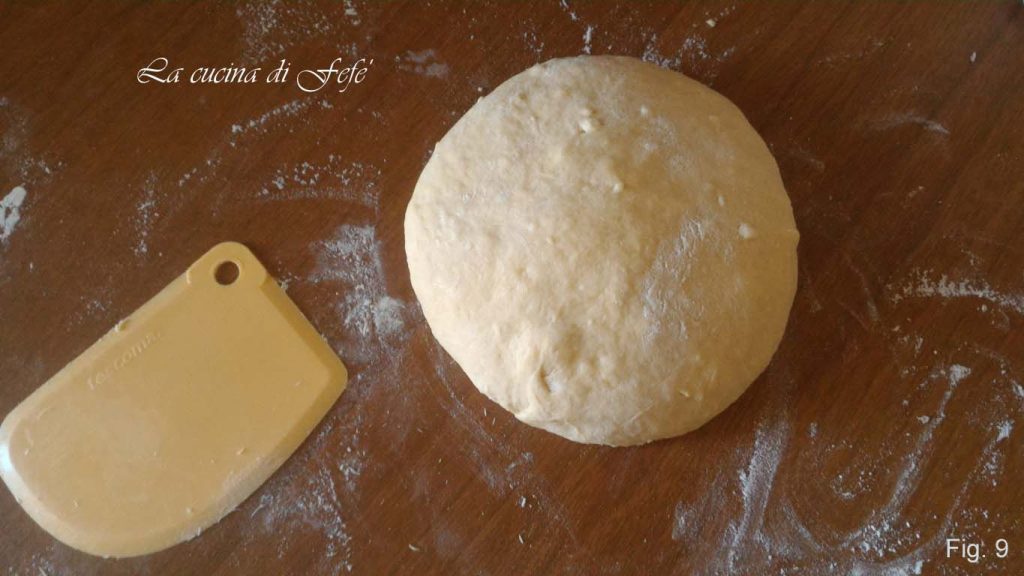
The next day, take the dough out of the fridge and let it acclimate to room temperature for 2/3 hours. At this point, perform the four folds and form into a round dough ball (fig. 9).
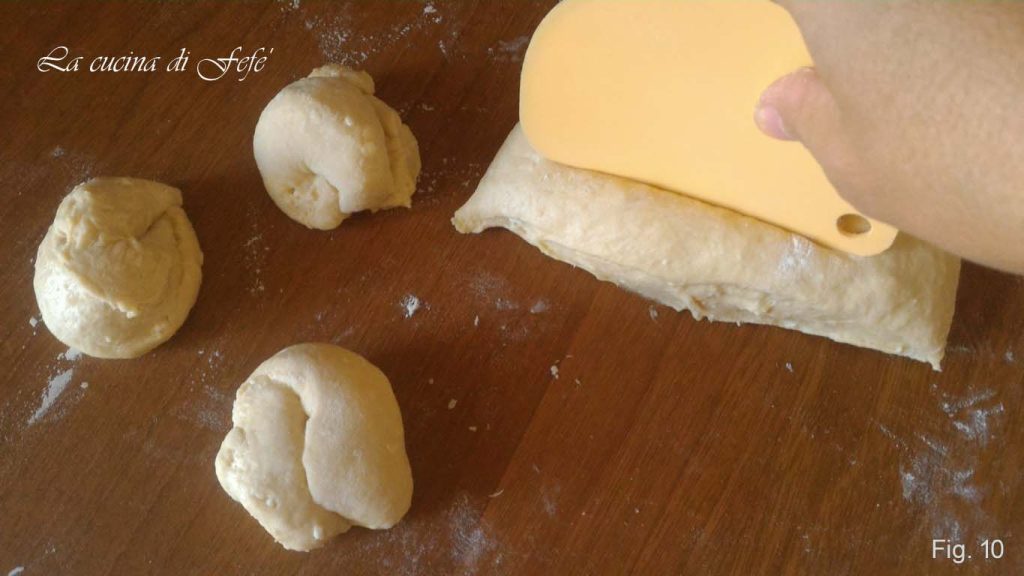
Divide it into 7 equal pieces of the same size and weight, about 100 grams each (fig. 10).
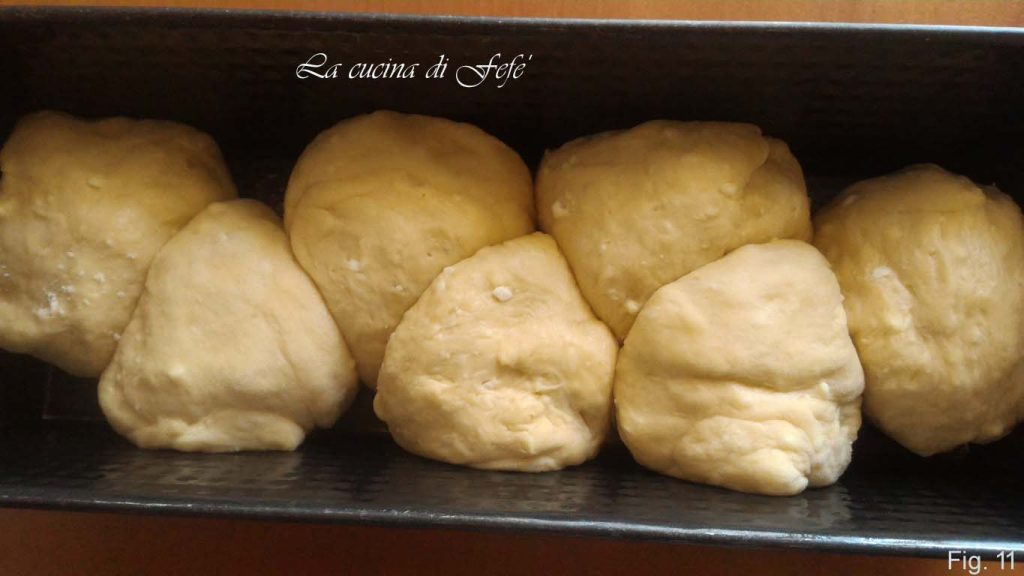
Grease a loaf pan and place your previously shaped dough balls inside asymmetrically (fig. 11).
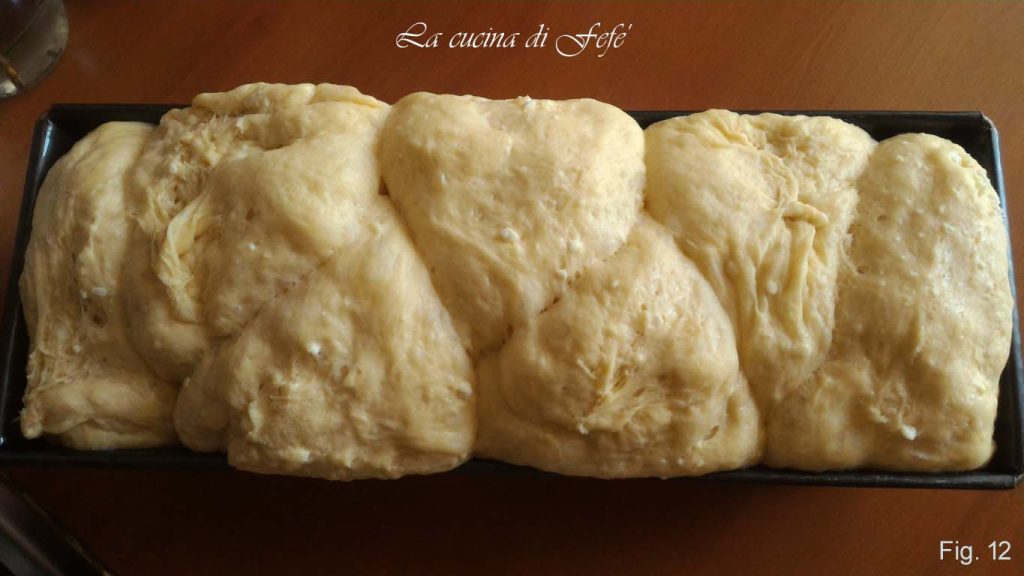
Cover with plastic wrap and let rise again in the turned-off oven for another 2-3 hours or until it reaches the edges of the mold* (fig. 12).
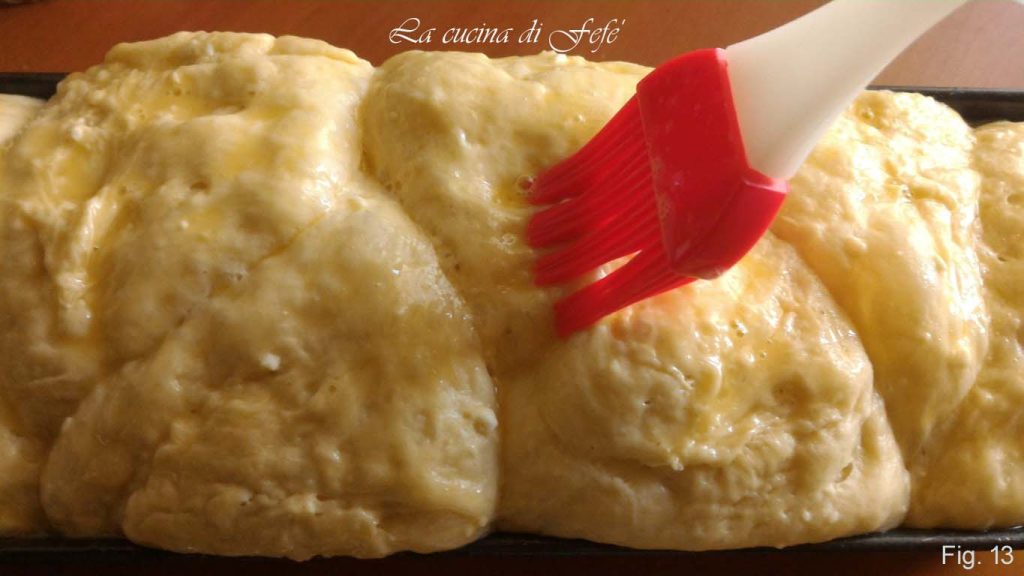
Then brush the surface with a beaten egg yolk mixed with 2 tsp of milk (fig. 13).
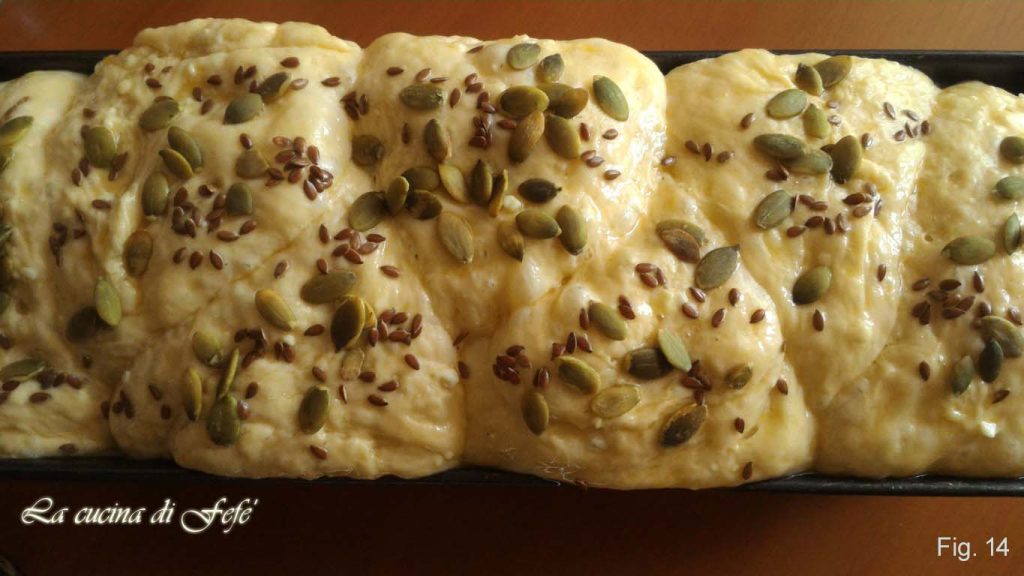
Garnish the surface with pumpkin and flax seeds to taste, and bake in a preheated oven at 350°F for 30/35 minutes, checking the cooking with a toothpick (fig. 14).
Remove from the oven and let it cool completely.
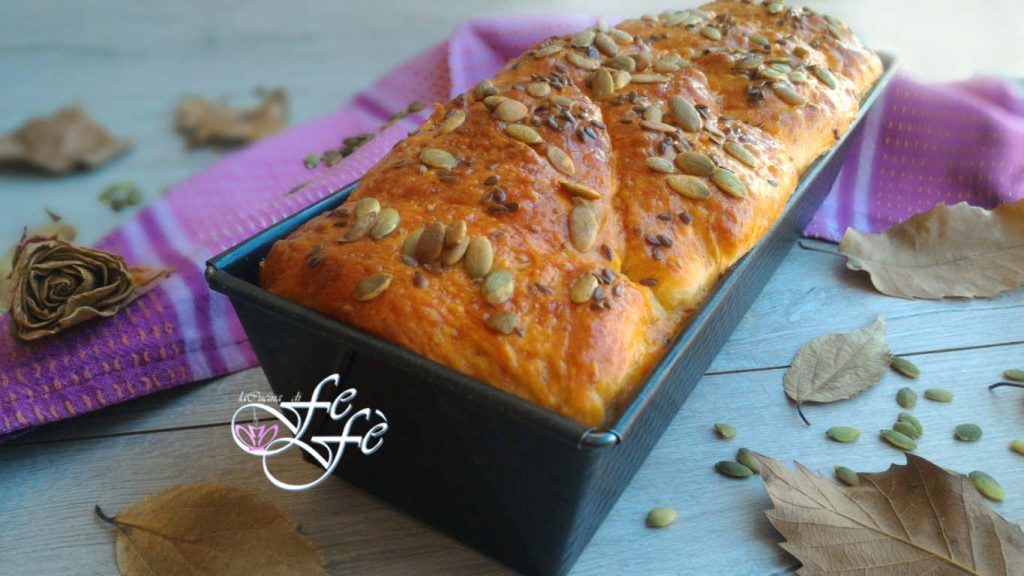
Once cooled, you can remove it from the mold.
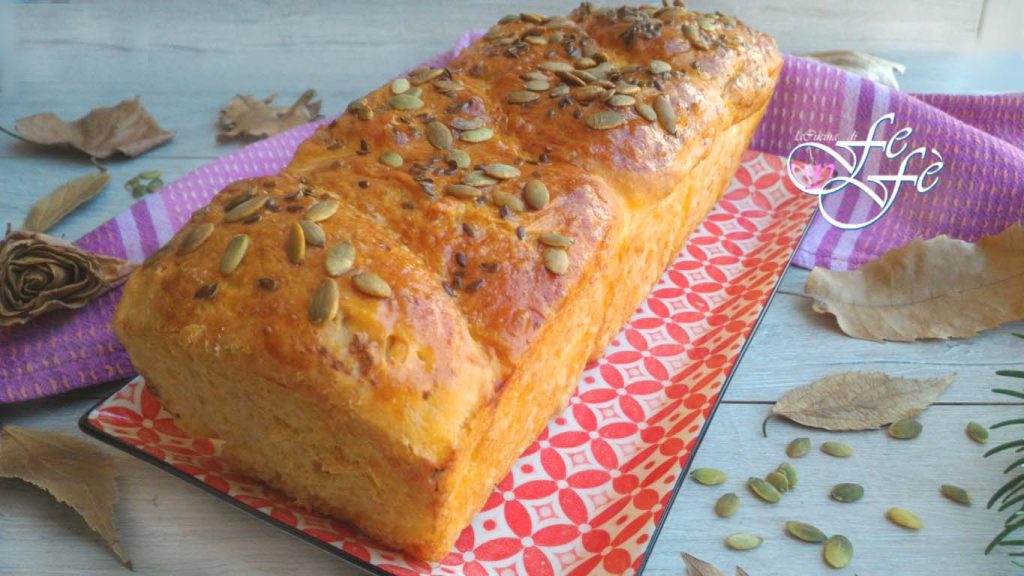
And voilà… the Greek feta brioche bread is ready to be enjoyed!
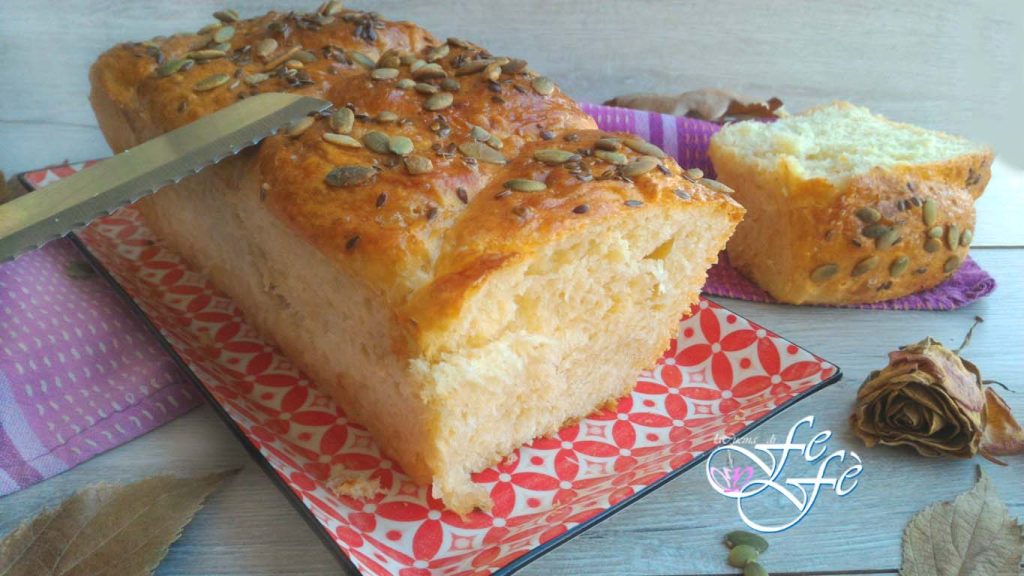
Bon Appétit from La Cucina di FeFè!
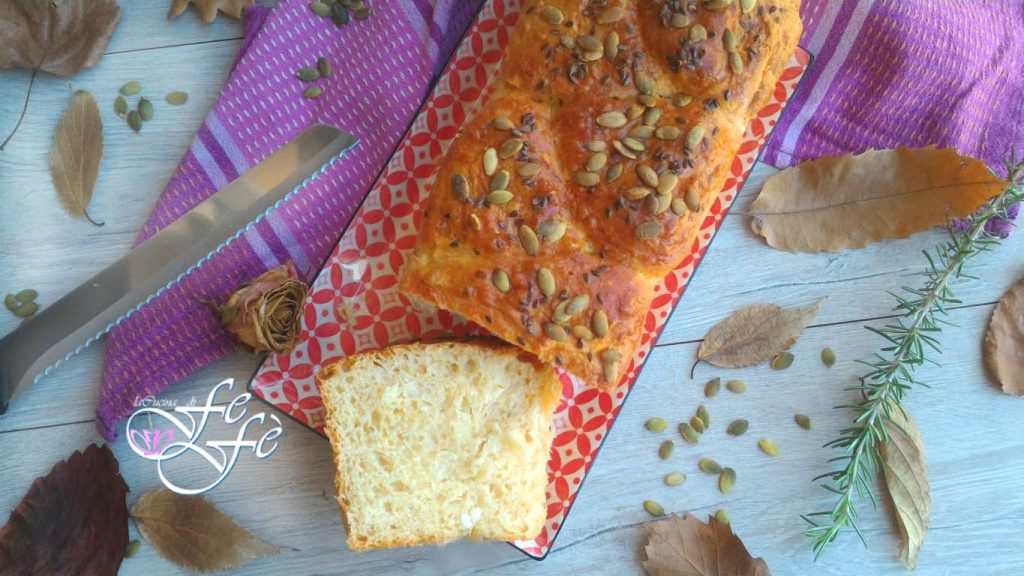
Storage
👉 You can store the feta brioche bread at room temperature under a glass dome or in an airtight container for up to 24 hours. Otherwise, I recommend keeping it in the fridge, always sealed in a suitable food bag, and consuming it within 2 days.
Tips
🟣* Do not rush the last rising, I insist! Until the dough reaches the edges of the mold, it will not be ready to be baked, so if 2 or 3 hours have not been enough, wait longer until the dough has doubled.
🟣* Do not rush the last rising, I insist! Until the dough reaches the edges of the mold, it will not be ready to be baked, so if 2 or 3 hours have not been enough, wait longer until the dough has doubled.
