
What is Zimino? History and Secrets of Traditional Stew Cooking
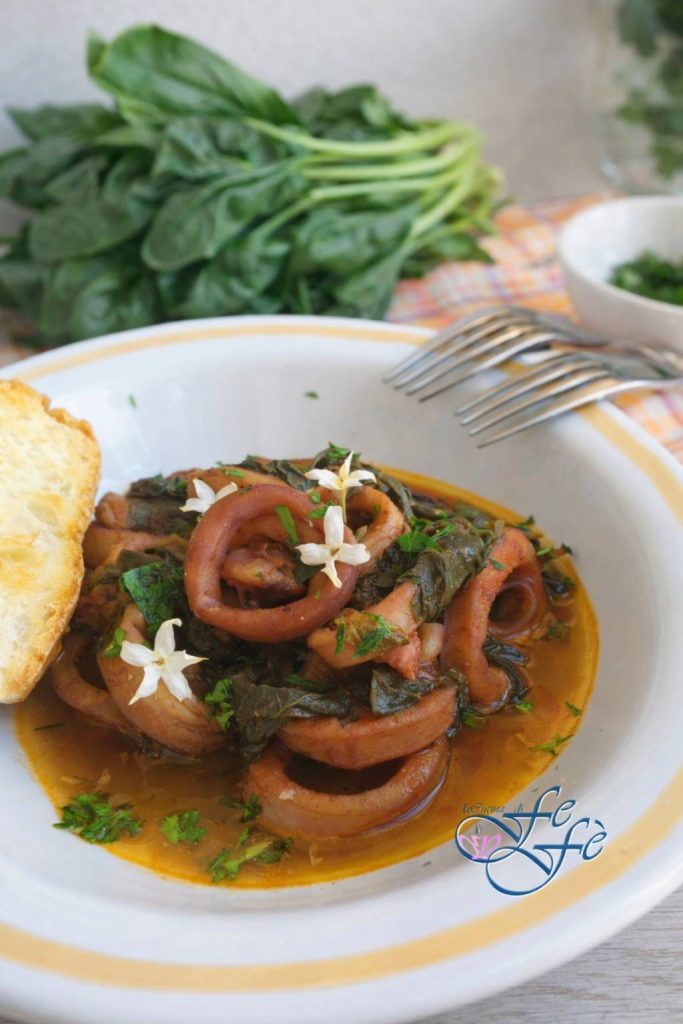
If you are wondering what it means to cook “in zimino”, you are in the right place. This ancient term describes a particular stew preparation typical of Ligurian and Tuscan cuisine, but also present with unique variations in Sardinia. Zimino is not just a recipe, but a slow cooking technique that enhances the flavor of fish through the skillful use of leafy vegetables. The traditional recipe includes chard, but there is a tasty Ligurian variation of this recipe, using spinach like the one I show here.
The Key Ingredients of Zimino
The main feature of zimino is the mixture of chard or spinach (often used together), creating a soft and flavorful base. The stars of the dish are squid, cuttlefish, octopus or legumes (like the famous chickpeas in zimino), chosen according to the season. Unlike classic fish cooking methods, zimino favors an unusual touch with red wine for deglazing. This choice gives the dish a full-bodied structure and a unique aroma.
Secrets for Perfect Cooking
To achieve a perfect balance where flavors blend, a slow cooking method is essential. The fish must cook gently to remain tender because excessive heat would make it rubbery. Zimino should always be served with slices of toasted homemade bread on a hot grill, ideal to soak up the broth.
In short, a versatile dish that you can enjoy piping hot in winter or at room temperature during pleasant spring dinners.
Other fish and seafood recipes you might be interested in:
- Difficulty: Easy
- Cost: Medium
- Preparation time: 30 Minutes
- Cooking time: 30 Minutes
- Portions: 4
- Cuisine: Italian
- Seasonality: Autumn, Winter and Spring
Ingredients
⚠ THIS RECIPE CONTAINS ONE OR MORE AFFILIATE LINKS. The products I recommend are the same ones I use in my recipes; purchasing them through my blog helps support me and my work, while it costs you nothing extra!
- 4 squids
- 4 bunches spinach
- 1/2 glass red wine
- 4 slices homemade bread
- 250 g tomato sauce
- 1 tablespoon tomato paste
- 1 bunch chopped parsley
- 1 clove garlic
- to taste extra virgin olive oil
- 1 fresh chili pepper
- to taste salt
Tools
- 1 Knife
- 1 Cutting Board
- 1 Pan
- 1 Wooden Spoon
- 1 Lid
Preparation
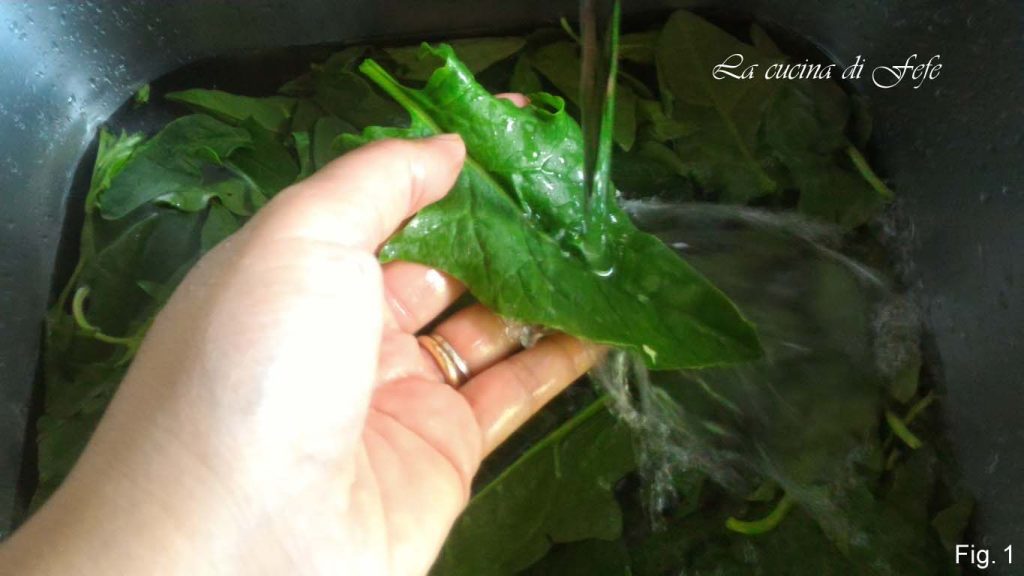
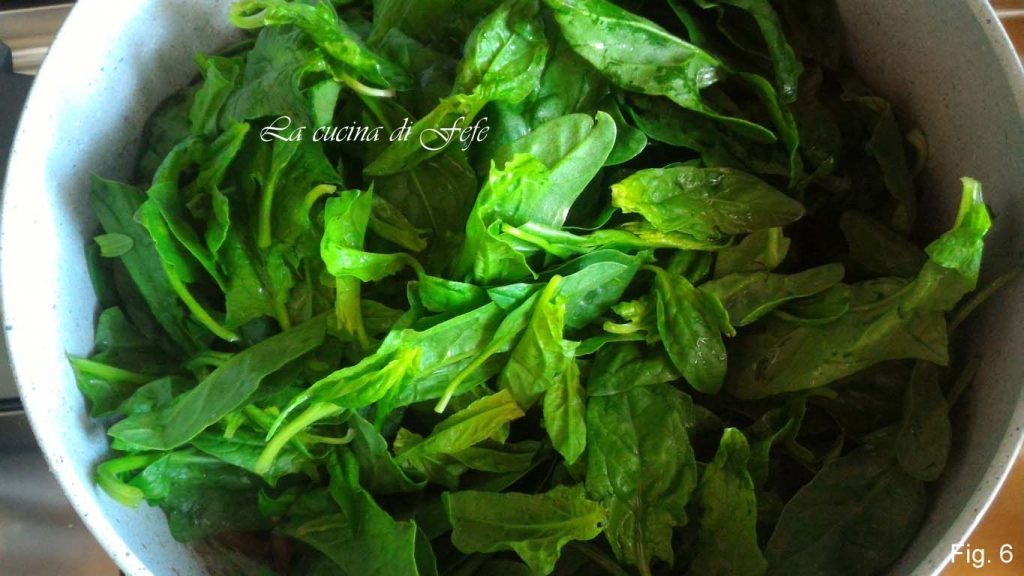
First, focus on cleaning the spinach, washing them well under running water, and removing the tougher leaves and stems.
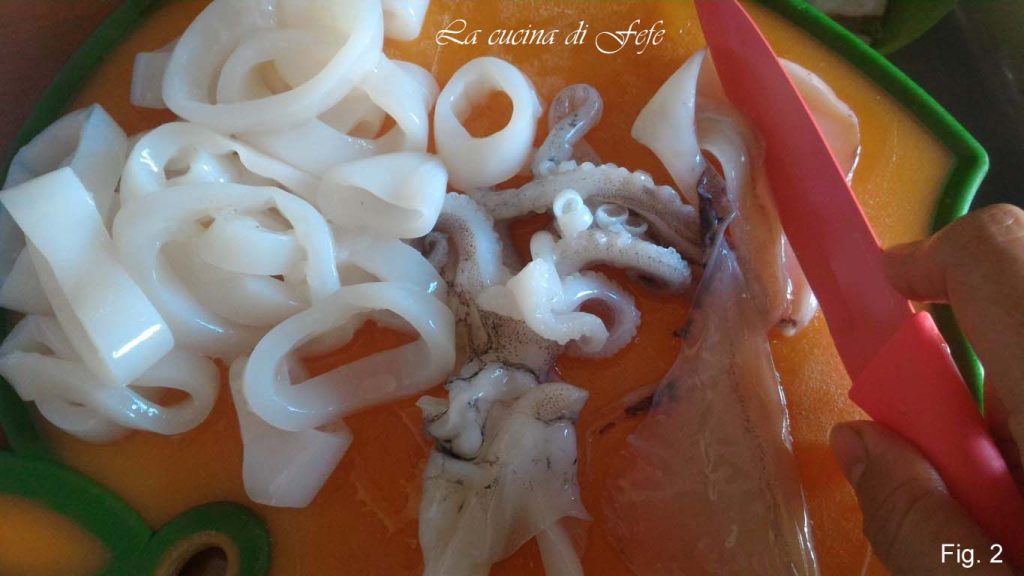
Clean the squids*, removing the gladius from inside the mantle and the entrails, then rinse it under running water and cut it into rings about 1 inch thick, including the heads and fins**.
Prepare the base of the fish soup, browning the oil in a pan with garlic and chili pepper. After 2 minutes, add the squids, stirring gently and letting them flavor over high heat. The squids need to be cooked on high heat initially to seal in the juices and maintain their tenderness.

Deglaze with red wine, letting the alcohol evaporate. This will add depth to the dish, balancing the fish’s sweetness with the wine’s intensity.
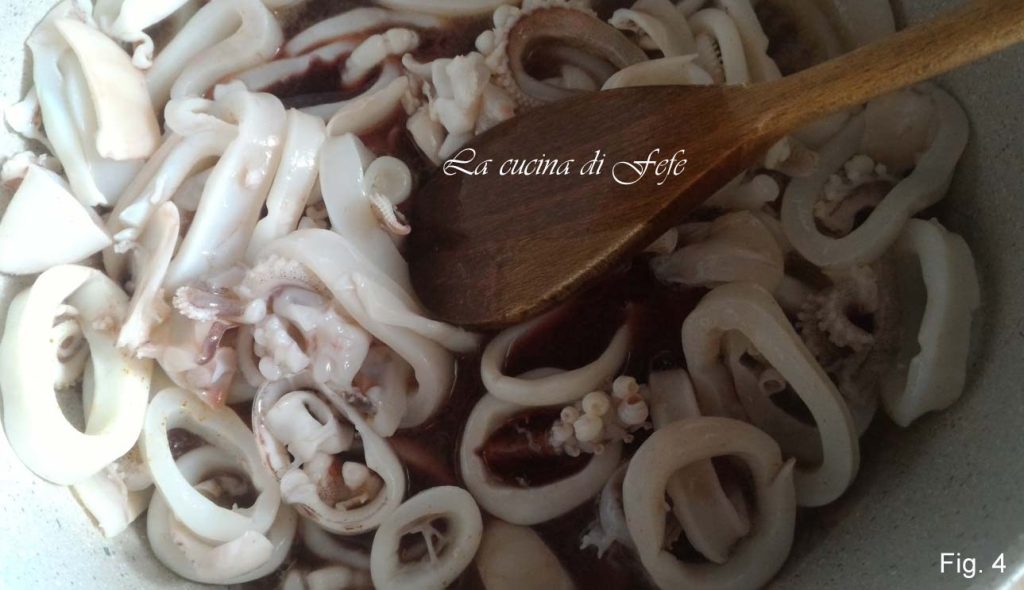
After 2-3 minutes, also add the tomato sauce and the tomato paste dissolved with a ladle of hot water, cover with a lid and let cook over moderate heat for about another 15 minutes, allowing the flavors to meld and intensify.

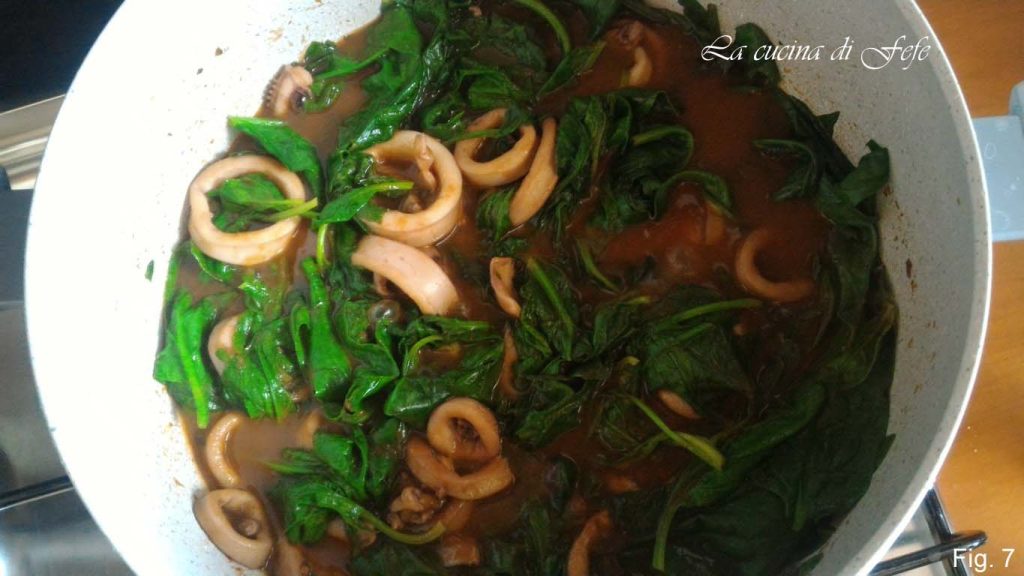
Shortly before turning off, add the well-drained spinach leaves, adjust the salt and continue cooking for another 8-10 minutes.
In the meantime, toast the bread slices on both sides on a hot grill. Once the spinach has wilted, mix and turn off.
Serve the squids and spinach in zimino still steaming or slightly warm, with the toasted bread slices and drizzle with a light drizzle of extra virgin olive oil and chopped parsley to taste.

And voila…the squid and spinach in zimino are ready to be enjoyed!
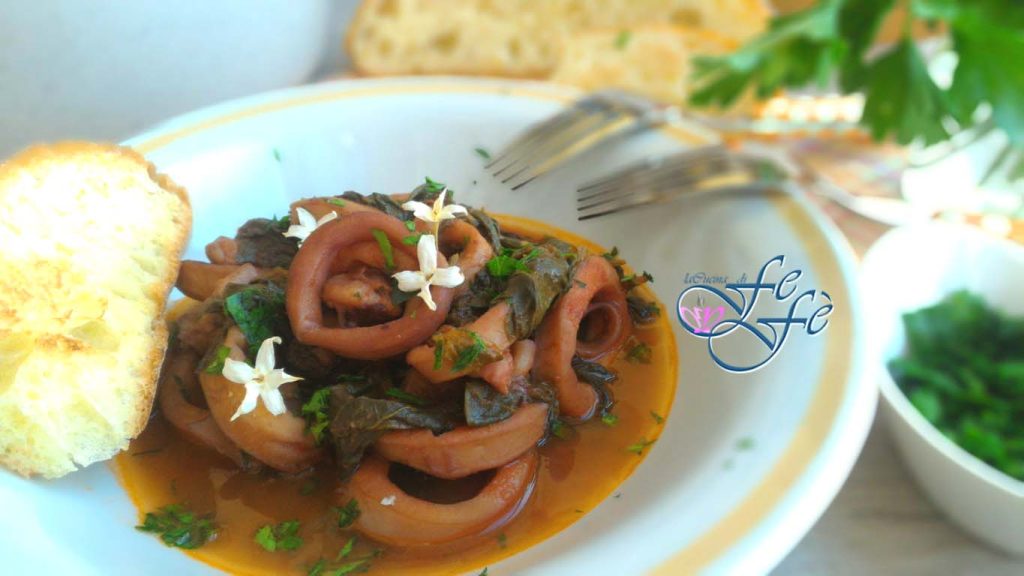
Bon Appétit from La Cucina di FeFè!
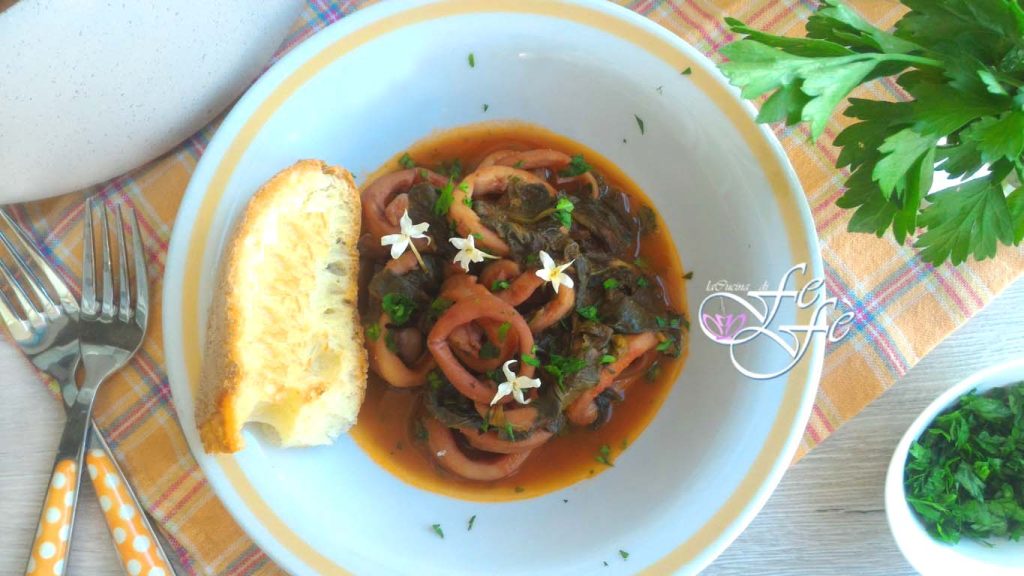
Storage
The squid in zimino can be perfectly stored in the refrigerator for 2-3 days in a glass container with an airtight lid to prevent the fish from absorbing odors from other foods.
Pro Tip: This dish is often better the day after, as time allows the flavors of the vegetables and red wine to penetrate deep into the fish fibers.
You can freeze the zimino if the squids used are fresh (not defrosted) for up to 2-3 months.
Portion the zimino in suitable containers, preferably glass, leaving some space for liquid expansion. However, it is advisable to freeze only the squids and the sauce, and add the fresh chard when reheating the dish to avoid them losing their texture.
Thaw slowly in the refrigerator for about 12-24 hours before consuming.
Tips, notes, variations, and suggestions
🟣*It is essential to choose fresh squids to get the most flavor. Squids should have shiny and firm skin, with a fresh sea smell. Avoid those with a soft consistency or an unpleasant odor.
🟣**Cleaning squids is a delicate operation. Remove the entrails, beak, and skin. Rinse them well under running water to remove any sand or impurities. In any case, I recommend asking your trusted fishmonger to perform this initial cleaning phase.
🟣In this version, you can add a handful of pine nuts and a knob of butter, which give the dish a unique and rich flavor. The pine nuts add a pleasant crunch, while the butter enriches the whole with a creamy note.
1. Can I use calamari instead of squids?
Yes, you can substitute squids with calamari. However, it’s important to note that calamari have a slightly different texture and less intense flavor compared to squids. Therefore, adjust the cooking times accordingly to prevent the calamari from becoming rubbery.
2. What other vegetables can I use besides chard?
Besides spinach and chard (as in the Ligurian variant), you can also use kale or escarole. Each vegetable will give the dish a different flavor nuance, while still maintaining the essence of the original recipe.
3. Can I prepare the squids in zimino in advance?
Yes, the squids in zimino can be prepared in advance. In fact, this dish can be even tastier if allowed to rest for a few hours, enabling the flavors to meld better.
