
Given the seasonal period, I am stocking up on the most well-known vegetable in my area, appreciated for both its beneficial properties and its goodness: the trunzo cabbage from Aci, also known as the kohlrabi from Acireale! This vegetable, with its unique characteristics, can be enjoyed both raw, for example in trunzo cabbage salad, and cooked. In the first case, the vegetable is julienned and seasoned with oil, salt, pepper, and vinegar, or in place of the latter, lemon juice. In the second case, it is often used as an ingredient for the famous pasta with trunzo cabbage or pasta with sardines, or stewed (stufateddu) as a simple side dish. This last version is today’s recipe, and if you follow my advice, you’ll bring to your table a dish of Sicilian culinary tradition! Served steaming hot with a nice drizzle of raw oil and some slices of toasted rustic bread or croutons to taste, it will be perfect for any occasion! You can indeed pair it with your grilled meat main courses or as a topping for the famous Sicilian scacciata. A vegetarian dish with a rich and intense flavor, capable of reflecting genuineness, quality, and authenticity. Here, soaking up the sauce with bread is mandatory, or as we would say, “it’s good for dipping bread into“!
CURIOSITY: Did you know that the expression “dipping bread into the sauce” mostly refers to the action of deriving pleasure from the hardships of others, just as we enjoy ‘dipping’ a piece of bread into the leftover sauce on the plate? The irony typical of Sicilians, popular wisdom, and sometimes even a form of resigned fatalism, have managed to weave various proverbs, true metaphors of life, into and around food. In the past, bread was eaten plain, that is without any accompaniment or at most with a piece of onion, cheese, or a salted sardine? “The ultimate pleasure was having something in which to ‘dip’ it” writes Giuseppe Buccellato in his book Chi nnicchi e nnacchi: Proverbs, words, and more from the Sicily that was.
If you love typical Sicilian dishes, you absolutely must try these irresistible recipes from my land:
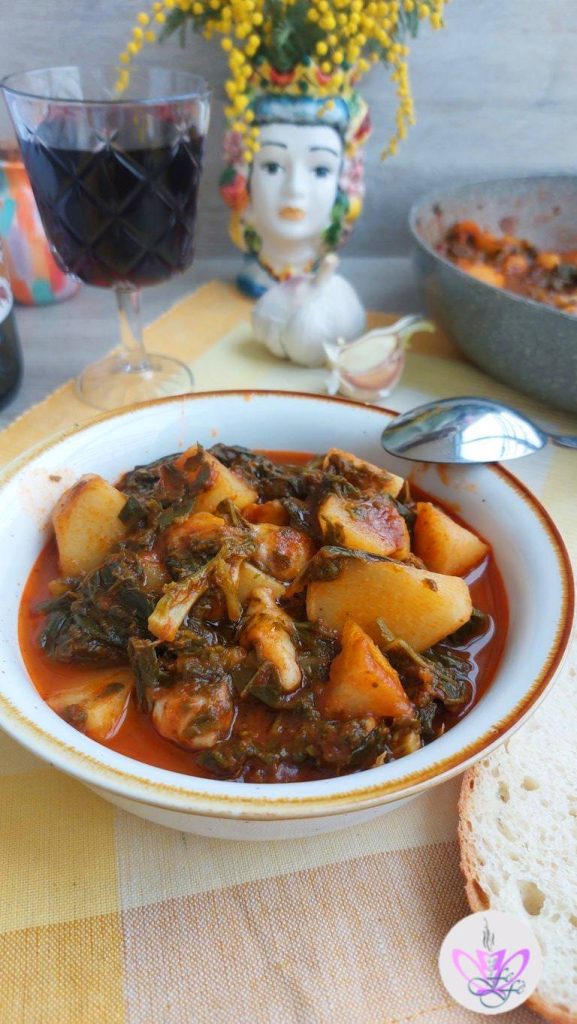
- Difficulty: Very Easy
- Cost: Economical
- Preparation time: 20 Minutes
- Portions: 4 people
- Cooking methods: Stove
- Cuisine: Italian
- Seasonality: Autumn, Winter
Ingredients
- 3 bunches purple kohlrabi
- 12.3 oz tomato sauce
- 2.8 oz caciocavallo cheese (Ragusano)
- 1 clove garlic
- 4 tbsp extra virgin olive oil
- to taste salt
- to taste chili pepper
Tools
- 1 Knife
- 1 Pot
- 1 Pan
- 1 Slotted spoon
- 1 Wooden spoon
- 1 Lid
Steps
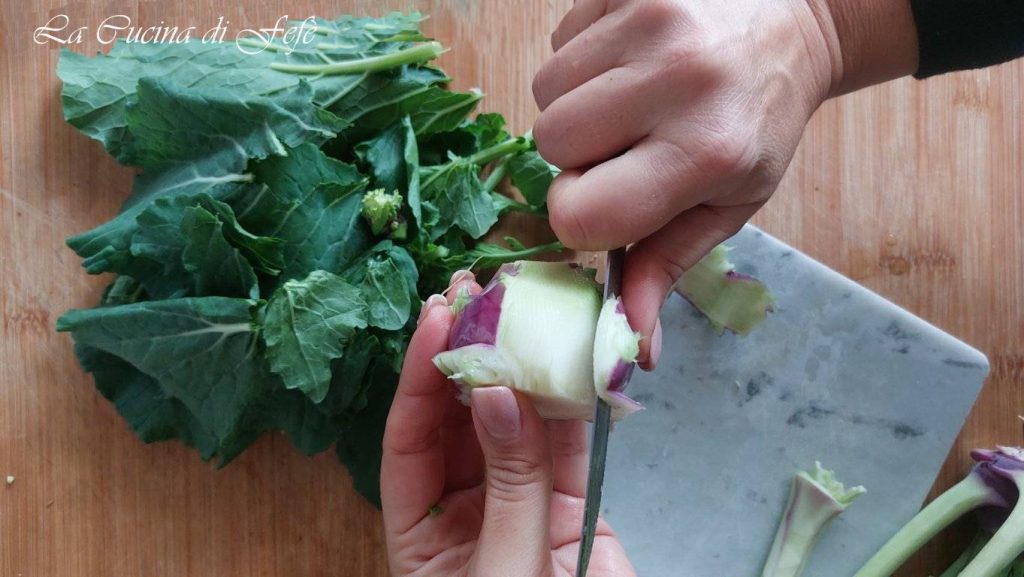
Start by cleaning the kohlrabi bunches, removing the stalks and the outermost tough, yellowed, or damaged leaves. Separate them from the head and peel the kohlrabi by removing the hard outer layer.
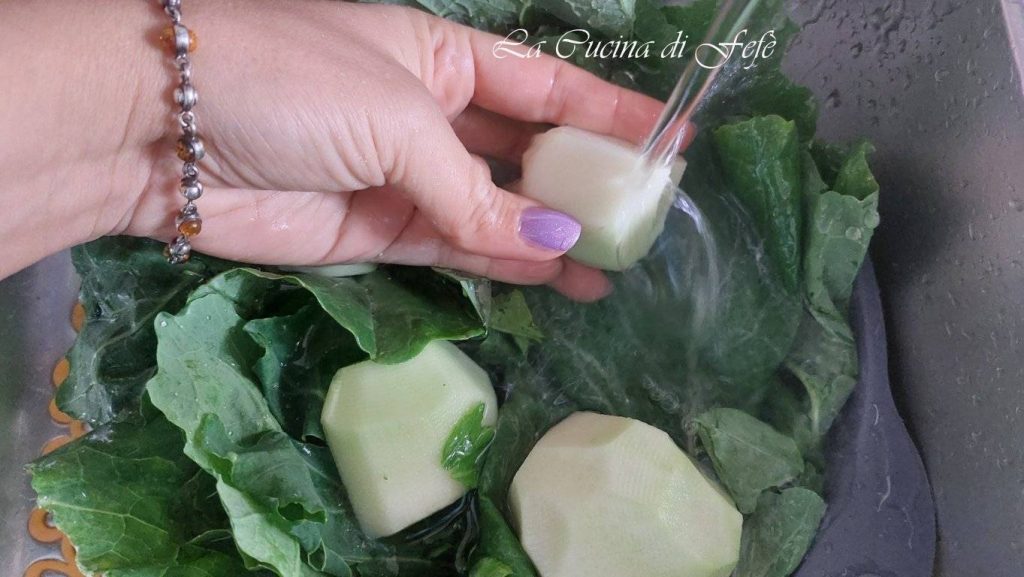
Wash the kohlrabi and leaves thoroughly under running water.
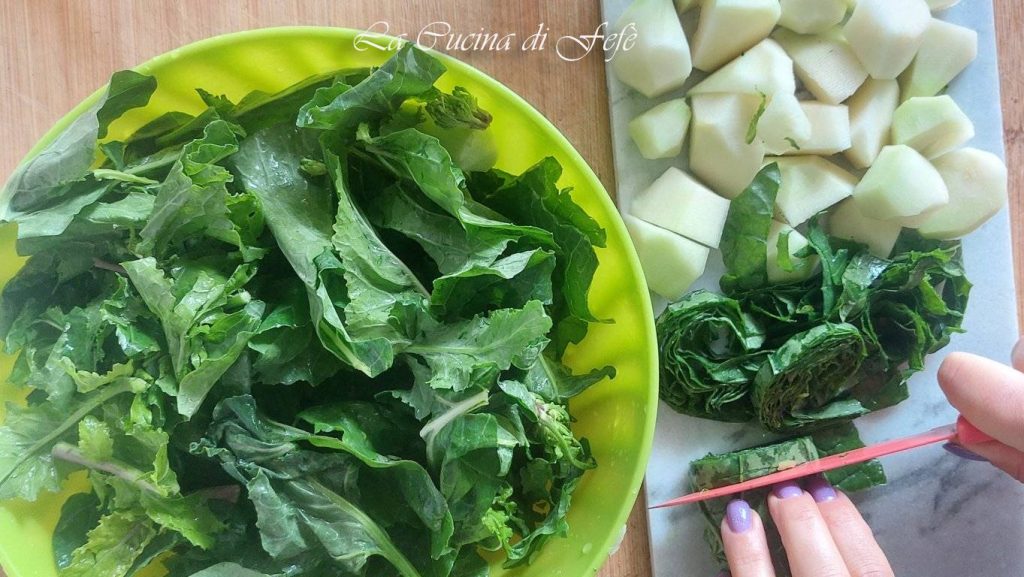
Cut the leaves into not-too-thin strips (you can also tear them roughly by hand) and slice the kohlrabi into pieces that aren’t too large.
In a pot, bring slightly salted water to a boil, then drop in the kohlrabi and let them cook for about 12-13 minutes, stirring occasionally.
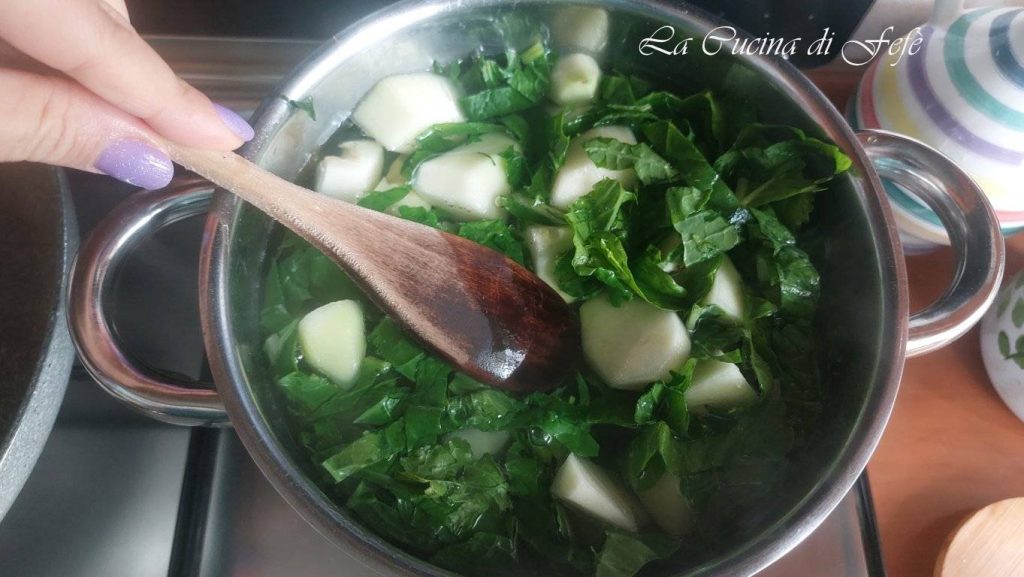
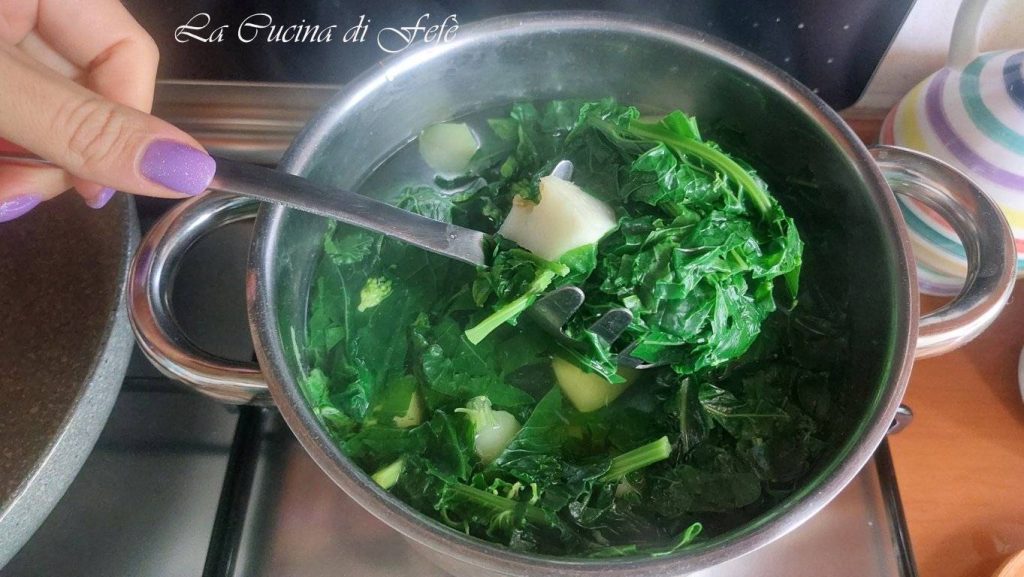
After this time, drain them with a slotted spoon and set aside.
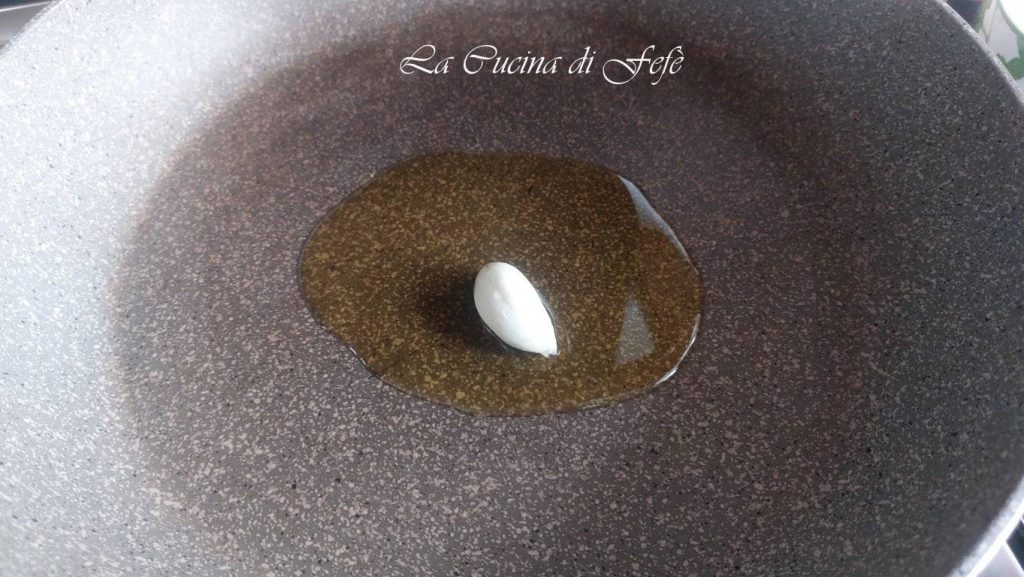
In a large pan with raised edges, brown the garlic clove with 4 tablespoons of oil for a couple of minutes.
Add the tomato sauce, cover with a lid, and let cook for 10 minutes over low heat.
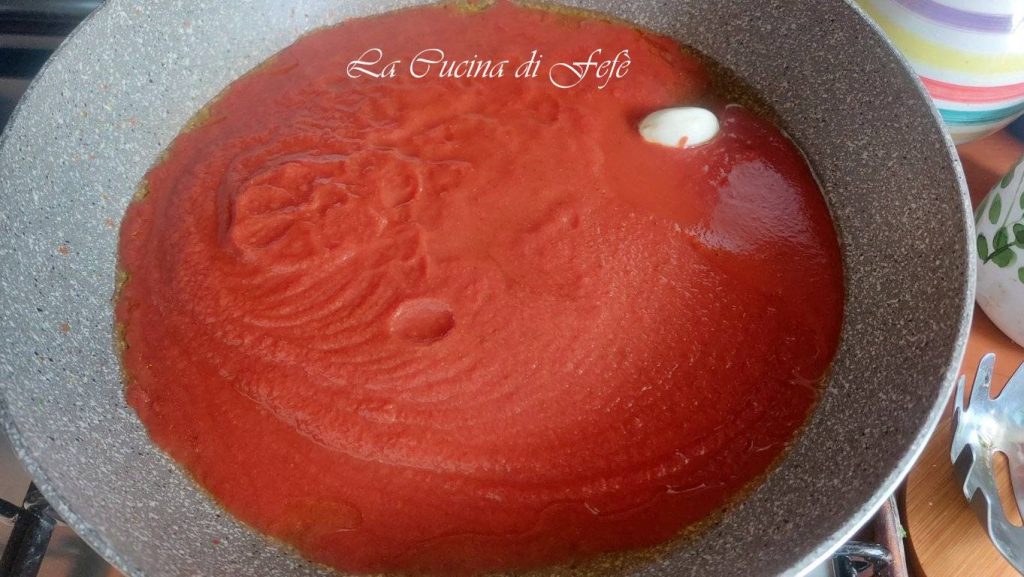
Remove the garlic clove at this point and add the kohlrabi to the sauce, allowing them to absorb the flavors well.
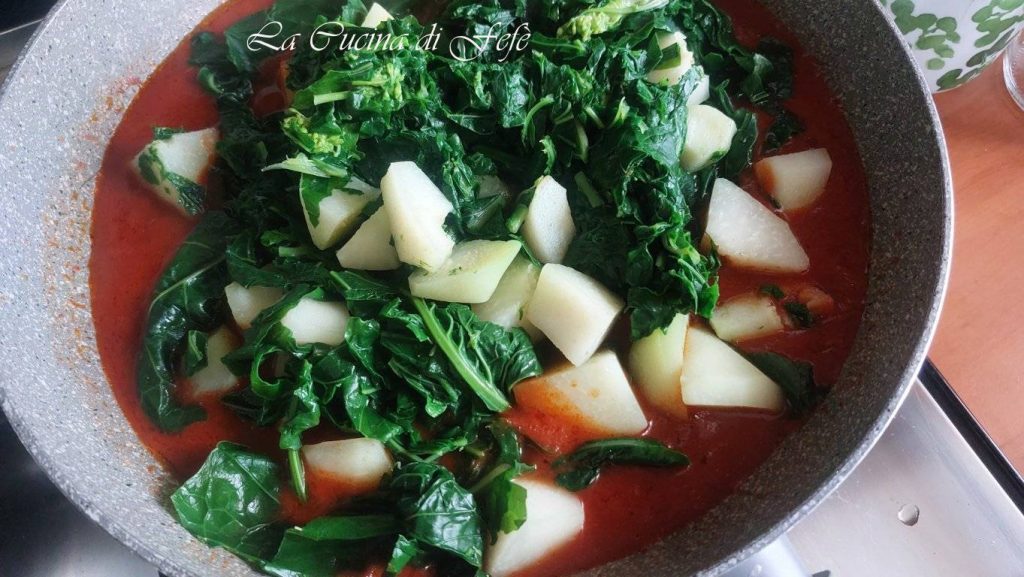
Add about three ladles of hot cooking broth from the kohlrabi and cook for another 10 minutes or so, adding more hot broth only if needed. The sauce should slightly thicken but not be overly dry*.
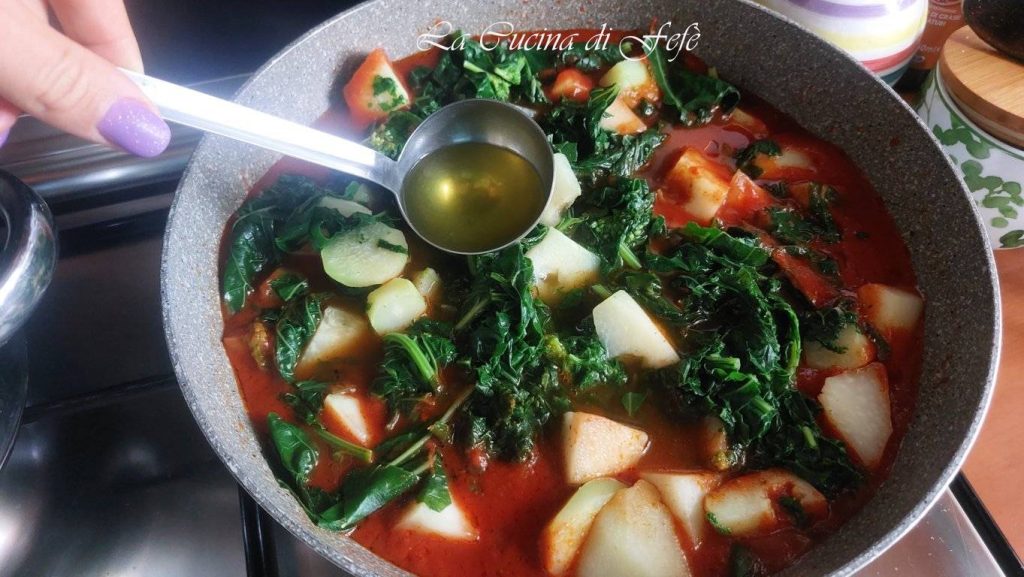
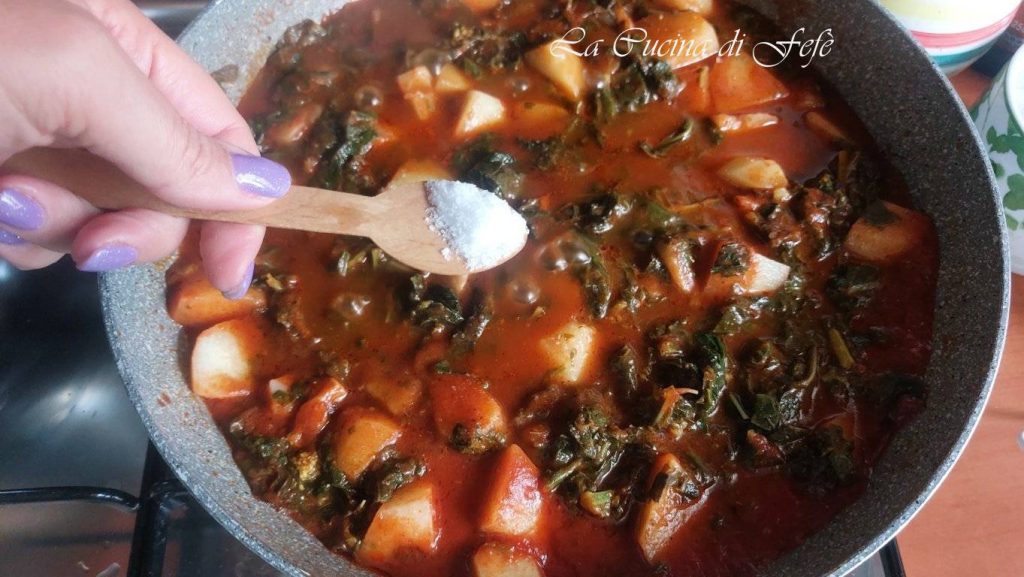
After this time, adjust the salt and add chili to taste.
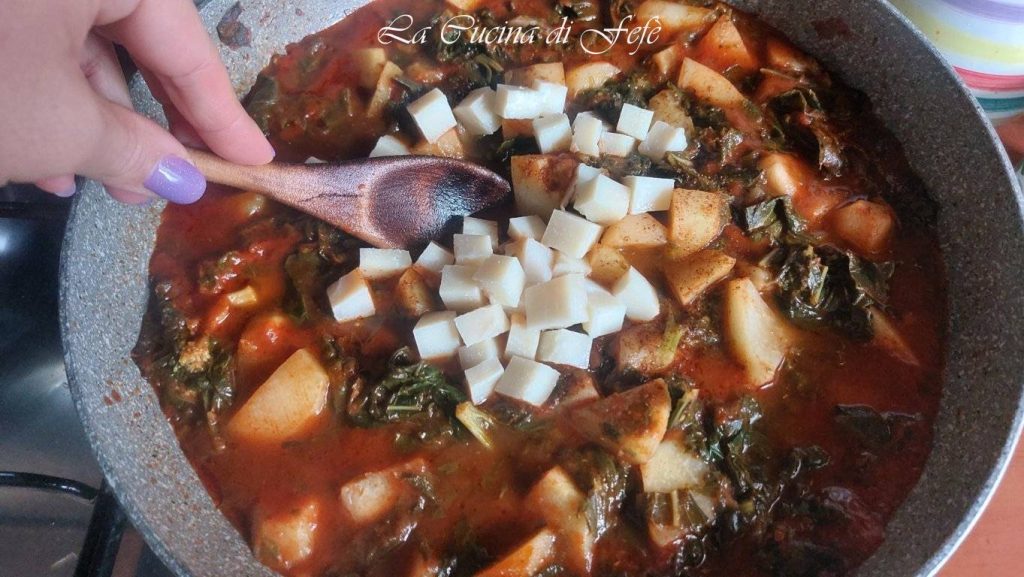
Turn off and add the Ragusano caciocavallo previously cut into cubes. Stir and cover with the lid, letting it rest for 5 minutes or until the cheese melts well.
Serve still hot with a nice drizzle of raw oil and slices of rustic bread.
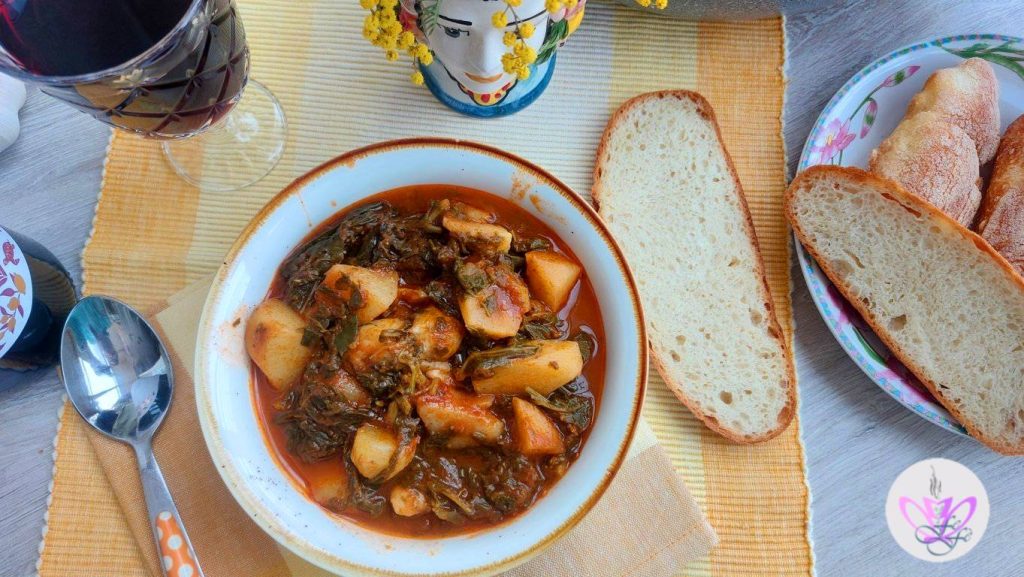
And voilà… the trunzo cabbage stew is ready to be enjoyed!
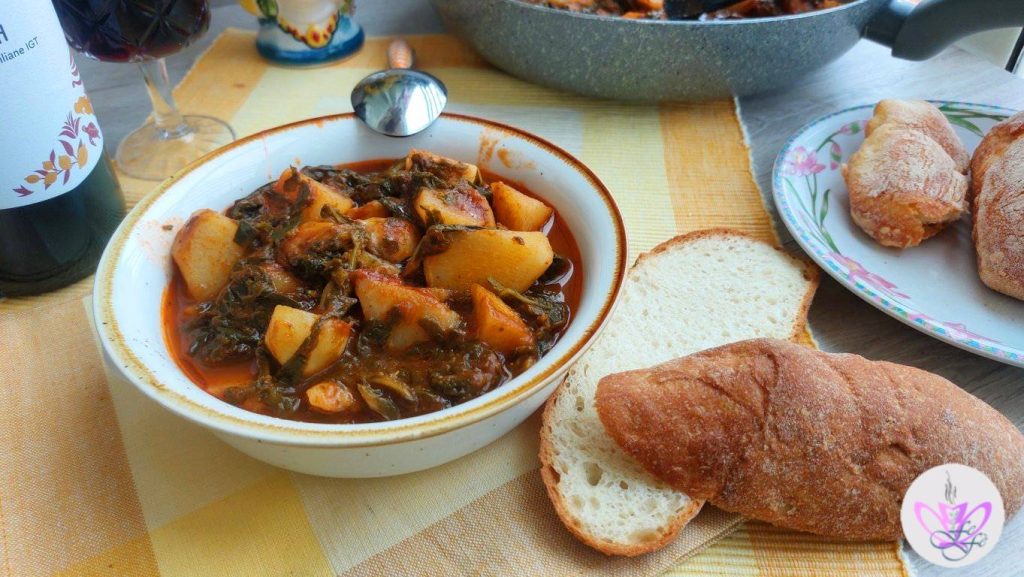
Bon Appétit from La Cucina di FeFé!
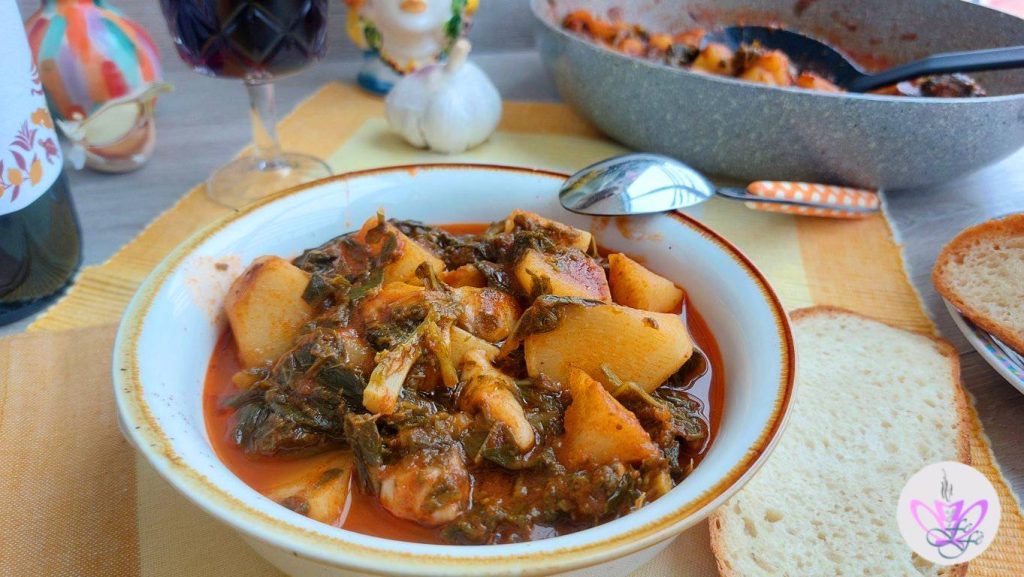
Storage
👉The trunzo cabbage stew can be stored in the fridge in suitable refrigeration containers for up to 3 days.
Tips, notes, variations, and suggestions
🟣* If you prefer a slightly more brothy version of this side dish, in soup style, you can extend the sauce with a couple more ladles of broth.
🟣If you like an even spicier taste, I recommend adding fresh chili along with the garlic in the sauté instead of powdered at the end of cooking.
FAQ (Questions and Answers)
What can I substitute for trunzo cabbage?
If you can’t find this typical vegetable of the Aci area, the yellow and white turnips work very well as substitutes. While the white cabbage, also julienned, can replace the leaves of the trunzo cabbage.
How can I substitute Ragusano caciocavallo?
You can use any cheese from your region as long as it is stringy. Grana or Parmesan will also work well.
