
This pandoro is not meant to be perfect by the minute or degree. It is made to be at home, while doing other things, as time passes slowly and the dough rises slowly. It’s one of those desserts that don’t require rushing, but only waiting.
Unlike many pandoros with double or triple leavenings, here there is a single dough, worked calmly and left to rise for a long time, without forcing. The result is a soft, fragrant pandoro that remains soft even the next day and is prepared following the timings of the dough, not the clock.
It’s not an easy recipe, this must be said. But it’s a human recipe, made of pauses, waiting, and small repeated gestures. The Monsieur Cuisine Smart helps, but the difference is made by respecting the times: no shortcuts, just patience.
It’s the pandoro to make when Christmas is not just a date, but a moment to prepare calmly, maybe the day before, letting the house fill with fragrance and the waiting become part of the result.
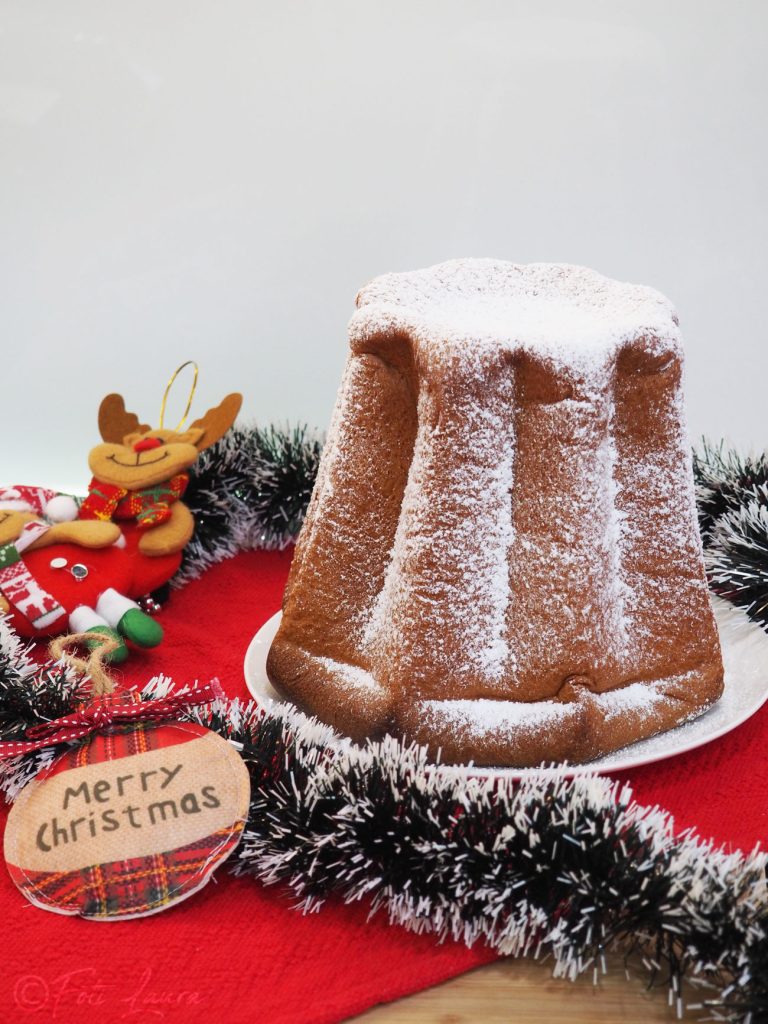
- Difficulty: Very Difficult
- Cost: Medium
- Rest time: 17 Hours
- Preparation time: 18 Hours
- Cooking methods: Electric Oven
- Cuisine: Italian
- Seasonality: Christmas, New Year's Eve
Ingredients
For a 2.2 lbs mold
- 1/4 cup water
- 1/2 oz fresh brewer's yeast
- 3/4 cup all-purpose flour
- 1/2 cup granulated sugar
- 3 1/2 tbsps water
- 2 tbsps honey
- 1 tsp salt
- 2 oranges (grated zest)
- 1 tsp vanilla extract
- 3 1/4 cups Manitoba flour (High protein)
- 2 eggs
- 3 egg yolks
- 7 oz butter
Tools
- 1 Pandoro mold
- 1 Food processor Monsieur Cuisine Smart
- 1 Knife
- 1 Rack
- Plastic wrap
Steps
Prepare the butter in cubes and leave it out of the fridge for at least 1 hour. When adding it to the bowl, it should be soft, like an ointment, easily workable with your fingers.
The butter must not be melted, as it would alter the structure of the dough and compromise the success of the pandoro.
Place the water and fresh brewer’s yeast in the bowl.
Start 40 seconds, 98°F, speed 2.
Add the flour and work 30 seconds, speed 2.
Open the bowl, gather the dough, form a ball, and make a cross on the surface with a knife. Put the dough back in the bowl, close it, and let it rise until it triples in volume.
Don’t watch the clock, watch the dough. It should be well swollen and soft.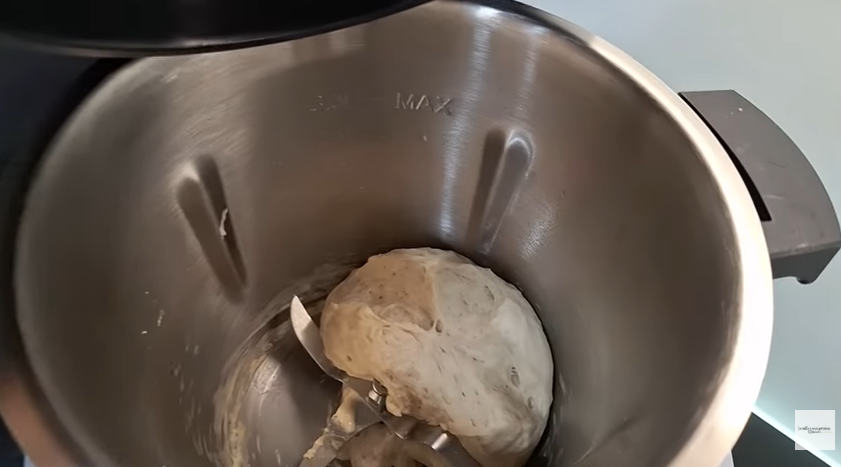
Once tripled, put in the bowl:
the sugar, the water, the honey, the salt, the grated orange zest (only the orange part), and the vanilla extract. (Alternatively, vanilla bean or vanillin is fine).
Work 1 minute, speed 3.Add the Manitoba flour and part of the eggs.
Start the soft dough mode for 2 minutes.
After the first few seconds, add the remaining eggs and let the machine work.After this part, let the machine rest for about ten minutes to avoid overheating.
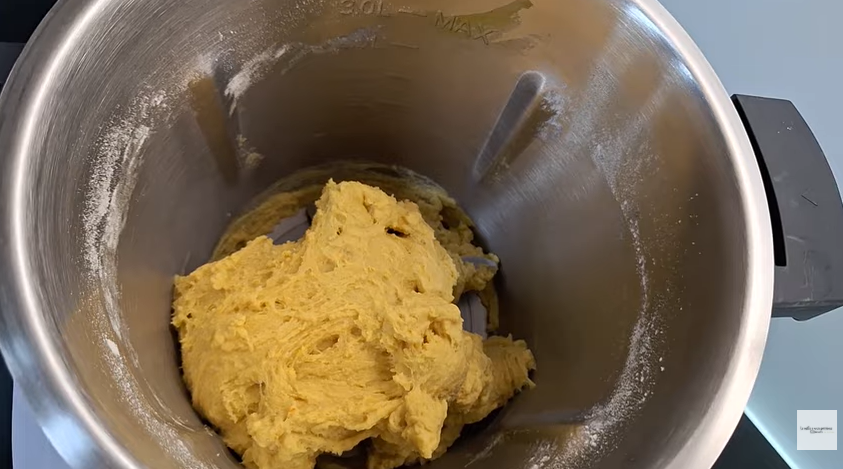
Add the soft butter in pieces little by little through the bowl opening, running the machine in soft dough mode, speed 2.
If all the butter hasn’t been added, stop. Wait 20-30 minutes
then resume by restarting the soft dough mode, speed 2 to finish the butter.
Meanwhile, between pauses, grease a pandoro mold of 2.2 lbs very well.
The final dough should be:
smooth, shiny, and well-strung.
Better to extend the times than to stress the machine or overheat the dough.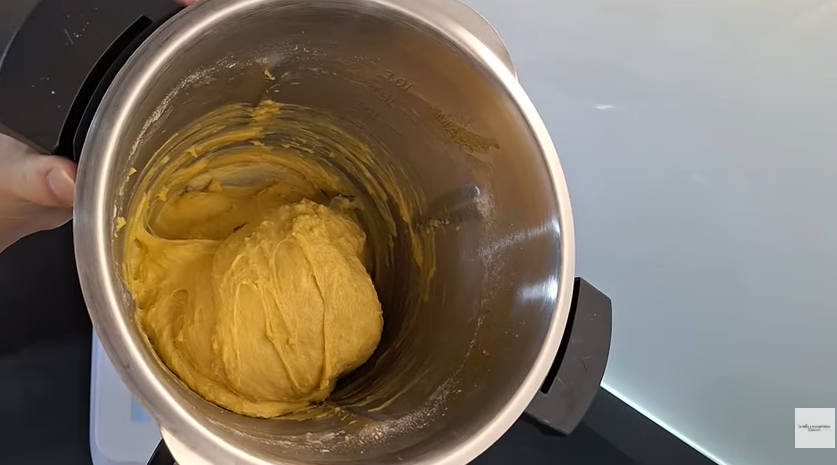
Transfer the dough to a slightly wet work surface (not floured).
Make some reinforcing folds by trying to spread the dough and then take the sides and bring them to the center, then proceed with spinning the dough by turning it sideways.
Place the dough in the mold with the folds facing up.
Cover with plastic wrap.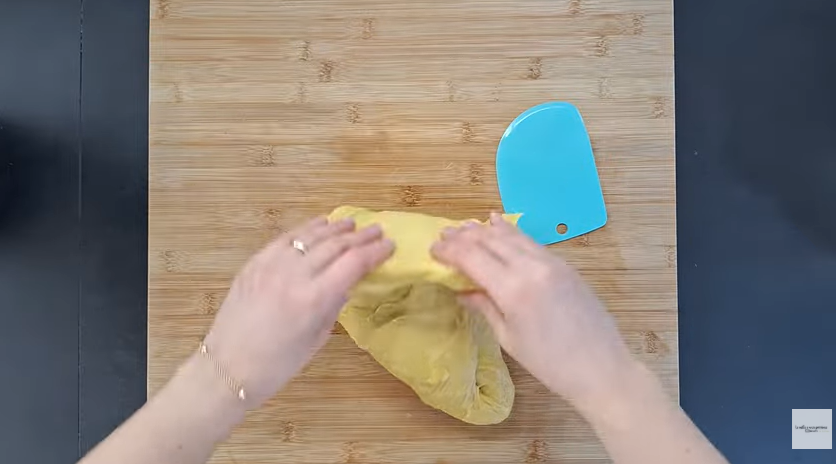
Put the mold in the turned-off oven with a pot of hot water to create a warm and humid environment.
The leavening takes about 12-13 hours.
The dough should reach the center of the mold, up to the edge.
Do not rush this phase: it is crucial for the structure of the pandoro.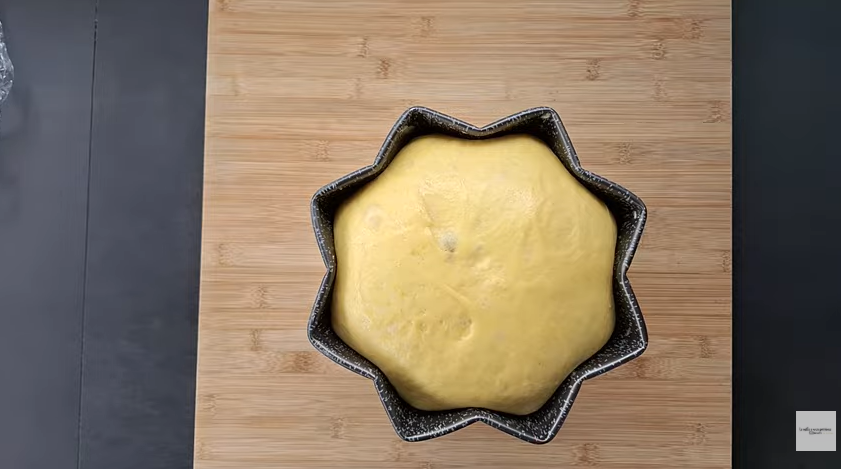
Bake in a static oven:
356°F for 10 minutes
then 320°F for 35 minutes
Check the cooking with a long toothpick: it should come out dry.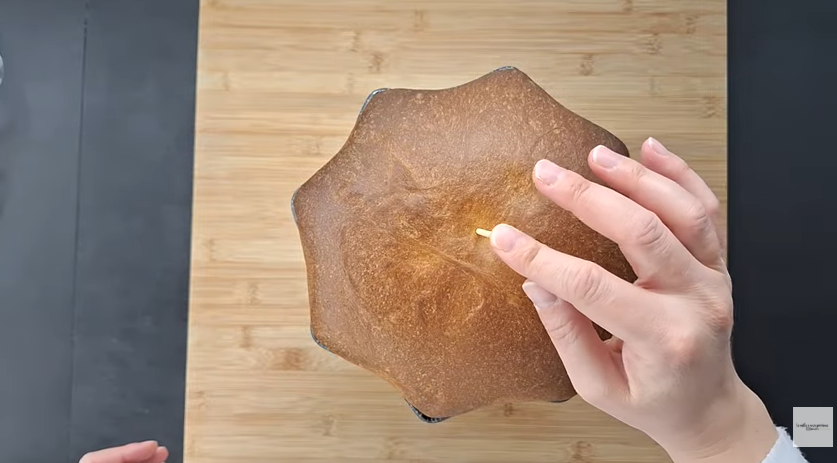
Remove from the oven and leave the pandoro in the mold until it cools down.
Then turn the mold upside down and let it cool on a rack for at least 4 hours, better overnight.
Dust with powdered sugar only before serving.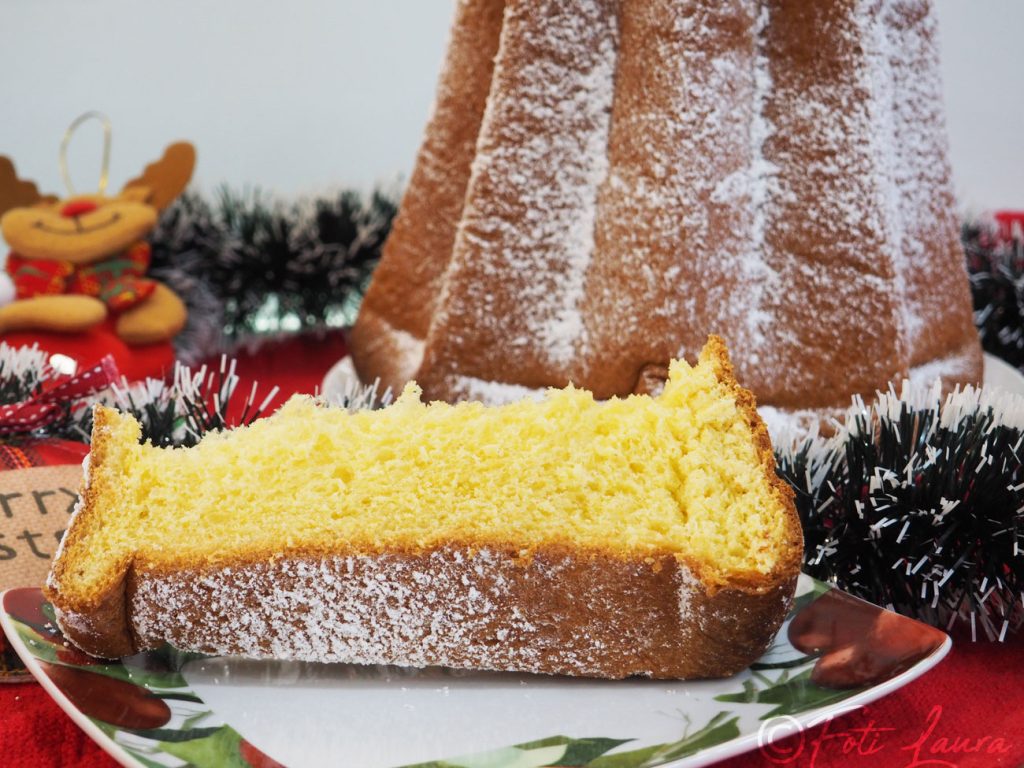
Important Tips
Use really soft butter, not melted
Do not add flour to the work surface
Respect the machine pauses otherwise it may overheat
If the dough seems “slow”, give it time
Long leavening is normal: it’s not a mistake
Common Mistakes to Avoid
Dough too hot
Butter added all at once
Insufficient final leavening
Unmolding the pandoro while still hot
FAQ – Pandoro
Can I reduce the leavening times?
No, a soft pandoro requires long times. Shortening them compromises the result.
If the dough doesn’t rise to the edge?
Wait a little longer. Every environment has different times.
Can I use another mold?
Better not: the pandoro mold is designed for this quantity and structure.
How long does it keep?
Well closed, 3-4 days. You can also freeze it whole or in slices.
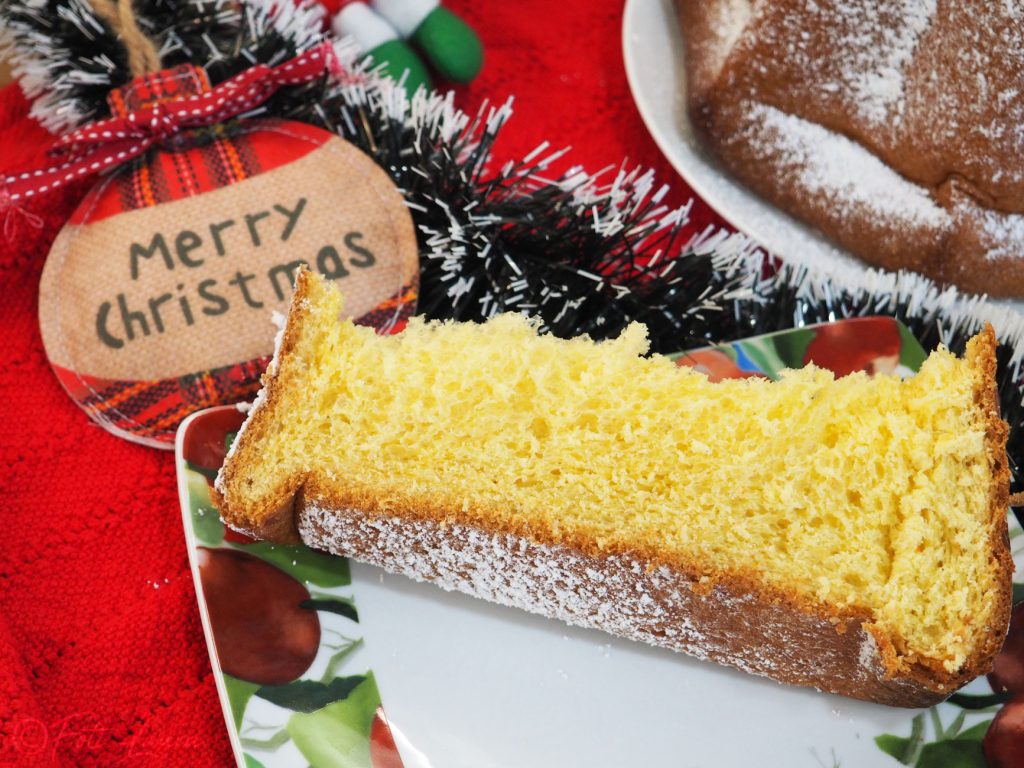
Homemade pandoro is one of those desserts not just prepared to eat but to experience. It requires time, attention, and patience, but gives back much more: fragrance at home, waiting, satisfaction, and that softness that only a respected dough can give.
This pandoro is not meant to be perfect, it is meant to be shared, perhaps cut into slices on Christmas morning, with a simple dusting of powdered sugar and the right people around the table. If you decide to try it, take your time, follow the steps calmly, and let the dough guide you.
Because in the end, the beauty of these desserts is not just the result, but the whole journey that leads there.
