Bolognese Ragù Explained Step by Step. Foolproof Original Recipe
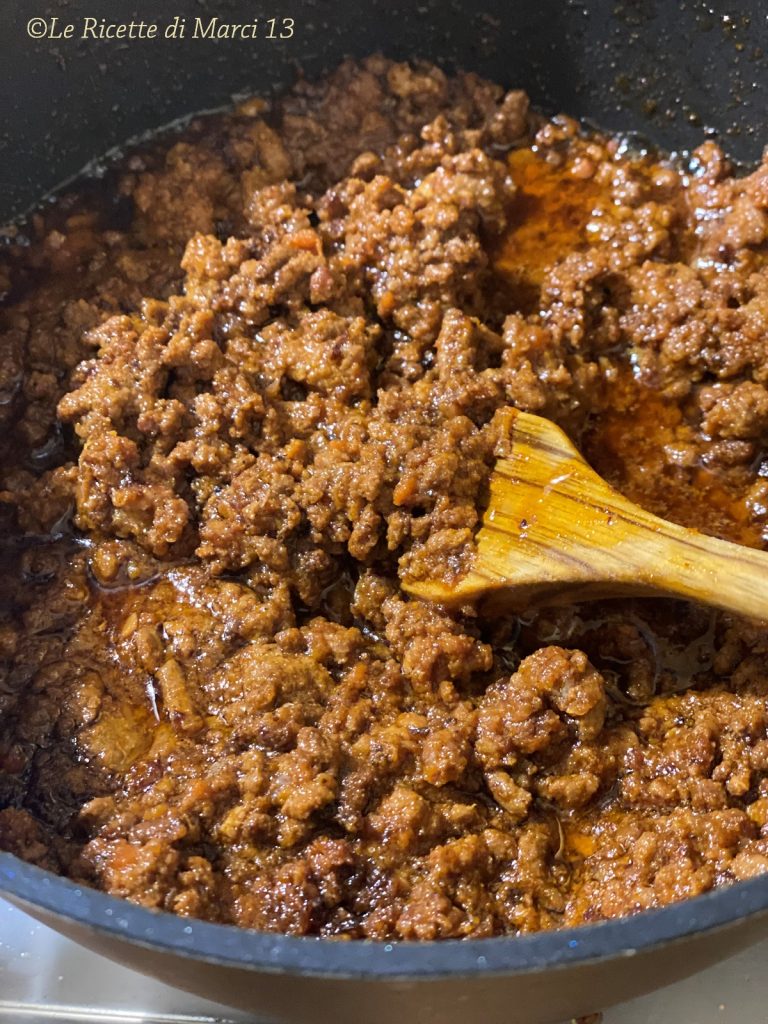
Bolognese Ragù is one of the most famous Italian sauces in the world, a great classic of Italian cuisine, especially from Emilia, ideal for seasoning excellent pasta dishes such as tagliatelle, lasagna, fresh pasta, pappardelle, pasta timbales, etc.
It’s a simple preparation that just requires some time to follow the cooking. One of the secrets to a perfect Bolognese ragù lies in respecting the various cooking phases and in slow cooking.
It’s said that in France the cook of Louis XIV, King of France, originally from Bologna, had the idea of mincing stew meat and using it to dress pasta. Some say that ragù dates back even earlier, to the times of the ancient Romans, who prepared a sort of stew.
There are many versions of ragù that vary from house to house, from region to region. This one I present, however, is the original recipe of true Bolognese Ragù, deposited at the Bologna Chamber of Commerce in 1982, with some personal variations that I expressly indicate in the procedure as “optional”.
Bolognese ragù is composed of ground meat, soffritto, tomato, wine for deglazing, but the real secret of the original recipe that makes it special is: milk and its rising cream (see more in the procedure). Besides the original recipe of the Chamber of Commerce, it is also mentioned by one of the founding fathers of Italian cuisine, Pellegrino Artusi, author in 1891 of The Science of Cooking and the Art of Eating Well who advised: “When the stew is done, if you want to make it even more delicate, finally add half a glass of cream“; Ada Boni confirms this in her The Talisman of Happiness from 1925, which, in describing her Bolognese ragù, she insists on pointing out that: “There is a more refined Bolognese tradition that advises wetting the stew with milk instead of broth or water. It’s a matter of taste. Certainly, adding milk gives the sauce a greater finesse”.
In fact, the original recipe of the Chamber of Commerce expressly provides for the optional use of cream, BUT pay attention! NOT the liquid cream bought at the deli BUT the rising cream obtained by boiling 1 liter of milk (see procedure).
The total cooking time for the ragù is about 3 hours (it depends on the type of meat you use). In the past, cooking was prolonged for even 6/7 hours because the meat was taken from older cows, which were no longer able to work in the fields, and thus it was inevitably tougher and longer cooking times made it more tender.
Classic Bolognese ragù is made from minced beef and pork, and among the essential cuts is the skirt (i.e., the veal diaphragm) (see here) and pork loin.
My Bolognese ragù is super tested and always a great success among my guests, for me it’s a classic go-to recipe to prepare even on big occasions.
This Bolognese ragù is rightfully part of my TOP recipes (foolproof and super tested), to view them click HERE.
- Difficulty: Easy
- Cost: Economical
- Preparation time: 15 Minutes
- Portions: 8
- Cooking methods: Stovetop
- Cuisine: Italian
- Seasonality: All seasons
Ingredients for Bolognese Ragù Explained Step by Step.
- 7 oz beef (minced (skirt/diaphragm))
- 7 oz pork loin (minced)
- 7 oz sausage (minced, optional)
- 7 oz pancetta (flat) (minced)
- 3.5 oz golden onion (about 2)
- 3.5 oz celery (about two stalks)
- 3.5 oz carrots (about 2)
- 5 oz double concentrated tomato paste
- 5 oz extra virgin olive oil
- 5 oz butter
- 5 fl oz red wine (preferably Sangiovese or Lambrusco)
- 3.5 fl oz cognac (optional)
- 4 cups whole milk (but you'll only need half (see procedure))
- to taste nutmeg (a pinch)
- to taste black pepper
- to taste salt
- to taste chili pepper (optional)
- 1 tsp sugar (optional)
Tools
- Bowl
- Knife
- Saucepan
- Ladle
Steps for Bolognese Ragù Explained Step by Step.
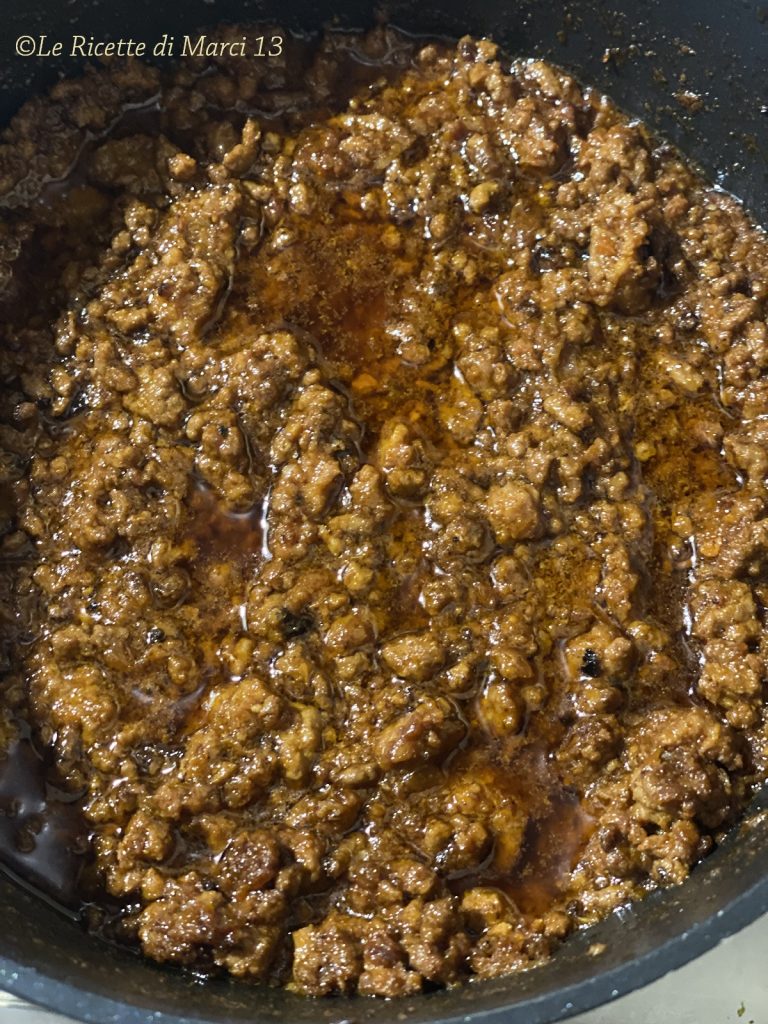
First, obtain the rising cream: Pour a liter of whole milk into a saucepan, bring it to the boiling point, and the slight film that forms on the surface is the cooking cream. Let the milk cool and then, with the help of a strainer or tongs, collect the cream and set it aside in a bowl.
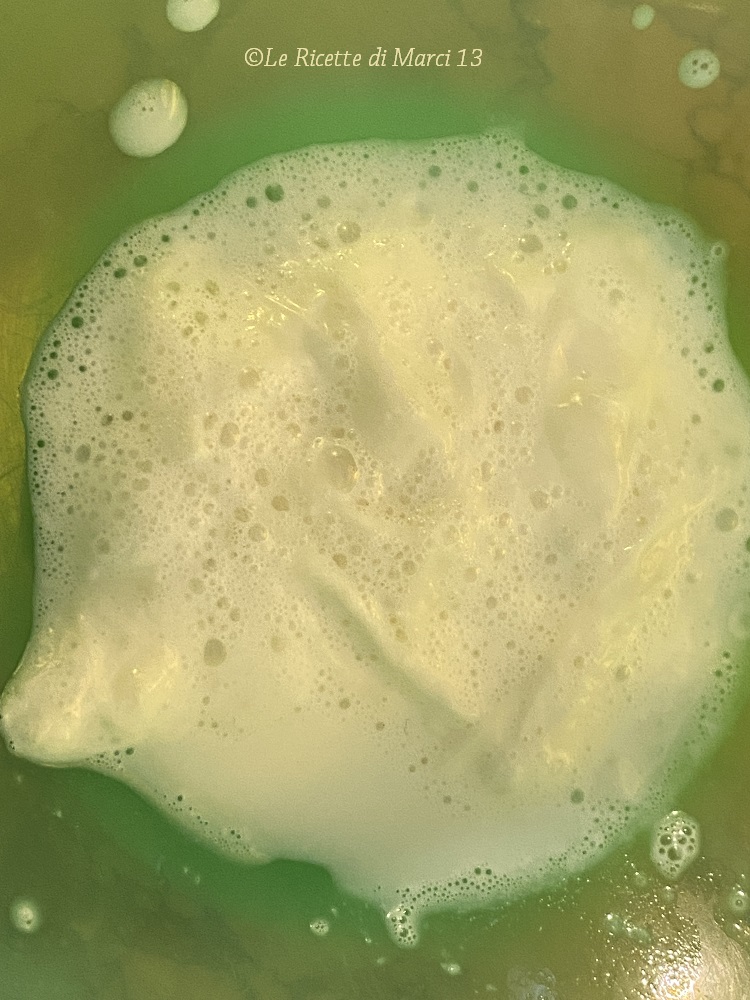
Finely chop the pancetta twice, it should be like a paste, and then also chop the vegetables into small pieces (they say to use a mezzaluna, but I sometimes use a food processor to speed up).
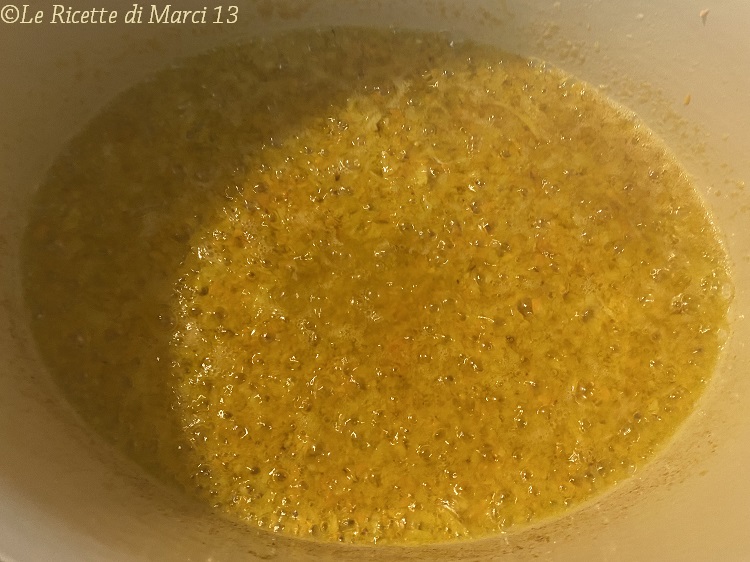
Place a pot on the stove, preferably earthenware, and heat it over medium-low heat, then add the pancetta chopped twice and let it sweat without other condiments, stirring it constantly with a wooden spoon, so that slowly the fat will melt and distribute on the bottom of the pot. Then raise the heat and let it brown in its own fat for about 10 minutes. Add the oil and butter to the pot, let them heat, then add to the pancetta the chopped onions and chili pepper (optional) and cook for 5 minutes, then add the mix of chopped carrots and celery and let the vegetables wilt well for about 10 minutes over medium heat.
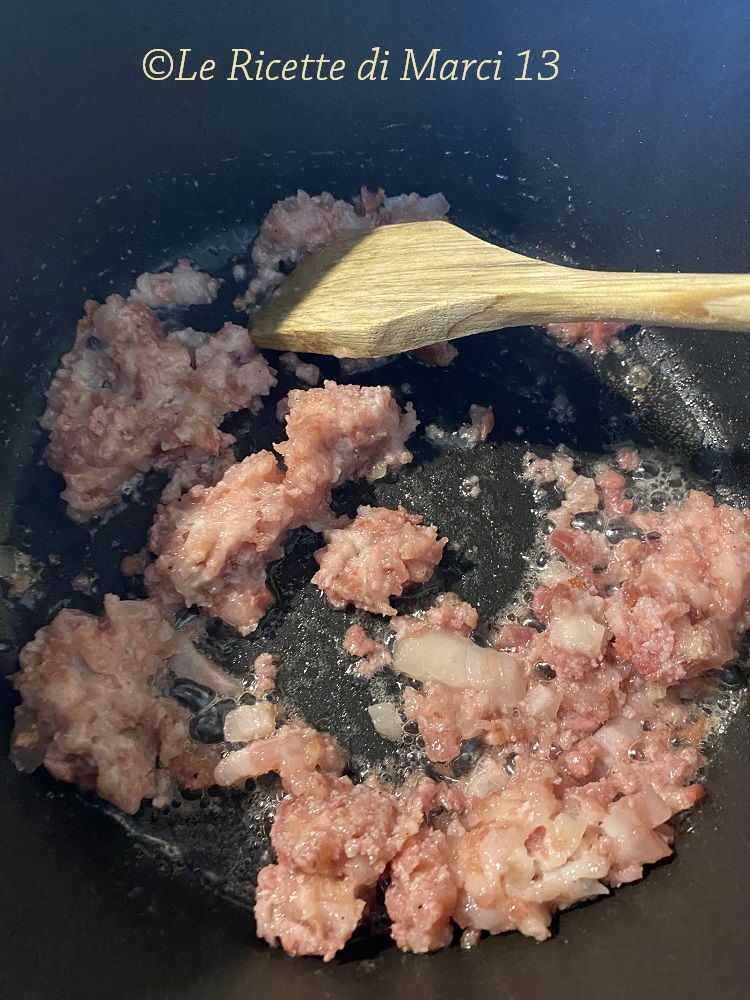
Then add the ground meat and break it up well with a fork (when the meat is still raw it breaks up better), let it cook until it releases some of its juices that will then evaporate (it will take about 20 minutes) it should brown over medium-high heat. Once you see that the juices released by the meat have been absorbed and evaporated and the meat is browned, add a glass of red wine and cognac (optional).
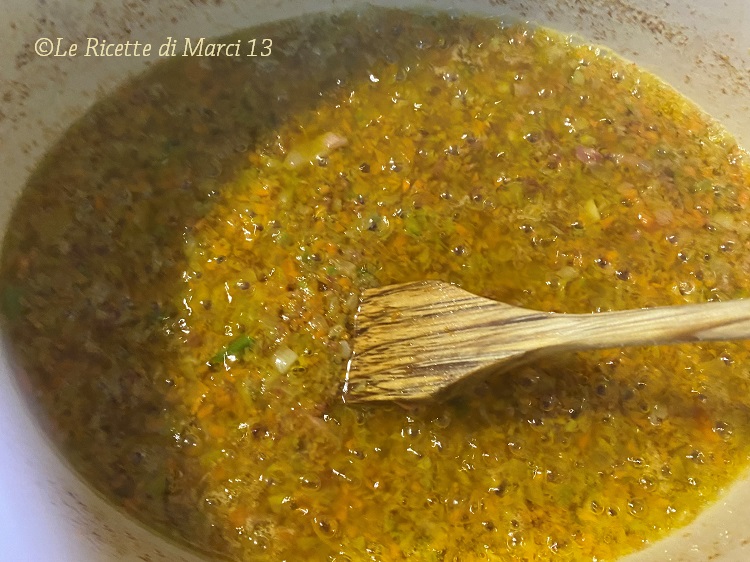
Let the alcohol in the wine evaporate while keeping the flame high and, when this has been absorbed, also add the tomato paste and cook the sauce for about 15 minutes to cook the paste thoroughly.
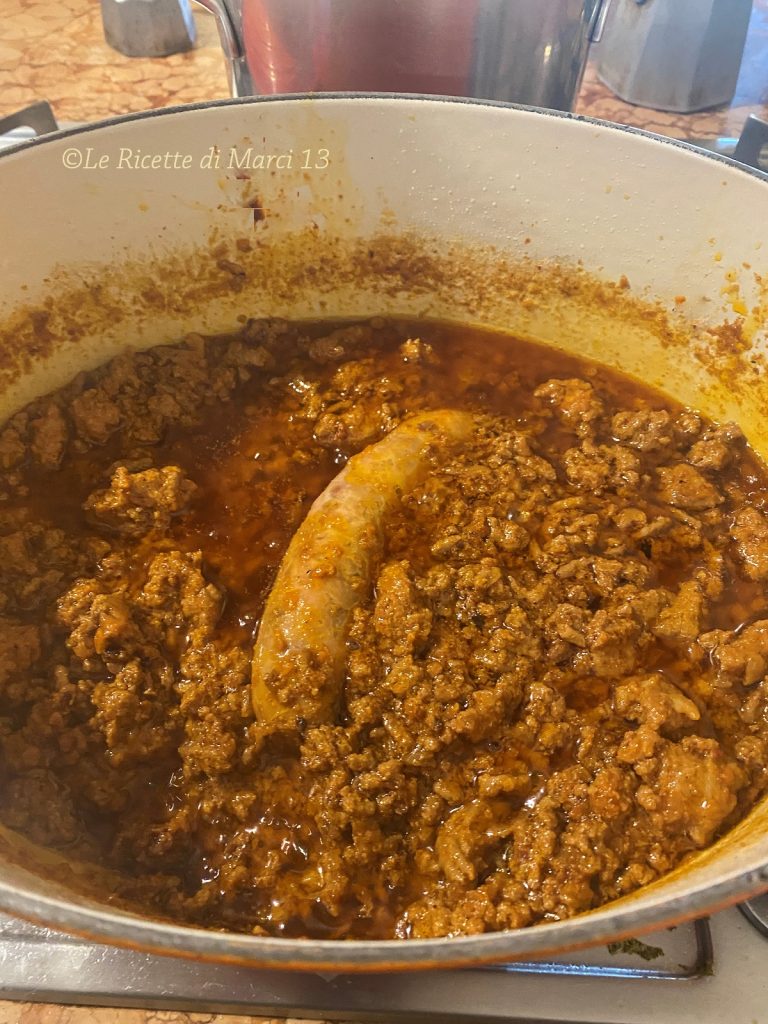
Then add 2 cups of boiling milk (taken from the liter used to obtain the rising cream), add the nutmeg (optional) and a teaspoon of sugar (optional) cover with a lid and bring to a boil over high heat. Then lower the flame and cook over low heat for about 2 hours and thirty minutes, always with the lid slightly open, stirring occasionally, the slower the cooking, the better the ragù.
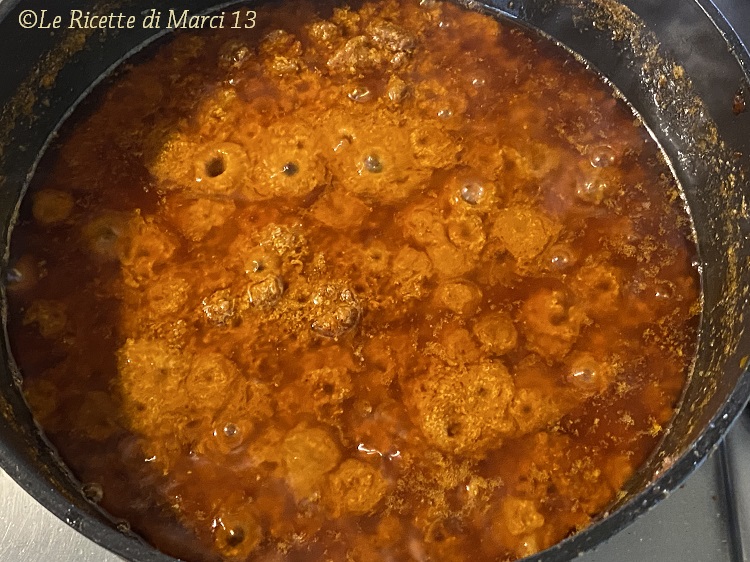
Finally, as the last ingredient, add the cream obtained from boiling one liter of fresh whole milk, mix well, adjust the salt, and then continue cooking for the last 15 minutes or until the cream is perfectly absorbed.
The Bolognese ragù should cook for a total of 3 hours, starting from when the tomato is added.
Once ready, the Bolognese ragù can be used to dress baked lasagna, tagliatelle, fresh pasta, pasta timbales, gnocchi, polenta.
Notes and Tips
As for the tomato sauce, the original ragù recipe calls for 250 ml, I used 140 g of concentrate, originally the recipe did not include tomato at all, it was added around the year 1700. In any case, if you have many guests and need a large ragù or need to dress lasagna, you can also use up to 400 ml of tomato puree.
The use of milk in this recipe is not only to curb the acidity of wine and tomato but mainly to achieve the classic flavor of ragù. The milk will give the ragù a particular sweetness (I also add a level teaspoon of sugar for safety, but it is optional).
I recommend booking the skirt (diaphragm) from the butcher because it is not always easy to find, if you can’t find it, you can buy the heel instead.
Instead of buying 150 g of flat pancetta and 200 g of pork loin, you can use only 300 g of flat pancetta.
The Bolognese ragù keeps in the refrigerator for 4-5 days, then it tends to sour. It can also be frozen in portions for about 30 days, no difference will be noticed with the fresh one.
For a Bolognese lasagna for 4 people, you will need: 500 g of Bolognese ragù, 12 lasagna sheets, 500 ml of béchamel sauce, 120 g of grated Parmesan and 40 g of butter to gratinate the surface (make many layers).
For this recipe, I was inspired by chef Stefano Barbato’s recipe, here.
Update: in 2023 the updated recipe for Bolognese ragù was deposited at the Chamber of Commerce. In the new recipe, the indication of ‘skirt‘, as the piece of meat to use for the sauce, difficult to find, especially in supermarkets, disappears, in absence or in addition, the front cuts rich in collagen such as: muscle, shoulder, sub-shoulder, belly, brisket are indicated. Mixed cuts can also be made. According to a modern technique, the meats are well browned separately, on their own, and then mixed with the already browned chopped vegetables. The new disciplinary allows (believe it or not) broth cube, as long as it is of excellent quality. Personally, I don’t agree with anything in this new version of Bolognese ragù and will continue to make it step by step as indicated in this foolproof recipe of mine!
Shopping Tips!!!
To cook this Bolognese ragù, I used two very valid pots:
the Tognana Diamantea nonstick, I used it to brown the pancetta, then I cooked everything in the oval casserole with high edges from Le Creuset cast iron perfect for slow cooking, like ragù, Neapolitan sauce, delicious and super tender roasts, it diffuses heat evenly and retains it for a long time, ensuring excellent results. The price is high, but now you find it at a great price on Amazon, when I bought it, there was also the option to pay in installments. Finally, I finished cooking everything, after pouring the milk, again in the Tognana.