
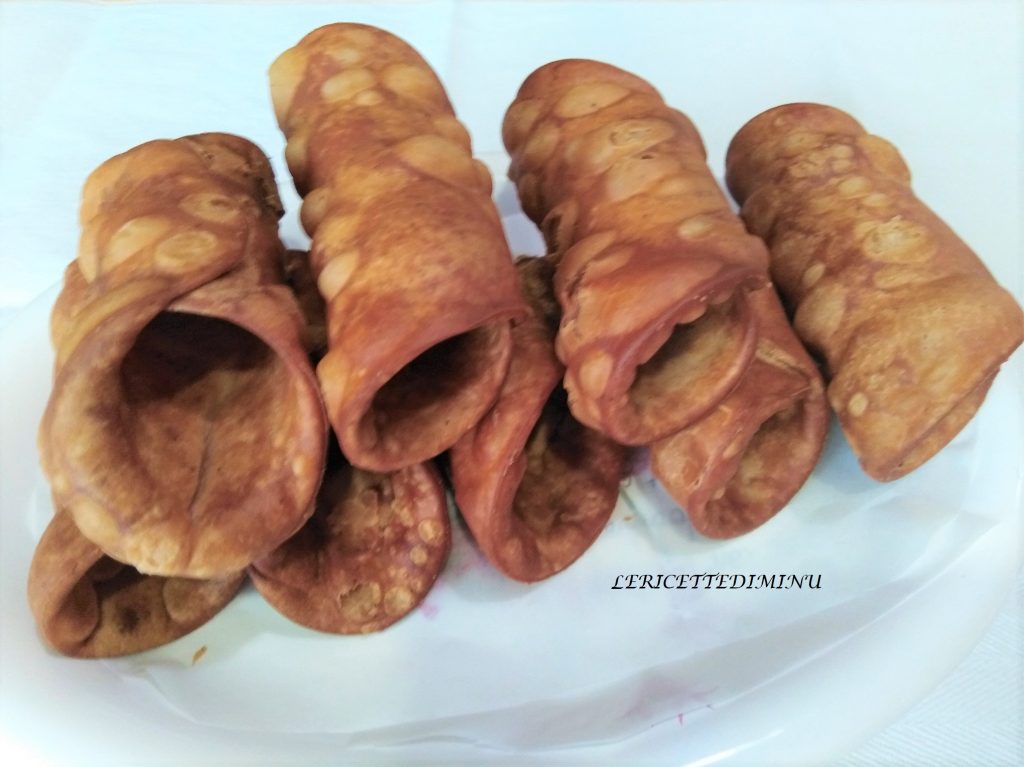
Sicilian cannoli are one of the iconic pastries of Sicilian pastry tradition.
They are known worldwide as a traditional dessert and owe their name to the fact that originally, they were prepared by wrapping the dough around river reeds from which they took their name.
Finding the original recipe for Sicilian cannoli is not easy, although there are various versions available online.
Those who, like me, are Sicilian know, for example, that the shell should not be too thin. The cannoli we find in our best pastry shops have a thick shell and are crunchy to bite into, they are certainly not almost transparent wafers.
I experimented with various recipes and, with the help of texts from master pastry chefs, I arrived at the recipe that I share with you today.
- Difficulty: Medium
- Cost: Very economical
- Rest time: 10 Hours
- Preparation time: 40 Minutes
- Portions: 5
- Cooking methods: Frying
- Cuisine: Italian
- Energy 704.52 (Kcal)
- Carbohydrates 7.15 (g) of which sugars 1.61 (g)
- Proteins 1.01 (g)
- Fat 76.01 (g) of which saturated 8.11 (g)of which unsaturated 64.44 (g)
- Fibers 0.36 (g)
- Sodium 39.50 (mg)
Indicative values for a portion of 9 g processed in an automated way starting from the nutritional information available on the CREA* and FoodData Central** databases. It is not food and / or nutritional advice.
* CREATES Food and Nutrition Research Center: https://www.crea.gov.it/alimenti-e-nutrizione https://www.alimentinutrizione.it ** U.S. Department of Agriculture, Agricultural Research Service. FoodData Central, 2019. https://fdc.nal.usda.gov
Ingredients
- 1 1/4 cups all-purpose flour
- 1 1/2 tbsp sugar
- 1 1/2 tbsp egg yolks
- 3/4 tbsp lard
- 2 tbsp marsala wine
- 2 tsp white wine vinegar
- 1/2 tsp salt
- 1/2 tsp unsweetened cocoa powder
- Half packet vanilla
- Half tsp ground cinnamon
- as needed sunflower oil (for frying)
Tools
- 10 Molds aluminum cannoli tubes (diam. 0.79 inches, length 4.72 inches)
- Pan for frying
- Tongs stainless steel kitchen tongs
- 1 Thermometer kitchen thermometer
- 1 Pasta Machine
Preparation
In a bowl, combine all ingredients and knead for about 10 minutes, until a smooth and consistent dough is obtained.
Wrap the dough in plastic wrap and let it rest for 10-12 hours in the fridge.
After the indicated time, keep the dough at room temperature for about 30 minutes before starting to roll it out.
Divide it in half and keep covered with plastic wrap the part not temporarily used.
Soften the dough a bit by handling it and then roll it out by passing it through the rollers of the pasta machine.
Starting from the thicker setting.
In the first few passes through the machine, the dough will tear, continue until a long and fairly smooth layer is obtained.
At this stage, it’s useful to dust both sides of the dough with flour, but once is enough, and don’t overdo it with the flour.
Now continue one notch at a time and repeat passing through the rollers about twice per notch.
Consider that the final thickness, in my opinion more faithful to the typical thickness of Sicilian cannoli, is 1.5mm (0.06 inches).
In my pasta machine, which has a scale from 1 to 7, where 7 gives the thickest sheet, the setting that gives the most accurate final thickness is number 4 (video).
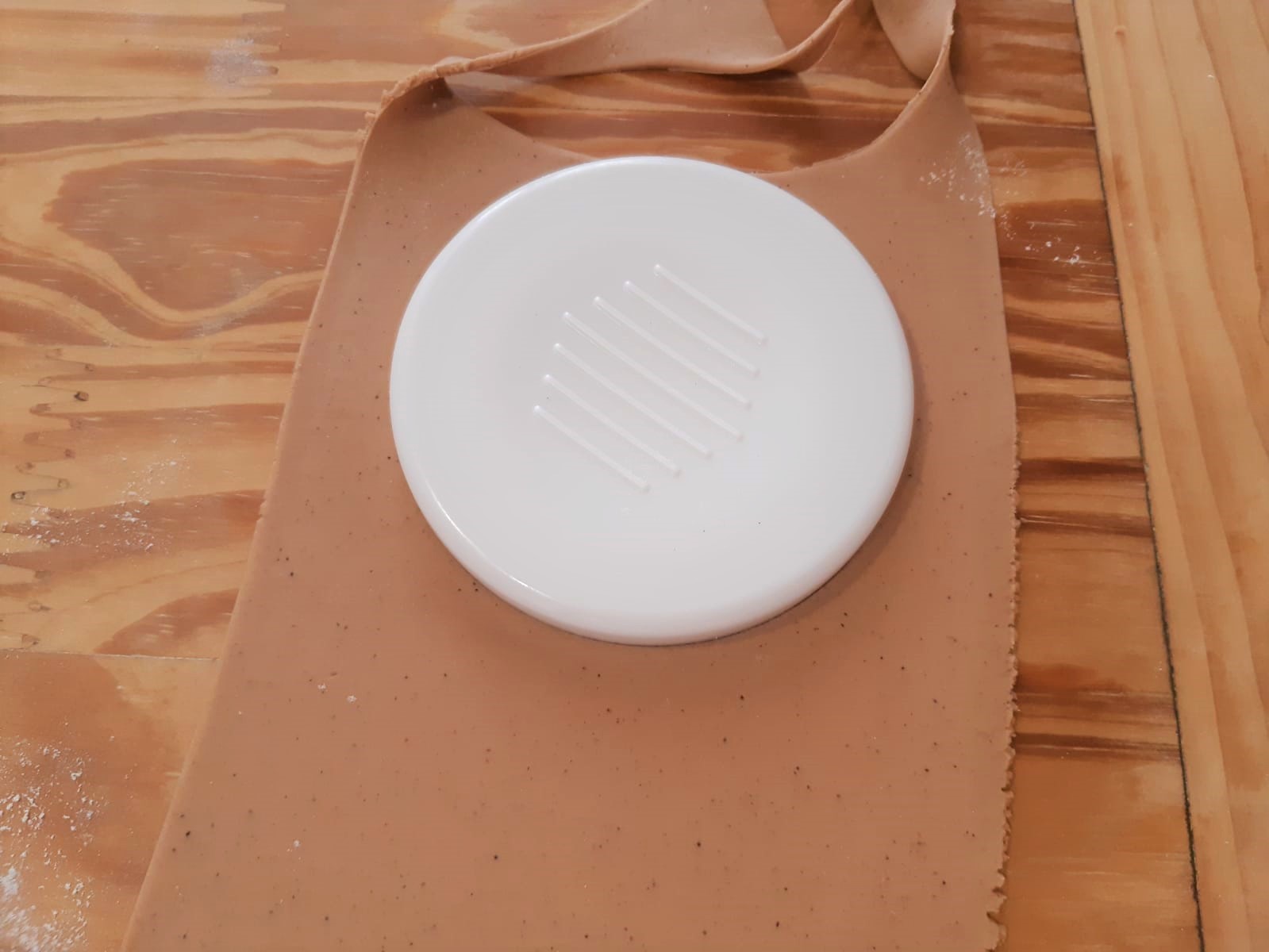
When you have a smooth sheet, cut out circles with a cookie cutter or even with a cup, but consider that once rolled around the cannoli tubes, the circles should be smaller than the tubes.
If the dough extends beyond the ends of the tubes, it would be impossible to remove them without ruining them.
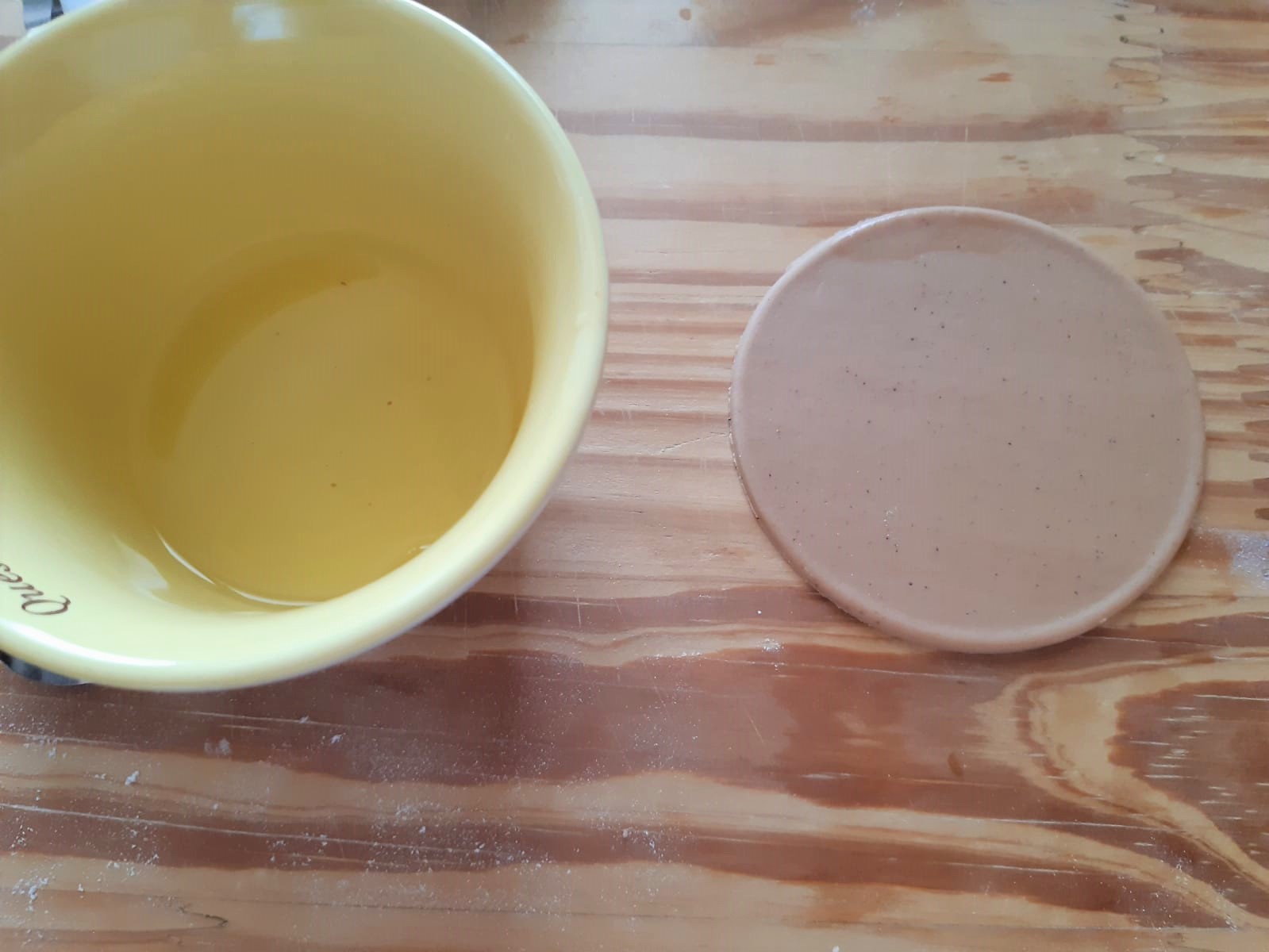
With a little kitchen paper greased with sunflower oil, oil the entire surface of the metal tubes, especially at the center where the joint is.At this point, wrap the circles of dough around the tube and, with a finger moistened with egg white, wet the final part of the flap that will be overlapped on the cannolo.
To make this upper flap adhere well to the underlying dough, press with your fingers on the part where the joint is.
Do not overdo the egg white because if it drips onto the metal of the tube, it will stick the cannolo to it (video).
When all the cannoli shells are shaped, let them dry for half an hour at room temperature before frying.
Fry in a pan with plenty of sunflower oil at a temperature of 175 degrees Celsius (347 degrees Fahrenheit), using a kitchen thermometer.

During cooking, keep the flame moderate to maintain the temperature as stable as possible.Fry the Sicilian cannoli one at a time, or in small numbers.
Lower them into the oil resting on a slotted spoon and leave them resting on top for part of the cooking.
In this way, it will not rest on the base of the pan risking burning.
When the shell starts to form bubbles, it will float to the surface on its own.
For even cooking, turn the cannolo frequently with a metal tongs until it has reached a nice golden color.
It will take a few minutes.
Place the cannoli to drain on absorbent paper and slide them off the tube as soon as they have cooled slightly.
Let them cool before filling.
Their traditional filling is with ricotta and dark chocolate chunks, but they are also delicious filled with custard, chocolate cream, or pistachio cream.
To preserve their crunchiness, fill the cannoli only at the moment of serving.
Here they are made according to the original Sicilian cannoli recipe.
Storage
The Sicilian cannoli shells, when stored in a food bag at room temperature, can be kept for a week or a little more.
The Sicilian cannoli shells, when stored in a food bag at room temperature, can be kept for a week or a little more.
Here is a selection of products that are extremely useful in making desserts. Many of these I have bought and tested myself. To view the recommended products click here.
Here is a selection of products that are extremely useful in making desserts. Many of these I have bought and tested myself. To view the recommended products click here.
