
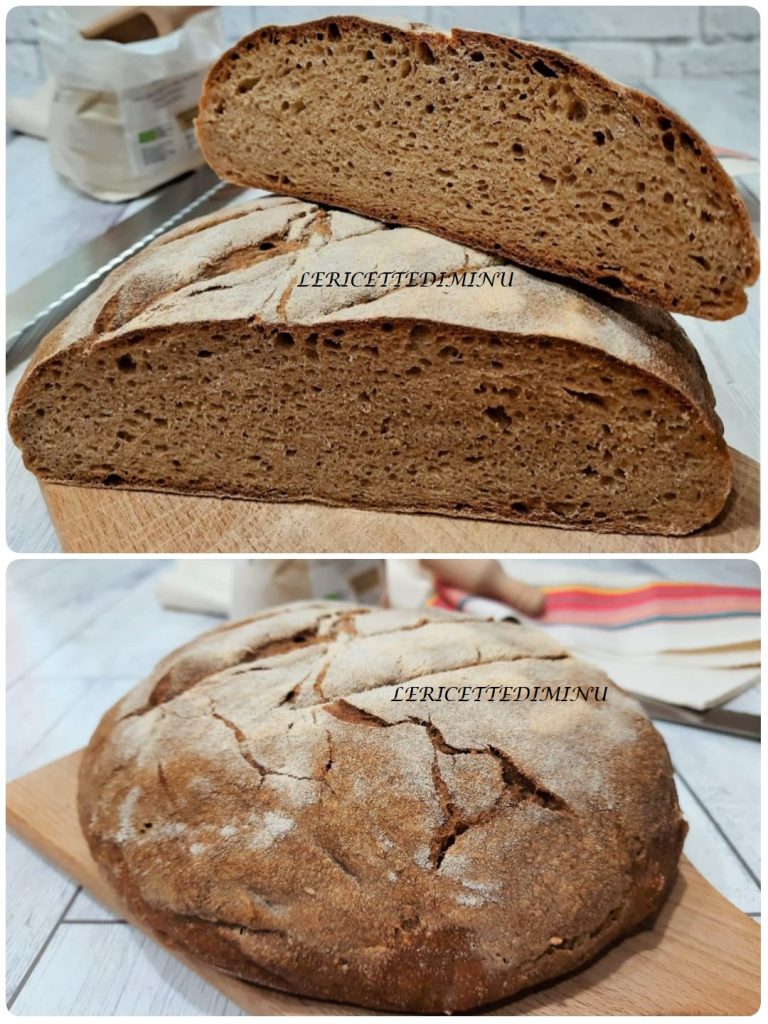
Timilia flour bread (or tumminia) is made from an ancient Italian wheat called timilia.
It is a typical Sicilian flour boasting numerous beneficial properties, requires no particular care for cultivation, and is suitable for organic farming. However, it is not easy to find due to its low demand.
The ears of timilia wheat are stone-milled, a very important factor, as the slow speed of the wheel keeps the temperature low during milling, thus preserving its organoleptic properties.
As mentioned, this flour is rich in nutrients and also contains a substance called lignin, which helps boost the immune system and overall well-being. It is also a good source of B vitamins and several minerals such as calcium, phosphorus, sodium, and potassium.
Timilia flour is characterized by excellent digestibility, has a low glycemic index, high protein value, and contains polyunsaturated fats that protect cells and the cardiovascular system.
Note the low gluten content present in it; in fact, its regular consumption reduces the risk of developing food intolerances.
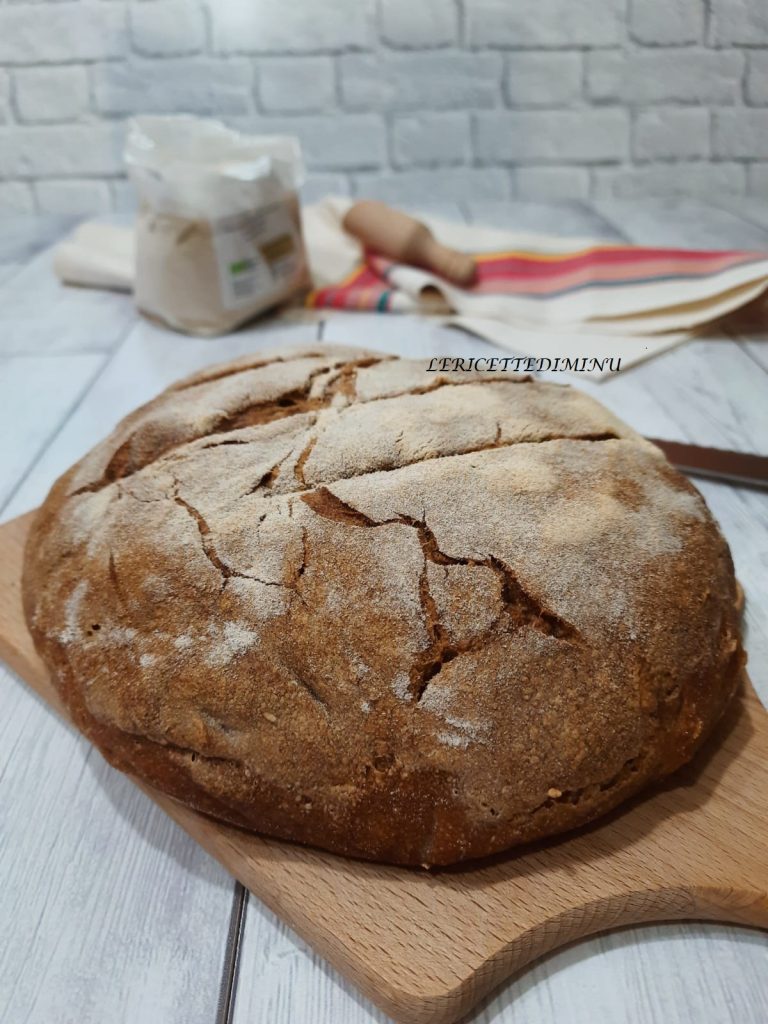
Various products can be obtained from its processing, including pasta, gnocchi, and especially excellent bread with a darker appearance than we are used to.
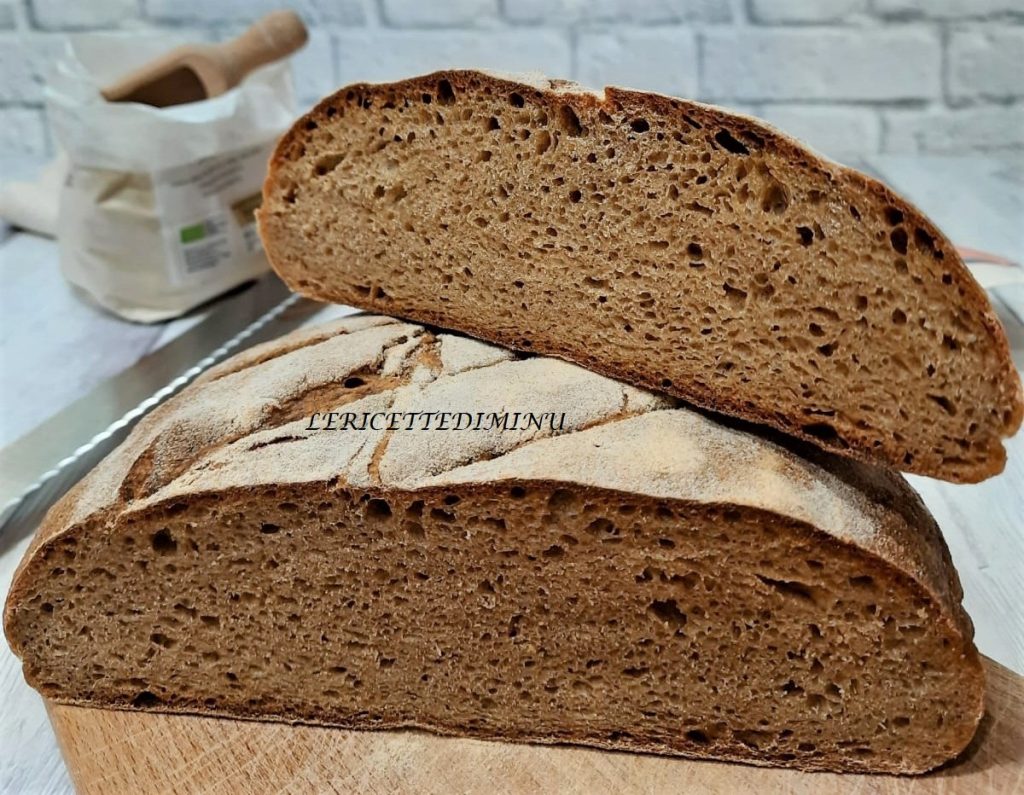
It is very tasty, crunchy on the outside, but with soft crumb that stays fresh for several days. Making it at home is not difficult at all.
If you like my recipes you can follow me on my FACEBOOK page and on INSTAGRAM
Thank you ❤️😘❤️
- Difficulty: Easy
- Cost: Medium
- Rest time: 8 Hours
- Preparation time: 15 Minutes
- Portions: 10
- Cooking methods: Oven
- Cuisine: Italian
- Seasonality: All Seasons
- Energy 193.64 (Kcal)
- Carbohydrates 38.96 (g) of which sugars 1.76 (g)
- Proteins 4.88 (g)
- Fat 3.40 (g) of which saturated 0.56 (g)of which unsaturated 0.73 (g)
- Fibers 6.55 (g)
- Sodium 395.33 (mg)
Indicative values for a portion of 81 g processed in an automated way starting from the nutritional information available on the CREA* and FoodData Central** databases. It is not food and / or nutritional advice.
* CREATES Food and Nutrition Research Center: https://www.crea.gov.it/alimenti-e-nutrizione https://www.alimentinutrizione.it ** U.S. Department of Agriculture, Agricultural Research Service. FoodData Central, 2019. https://fdc.nal.usda.gov
Ingredients
- 3 3/4 cups flour (organic timilia)
- 1 3/4 cups water (warm)
- 1 tsp yeast (dry sourdough)
- 2 tablespoons extra virgin olive oil
- 1 tablespoon sugar
- 2 tsp fine salt
Tools
- Baking Tray
- 1 Bowl
Steps
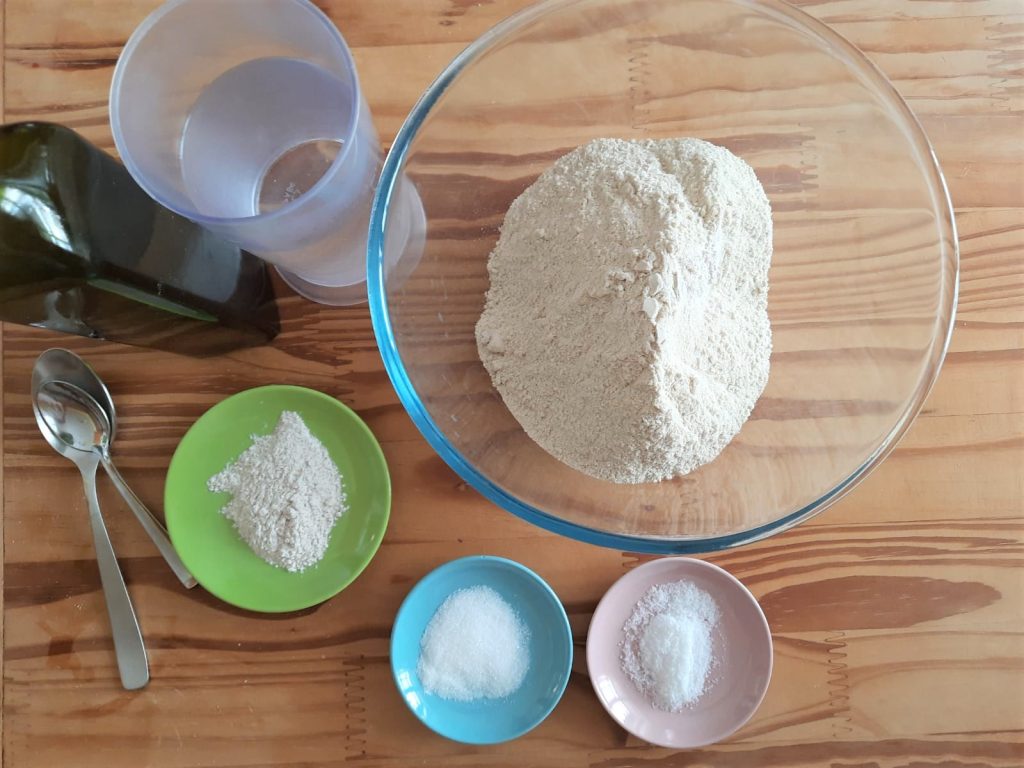
To prepare the timilia flour bread, combine the flour, dry sourdough yeast (I used the one that doesn’t require the addition of brewer’s yeast), and sugar in a large bowl.
I used the amount of sourdough yeast required to make an 8-hour rise dough.
Add the slightly heated water and start kneading.
Knead for about 5 minutes, then add the oil and fine salt, and resume kneading for at least ten minutes in total.
Shape the dough into a round form, lightly flouring both the bottom and top, and place it in a bowl to rise at room temperature, covered with plastic wrap for 2 hours.
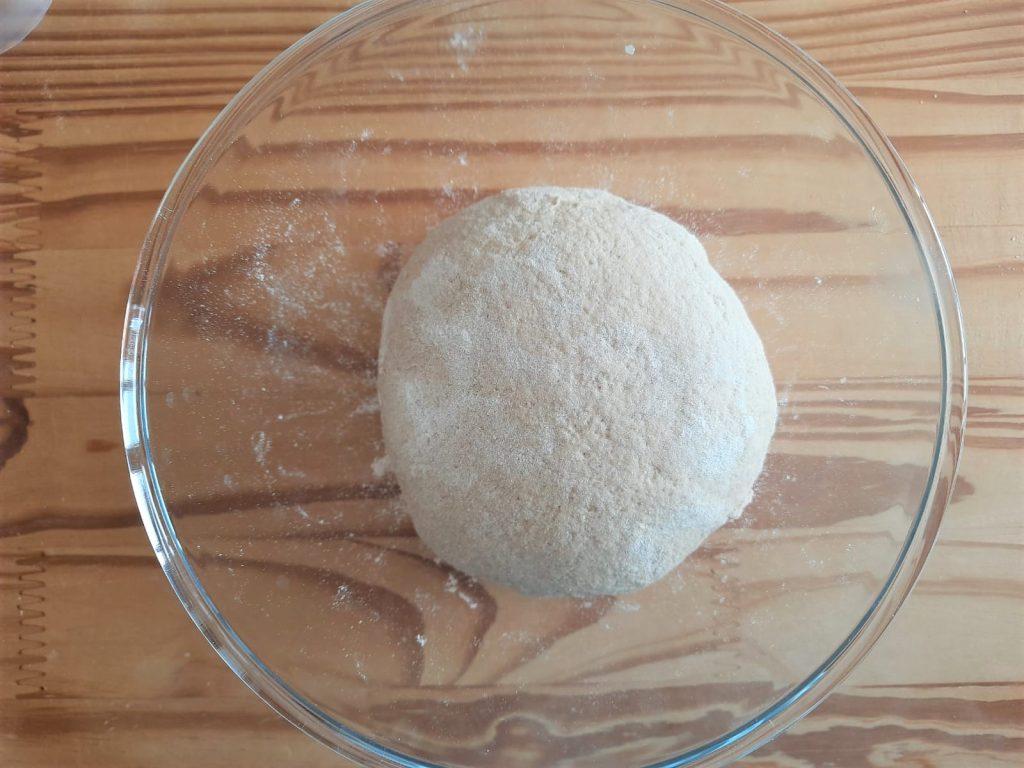
After that time, take the rising dough and make folds by spreading it with your fingertips without pressing too much.
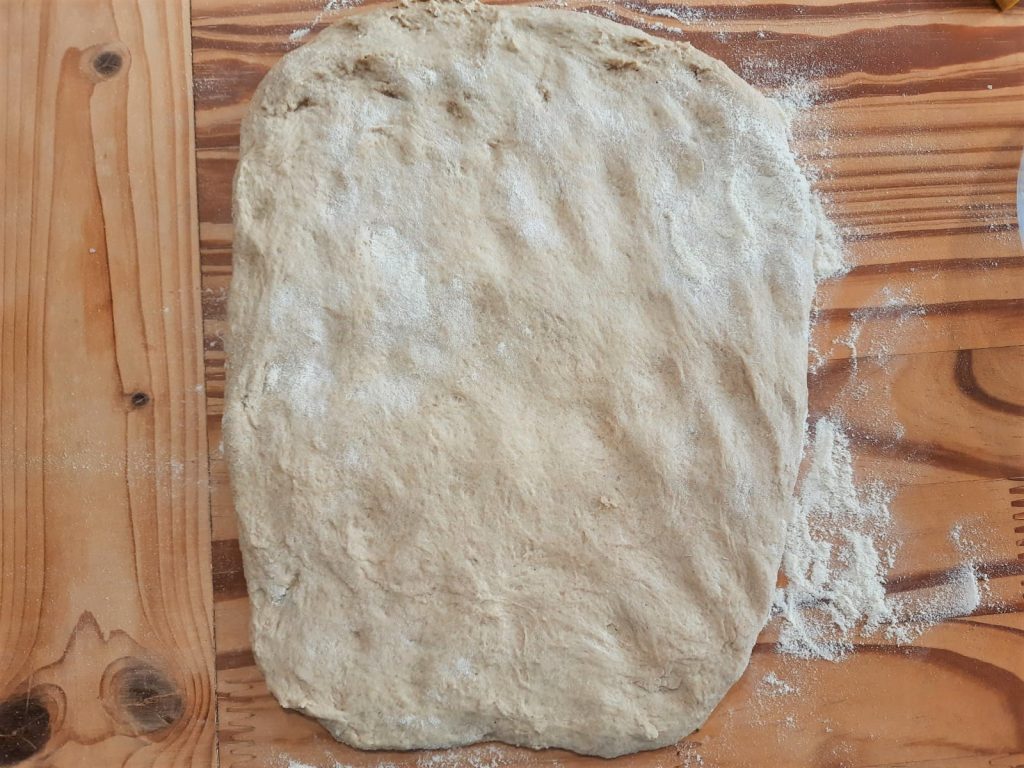
First, make a long rectangle, then fold the two side ends towards the center, and finally roll the loaf on itself from the longer side.
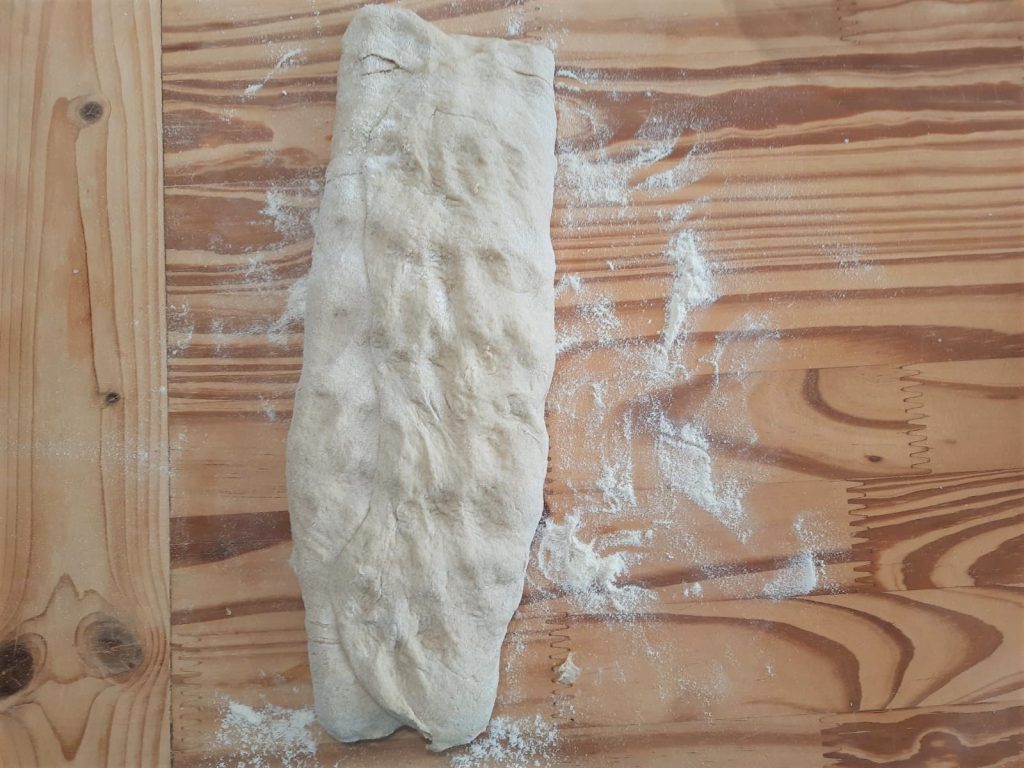
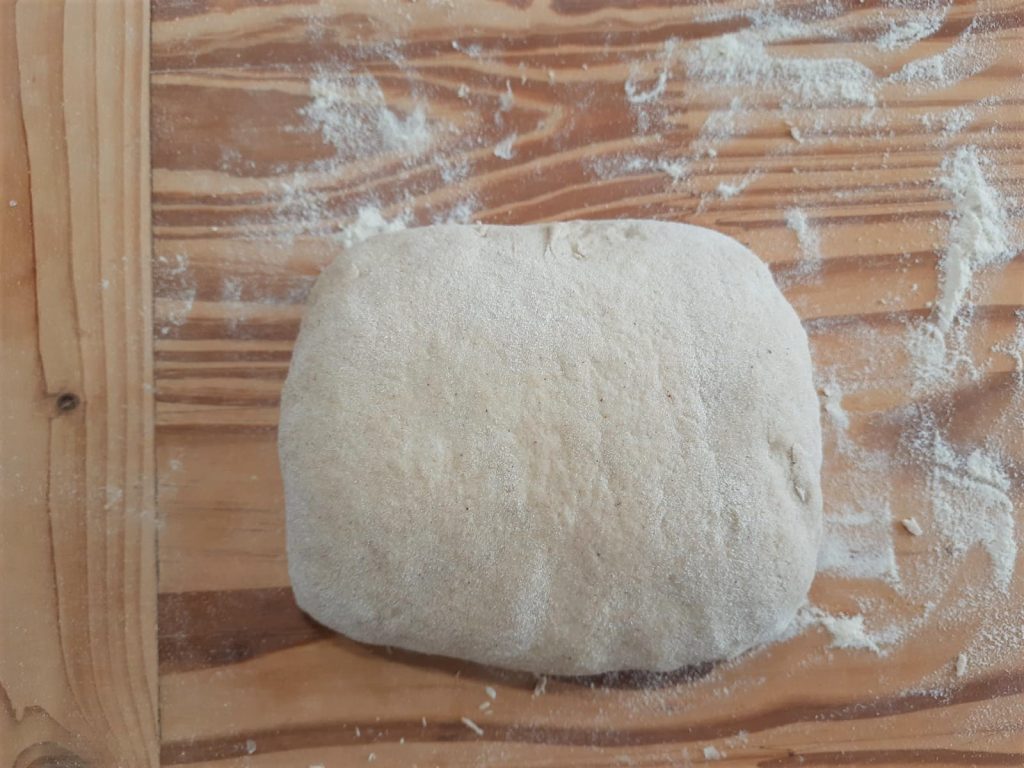
Put it back to rise, this time inside a floured towel placed in a bowl.
Cover with plastic wrap until the volume triples.
Once the dough has risen, preheat the oven to the maximum temperature a quarter-hour before baking.
Transfer the dough to a baking tray lined with parchment paper and make parallel or cross cuts on the surface.
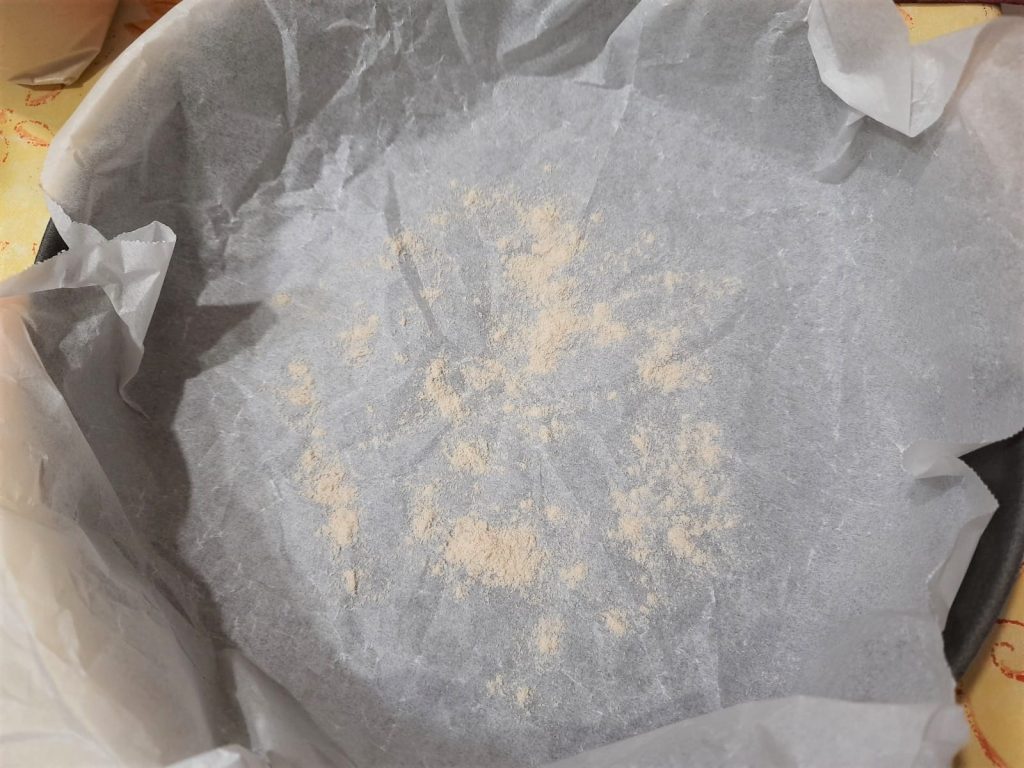
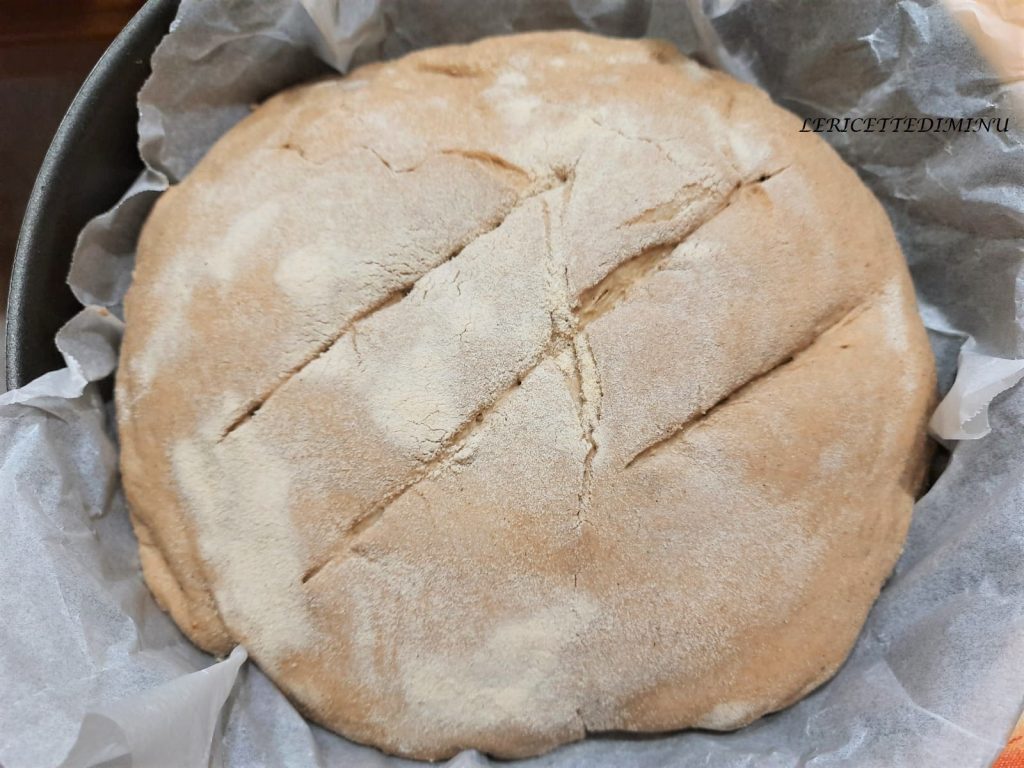
Place a bowl containing water that can withstand high temperatures inside the oven as well.
Bake the bread in a static oven at 482°F for the first 10 minutes and then at 356°F for another 40 minutes, on the center level of the oven.
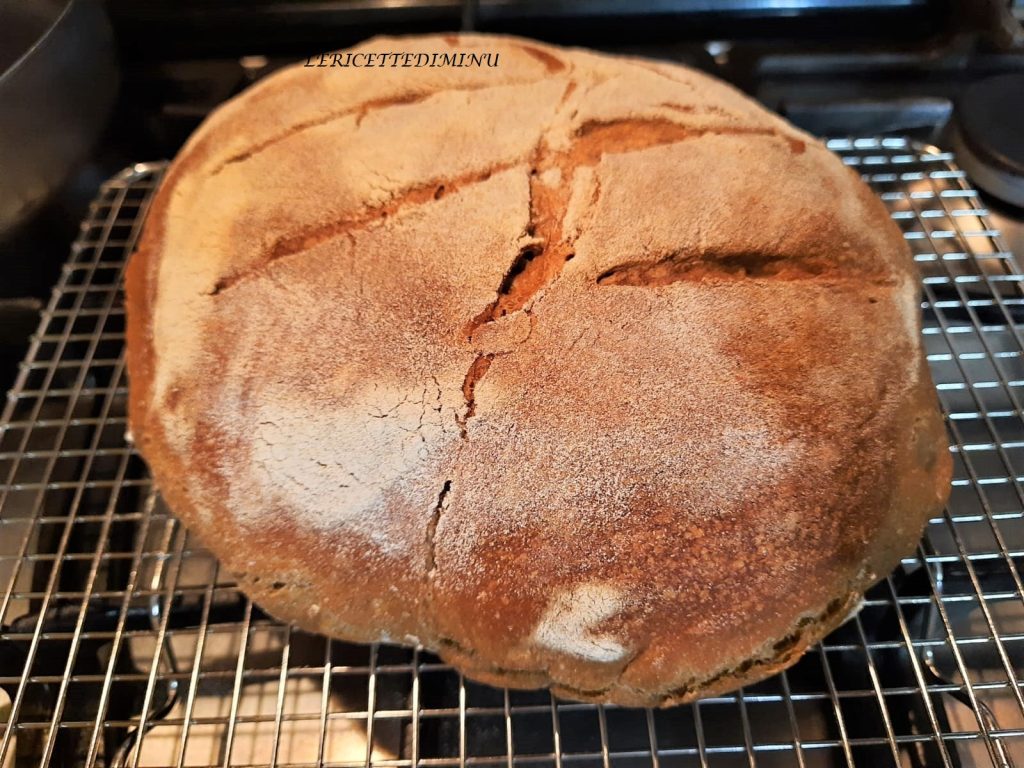
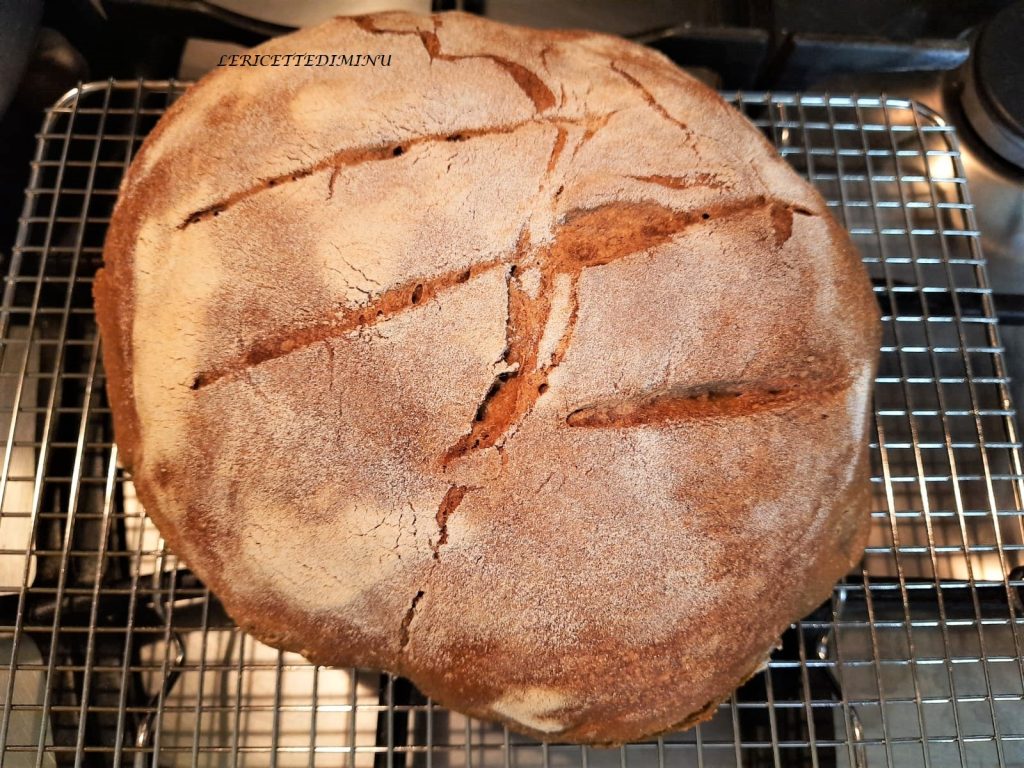
Once out of the oven, let it cool on a rack.
Timilia flour bread is now ready.
In specific bread bags, or in a clean, unscented cloth, it keeps for several days.
If you want to extend the storage time, being aware that the bread will lose its crunchiness, you can store it in plastic bags or an airtight container.
If you want to extend the storage time, being aware that the bread will lose its crunchiness, you can store it in plastic bags or an airtight container.
Here is a selection of excellent kitchen products. Many of these have been bought and tested by myself. The list will be constantly updated.
To view the recommended products click here.
To view the recommended products click here.
