
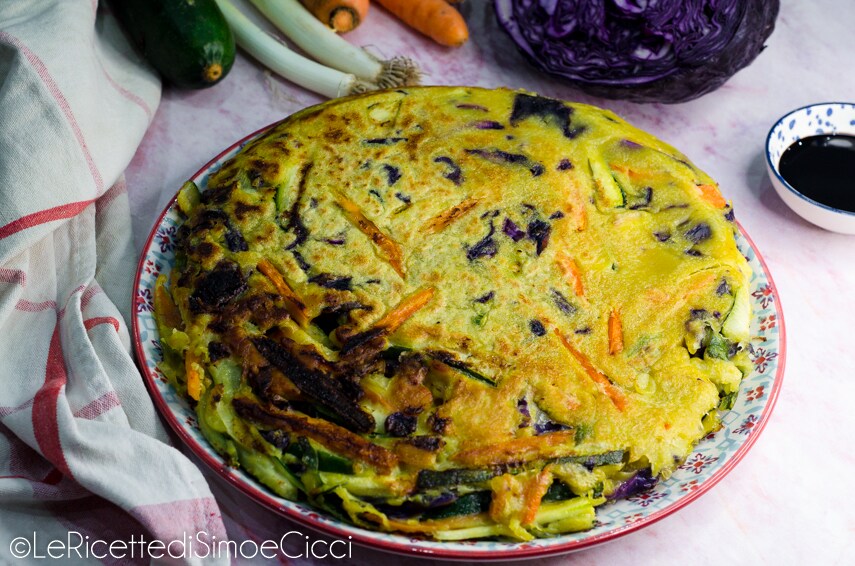
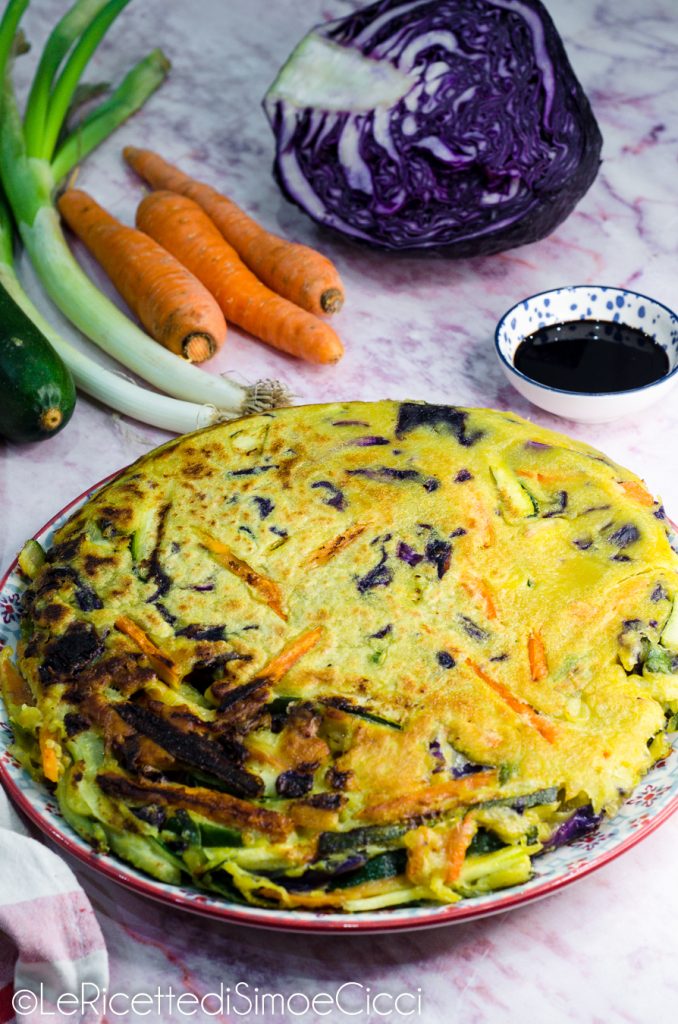
The Korean Pancakes are delightful vegetable fritters completely vegetarian, made with a simple batter of water and flour. These Yachae Jeon literally mean vegetable fritters, and you can make them with many types of vegetables such as zucchini, carrots, scallions, purple cabbage as in our version, or with many others as you can read in the notes at the end of the article.
The preparation is really simple: we make a batter with water, cornstarch, baking powder, paprika, and water. We pour the thinly sliced vegetables into the batter. Heat a non-stick pan, pour in some oil, and a generous amount of batter with vegetables. Cook on both sides and repeat the same operation for the remaining batter (we got 2 pancakes). Once ready, cut the pancakes into small squares or small pieces and enjoy them with soy sauce.
A perfect dish for an appetizer, an aperitif or a dinner different from usual, these Korean pancakes are easy and quick to prepare because the batter is made in 5 minutes, practical because we can also prepare the batter in advance and store it in the fridge until use, and it is also a great leftover and anti-waste recipe because we can use the vegetables left in the fridge or leftovers from other preparations. And then, not to be overlooked, they are delicious! You just have to try them!
To not miss any recipe follow us on our Facebook page by clicking like HERE, on the Instagram page by clicking ‘follow’ HERE or on TikTok.
Discover also:
- Difficulty: Very easy
- Cost: Very cheap
- Preparation time: 5 Minutes
- Portions: 4
- Cooking methods: Stovetop
- Cuisine: Korean
- Seasonality: All seasons
- Energy 259.00 (Kcal)
- Carbohydrates 54.35 (g) of which sugars 3.57 (g)
- Proteins 6.42 (g)
- Fat 3.84 (g) of which saturated 0.28 (g)of which unsaturated 0.96 (g)
- Fibers 8.82 (g)
- Sodium 515.23 (mg)
Indicative values for a portion of 50 g processed in an automated way starting from the nutritional information available on the CREA* and FoodData Central** databases. It is not food and / or nutritional advice.
* CREATES Food and Nutrition Research Center: https://www.crea.gov.it/alimenti-e-nutrizione https://www.alimentinutrizione.it ** U.S. Department of Agriculture, Agricultural Research Service. FoodData Central, 2019. https://fdc.nal.usda.gov
Ingredients to prepare the Korean Vegetable Pancake
- 1 1/2 cups flour
- 1/3 cup cornstarch (or potato starch)
- 2 teaspoons instant yeast for savory preparations
- 1 1/2 cups water
- salt
- paprika (optional)
- 1 carrot
- 1 zucchini
- 1 fresh scallion
- 1/4 red cabbage
- vegetable oil
Tools to prepare the Korean Vegetable Pancake
- 1 Cutting board
- 1 Knife
- 1 Bowl
- 1 Hand whisk
- 1 Spatula
- 1 Pan
- 1 Brush
- 1 Stovetop
Steps to prepare the Korean Vegetable Pancake
First, prepare the Korean vegetable pancake by pouring into a bowl the flour, cornstarch, instant yeast, salt, and if used, paprika.
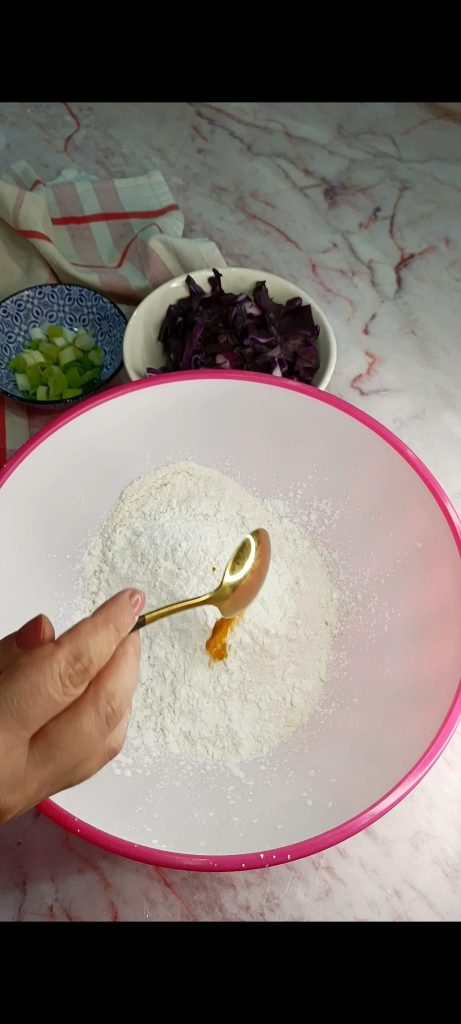
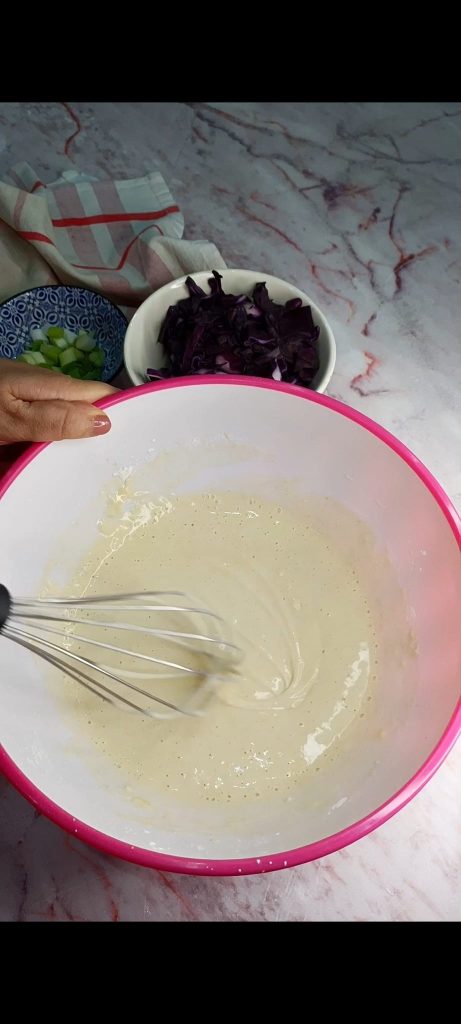
Slowly pour water into the flour and mix with a hand whisk until you get a smooth and thick batter. Add a few tablespoons of water to reach the right consistency.
Scrape the carrots and trim the zucchini, then cut them into strips.
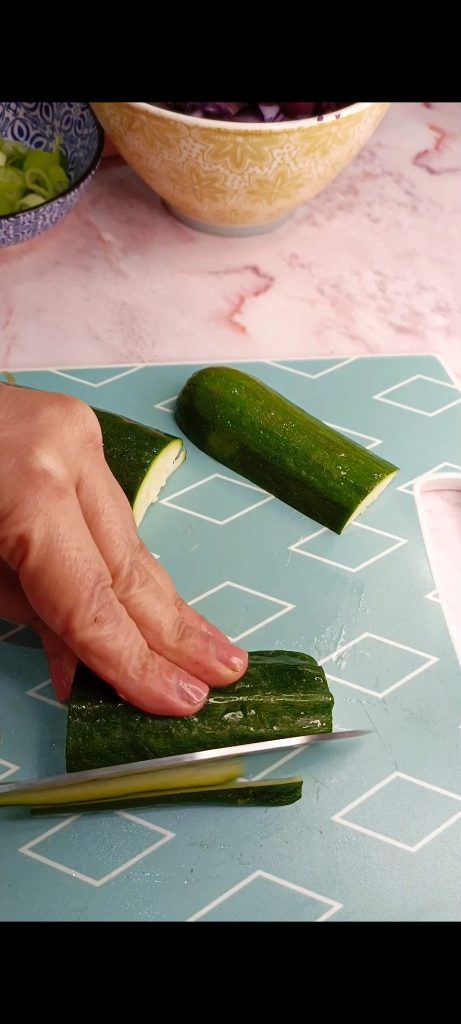
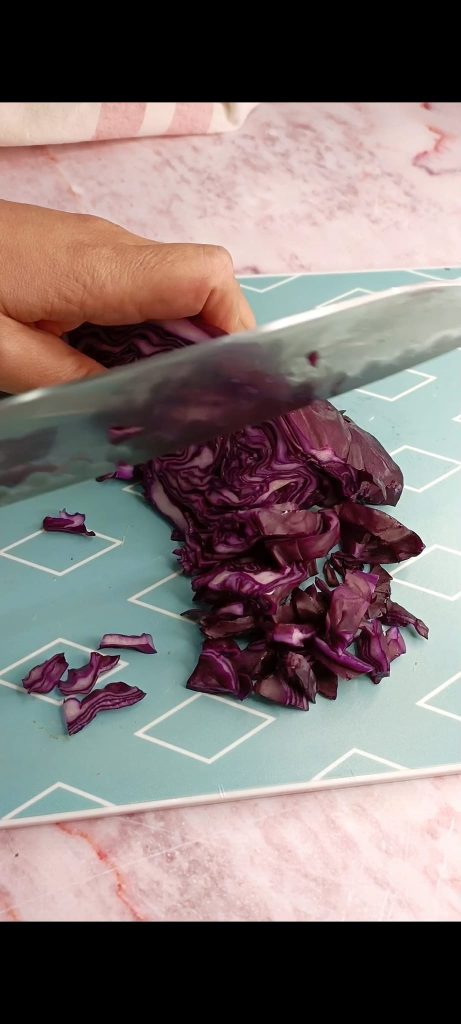
Cut the scallion into rings and the red cabbage into thin strips.
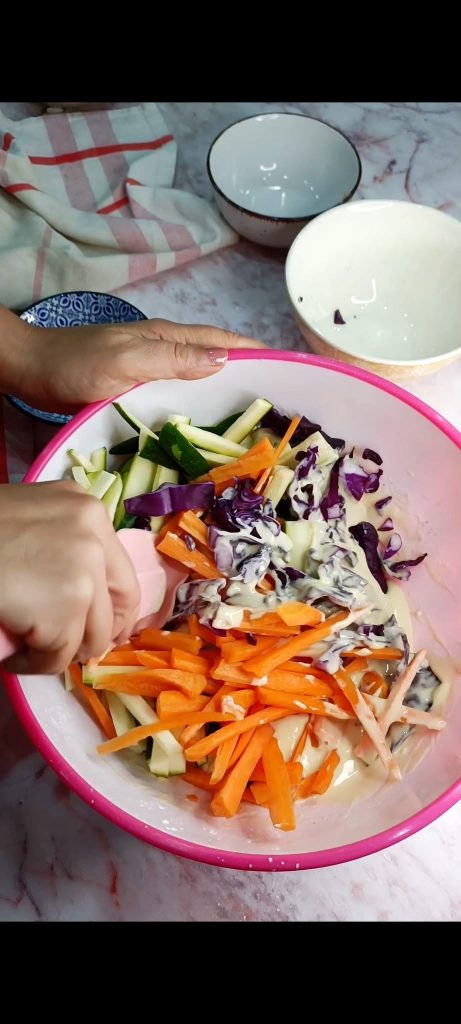
Add the vegetables to the batter and mix with a spatula until all ingredients are perfectly combined.
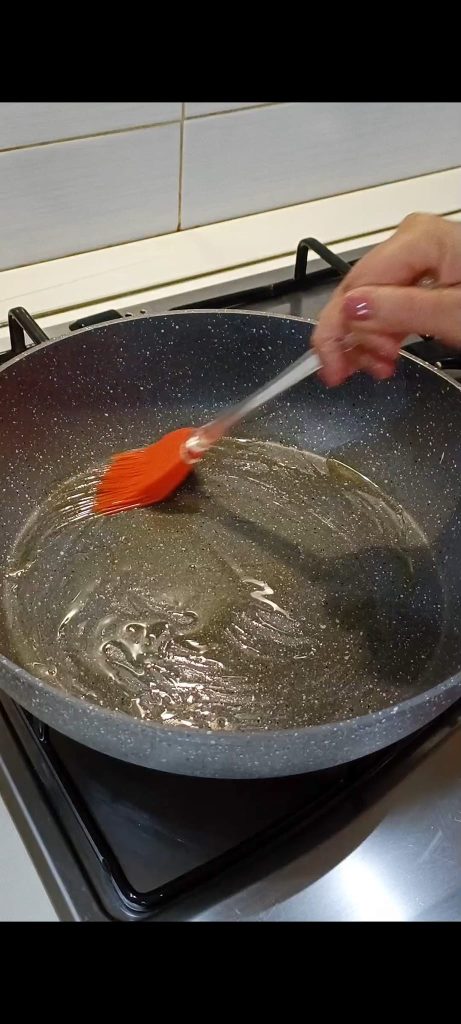
Pour oil into a non-stick pan and spread it over the entire surface of the pan with a kitchen brush.
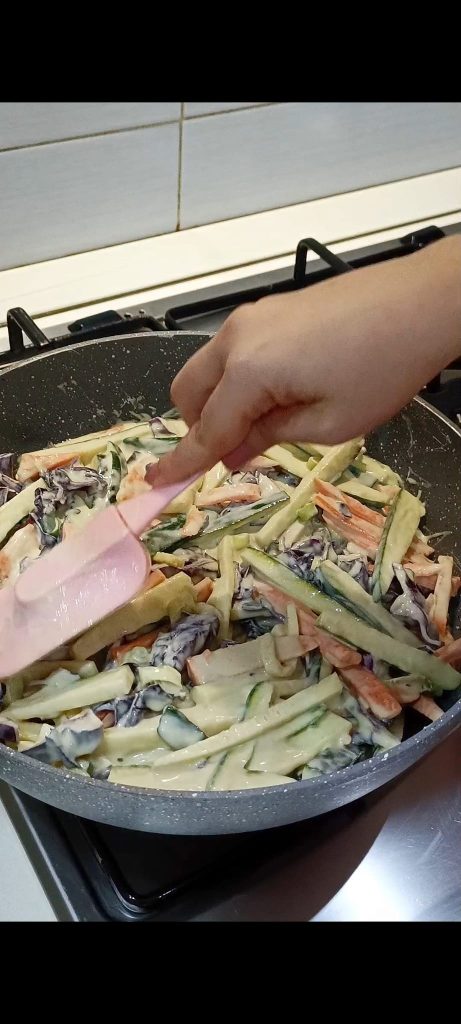
Pour a generous amount of batter with vegetables into the pan and cook for 5 minutes on medium heat until the batter starts to dry out. If necessary, cover with a lid to perfectly cook the vegetables. Once golden, slide the pancake onto a plate and flip it to cook the other side for another 5 minutes. If you prefer crispier pancakes, cook them a few minutes longer on each side. Repeat the same operation for the remaining batter.
Serve the Korean vegetable pancake.
Simo and Cicci recommend
Store the cooked pancakes in an airtight container in the fridge for 1-2 days. To reheat them, fry the pancakes in a pan for 2-3 minutes on each side until they become crispy again.
You can use other types of vegetables such as onions, peppers, mushrooms, potatoes, cabbage. It is important that they are cut quite thin to cook well.
If using vegetables rich in water, add a few more tablespoons of flour to the batter. A great way to remove excess water is to salt the vegetables first and squeeze out the excess liquid before mixing it into the batter. This way, extra moisture is extracted.
You can use wholemeal or chickpea flour for a gluten-free version.
