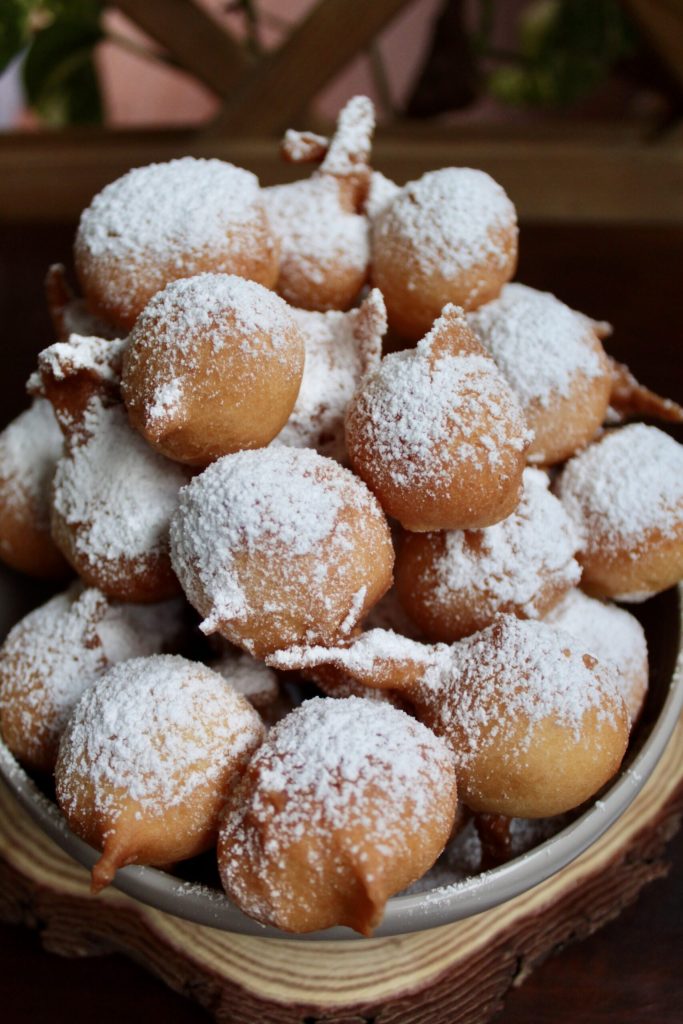
Soft inside, golden outside, and ready in minutes: these spoon castagnole are the easiest Carnival dessert you can make, even if you don’t like kneading. Lemon-scented and dusted with powdered sugar, you can’t stop at just one.
When Carnival arrives, the same thing always happens in my kitchen: the air fills with the scent of hot oil, powdered sugar appears on the furniture like out-of-season snow, and someone in the family stops by “just to see how things are going” — which actually means stealing the first still-warm castagnola.
This spoon castagnole recipe is one of those that doesn’t need notebooks, notes, or a scale at hand. It’s a family recipe, one my mom used to whip up when a special snack was needed but time was short. And even today, when my brother craves homemade dessert, he doesn’t ask for elaborate cakes: he asks for these.
Castagnole are one of the iconic sweets of Italian Carnival, and there are a thousand versions: filled, baked, with liqueur, with ricotta. However, this one has a superpower: no kneading required. Everything is prepared in a bowl (or mixer), the dough is scooped with a spoon and dropped directly into the oil. In a few minutes, golden, light, and soft balls with a soft heart and a delicate lemon scent are born.
It’s the perfect recipe if:
you have little time but don’t want to miss out on homemade dessert
you want to involve children in the kitchen
you’re preparing a tray of treats for friends or family
or simply want to bring a bit of Carnival atmosphere to the table, even on an ordinary afternoon.
Prepare the powdered sugar, heat the oil, and get the teaspoon ready: these spoon castagnole disappear faster than they fry.
- Difficulty: Very Easy
- Cost: Economical
- Preparation time: 5 Minutes
- Portions: 8 people
- Cooking methods: Stove
- Cuisine: Italian
- Seasonality: Carnival
- Energy 260.83 (Kcal)
- Carbohydrates 13.73 (g) of which sugars 3.85 (g)
- Proteins 2.39 (g)
- Fat 22.50 (g) of which saturated 3.91 (g)of which unsaturated 17.46 (g)
- Fibers 0.33 (g)
- Sodium 9.46 (mg)
Indicative values for a portion of 1 g processed in an automated way starting from the nutritional information available on the CREA* and FoodData Central** databases. It is not food and / or nutritional advice.
* CREATES Food and Nutrition Research Center: https://www.crea.gov.it/alimenti-e-nutrizione https://www.alimentinutrizione.it ** U.S. Department of Agriculture, Agricultural Research Service. FoodData Central, 2019. https://fdc.nal.usda.gov
Ingredients
- 3 eggs
- 3 tablespoons granulated sugar
- 3 tablespoons milk (or water)
- 3 tablespoons vegetable oil
- lemon zest
- 3 teaspoons baking powder
- 2.5 cups all-purpose flour
- peanut oil (for frying)
- powdered sugar (for dusting)
Tools
- 1 Electric Whisk
- 1 Pot
Procedure
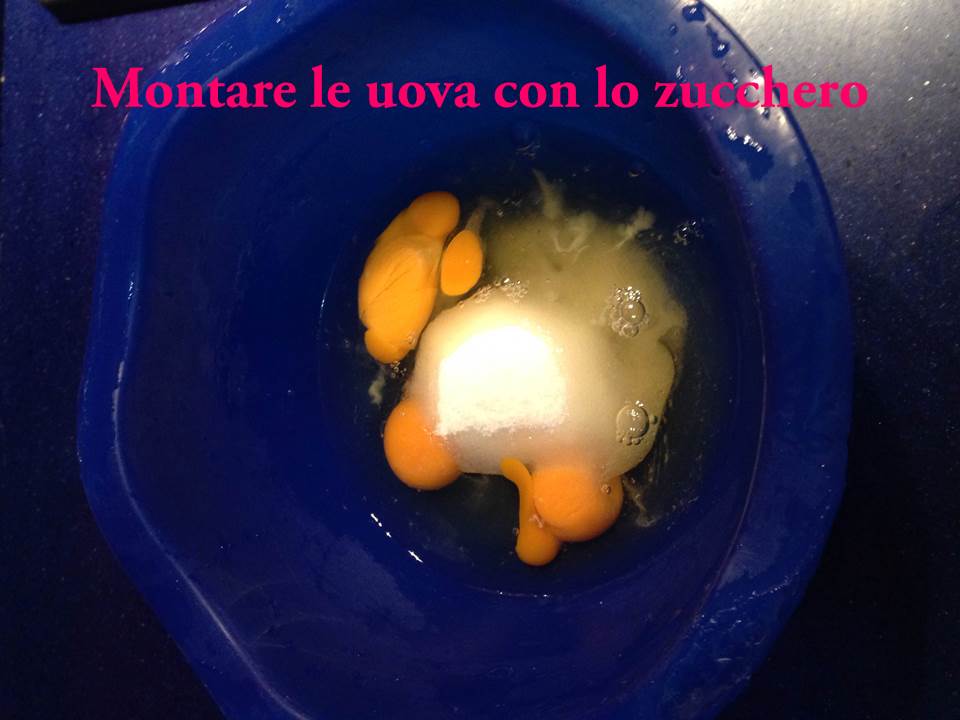
Start by cracking the eggs into the mixer bowl (or a large bowl if using electric whisks). Add the sugar and whisk until you get a pale and slightly frothy mixture.
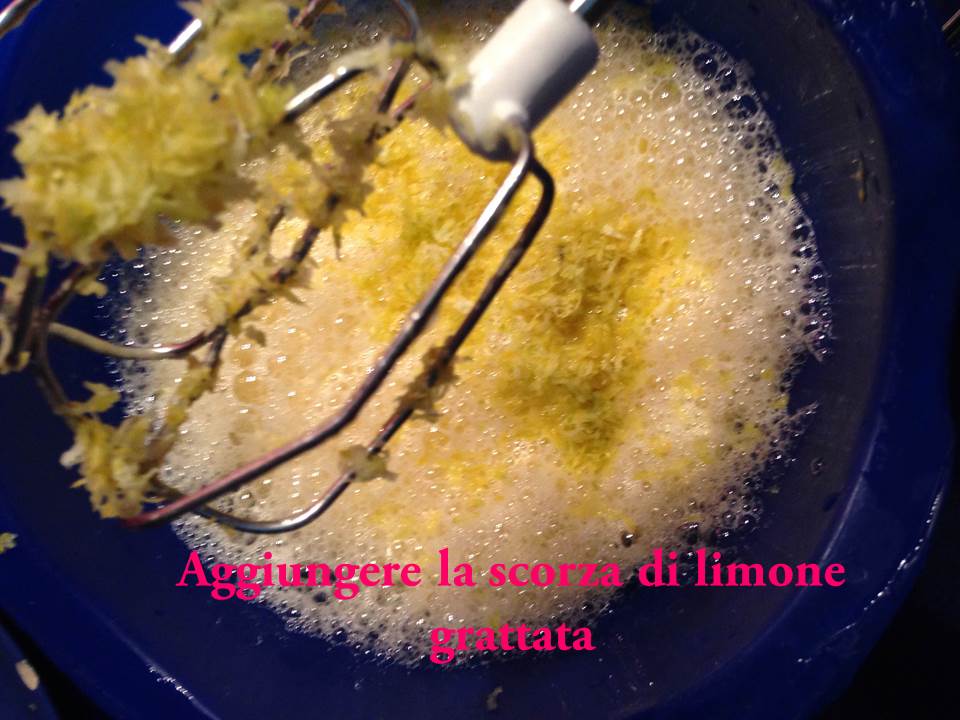
Lower the speed and add the milk (or water), vegetable oil, and grated lemon zest. Mix for a few more seconds, just enough to combine everything.
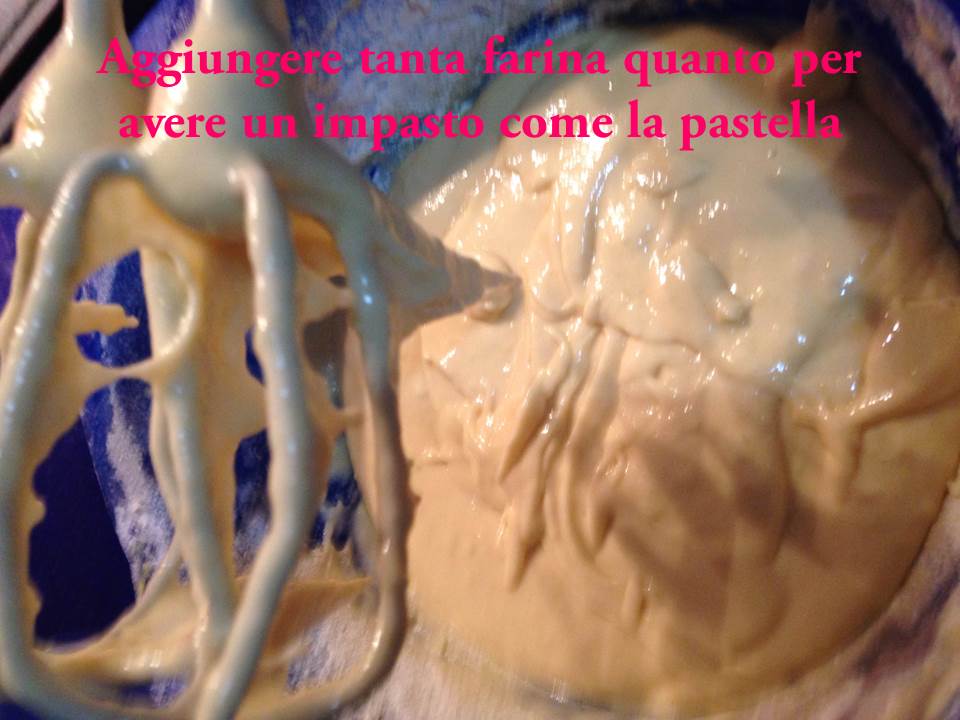
At this point, add the flour gradually along with the baking powder. Do not pour it all at once: the amount may vary depending on egg size and flour type. Continue mixing to achieve a soft dough, similar to a doughnut batter or a “writing batter” that falls from the spoon slowly and continuously.
Pour the peanut oil into a high-sided pan, about 8 inches in diameter, and bring it to temperature over medium heat.
To check if the oil is ready, dip a wooden toothpick in: if many bubbles form around it, you can start frying.With the help of a teaspoon, scoop a small amount of batter and let it slide into the hot oil. If needed, help it down with a finger in one single motion.
Fry a few castagnole at a time, gently turning them, until they are golden on all sides. As they are ready, drain them on paper towels.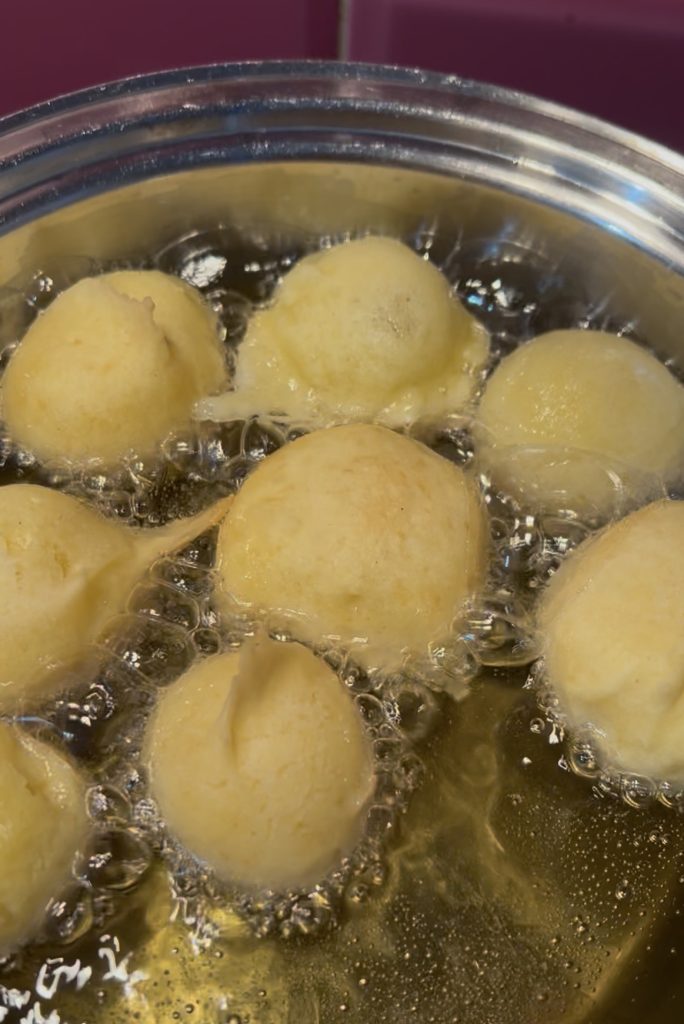
Tips, Variations, and Notes from Aunt Debby
Consistency is everything: if the batter is too thick, the castagnole will be dense. If it’s too runny, they will lose shape during cooking. It should fall from the spoon slowly, like a thick cream.
Oil temperature: keep it lively but not too high. If the oil is too hot, the castagnole will darken on the outside while remaining raw inside. If too cool, they’ll absorb oil and be heavy.
Alternative scents: instead of lemon, you can use grated orange, vanilla, or a splash of liqueur (like rum or anise) for a more “grown-up” version.
Storage: these castagnole are best freshly made but can be kept under a cake dome for a day. Before serving, add a fresh dusting of powdered sugar.
If you try them, let me know if the same thing happens at your house as it does at mine: someone tastes “just one”… and can’t stop 💛🍩
Can I prepare the spoon castagnole dough in advance?
Better not: the dough is at its best when fried immediately, so the castagnole come out puffier, softer, and lighter.
Can I cook the spoon castagnole without frying them?
This dough is very soft and fluid, so without molds, it doesn’t hold its shape. For oven or air fryer cooking, special cake pop molds are needed; otherwise, the best version remains fried.