Today I’ll explain how to cook cabbage in a tasty and quick way. Cabbage is delicious sautéed in a pan, stewed, au gratin in the oven or stewed Pugliese style; it is fresh and crunchy when eaten raw, irresistible when prepared as a roll, and perfect in soups. It’s also good simply boiled. It works well as a main dish, side dish, or even as an ingredient for first and second courses.
SEASONALITY of #cabbage – from September to April.
The best cabbage is the one that has gone through a frost. There are also summer varieties that are sweet even before the cold.
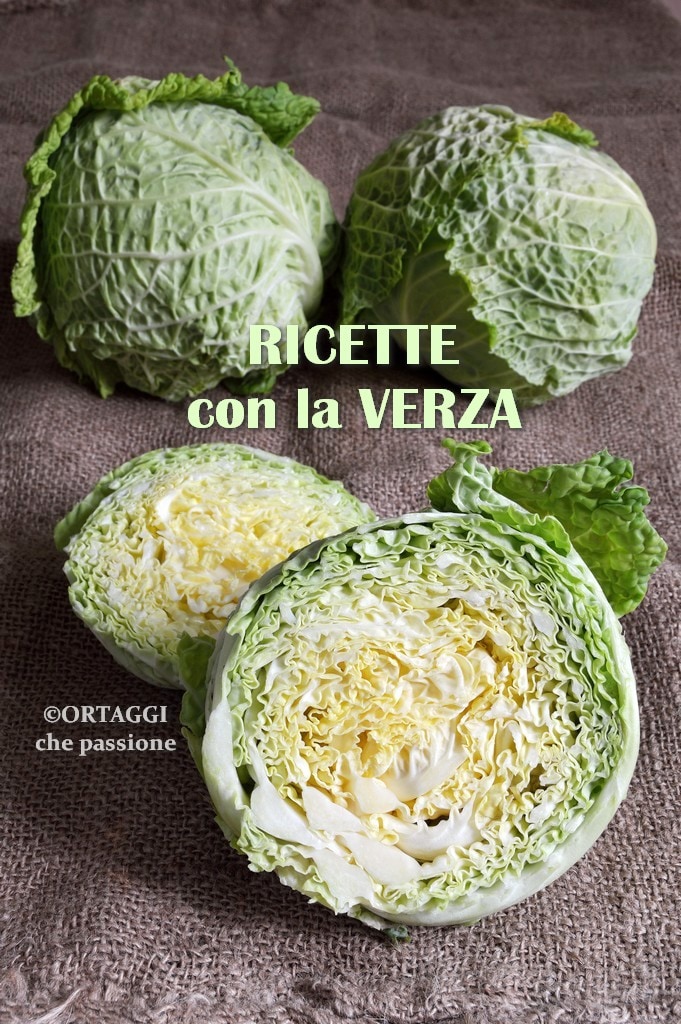
Also known as: Milan cabbage, Lombard cabbage, Savoy cabbage, common cabbage, common savoy cabbage.
CULTIVATION
For cultivating cabbage, choose a fertile, well-drained soil rich in organic matter. Plant seeds in a nursery in late spring, and transplant seedlings into the ground when they have about 4-6 leaves. Space plants at least 16 inches apart. Water regularly, keeping the soil moist but without waterlogging. Fertilize with nitrogen-rich fertilizer to promote growth. Check for pests and protect against attacks with natural methods or specific products. Harvest the cabbage when the head is well-formed and compact.
RECIPES with red cabbage (red cabbage)
- Difficulty: Easy
- Cost: Cheap
- Preparation time: 5 Minutes
- Portions: 1 Piece
- Cooking methods: Stove, Steaming, Pressure Cooker
- Cuisine: Healthy
- Seasonality: Fall, Winter, and Spring
- Energy 27.00 (Kcal)
- Carbohydrates 6.10 (g) of which sugars 2.27 (g)
- Proteins 2.00 (g)
- Fat 0.10 (g) of which saturated 0.01 (g)of which unsaturated 0.06 (g)
- Fibers 3.10 (g)
- Sodium 28.00 (mg)
Indicative values for a portion of 100 g processed in an automated way starting from the nutritional information available on the CREA* and FoodData Central** databases. It is not food and / or nutritional advice.
* CREATES Food and Nutrition Research Center: https://www.crea.gov.it/alimenti-e-nutrizione https://www.alimentinutrizione.it ** U.S. Department of Agriculture, Agricultural Research Service. FoodData Central, 2019. https://fdc.nal.usda.gov
Boiled Cabbage
- 1 cabbage
- to taste water
below the calories of 100 grams of cabbage
Tools
- Pan tall stainless steel
- Pressure Cooker 7 liters
Boiled Cabbage
– IN BOILING WATER: immerse cabbage leaves or pieces in salted and preheated water, cooking for 10-15 minutes. This method disperses some nutrients into the cooking water.
– STEAMED: steam the cabbage using a steamer basket for 15-20 minutes. It’s a gentler method that helps preserve vitamins and minerals.
– IN A PRESSURE COOKER (or Instant Pot): cooking takes only 5-7 minutes, it’s the fastest method. Simply wash and cut the cabbage into pieces, add a cup of water to the bottom, place it in a steamer basket, and close the lid. This method preserves nutrients and flavor.– Season it with a drizzle of extra virgin olive oil and salt for a simple and light taste.
– Add a bit of lemon juice or balsamic vinegar to add freshness and acidity.
– For a richer taste, add chopped garlic and chili (or herbs), sautéing everything in a pan for a few minutes.
– Mix the cabbage with toasted sesame seeds and soy sauce for an oriental taste.
– Enrich the dish with nuts or chopped almonds and grated cheese to add crunchiness and flavor.
– Arugula Pesto: blend arugula, nuts (cashews, almonds, walnuts, hazelnuts, pine nuts, pistachios), garlic, and vegan parmesan with olive oil and water to create a liquid pesto to mix with the cabbage.
– Tahini Sauce: mix tahini, lemon juice, garlic, and water to create a creamy sauce to pour over the cabbage.
– Cherry Tomatoes and Olives: add fresh cherry tomatoes halved and pitted black olives for a Mediterranean touch. Season with oil, salt, and oregano.
– Melted Cheese: melt cheese (like gorgonzola or taleggio) and pour over the hot cabbage for a delicious and creamy dish.
– Yogurt Sauce: mix natural yogurt with chopped fresh herbs (like basil, mint, or parsley) and salt. This sauce is light and fresh.
– Caramelized Onion: cook onions in a pan until sweet and soft, then add to the cabbage for a contrast of flavors.
– Mustard and Honey Sauce: combine mustard, honey, and a bit of vinegar for a sweet and spicy sauce to pour over the cabbage.
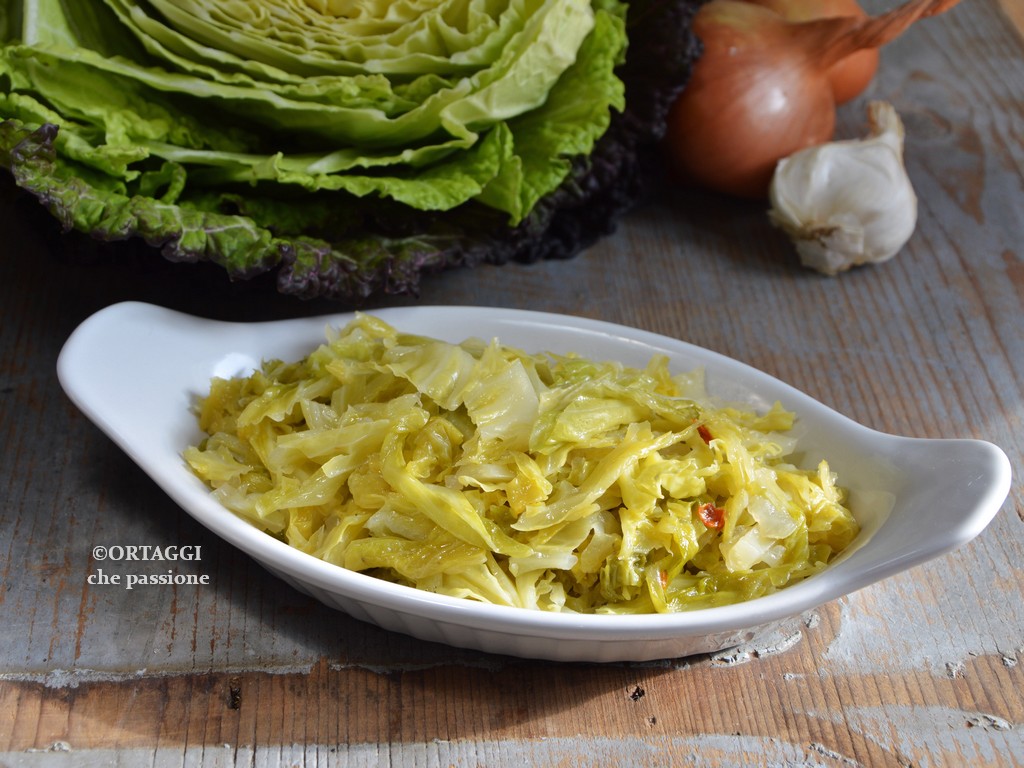
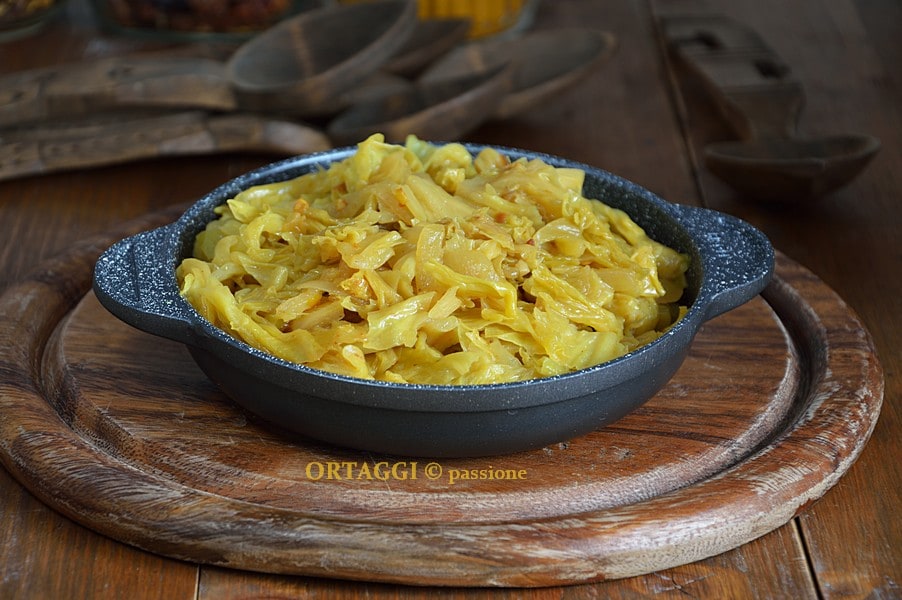
(Venetian sofegae cabbage)
Storing COOKED Cabbage
To store boiled cabbage, let it cool, put it in an airtight container, and place it in the refrigerator. It keeps for a maximum of 3 days.
Storing RAW Cabbage
Cabbage keeps very well in the refrigerator, staying fresh for up to 10 days. Before placing it in the vegetable drawer of the fridge, remove any damaged leaves.
FAQ (Questions and Answers)
What is the difference between cabbage and savoy cabbage?
Cabbage and savoy cabbage are two varieties of cabbage, but they have different characteristics. Cabbage has smooth, compact leaves and is usually light green or purple. Savoy cabbage, instead, has crinkled, wrinkled, and thicker leaves of a darker green. In taste, cabbage is more delicate, while savoy cabbage has a more intense flavor. Cabbage is ideal for salads and sauerkraut, while savoy cabbage is better suited for more substantial winter dishes.
How is cabbage eaten raw or cooked?
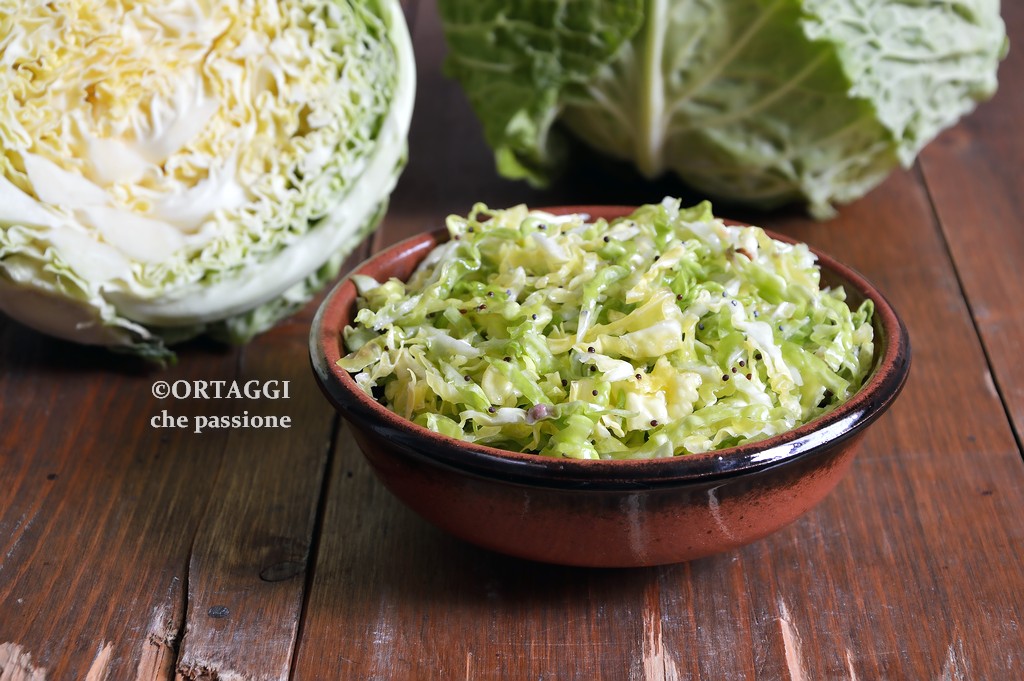
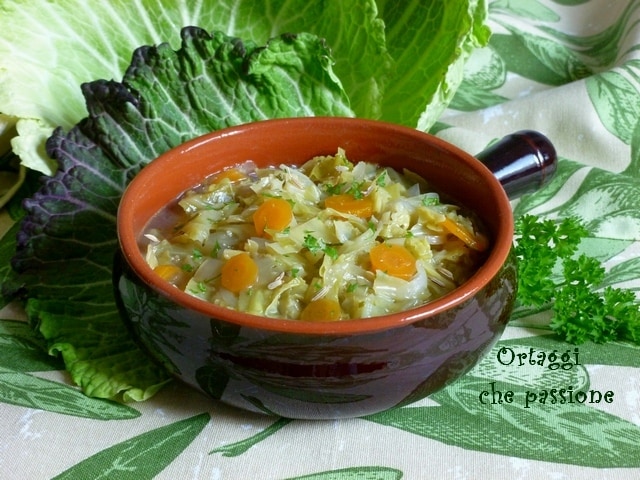
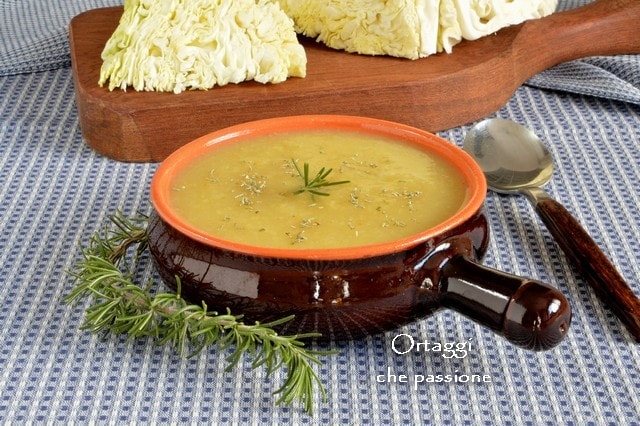
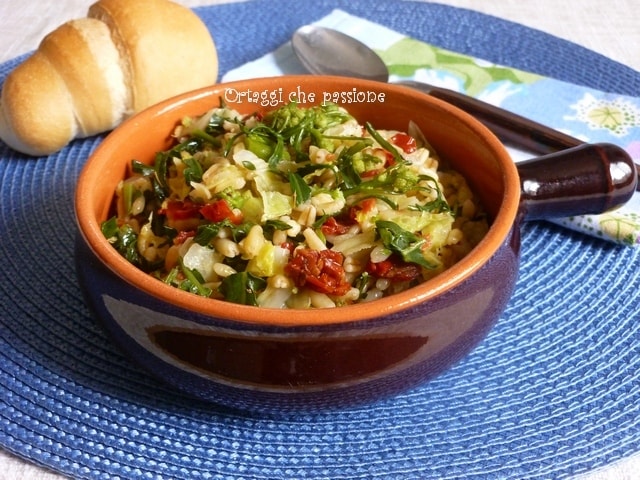
Cabbage can be eaten both raw and cooked. When raw, slice the leaves thinly and add them to salads for a crunchy and slightly spicy touch. When cooked, cabbage can be stewed, boiled, sautéed in a pan, or used in soups and broths. When cooked, its flavor becomes sweeter and its texture softer. In any case, wash the leaves well before using.
What can you eat with cabbage?
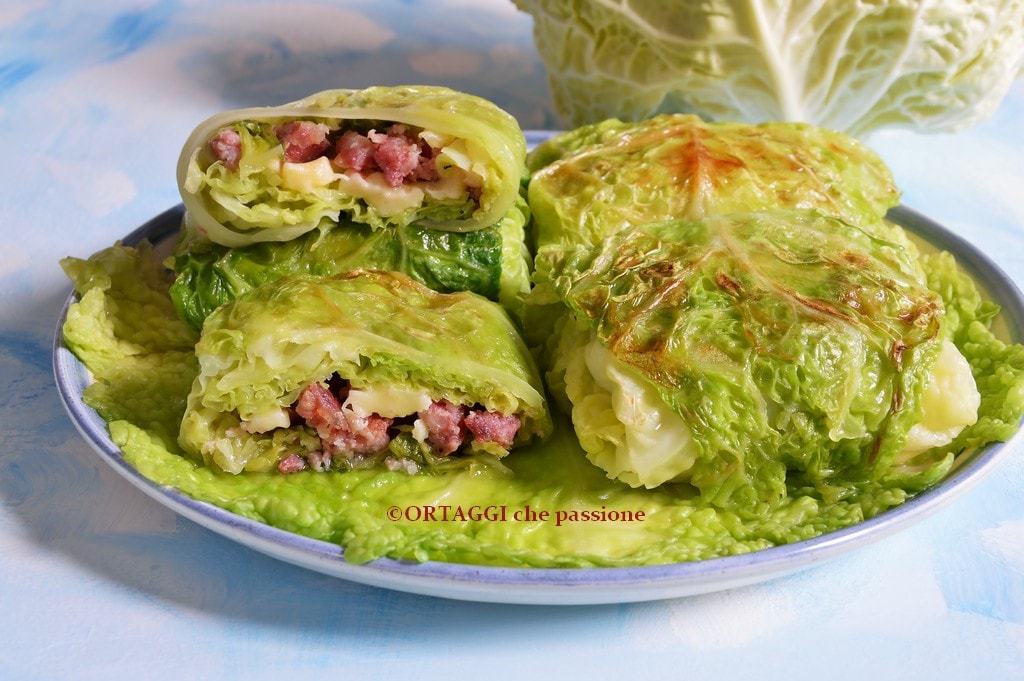
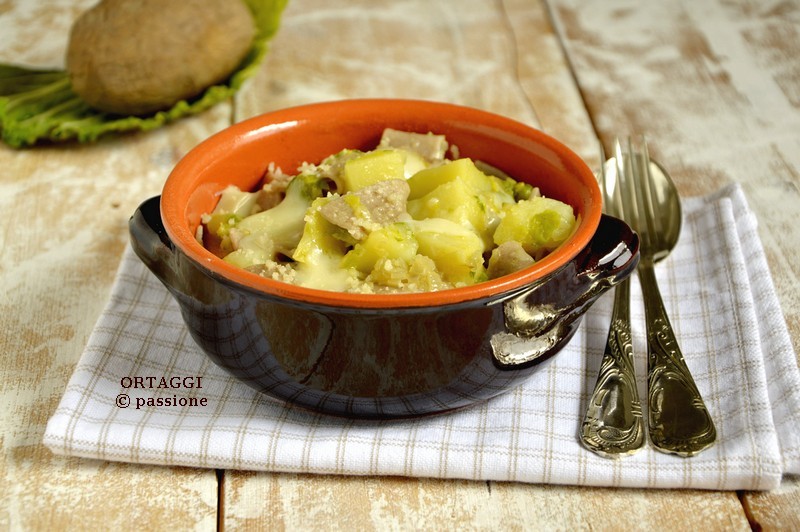
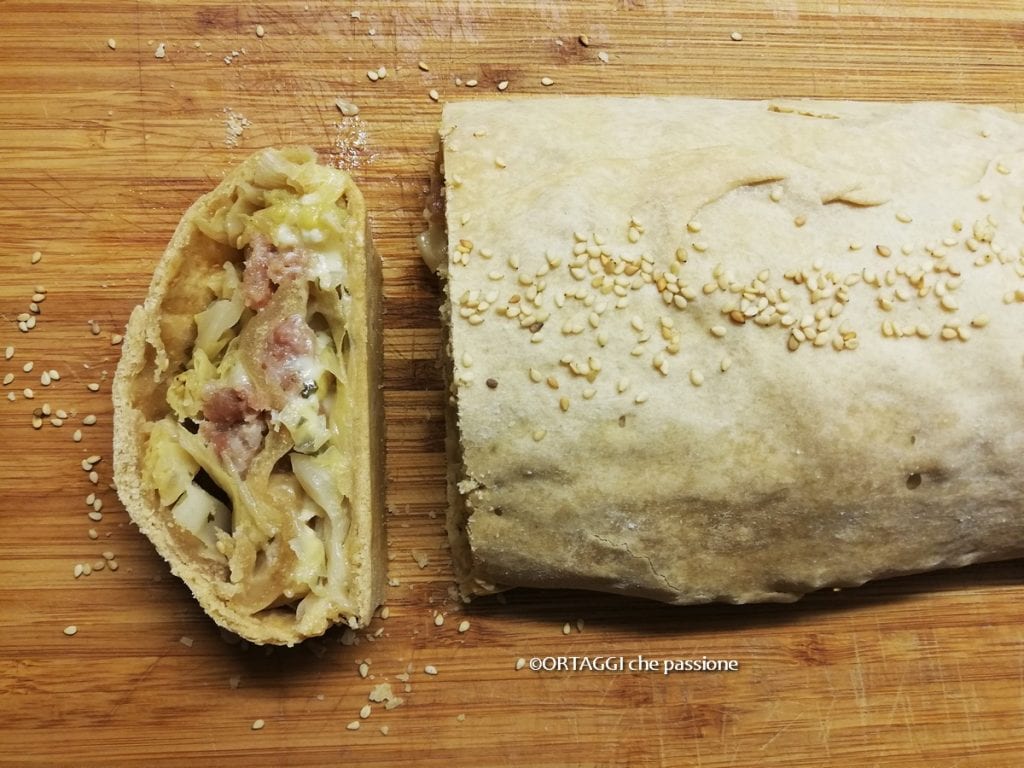
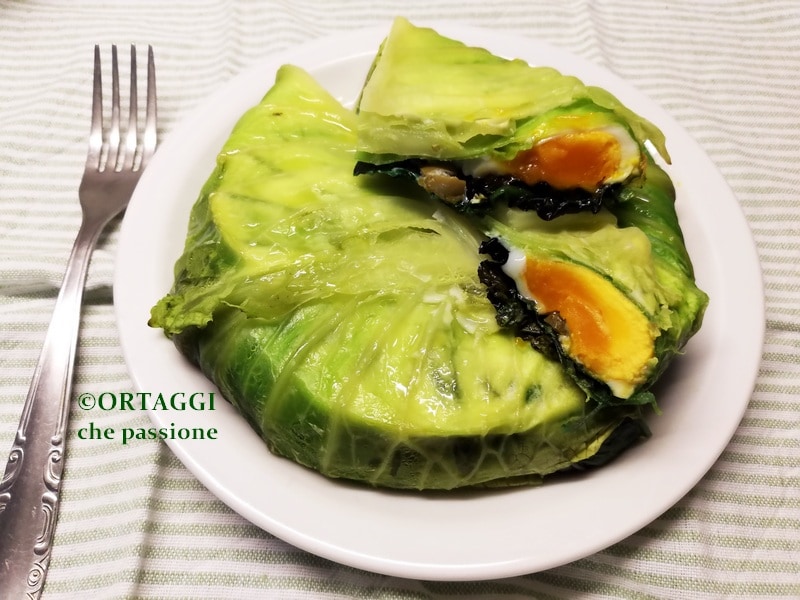
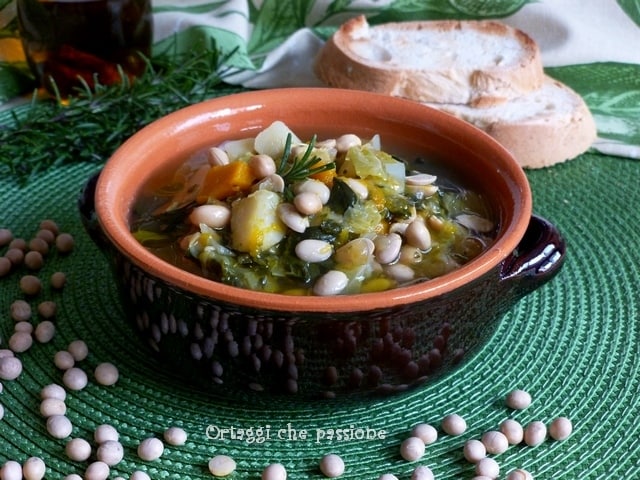
Cabbage can be paired with many dishes. Use it to prepare rolls, stuffing it with meat or vegetables. Add it to soups with beans to make them richer and tastier. Sauté it in a pan with garlic and oil for a simple and tasty side dish. Mix it with potatoes and sausage for a hearty main dish. Even raw, it can be added to salads. Cabbage goes well with bold flavors, such as bacon, aged cheese, or spices like cumin.
What are the benefits of eating cabbage? What are its properties?
Speaking is nutritionist Dr. Zampella: “Cabbage is a vegetable belonging to the Brassicaceae (or Cruciferae) family. Nutritionally, it is a low-calorie vegetable (100 g provide just over 25 kcal). It is rich in water, potassium, vitamins, particularly A, C, K, and has a good fiber content (elements that give it a good satiating power), is low in sodium, and favorable to a diuretic action. The nutritional characteristics of cabbage confer a series of health benefits: it stimulates intestinal activity thanks to its fiber content, has antioxidant action, protecting against free radicals, and has antitumor action thanks to the presence of glucosinolates, particularly isothiocyanates. It is precisely the presence of isothiocyanates that makes this vegetable less appreciated for its smell! These compounds contain sulfur and are responsible for the characteristic odor released during cooking. The presence of vitamin K makes it contraindicated for individuals undergoing anticoagulant therapy, as it may interfere with the action of these drugs.“
Can people with high cholesterol eat cabbage?
People with high cholesterol can safely eat cabbage, as it is rich in fiber, vitamins, and antioxidants. It helps reduce bad cholesterol (LDL) thanks to its soluble fiber content, which promotes fat elimination. Including cabbage in a balanced diet can be useful for improving cholesterol levels.
When should cabbage not be eaten?
Cooked cabbage can be difficult to digest for some individuals, especially those with gastrointestinal problems like irritable colon, gastritis, or stomach acidity. Being rich in fiber, it can cause bloating and flatulence. People with thyroid issues should also limit consumption, as cabbages contain substances that may interfere with iodine absorption. In these cases, consult a doctor before including cabbage in the diet.
Typical regional dishes with cabbage
Cassoeula (Lombardy), savoy cabbage parmigiana (Campania), stewed savoy cabbage (Sancrau from Liguria), capunet (savoy cabbage rolls filled with meat, also known as pès-còj from Piedmont), Triestine minestrone (Jota from Friuli Venezia Giulia), pizzoccheri (Lombardy), Tuscan ribollita (along with black cabbage), verze sofegae (Veneto), Valpellinese soup from Aosta Valley (Seupa a la valpellinentze from Aosta Valley), Canavese soup (Piedmont), bread and cabbage soup (supa ’d pan e còj from Piedmont).