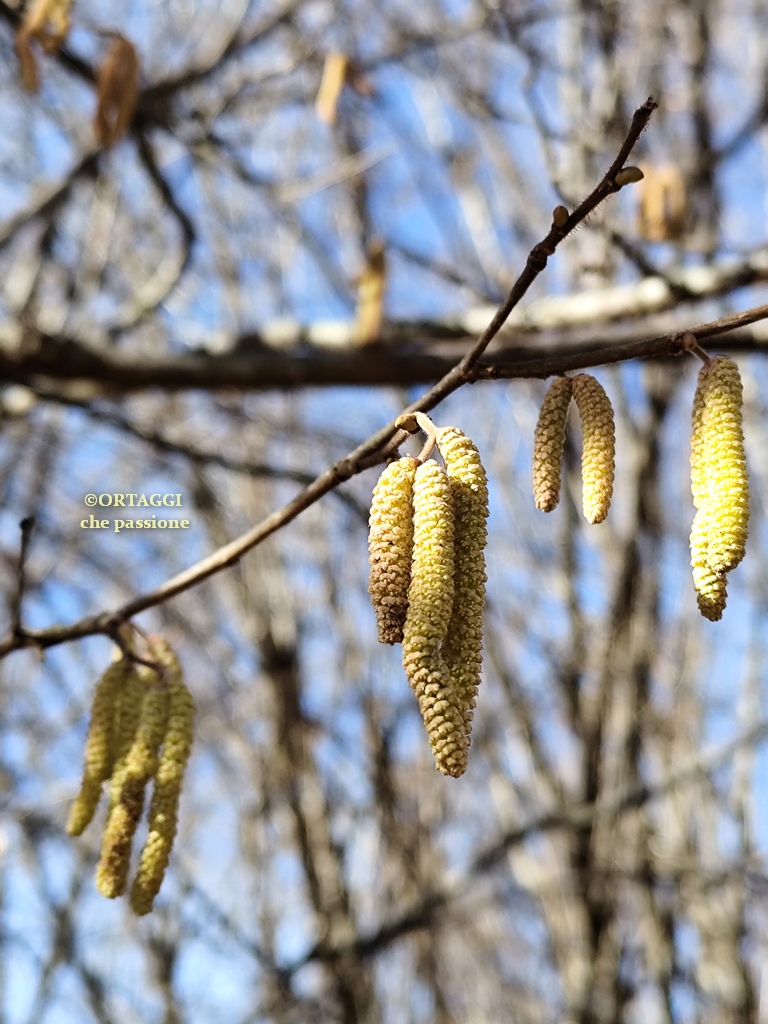
Hazel catkins, the male flowers known as “catkins,” are rich in proteins and pollen and offer interesting nutritional properties. These yellow-green cylindrical inflorescences, symbols of rebirth and spring, coexist with the small red-tufted female flowers, which carry a meaning related to the cycle of life. Their flavor is delicate and complex: fresh, slightly bitter with herbal notes and hazelnut undertones, becoming softer and sweeter when cooked or dried, suitable for rustic and sweet recipes. They can be used in creative recipes, transformed into flour for bread, cookies, or granola, or infused into teas, enhancing the properties and taste of the flowers.
When to collect? The harvest period for hazel catkins is generally from late January to March, depending on the climate and location.
RECIPES with wild spring herbs
- Cost: Economical
- Cooking methods: No cooking
- Cuisine: Healthy
- Seasonality: Winter, Spring
Nutritional Values of Catkins
- 3.5 oz wild herbs (HAZEL CATKINS)
COLLECTING hazel catkins
Catkins form in autumn but mature and release pollen at the end of winter, before the leaves appear. They are essential for pollination of the female flowers (small and reddish) of the same or other hazel trees.
It is advisable to collect catkins in non-polluted areas.
In cooking, they are used young and tender, still compact and fragrant, choosing fresh and light-colored ones and avoiding dark or dry specimens.
🍀Collection: choose closed or semi-open catkins before full bloom.
🍀Cutting: use clean hands or scissors, working gently to preserve the branches.
🍀Drying: let them dry in the shade in an airy place.
🍀Tip: for more hazelnuts, leave most of the catkins on the plant.
Hazel catkins
Fresh: can be eaten raw in salads or used for teas.
Dried and powdered: can be crumbled into breakfast cereals or added to flours to enrich sweet and bread doughs.🍀 Chocolate-covered hazel catkins
Cover raw catkins with dark or white chocolate, then let them rest in the freezer for 15 minutes until solidified.
🍀 Pan-fried hazel catkins
Blanch the catkins for 2–3 minutes, then sauté them in a pan with garlic, extra virgin oil, and a splash of lemon. Serve as a rustic side dish or on crostini.
🍀 Battered hazel catkins
Add the catkins to a light and spiced batter, then fry them until golden to get soft-on-the-inside and crispy-on-the-outside fritters.
🍀 Pickled hazel catkins
Blanch the catkins briefly and transfer them to sterilized jars. Cover them with water, vinegar, salt, and spices. After a few days, they are ready to enrich salads and appetizers.
🍀 DRINKSSparkling hazel catkin drink (Catkin beer)
Hazel catkin soda (with water Kefir)
Aromatic drink
Take a handful of catkins, 2 cups of water, 0.35 oz of fresh yeast, and a tablespoon of sugar. Dissolve the yeast and sugar in the water, add the catkins, and pour everything into a jar covered with gauze (do not close with a lid). Let it ferment for 3 days, then filter and store in the fridge.
🍀 Hazel catkin crepes
Prepare thin crepes and fill them with blanched catkins, ricotta, and grated cheese. Roll up, place in a baking dish with béchamel sauce, and gratin in the oven.
🍀 Hazel catkin omelet
Cut the catkins into pieces and briefly sauté them in a pan with oil and salt. Beat the eggs with some cheese, add the catkins, and cook over low heat.
🍀 Hazel catkin fritters
Prepare a batter with flour, sparkling water, and a pinch of salt. Dip the catkins and fry them until golden. Serve them crispy with yogurt sauce or light mayonnaise.
🍀 Gnocchi with hazel catkins
Add chopped catkins to the gnocchi dough or use them in the seasoning.
🍀 Hazel catkin pesto
Blanch the catkins, then blend them with oil, almonds (or hazelnuts), and cheese (or nutritional yeast for vegans).
🍀 Risotto with hazel catkins
Prepare a light sauté, toast the rice, and deglaze with white wine. Halfway through cooking, add the catkins and finish with broth, stir in butter and parmesan.
🍀 Savory pie with catkins and ricotta
Combine sautéed catkins with ricotta, eggs, and cheese. Pour the filling into a pastry crust (or puff pastry) and bake until golden.
🍀 Rustic soup with hazel catkins
Add the catkins at the end of cooking in vegetable or cereal soups.
🍀 Dried uses
Dry hazel catkins to obtain flour to add to the bread dough, crackers, crepes, or use them for muesli, granola, and mixed infusions.
How to keep them fresh after harvesting?
After harvesting, they can be kept in the refrigerator for a few days. They can also be blanched and frozen, or pickled or in brine to extend their use. Some dry and crumble them as an aromatic ingredient, although they maintain a better texture when fresh.
FAQ (Questions and Answers)
What are hazel catkins?Hazel catkins are the male inflorescences of the hazel tree: small hanging and elongated flowers, initially closed and then open when releasing pollen. Their shape is related to pollination: hazel rarely fertilizes its own female flowers, so the pollen is carried by the wind even kilometers away.
Is it necessary to blanch them before use?
Many prefer to blanch them for a few minutes in slightly salted water: this step reduces bitterness and makes them more digestible. They can also be tasted raw in small quantities, but cooking makes them more pleasant and versatile.
What do they taste like and how do they pair in cooking?
The flavor is delicate, herbal, and slightly bitter, with a background that resembles fresh hazelnuts and sprouts. They pair well with eggs, soft cheeses or butter, potatoes, cereals, legumes, and seasonal vegetables, as well as with nuts. In general, they work in all rustic preparations: omelets, risottos, soups, savory pies, fillings, sautéed side dishes, or fritters.
Properties of hazel catkins
Hazel catkins are rich in plant proteins and tannins, giving them antioxidant and slightly astringent properties. They also contain small amounts of other nutrients useful to the body, and their pollen, much appreciated by bees as the first nourishment after winter, provides a natural energy boost.
Are there any contraindications or allergies to consider?
They generally do not present particular contraindications, but those allergic to hazelnuts or pollen should be cautious and try small quantities.
How many can be consumed?
As with many wild ingredients, it is best to consume them in moderation and gradually incorporate them into the diet. Integrating them into daily dishes is simple: just small additions to already familiar preparations, like an omelet, risotto, or savory pie.