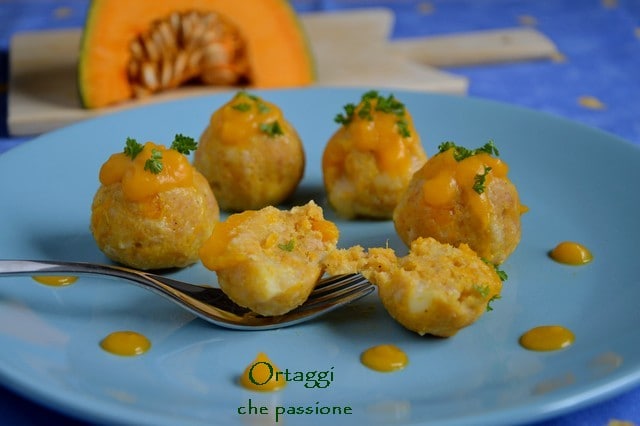
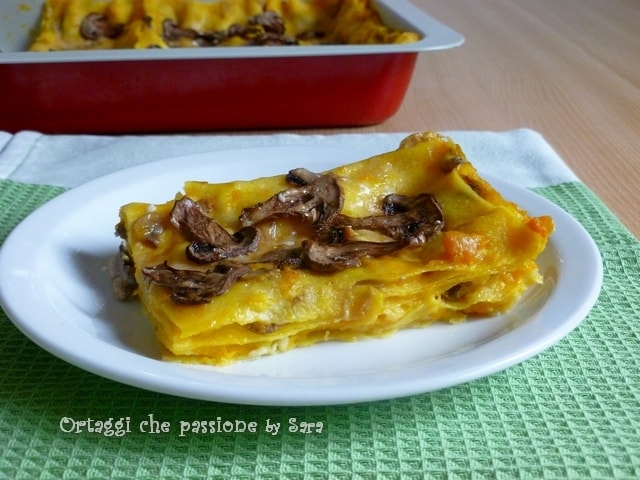
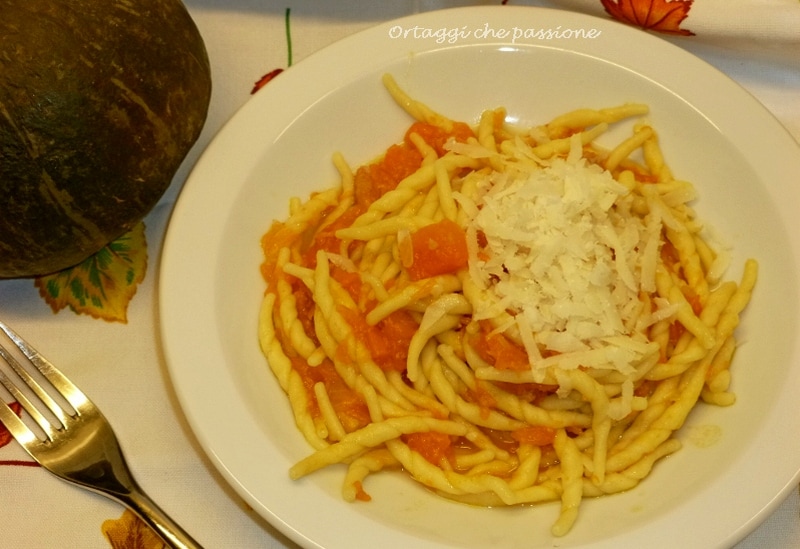
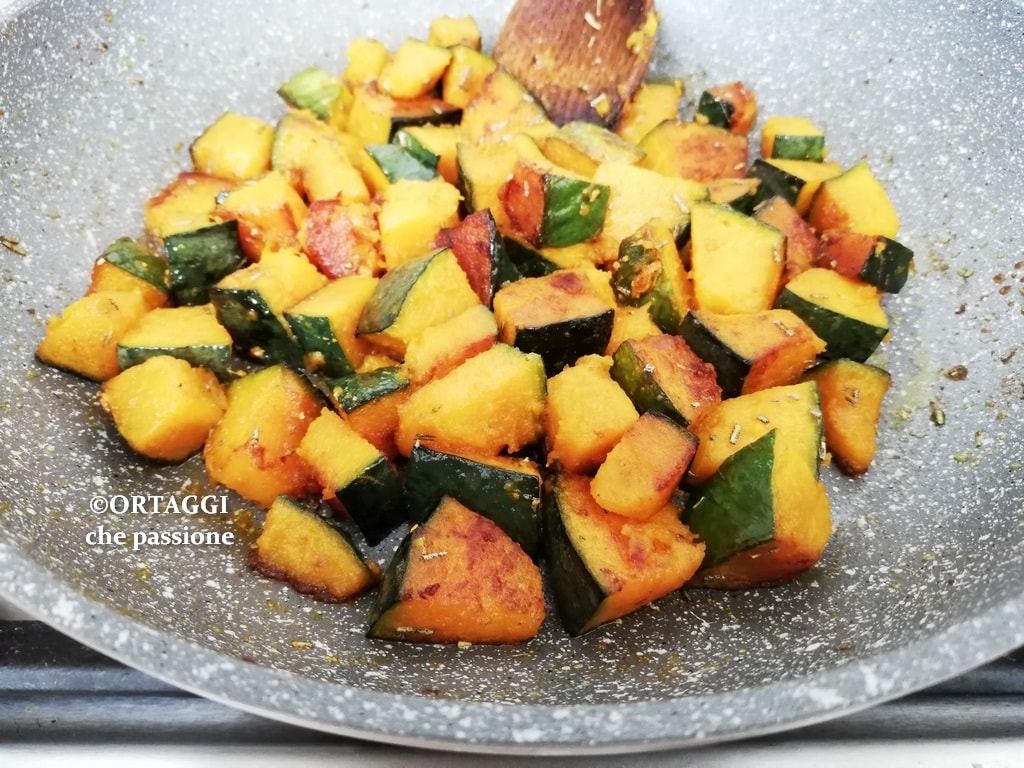
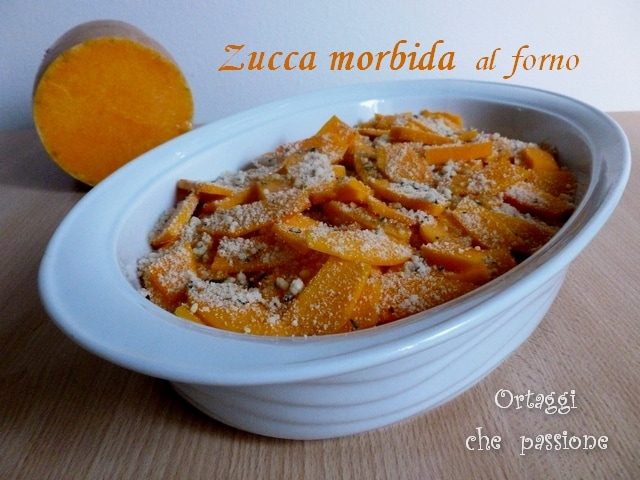
Pumpkin recipes are tasty and never cease to surprise. This vegetable, with its delicate flavor and velvety texture, can be used to prepare quick dishes suitable as a light side or flavorful main courses. In this collection of recipes, you’ll find different ways to prepare pumpkin, from pan cooking or baking without any seasoning to flavoring with aromatic herbs, as well as pasta, orzotto, farrotto, and creamy risottos, succulent gnocchi, delightful soups for dinner, and unusual desserts.
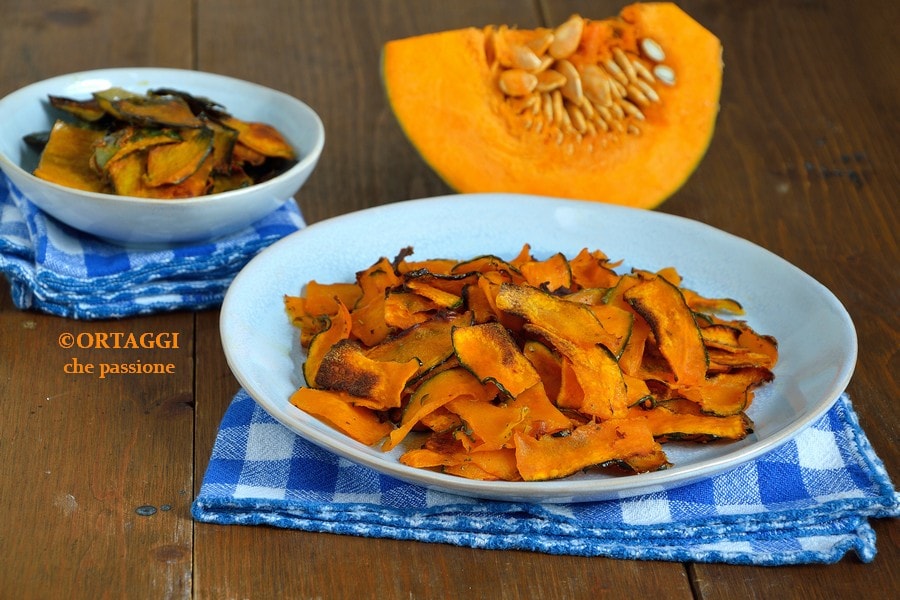
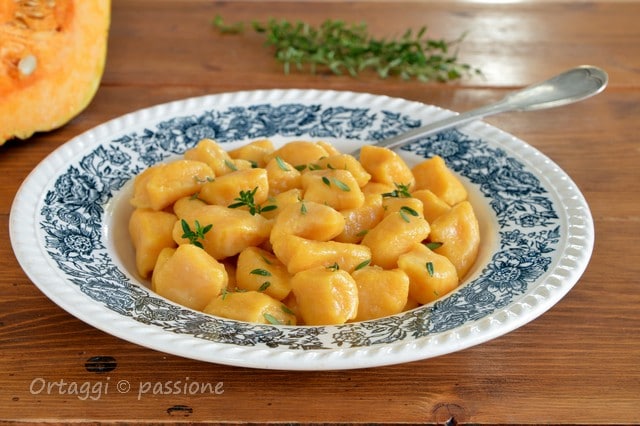
Pumpkin, with its orange flesh, adds a natural sweetness and autumnal touch to every dish, making it an ideal choice for family dinners or to surprise guests with refined and tasty dishes. For those who love practicality, pan recipes are a great choice, allowing you to create tasty dishes in no time. But if you prefer a slower approach, the oven can transform pumpkin into a burst of flavors and aromas. Pumpkin gnocchi, then, is a delicious alternative to traditional gnocchi recipes, which will win you over with their soft texture and rich taste.
Whether you’re looking for a quick and tasty dinner or a dish for a special evening, pumpkin will accompany you every moment with its enveloping flavor and versatility in cooking.
PUMPKIN SEASON
from August to April (pumpkins can be stored in a cool, dry place for months after harvest).

- Cost: Economical
- Cuisine: Italian
- Seasonality: Autumn, Winter, and Spring
- Energy 26.00 (Kcal)
- Carbohydrates 6.50 (g) of which sugars 2.76 (g)
- Proteins 1.00 (g)
- Fat 0.10 (g) of which saturated 0.05 (g)of which unsaturated 0.02 (g)
- Fibers 0.50 (g)
- Sodium 1.00 (mg)
Indicative values for a portion of 100 g processed in an automated way starting from the nutritional information available on the CREA* and FoodData Central** databases. It is not food and / or nutritional advice.
* CREATES Food and Nutrition Research Center: https://www.crea.gov.it/alimenti-e-nutrizione https://www.alimentinutrizione.it ** U.S. Department of Agriculture, Agricultural Research Service. FoodData Central, 2019. https://fdc.nal.usda.gov
Ingredients
- 1 pumpkin
calories for 100 grams of pumpkin
Collection of PUMPKIN RECIPES
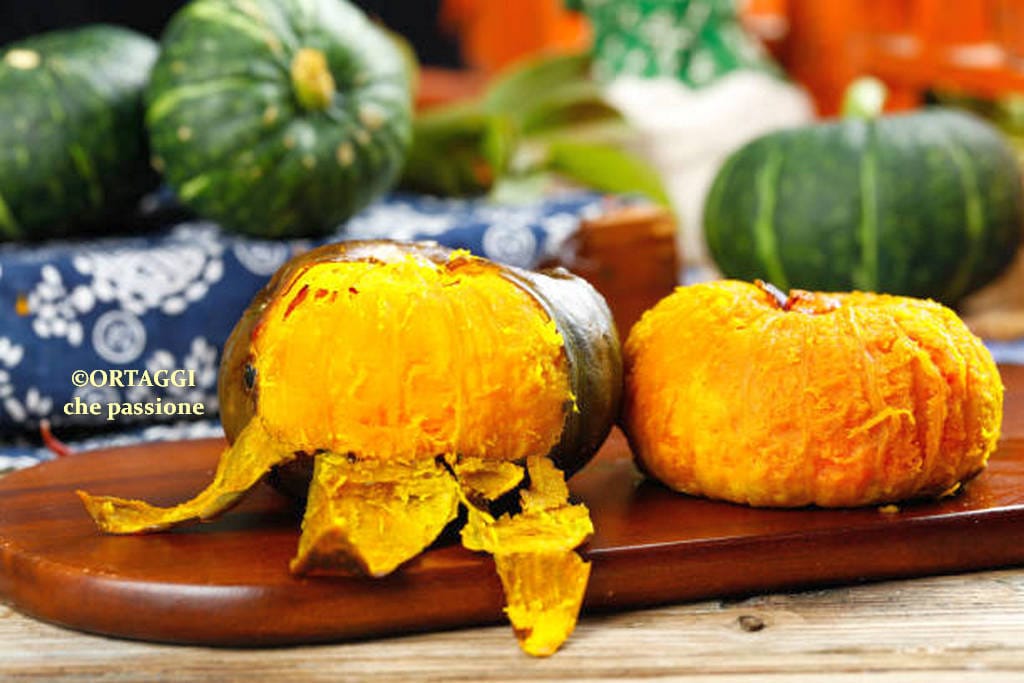
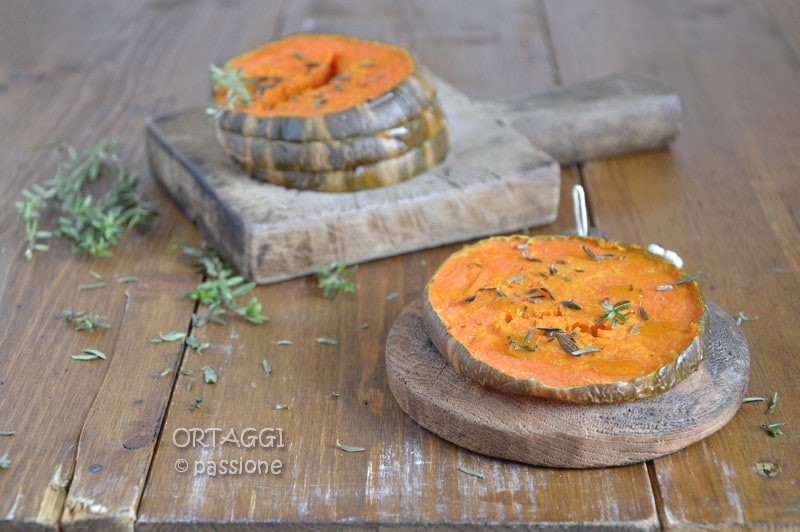
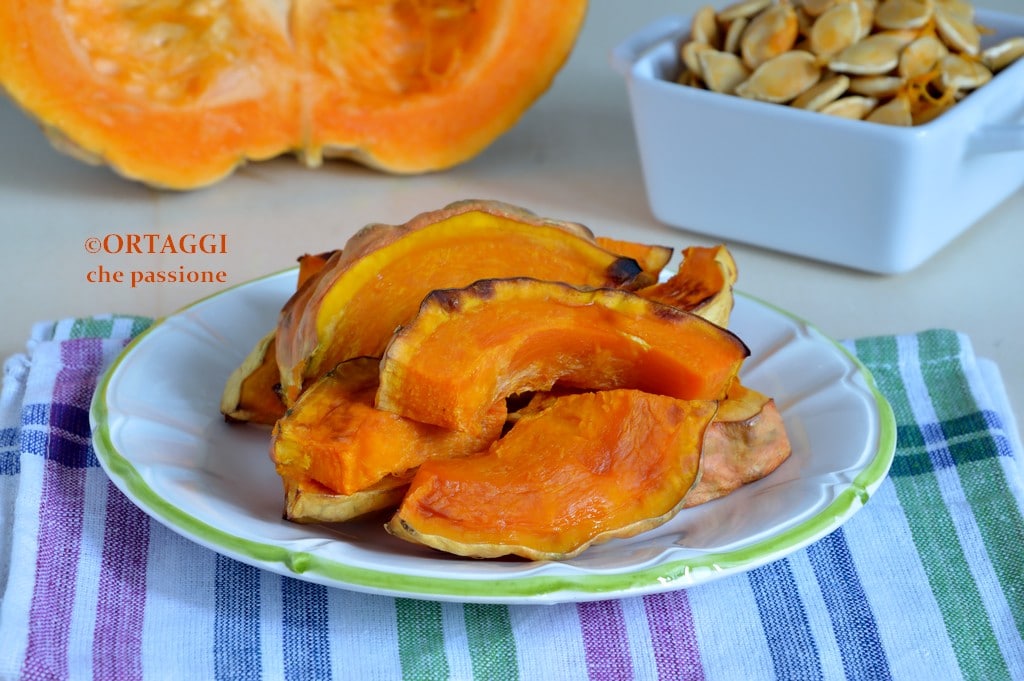
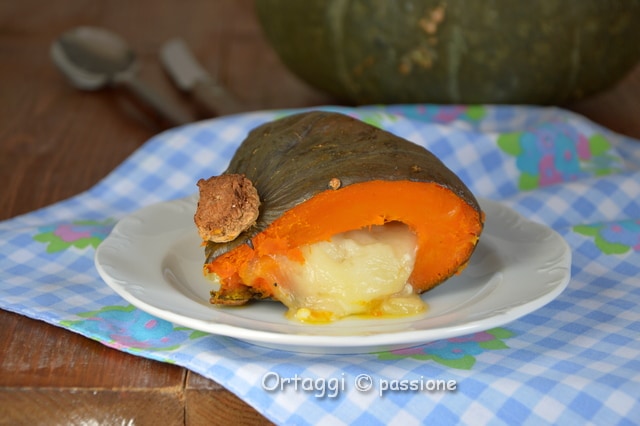
WHOLE BAKED PUMPKIN – cooking time




Facts
What can you eat with pumpkin?
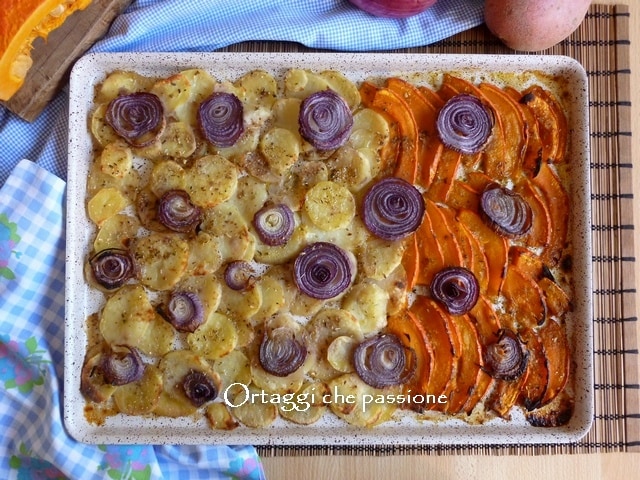
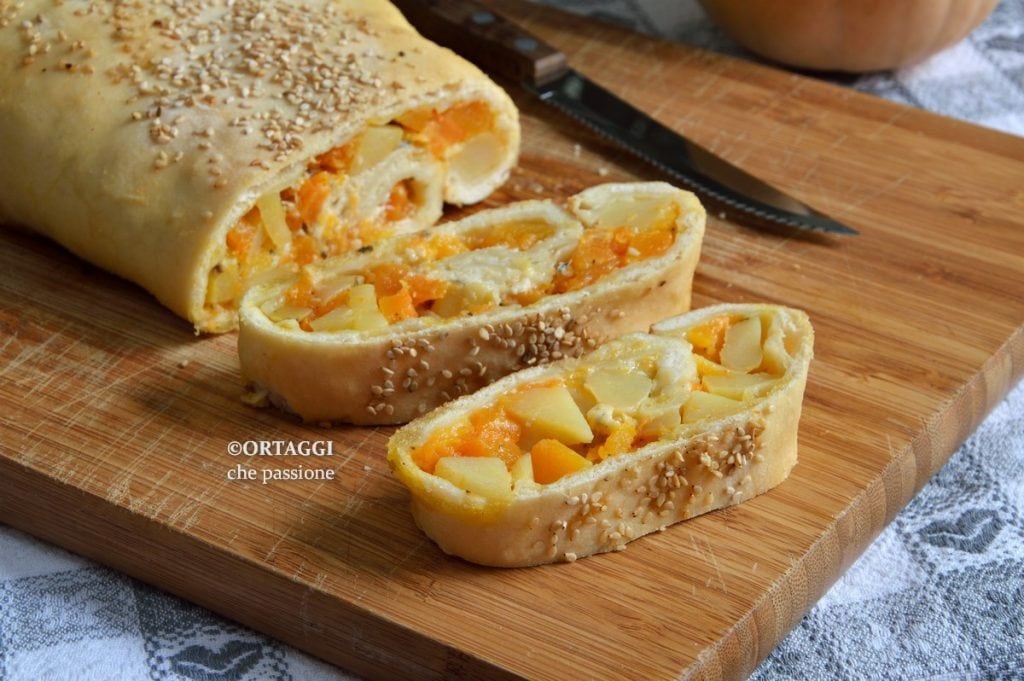
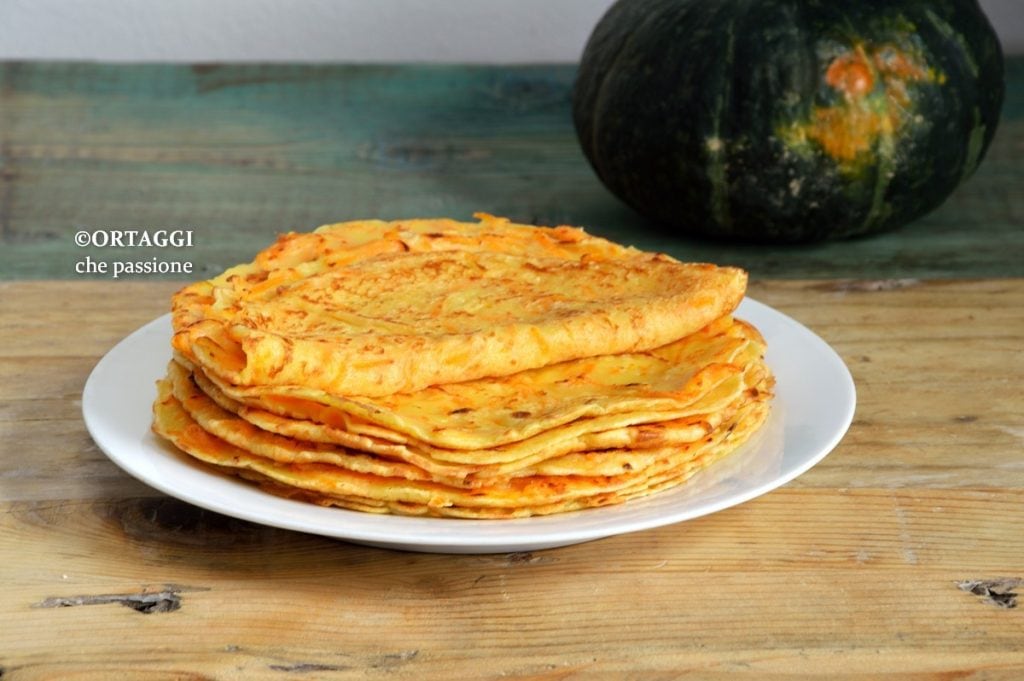
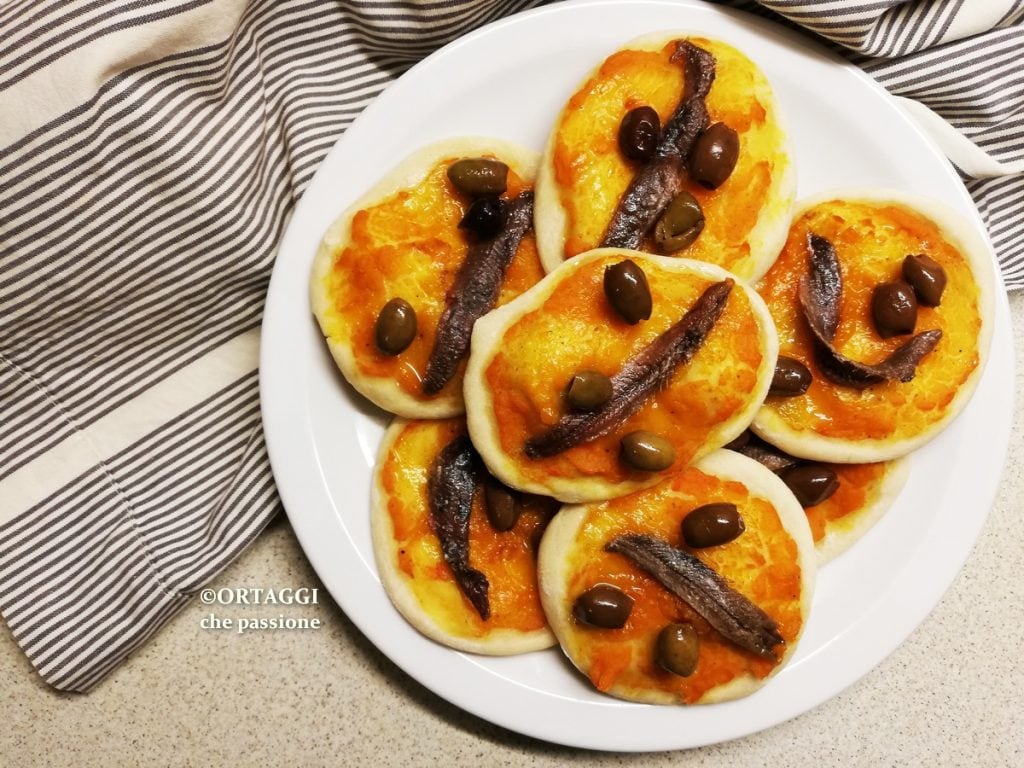
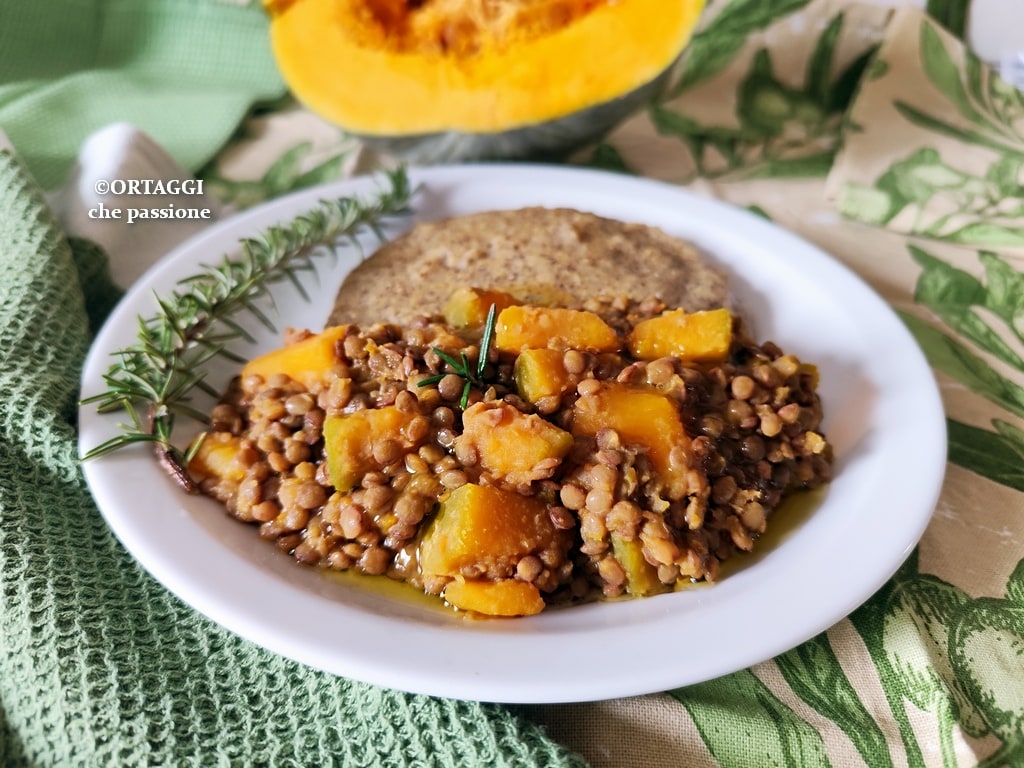
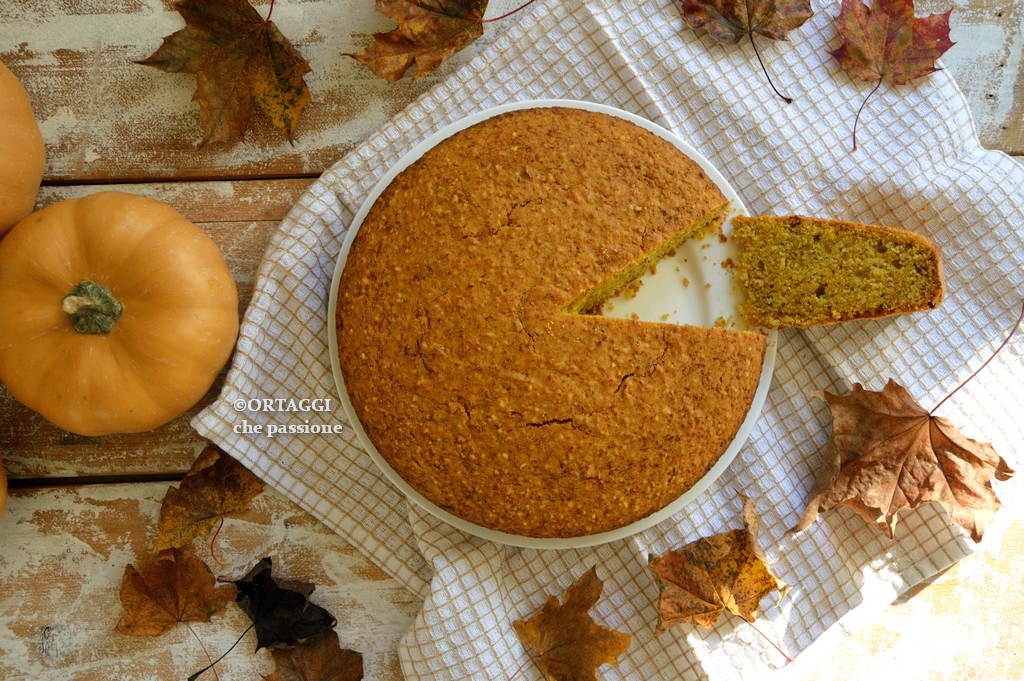
Pumpkin, with its creamy texture and sweet flavor, lends itself to a wide range of culinary pairings. In savory preparations, it enriches soups, risottos, and main courses, pairing well with robust cheeses. Roasted, it becomes a delicious side dish. In desserts, it transforms cakes, muffins, and cookies into comforting treats, tasty in bread or focaccia which acquire a stunning color. Its versatility makes pumpkin an appreciated autumn-winter ingredient in many cuisines around the world.
How to counteract the sweet taste of pumpkin?
To counteract the sweet taste of pumpkin, you can add salty, acidic, or spicy elements. Aged cheeses, aromatic herbs like rosemary, acidic dressings like lemon or vinegar, and robust spices like black pepper can balance and enhance the overall flavor of pumpkin dishes. Experimenting with these combinations allows you to create a variety of balanced and interesting flavors.
How to store pumpkin once opened?
Once opened, it is advisable to store pumpkin in the refrigerator. Cut it into manageable pieces and wrap it in plastic wrap or place it in an airtight container. Use it within 3-4 days to ensure freshness and quality.
If you wish to extend its preservation further, you can freeze the pumpkin in portions, taking care to remove air from the packaging. When using it, let it thaw slowly in the refrigerator or cook it directly from frozen, depending on the recipe.What to not pair with pumpkin?
For those with glycemia concerns, it’s advisable to be cautious with combinations involving pumpkin to avoid glycemic spikes. Avoid pairing pumpkin with high glycemic index ingredients like added sugars or refined starches. White bread or highly processed rice can quickly raise blood sugar levels. Additionally, it’s wise to limit the use of sweet condiments or sugary sauces that may contribute to a sharp rise in glycemia. Opting for balanced pairings, incorporating lean proteins and fibers, can help maintain more stable blood sugar levels when consuming pumpkin.
When should pumpkin not be eaten?
Consuming pumpkin has no side effects or contraindications.
However, it is important to avoid eating raw or insufficiently cooked pumpkin, as it may contain potentially indigestible substances or be hard to assimilate.