The Russian Cake from Verona, similar to the original Greek Mantuan or Brescian cake, represents one of those desserts that can evoke authentic tradition, as well as being relatively easy to prepare. One can delve deeper also on Wikipedia, where curiosities and connections with the territory emerge. Grandma Benedetta considers it the best cake to share with the family, as the cost of the ingredients remains affordable and enhances the pleasure of homemade goods. Sharing the original recipe of the Russian Cake or Greek also in English allows for showcasing beyond borders a Veronese cake with a unique character, capable of combining taste, history, and tradition like the tiramisù does for Treviso.
GRANDMA’S Dessert RECIPES:
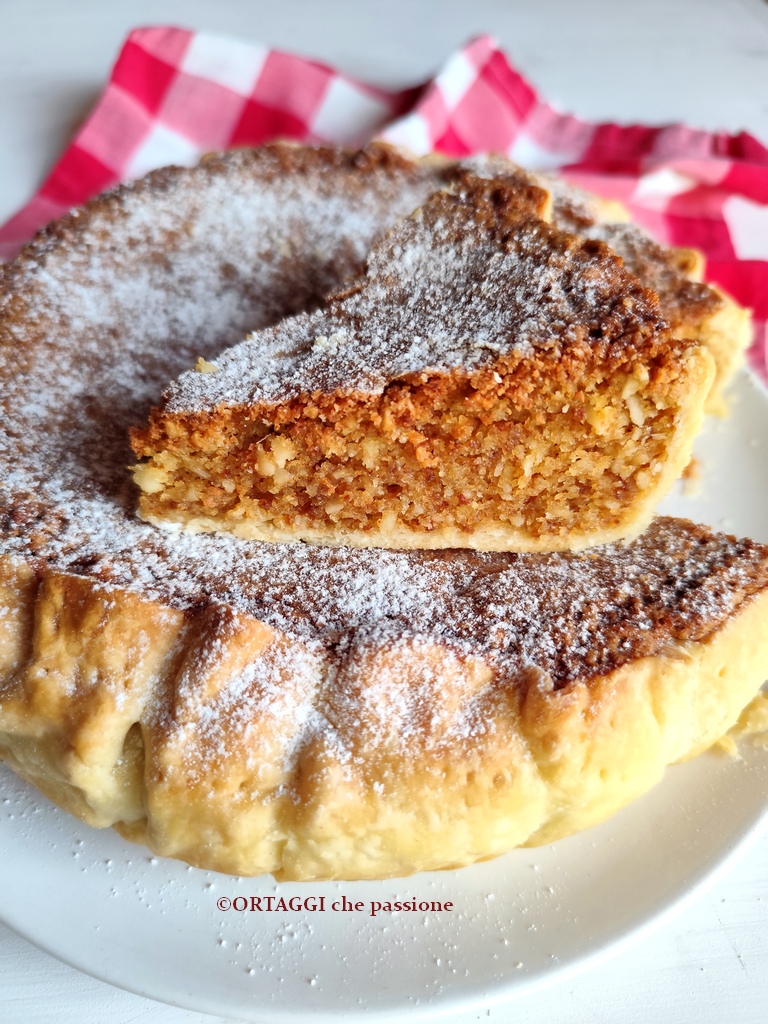
- Difficulty: Medium
- Cost: Inexpensive
- Preparation time: 30 Minutes
- Portions: Serves a 9.5-inch pan
- Cooking methods: Electric oven
- Cuisine: Italian
- Seasonality: All seasons
Verona Russian Cake
9.5-inch PAN (approximately for 10 slices/people).
BAKING in a preheated static oven at 350°F for about 60 minutes.
- 1 sheet puff pastry (round – 8 oz or more)
- 5 oz butter (melted and cooled)
- 3.5 oz blanched almonds (or other nuts of choice)
- 7 oz amaretti (generally corresponds to one package)
- 3 eggs (organic)
- 4.5 oz sugar (or less)
- 5.3 oz all-purpose flour (or mixed/whole wheat)
- 1/2 teaspoon baking powder (about 1/4 oz)
- 1 pinch fine salt (enhances all other flavors of the cake)
- 2 tablespoons rum (or other liquor – about 0.5 oz – optional)
- as needed shelled almonds (to decorate the surface before baking)
- as needed powdered sugar (to sprinkle on the baked cake)
Tools
- Chopper
- Electric Whisks
- Spatula
- Cake Pan aluminum 9.5 inches
Verona Russian Cake
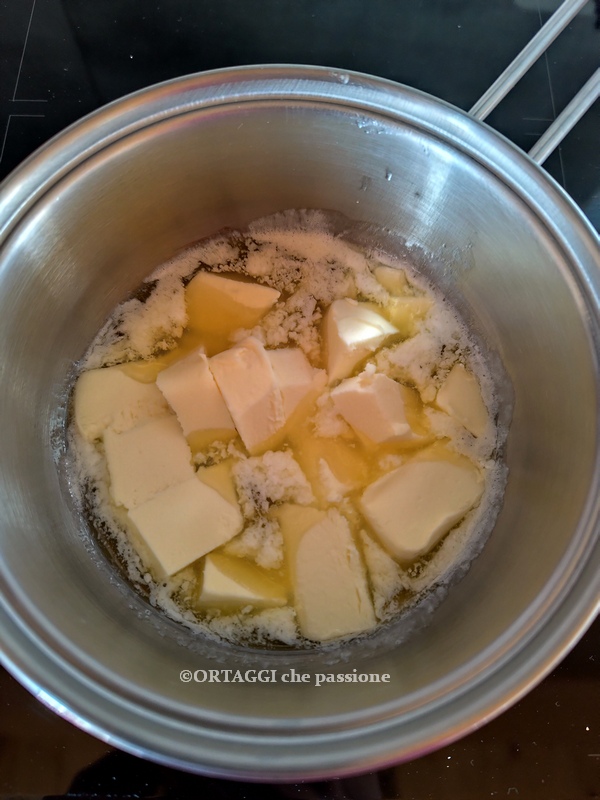
1. In a saucepan, melt the butter over low heat, then let it cool slightly.
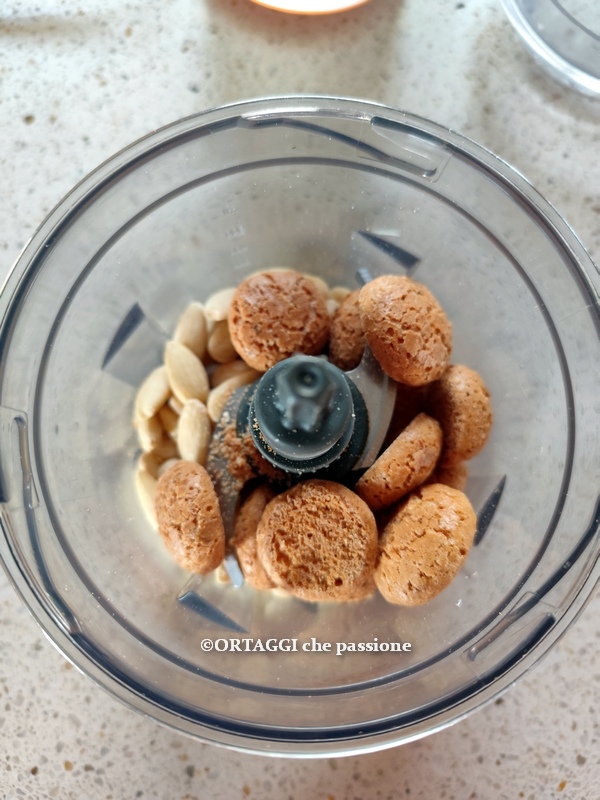
2. Coarsely chop almonds and amaretti, without reducing them to flour.
3. In a bowl, pour 3 eggs and the sugar (sugar should be added at the last moment because if it stays too long in contact with the eggs, it compromises the whip and reduces the final volume).
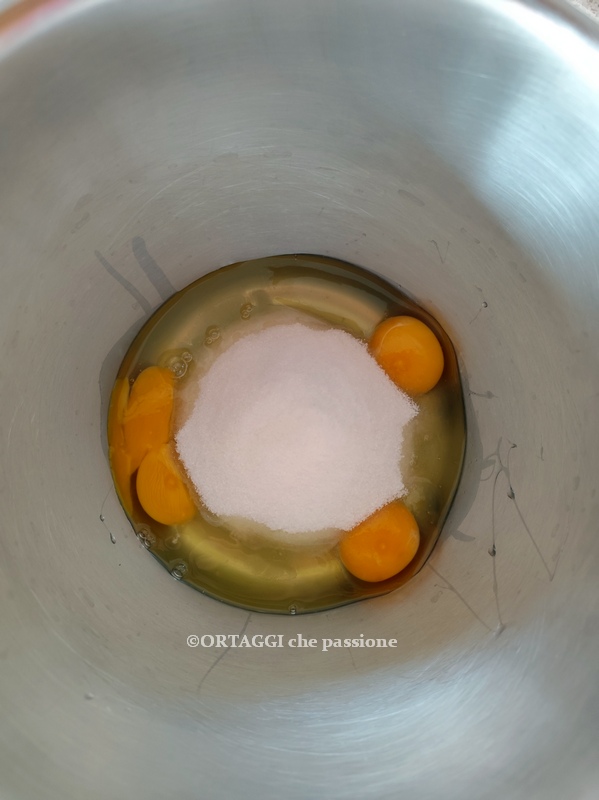
4. Whip eggs and sugar until they become pale, without needing to be fully whipped.
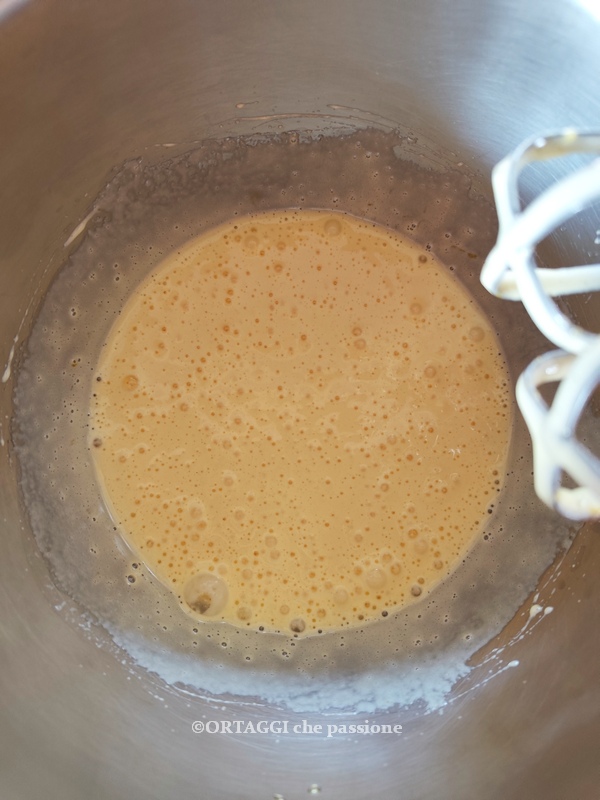
5. Add the sifted baking powder.
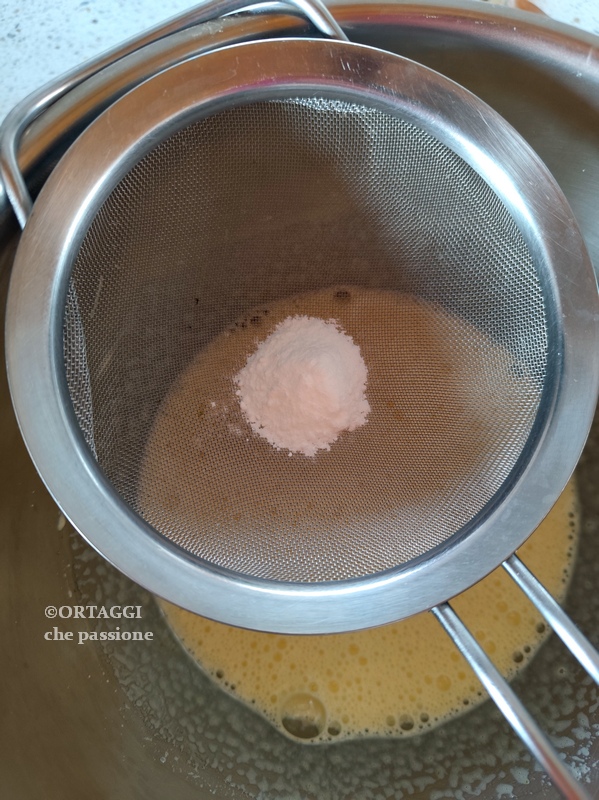
6. Sift the flour over the mixture.
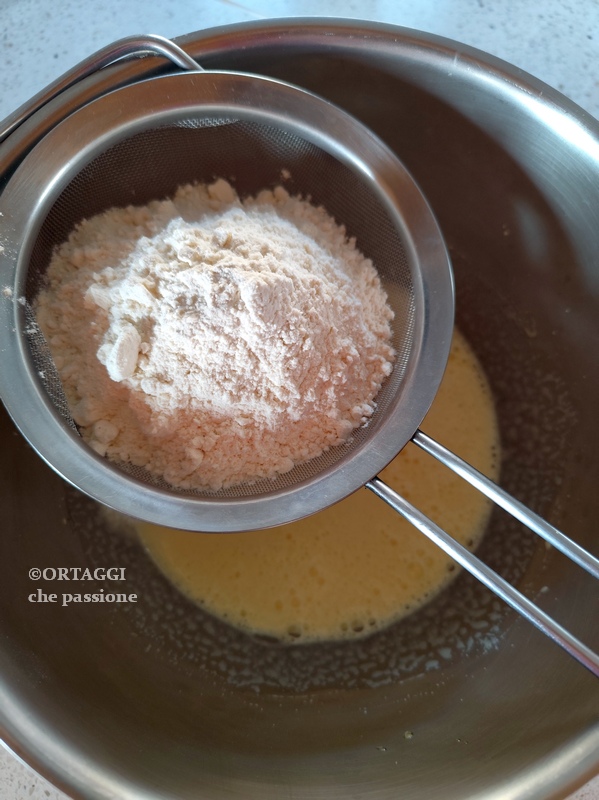
7. Gently incorporate the flour with electric whisks.
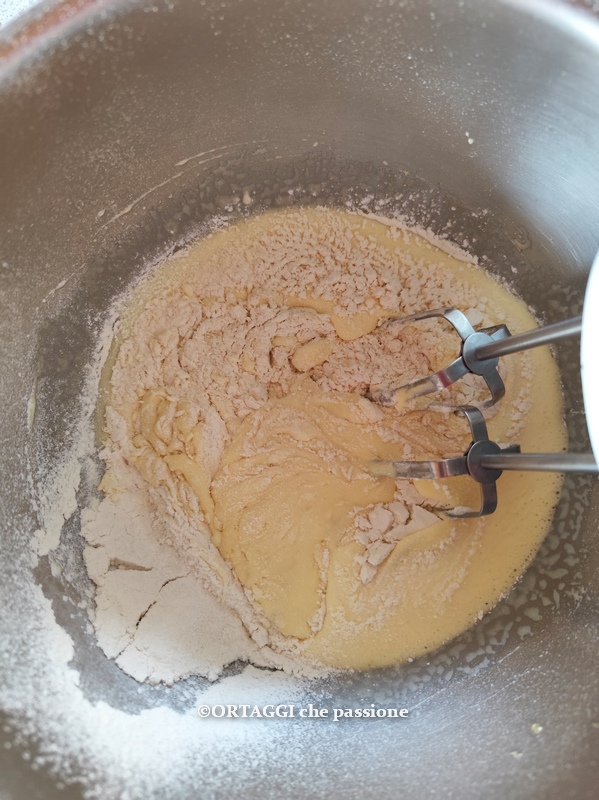
8. Add the coarsely chopped almonds and amaretti, a pinch of salt, the melted and cooled butter, and, if desired, two tablespoons of rum.
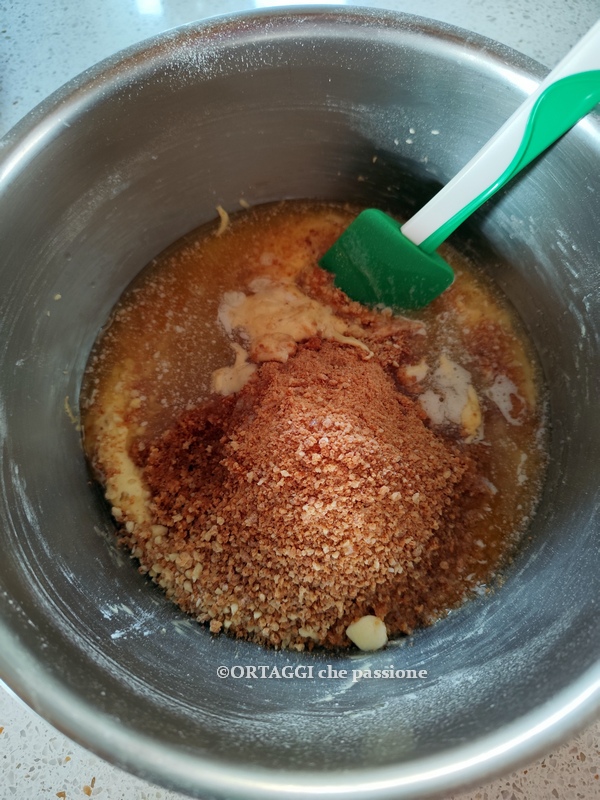
9. With a spatula, mix the ingredients of the Verona Russian Cake.
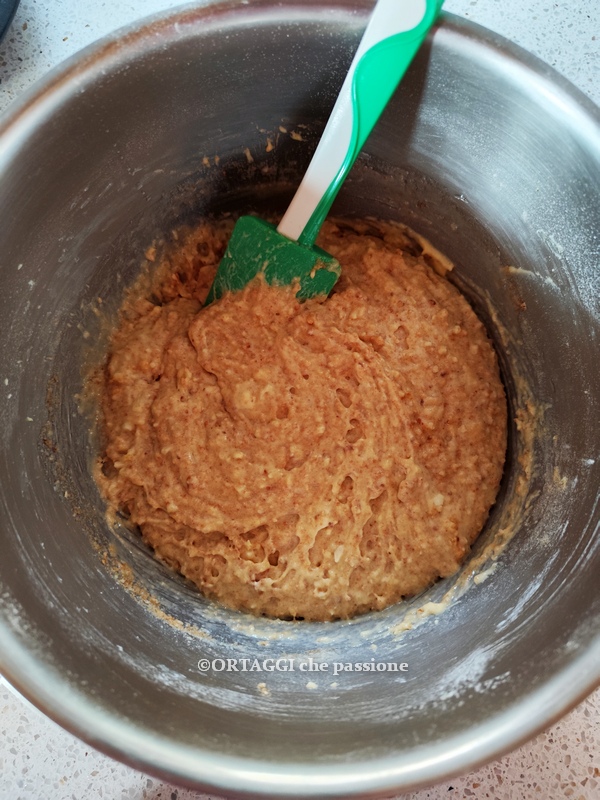
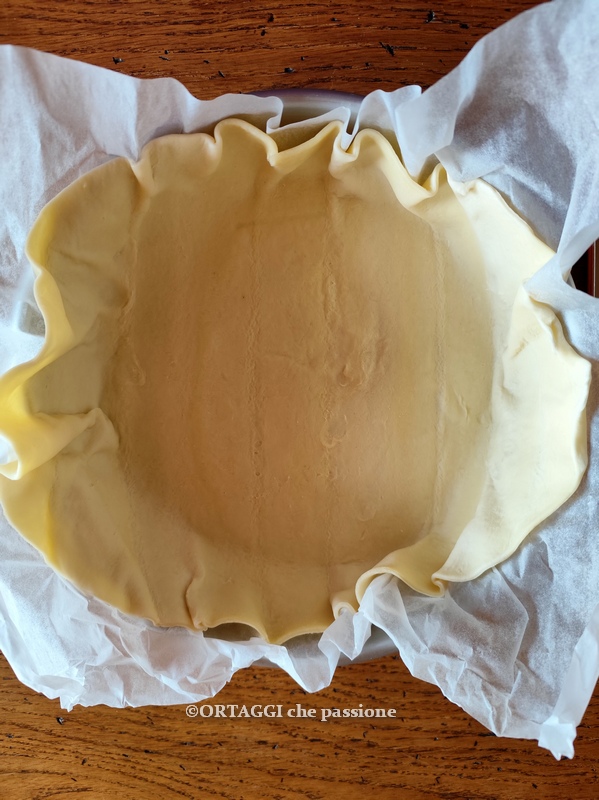
10. Unroll the puff pastry into a 9.5-inch cake pan with its parchment paper.
11. Fill the puff pastry with the prepared mixture, level it, fold the edges inwards over the surface, and, with the prongs of a fork, prick the entire outer rim.
If desired, decorate the surface with almonds before baking.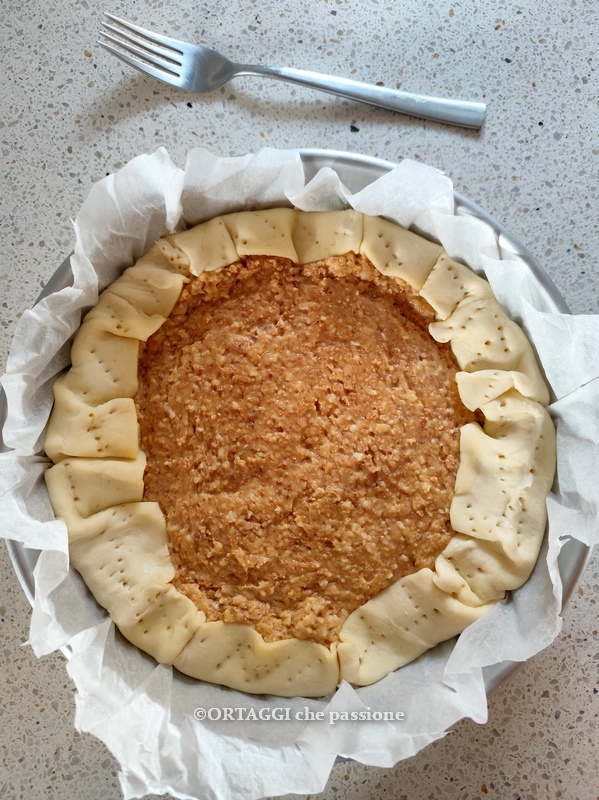
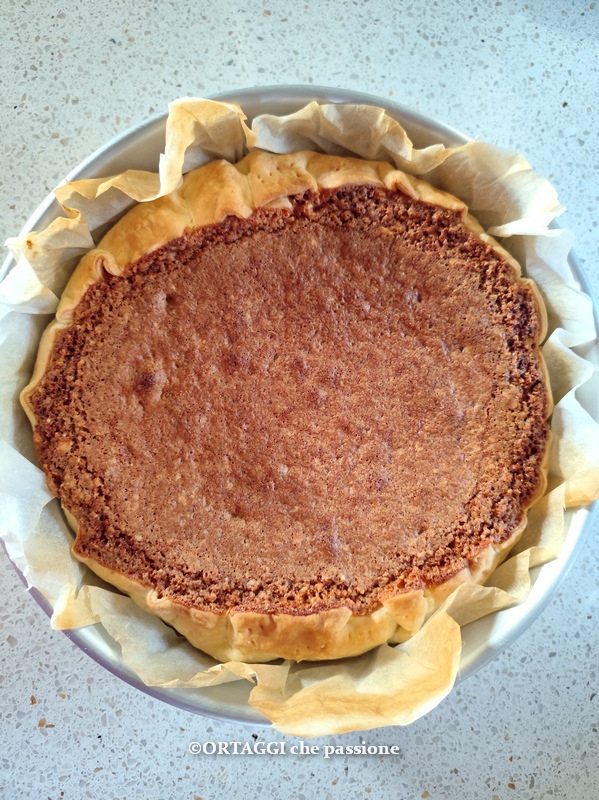
12. Bake in a preheated static oven at 350°F for about 60 minutes.
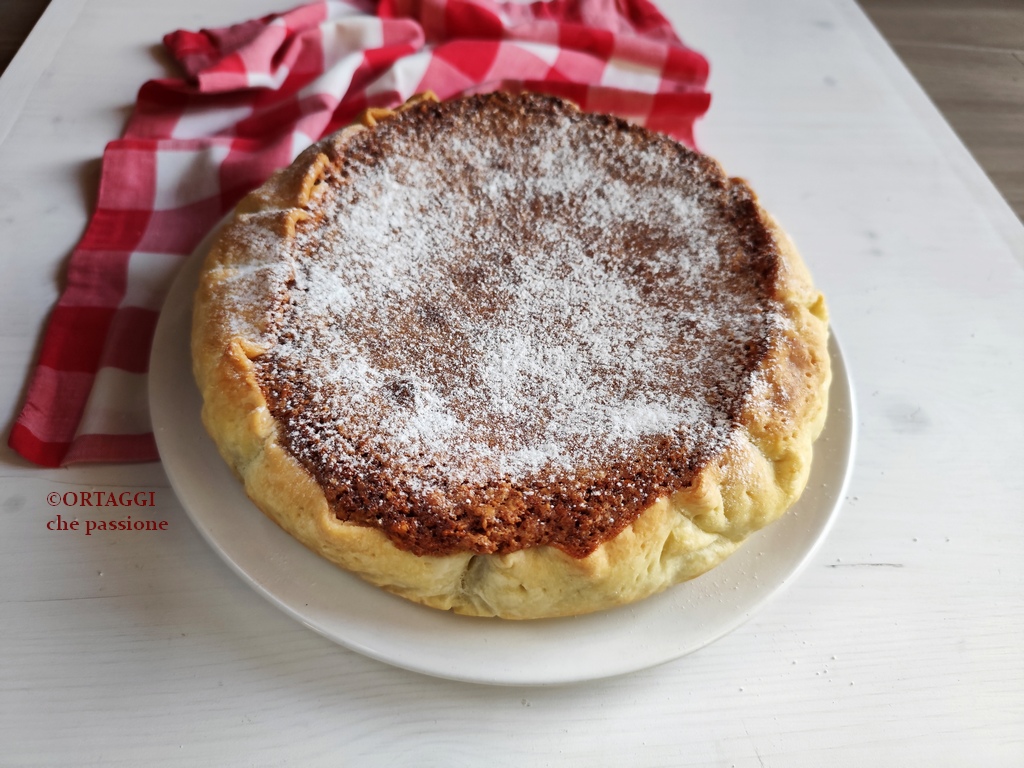
13. Allow to cool completely before serving and sprinkle with powdered sugar.
STORING the Verona Russian Cake
It keeps well for 10 days in an airtight container, retaining crunchiness and flavor. Avoid the freezer, as cooling affects the crispness and texture of the cake.
FAQ (Questions and Answers)
Difference between the Greek Mantuan Cake and the Verona Russian Cake
The Greek Mantuan cake is a humble and rustic dessert, with a compact texture and delicate flavor, designed to last over time and accompany everyday moments. The Verona Russian Cake, on the other hand, is richer and more crumbly, with a greater use of butter and nuts, a more inviting appearance, and an intense taste, reflecting a more elaborate and pastry-like tradition.
What is the price per kilo of the Russian cake in pastry shops?
The price of the Russian cake in pastry shops generally ranges between 15 and 20 euros per kilo, depending on the quality of the ingredients, the artisanal processing, and the fame of the pastry shop.
Why is it called Russian Cake?
The story is quite recent: it was created around the ’50s and, according to legend, a pastry chef working on cruise ships fell in love with a Russian girl in 1966, inspiring him to name the dessert after her. More likely, however, the name derives from its shape, which resembles a Russian fur hat. Interestingly, the ingredients are typically Italian and French, with nothing to do with Russia, but the romantic allure of the story has helped it become a Veronese icon.
Why is it called Greek Cake?
The name “Greek cake” is shrouded in mystery: it does not originate from Greece, but probably derives from ancient local traditions evoking “exotic” shapes or ingredients for the time, such as dried fruits and spices. Interestingly, it is a rustic and humble cake from the Mantuan tradition, born more for simplicity and longevity than for real connections with Greece.