Sciusceddu from Messina. It is the symbolic Easter dish on the shore of the Strait, an absolute gem all year round because it combines two contrasting textures: the structured savory bite of the little meatballs and the almost ethereal softness of the ricotta-and-egg topping.
The Three Levels of Sciusceddu
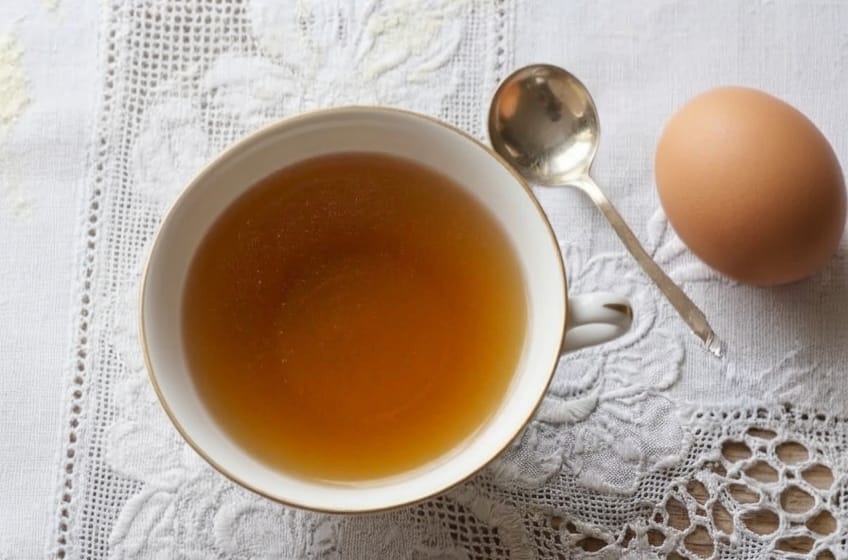
The Base: A reduced and fragrant meat broth (preferably hen or beef).
The Heart: Small meatballs of very finely ground meat, grated cheese, breadcrumbs and parsley, cooked directly in the broth.
The “Cap”: A whipped cream made of well-drained fresh ricotta, eggs and plenty of pecorino or Parmesan.
The Secret of the Cooking
The magical moment to describe to your readers is the oven passage: the ricotta cream must puff up like a soufflé and brown on the surface, creating a crust that hides the boiling broth and the meatballs beneath.
A touch of style
”Sciusceddu is not just a soup, it is a warm embrace.
It is the dish that shows how in Messina ricotta is not just a dessert, but the ingredient that transforms a broth into a work of art.
“Sciusceddu has its roots in 17th-century Messina, influenced by French rule and the culinary skill of convents. The name likely derives from the Latin juscellum (soup) or from the Sicilian verb sciusciare (to blow), referring to the heat released by the dense ricotta crust.
Born as a celebratory dish for Easter Sunday, it symbolically represents rebirth: the meatballs immersed in the broth recall the substance of the earth, while the foam of eggs and ricotta that puffs up in the oven evokes the lightness of the spirit.
Historically it was prepared with extreme care by nuns, who perfected the technique to obtain a soft golden “cap”, similar to a modern soufflé but with typically Mediterranean flavors.
Made for you:
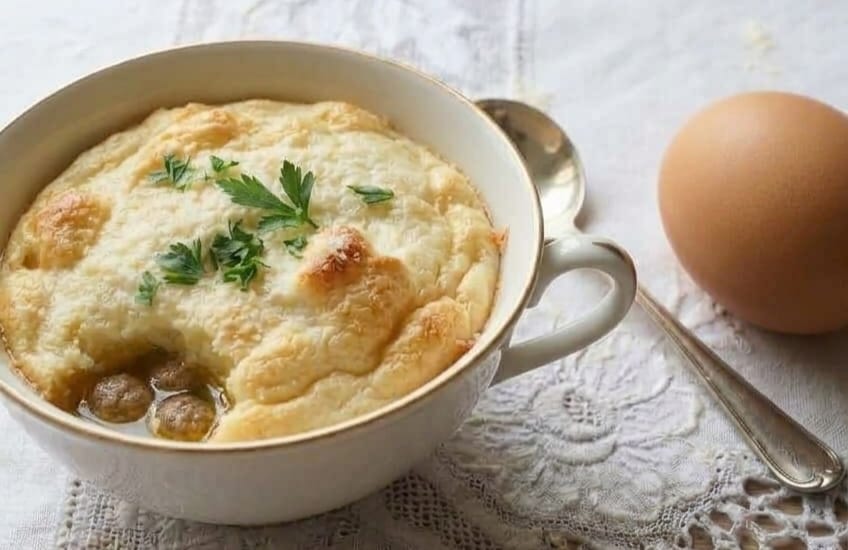
- Difficulty: Easy
- Cost: Inexpensive
- Preparation time: 1 Hour
- Cooking time: 20 Minutes
- Portions: 4
- Cooking methods: Boiling, Oven
- Cuisine: Italian Regional
- Region: Sicily
- Seasonality: Autumn, Winter and Spring, Easter
Ingredients
Let’s go shopping
- 6 1/3 cups chicken broth
- 14 oz veal, minced (ground)
- 1 bunch parsley, chopped
- 1.4 oz pecorino, grated
- 1.4 oz Maiorchino, grated (or Parmesan)
- 4 egg yolks
- 1 cup sheep's milk ricotta
- 4 egg whites
- to taste salt
- to taste pepper
- to taste ground cinnamon
Sciusceddu from Messina
Tools
We need
- 1 Pot
- 4 Cocotte
- 1 Bowl
- 1 Hand whisk
Steps Sciusceddu from Messina
The first thing to do is
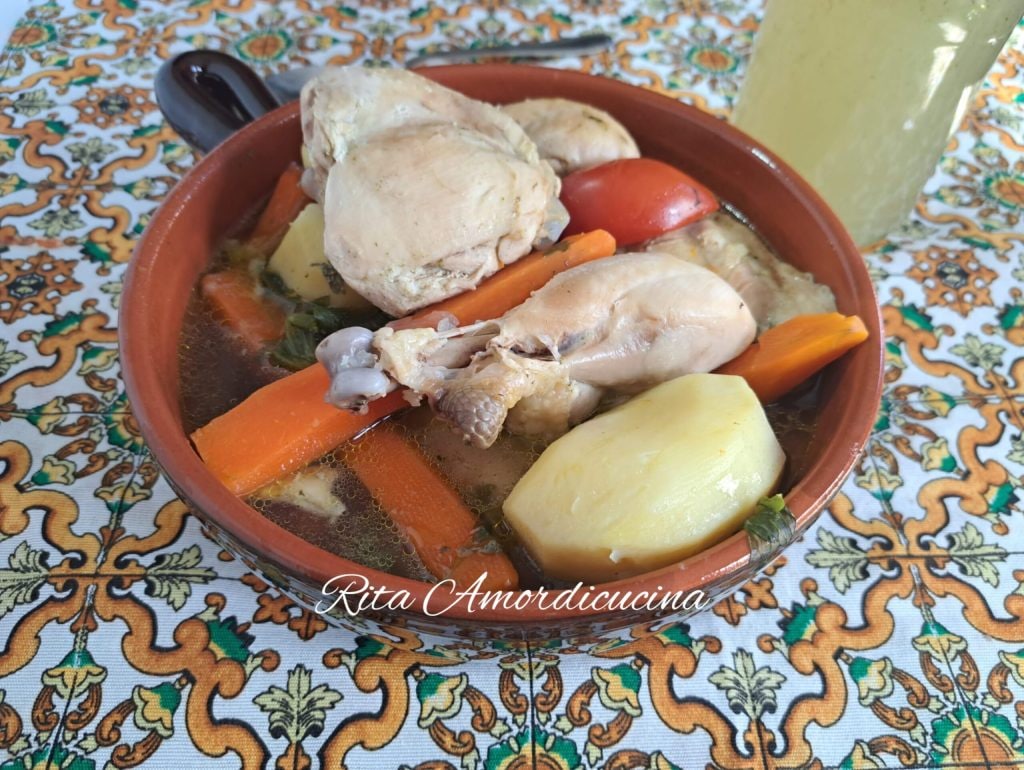
Click here to find my recipe. Strain it and set it aside
In a bowl combine the ground meat, 2 egg yolks, the grated cheese, the chopped parsley, salt and pepper to taste and one clove of garlic minced,
mix everything until you obtain a fairly homogeneous mixture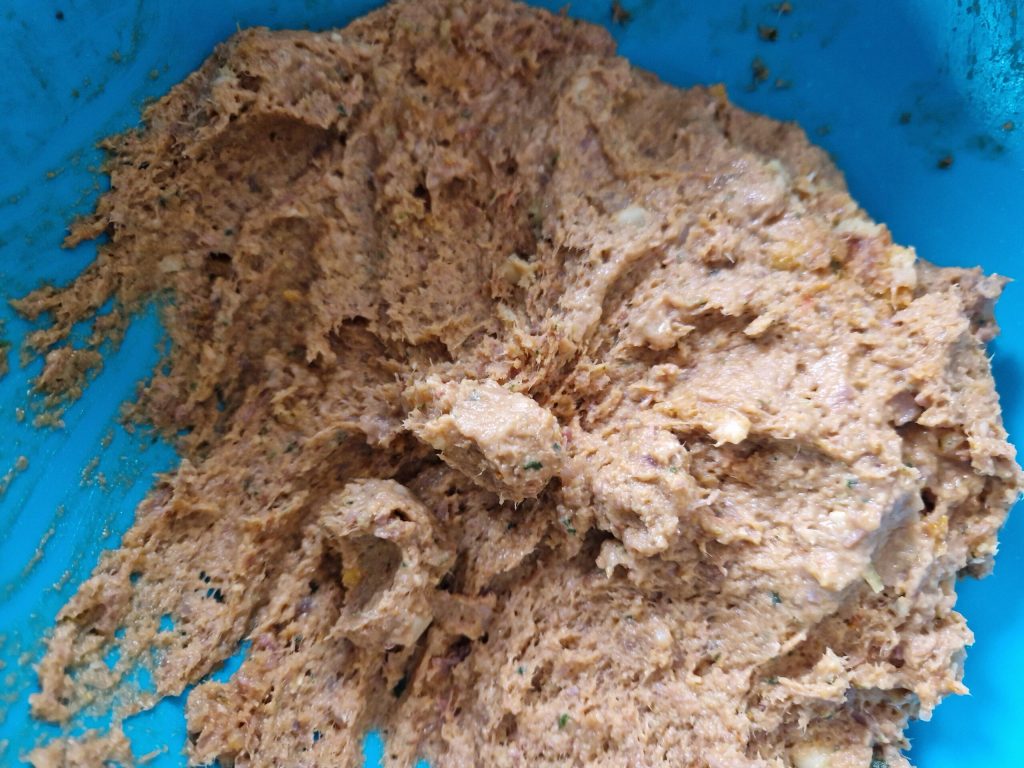
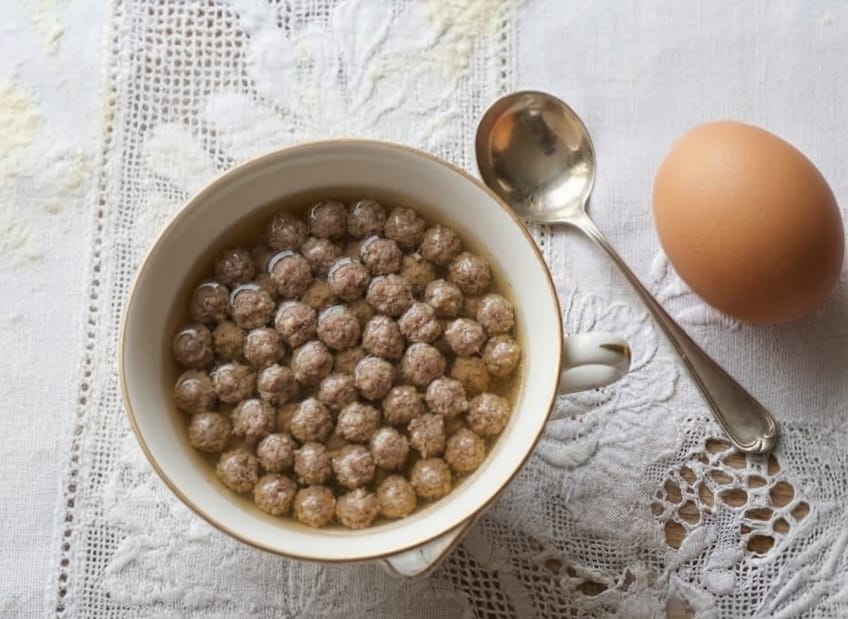
Take small portions of the mixture and shape many tiny meatballs smaller than a walnut.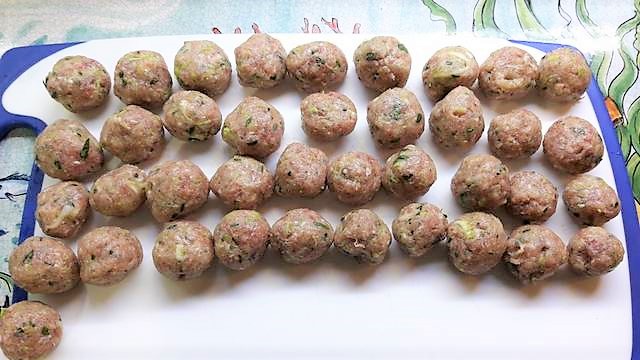
At this point cook the meatballs in the boiling chicken broth and let them cook for about 10 minutes. After the time has passed, turn off the heat and leave the meatballs in the hot liquid for a few minutes so they absorb the flavors well.
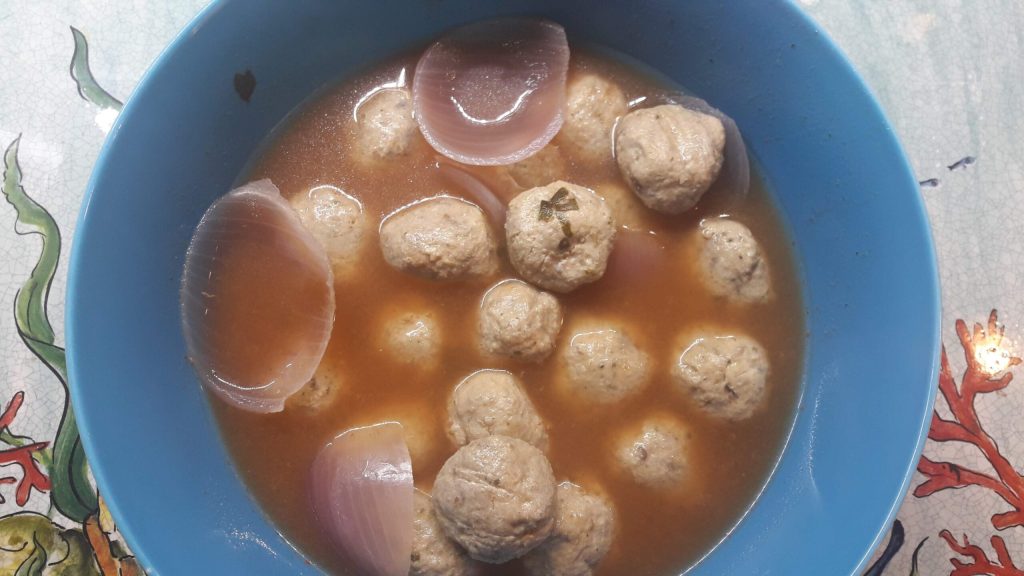
Now choose whether to finish the Sciusceddu from Messina in a single baking dish or, as I prefer, in a single consommé bowl for each person. The most important thing is that the baking dish or the consommé bowls can be transferred to the oven
Scoop a little broth and pour it into the baking dish or the consommé bowl,
Scoop the meatballs with a slotted spoon and transfer them to the baking dish or the consommé bowl.
The ricotta must be well drained; transfer it to a bowl together with the remaining egg yolks
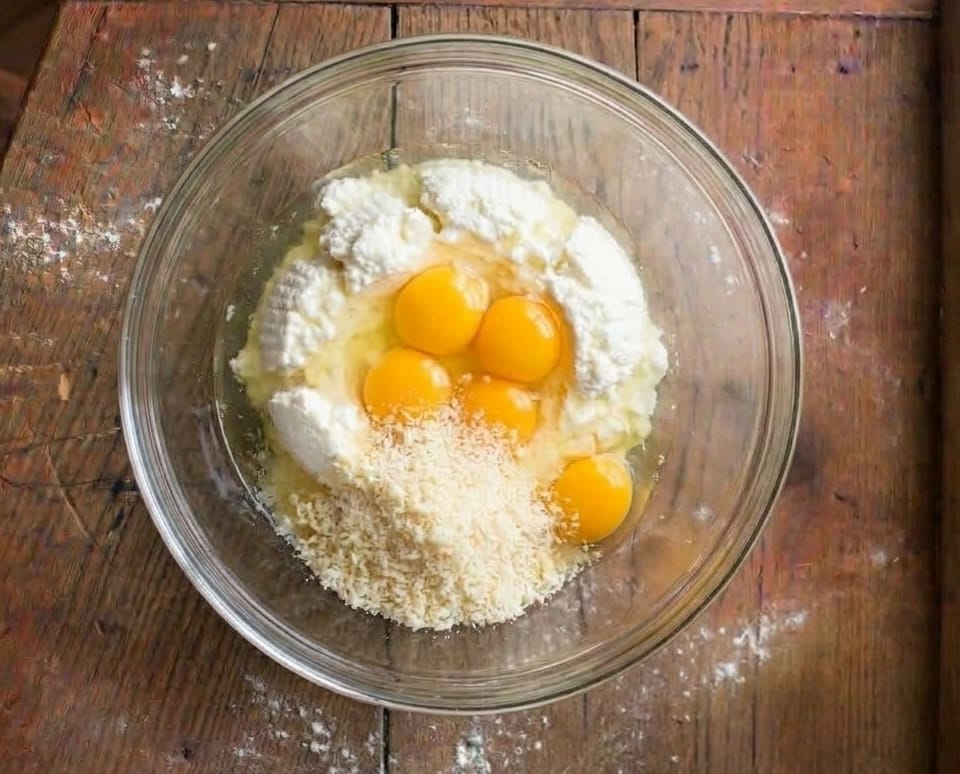
and whisk together with a hand whisk.
Add a pinch of cinnamon and the grated Maiorchino or Parmesan.
Once you obtain a smooth mixture,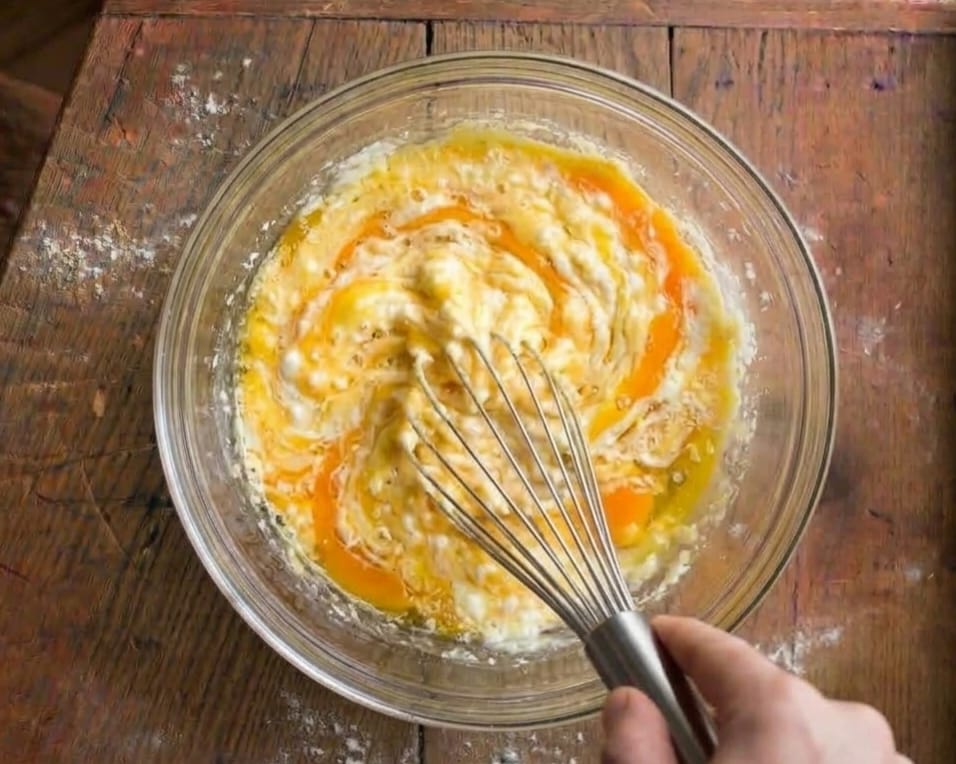
whip the egg whites until stiff peaks form. Then gently fold them into the ricotta mixture,
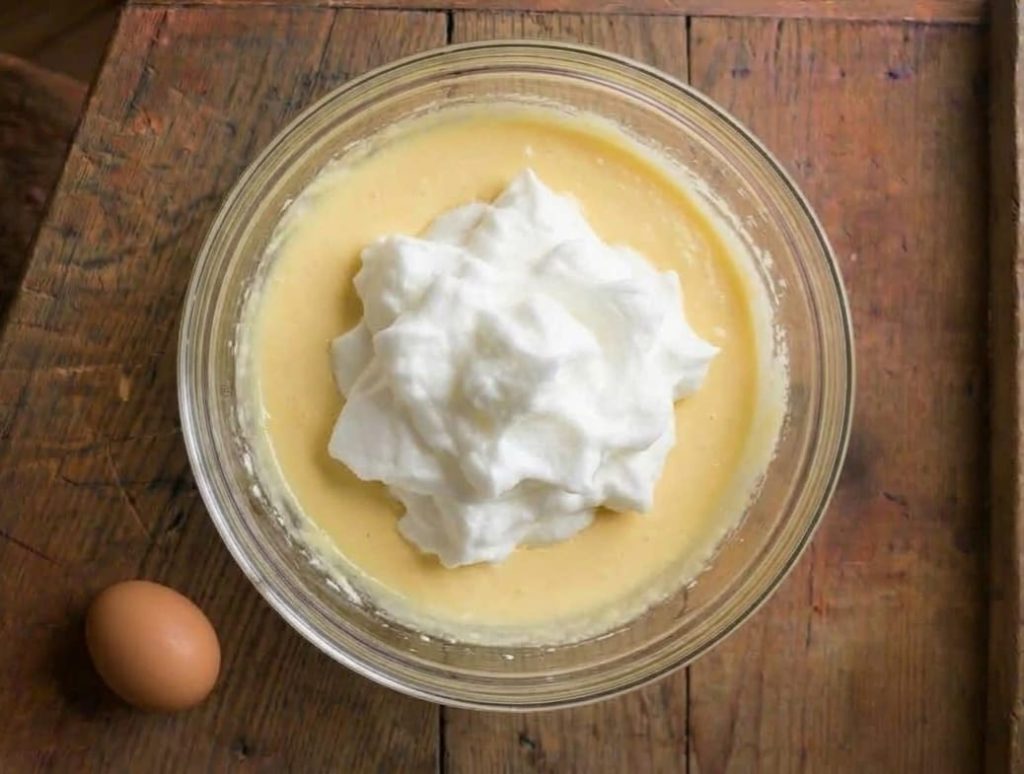
with a spatula very gently to avoid deflating them.
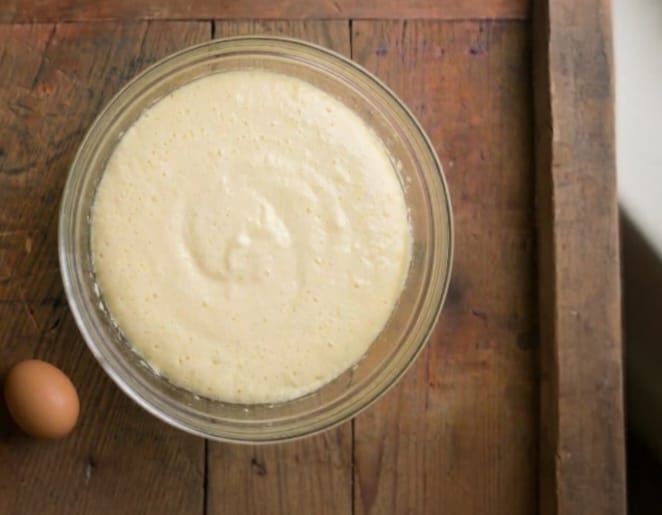
Spread the ricotta mixture over the meatballs and level the surface with a spatula, then place everything in a preheated conventional oven at 374 °F and bake for 20-25 minutes.
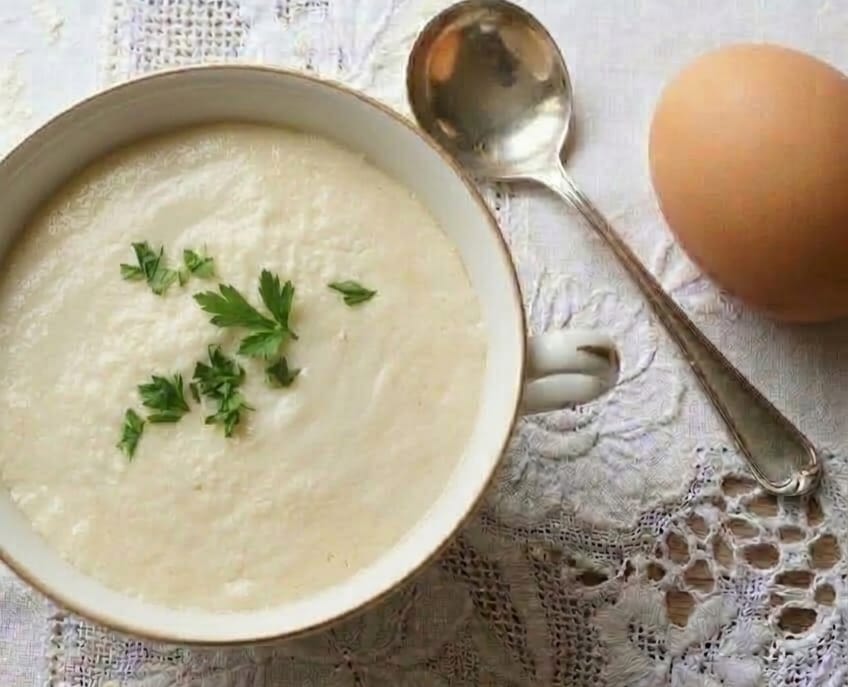
When the surface is nicely golden, remove the sciusceddu from the oven.
Sprinkle the Sciusceddu from Messina with a chopped fresh parsley garnish, bring to the table and serve—the soft embrace of a cloud of ricotta hiding an ancient heart of meatballs and the tradition of my land.
Storage and tips
“Sciusceddu from Messina should be eaten immediately after baking to preserve the soft consistency of the ricotta “cap”.
If necessary, you can keep it in the refrigerator for up to 24 hours, but note that the top will tend to deflate and become compact.
Tips for handling
Plan ahead: You can prepare the broth and the meatballs the day before, storing them separately.
Final cooking: Whip the ricotta cream and bake only 20 minutes before serving.
Reheating: Avoid the microwave, which would make the ricotta rubbery; a quick pass in a convection oven is better.
I do not recommend freezing the complete dish because the ricotta would lose its creamy structure once thawed. Bake at 392 °F for about 15-20 minutes.
Use conventional (static) mode for the first 15 minutes so the ricotta puffs up well, then switch to the broiler for the last 2-3 minutes until the surface turns a deep golden color
FAQ (Questions and Answers)
Sciusceddu from Messina