Soft Cream-Filled Donuts. Discover how to prepare cloud-soft cream-filled donuts and the tricks for perfect frying, the secret of the ‘light line’ and the recipe for traditional dough or with the Bimby.”
Cream-filled donuts are the ultimate indulgence: soft clouds of perfectly fried leavened dough, rolled in granulated sugar
This version guarantees an elastic and ultra-light dough that holds a generous heart of velvety custard, perfect for a Sunday breakfast or an unforgettable snack.
In this guide, I’ll reveal the secret of slow leavening and the ideal oil temperature to achieve that characteristic “light line” in the center, a sign of a dry and professional fry.
Get ready to bring all the fragrance and softness of the best Italian bars directly from your kitchen.
Why you’ll love this recipe:
Foolproof dough: Guaranteed results even for beginners.
”Cloud” consistency: Thanks to a perfect balance between fats and flours.
Trade secrets: Practical tips to prevent the donuts from being raw inside.
Traditionally, Cream-Filled Donuts are filled with custard, but I’ll also show you, in addition to the classic custard, chocolate custard or various homemade jams.
Recipes made for you:

- Difficulty: Easy
- Cost: Economical
- Rest time: 3 Hours
- Preparation time: 30 Minutes
- Portions: 10-12
- Cooking methods: Boiling, Frying
- Cuisine: Italian
- Seasonality: Carnival, All seasons
Ingredients
Let’s go shopping
- 2 cups Manitoba flour
- 2 cups all-purpose flour
- 3/4 cup milk
- 2 eggs
- 1/3 cup butter (soft)
- 1/3 cup sugar
- 1 tbsp fresh yeast
- 1 tsp lemon zest
- 1 pinch salt
- as needed sunflower oil
- as needed sugar
- 500 g custard (classic click here for the recipe)
- 500 g chocolate custard (chocolate click here for the recipe)
- as needed jam (your choice, here are my collections click)
Soft Cream-Filled Donuts
Tools
Soft Cream-Filled Donuts
- 1 Bowl
- 1 Pastry Board
- 1 Pastry Cutter
- 1 Rolling Pin
- 1 Parchment Paper
- 1 Pan
- 1 Paper Towels
- 1 Pot or the Bimby
- 1 Piping Bag
Steps
Let’s go to the kitchen to prepare
Traditional dough in a bowl or stand mixer
Dissolve the yeast in the milk.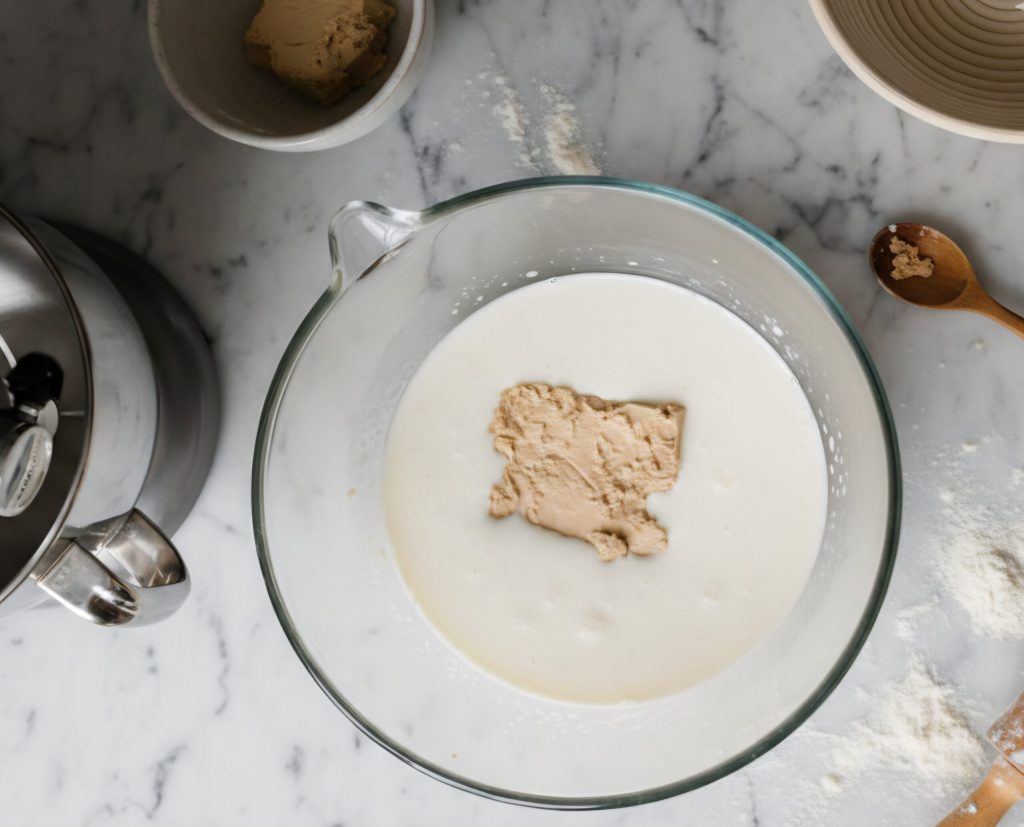
Add sugar, zest, and eggs.

the 2 flours
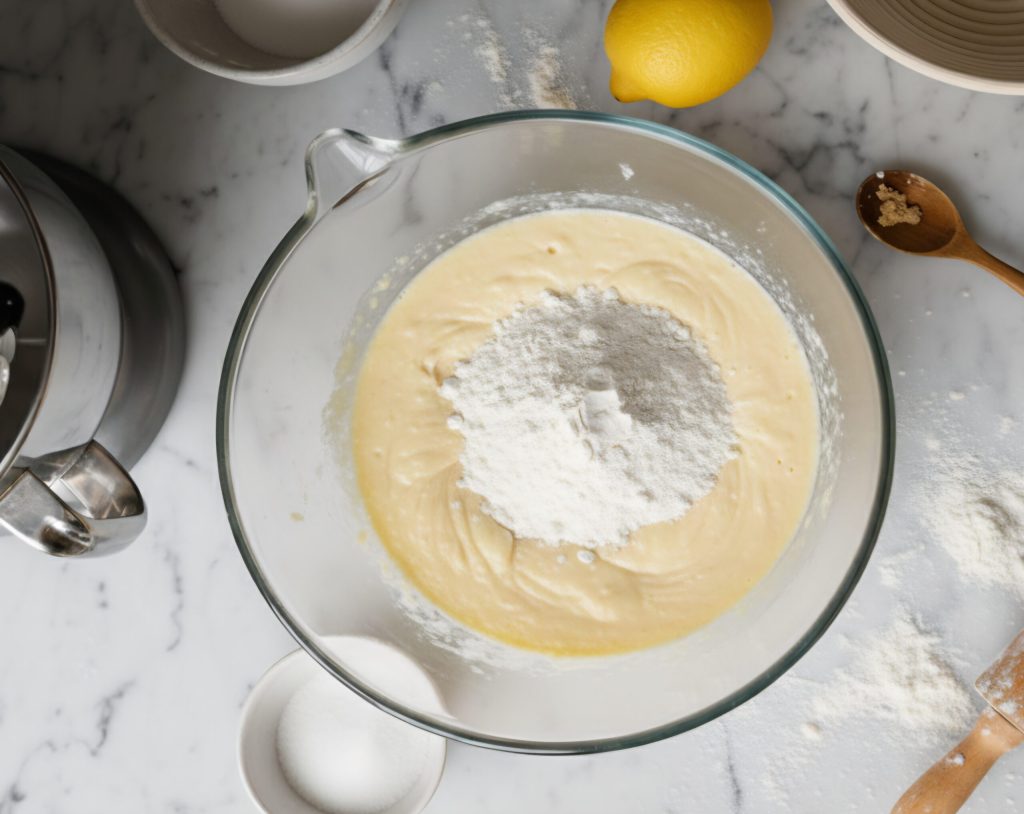
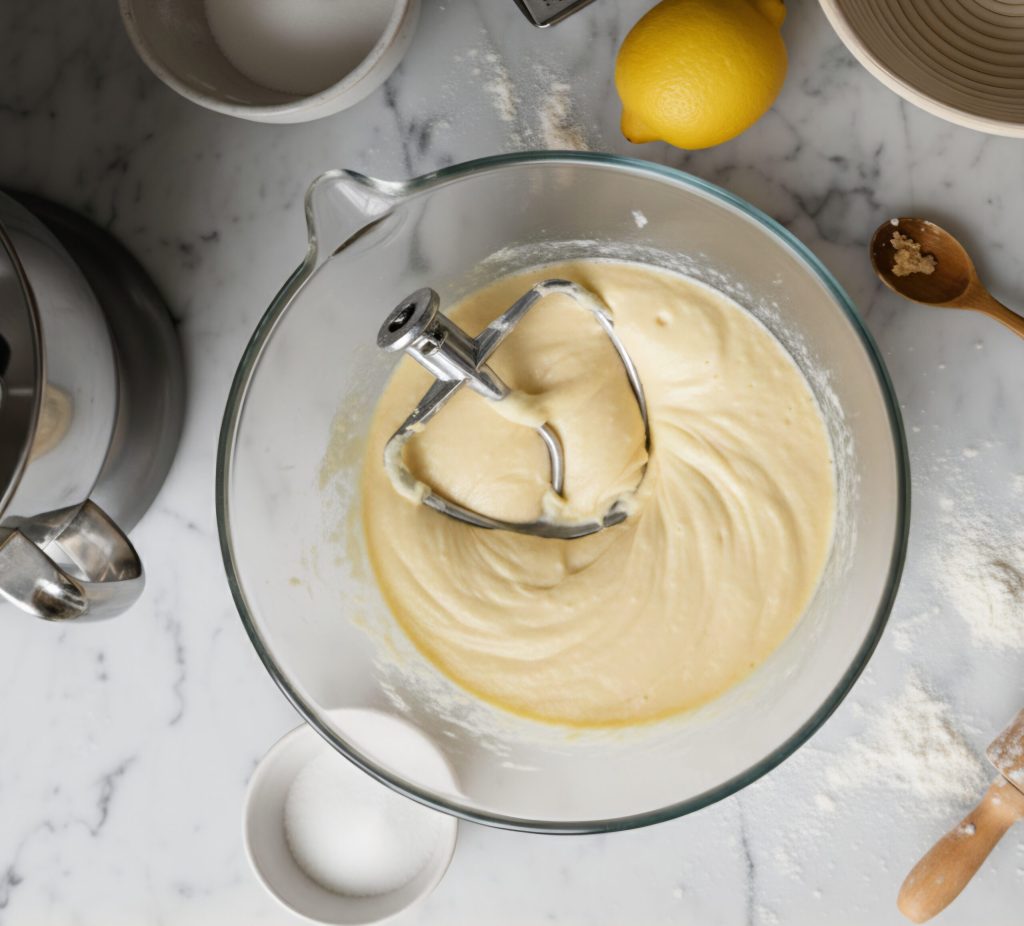
Work in the butter in pieces and the salt until the mixture is smooth.
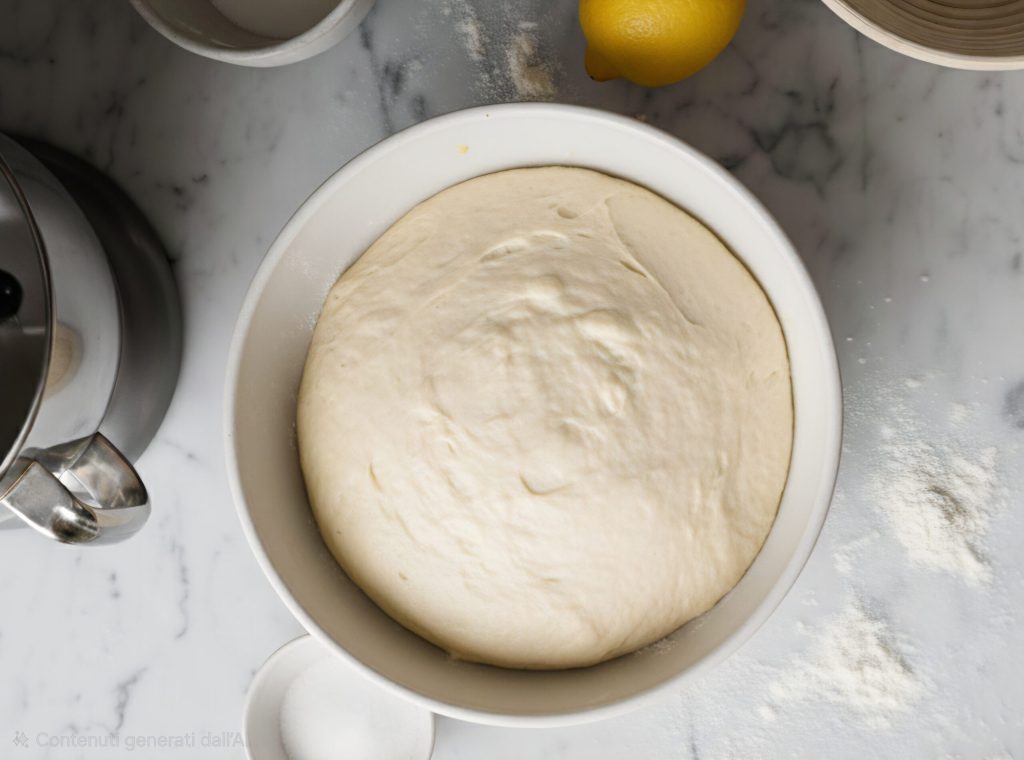
Leavening: Let it double in a covered bowl (about 2 hours).
Times may vary depending on the season.
Place milk, sugar, and yeast in the bowl. 2 Min. / 98°F / Vel. 2.
Add flours, egg, and zest. 3 Min. / Knead.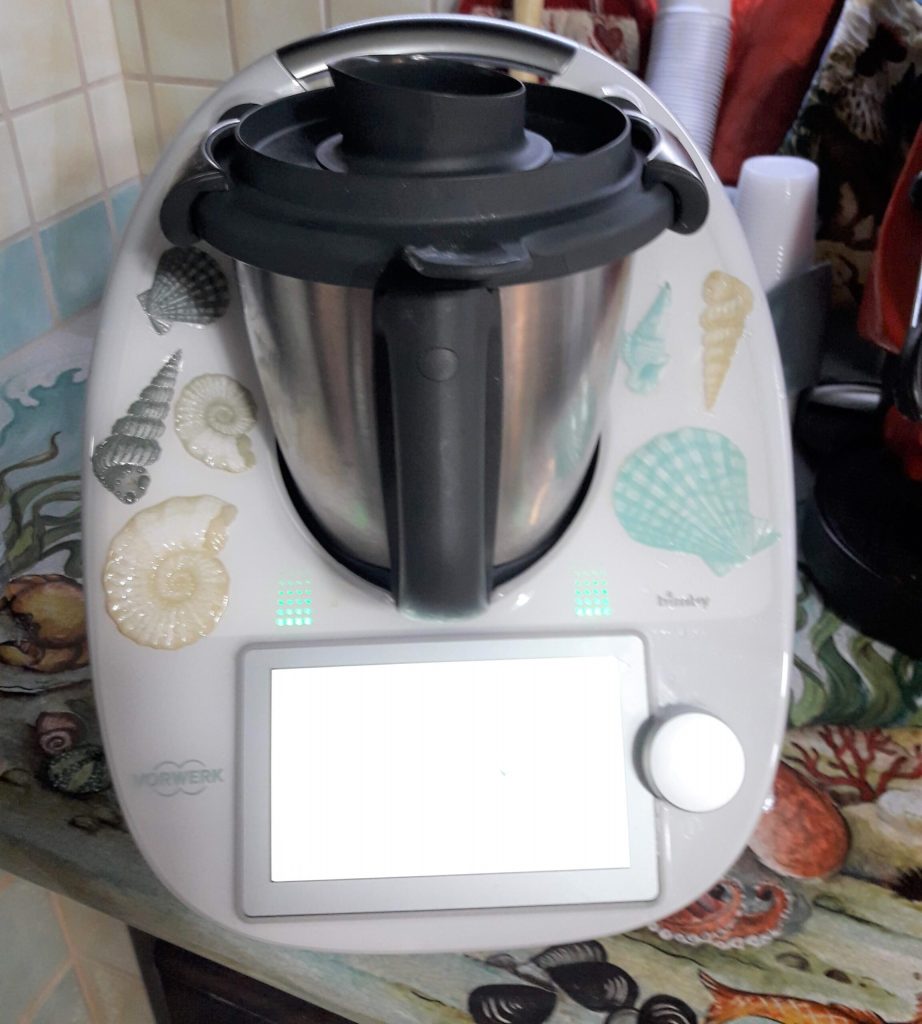
Add butter and salt. 3 Min. / Knead.

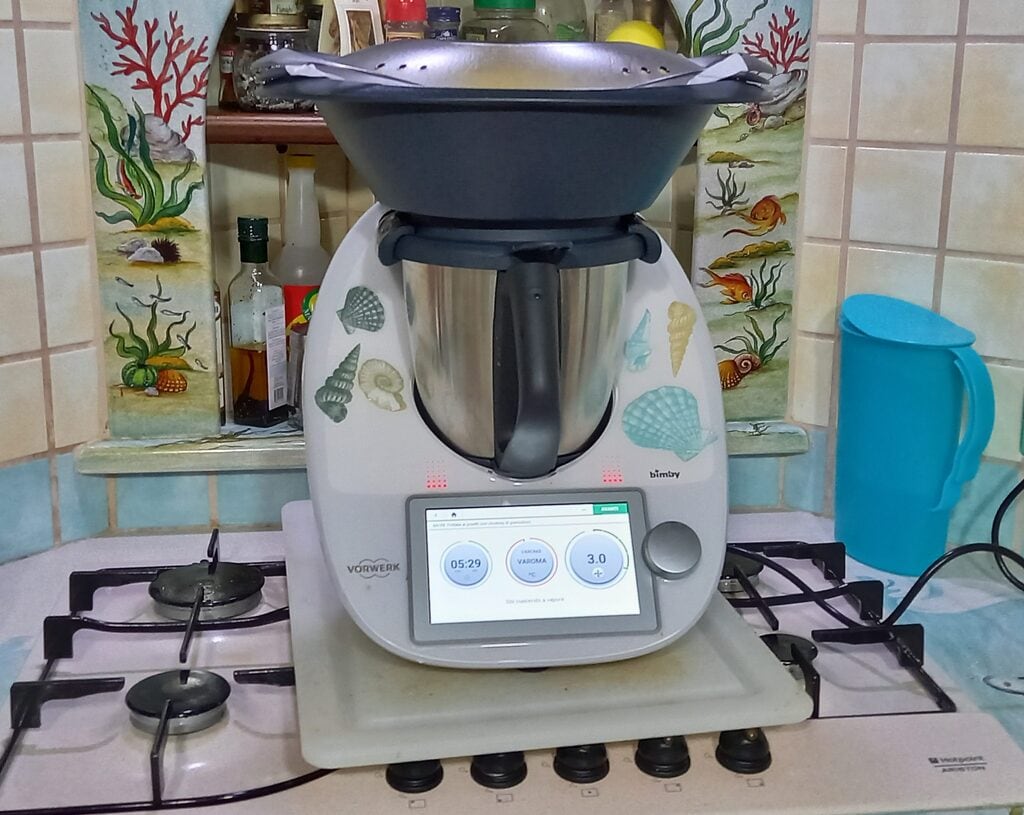
Leavening: Let it double in the varoma for about 2 hours, with 500 g of water in the bowl fermentation mode or 98°F speed spoon.
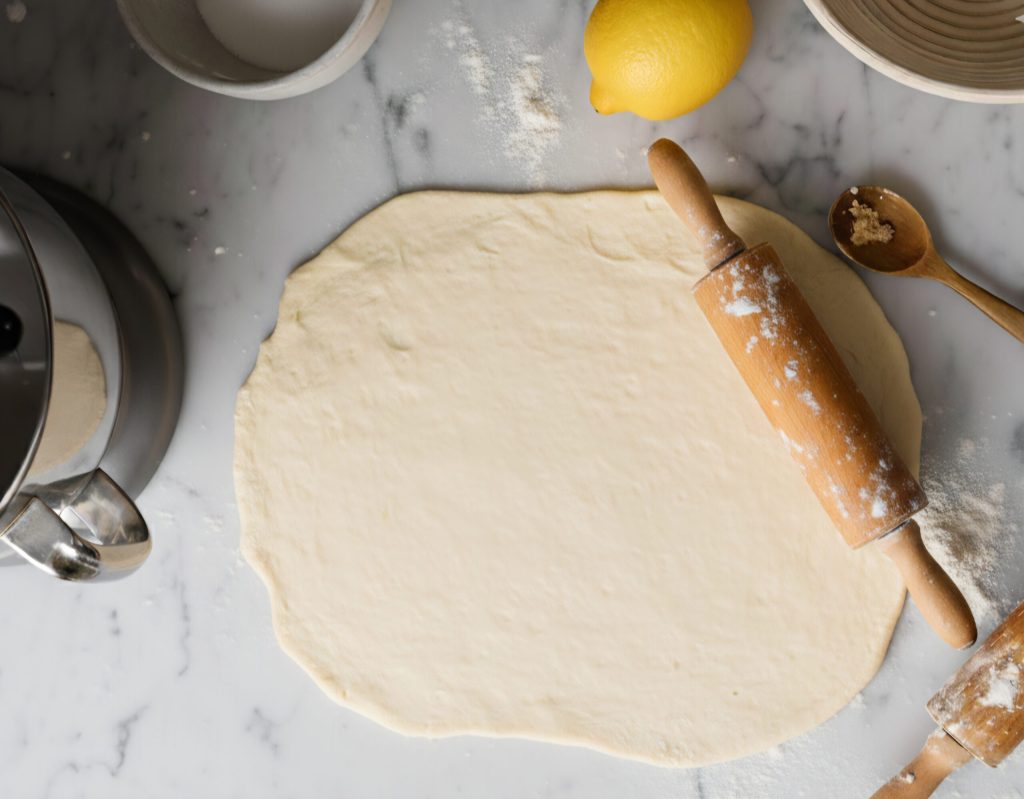
Shape: Roll out the dough (thickness 0.6 inches)
and cut out discs with a pastry cutter.
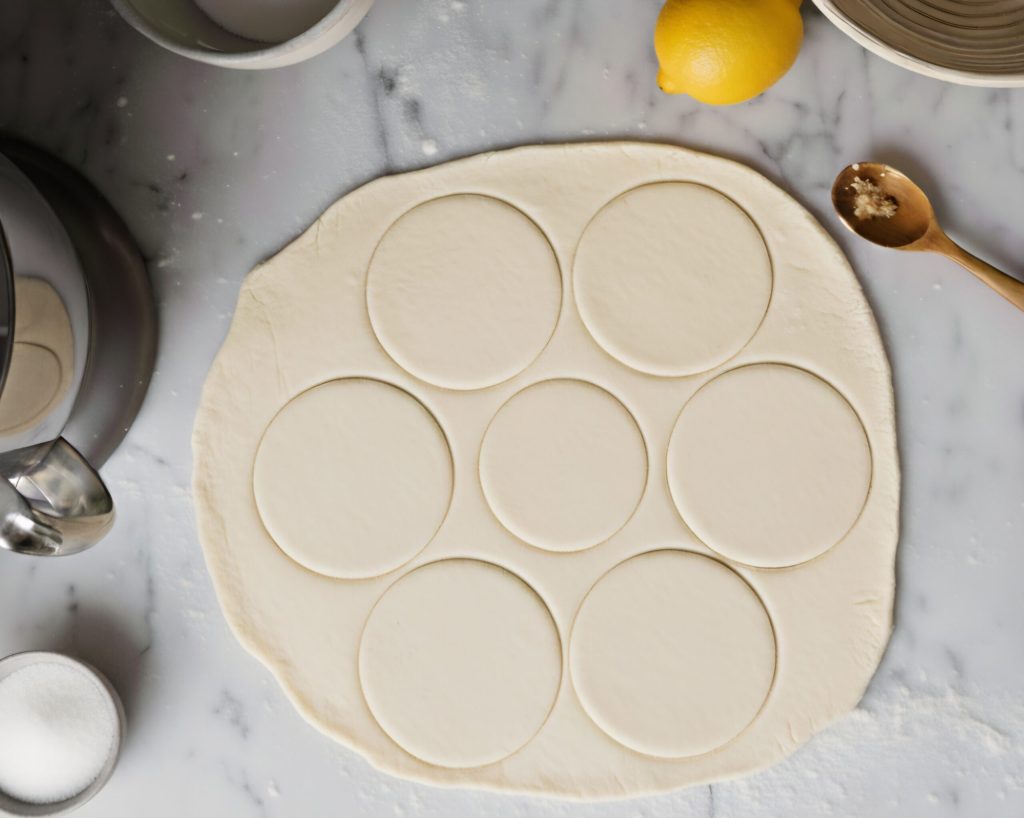
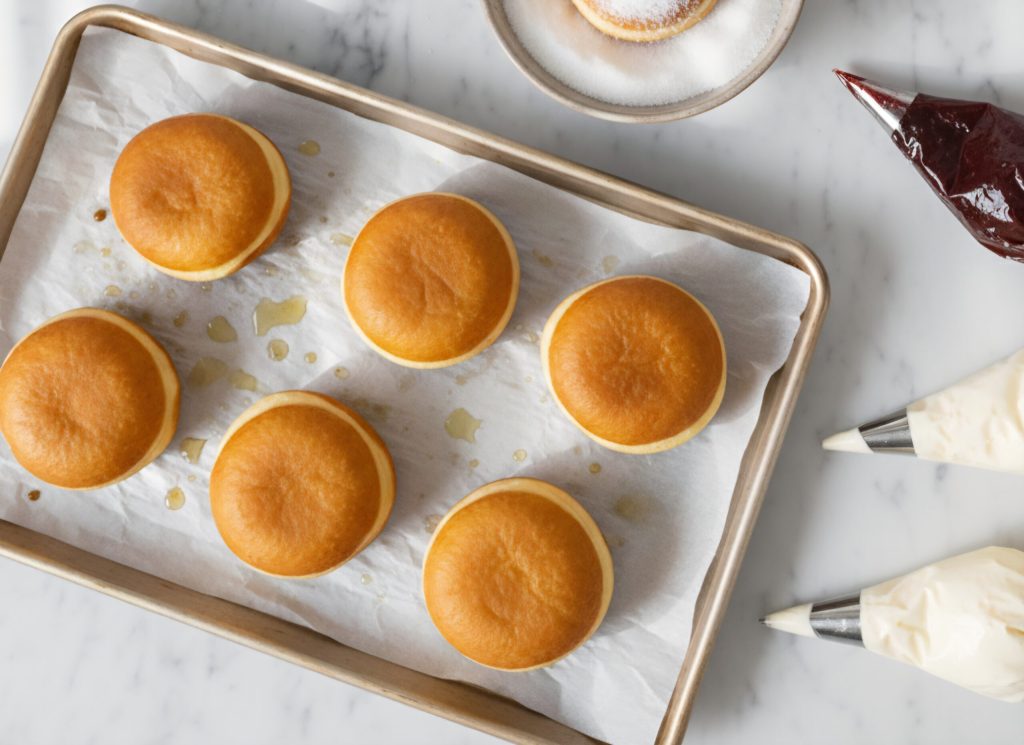
Leave them to rise on parchment paper for another 40-60 minutes. This is the secret to achieving that perfect hollow inside and the classic “light line” horizontally on the outside,
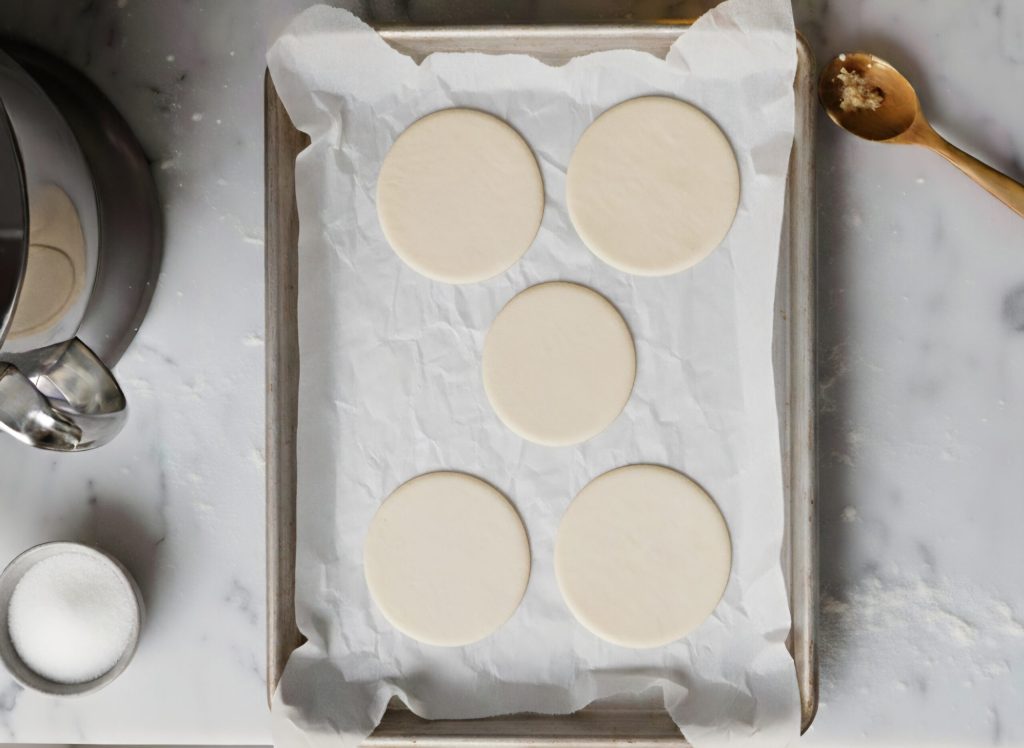
Cooking: Trim the parchment around each donut and submerge them with it, to make it easier, then when you turn them the paper will detach on its own and you will eliminate it. Fry in oil at 338°F, turning them once.
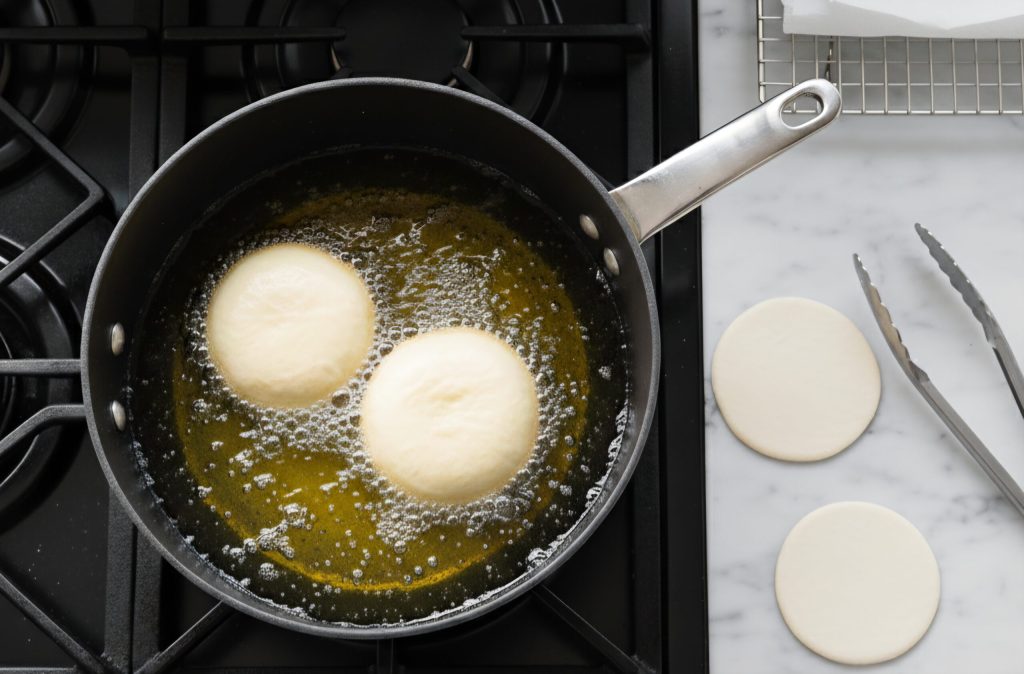
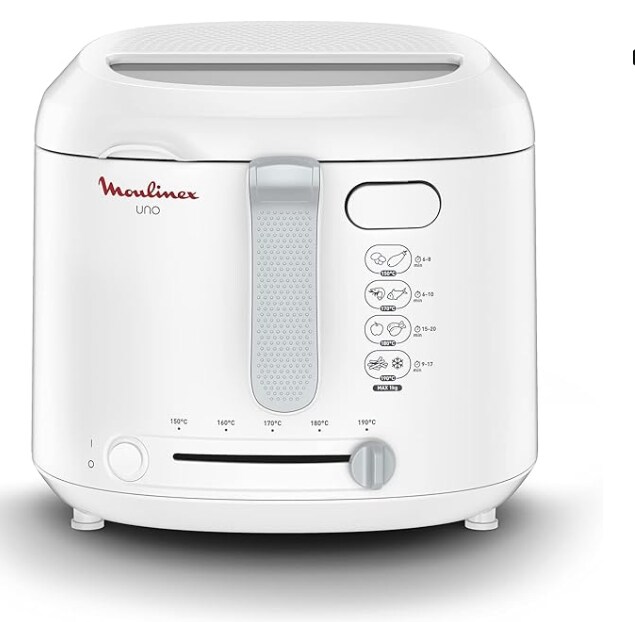
You could also cook them in an oil fryer while maintaining a temperature of 338°F and keeping it constant
Drain each donut on paper towels, immediately roll them in granulated sugar and fill with custard or chocolate or even with jam using a piping bag.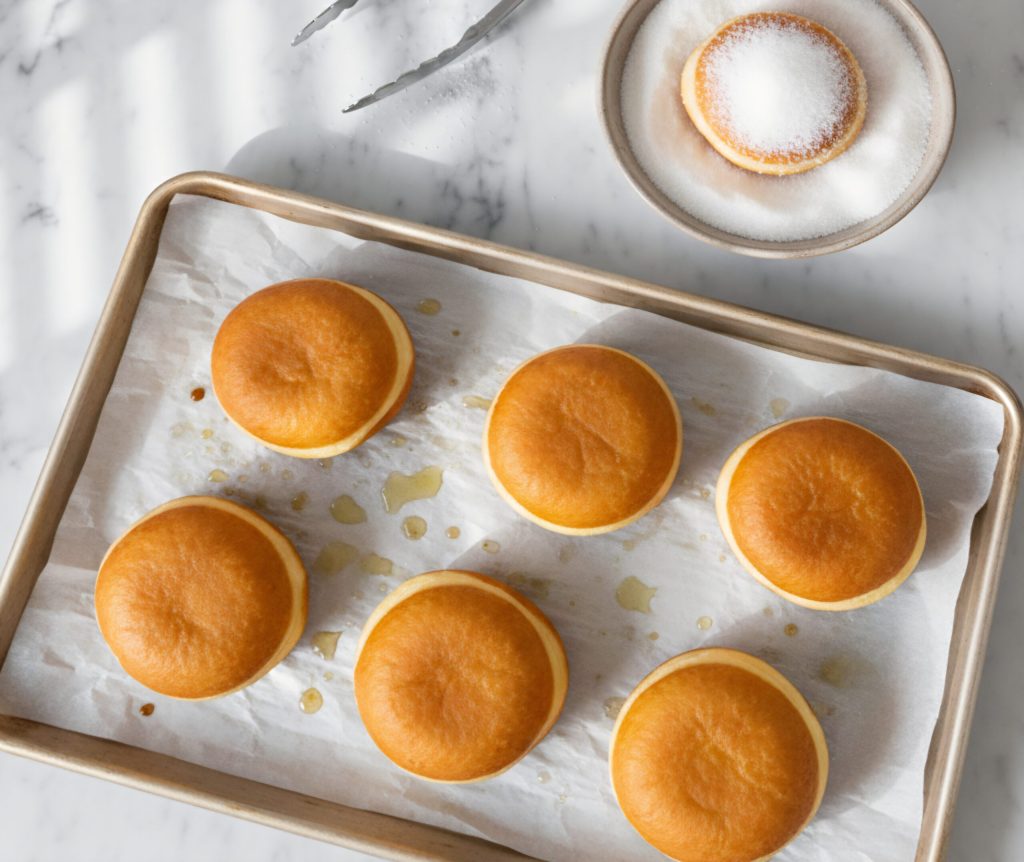
and fill with custard

or with chocolate or even with jam using a piping bag.

Here are the Soft Cream-Filled Donuts ready, delicious and indulgent.
Storage
Soft Cream-Filled Donuts
Short-term storage (Consume within 24 hours)
At room temperature: Place them in an airtight container or under a glass dome. Do not leave them in the air, otherwise the dough dries quickly.
Filled or empty? If they are filled with custard, after a couple of hours at room temperature they must be put in the refrigerator for food safety. If they are empty, they can stay out.
2. The microwave trick (To make them return to softness)
The cold of the fridge or the passing hours make the dough compact.
Heating: Put them in the microwave for just 8-10 seconds at medium power. The heat melts the fats in the butter and the sugar, instantly restoring the original softness. Be careful not to heat them too much, or the internal cream will scald!
3. Freezing (The best long-term solution)
You can freeze them at two different moments:
Raw (after shaping): Once the discs are cut, place them on a tray in the freezer.
When they are hard, move them to a bag. When you want to use them, let them thaw and rise completely (it will take about 3-4 hours) and then fry them.
Cooked (empty): Freeze them as soon as they have cooled. When you want to eat them, pass them directly into a hot oven at 302°F for a few minutes or let them thaw at room temperature and heat them in the microwave.
Fill them only at the last moment.A small secret: If you already know that you will not eat them all immediately, I advise you not to roll them in granulated sugar.
The sugar, over the hours, tends to dissolve and make the surface sticky (“wet effect”). Better to sugar them at the time of consumption after they have been slightly heated
Advice and Warnings
Advice
1. The oil temperature (338°F)
If the oil is too hot, the donut will darken immediately outside and remain raw inside. If it is too cold, it absorbs oil and becomes heavy.
2. The trick: If frying in a pan, use a kitchen thermometer. At 338°F, the heat instantly expands the internal gases, creating the cavity, while the outer part cooks evenly.
3. The “Floating” technique
The donut should float halfway in the oil:
Do not overfill the pan with donuts.
The light strip: The part that does not touch the oil (the center) should remain light. This indicates that the dough is very light and full of air.
4. The initial steam
If frying in a pot with high sides, you can put a lid on for the first 30-40 seconds of cooking on each side. The steam that is released helps the donut to swell further before the crust seals.
A little extra tip:
To fill easily, pierce the side of the donut (right on the light strip) with the nozzle of the piping bag or with the handle of a teaspoon, creating space for the cream.
Leavening times for donuts depend on the ambient temperature, but the ideal scheme is as follows:
First leavening (in bulk): About 2-3 hours in a covered bowl, or until the volume doubles.
Second leavening (after shaping): About 45-60 minutes. The cut discs should visibly swell and appear “plump” before being dipped in oil.
Technical advice:
If it’s cold at home, put the dough in the oven turned off with the light on to maintain a constant temperature of about 78-82°F. The “finger test” is the safest method to understand if the dough is ready for frying without risking it deflating or remaining too heavy.
A trick not to ruin the leavening
When the donuts are ready, they are very delicate. If you pick them up with your hands, you risk squashing them and letting the air out.
The parchment paper trick: Cut small squares of parchment paper and place each dough disc on them for the second leavening. When the oil is ready, lift the square and dip the donut directly with the paper. After a few seconds, the paper will detach on its own, and you can remove it with tweezers. Donuts are fried products, so they give their best immediately after they are made. However, if there are any left, here’s how to handle them to prevent them from becoming hard or rubbery:
FAQ (Questions and Answers)
Soft Cream-Filled Donuts
Soft Cream-Filled Donuts