
Homemade Pastina with Pasta Maker
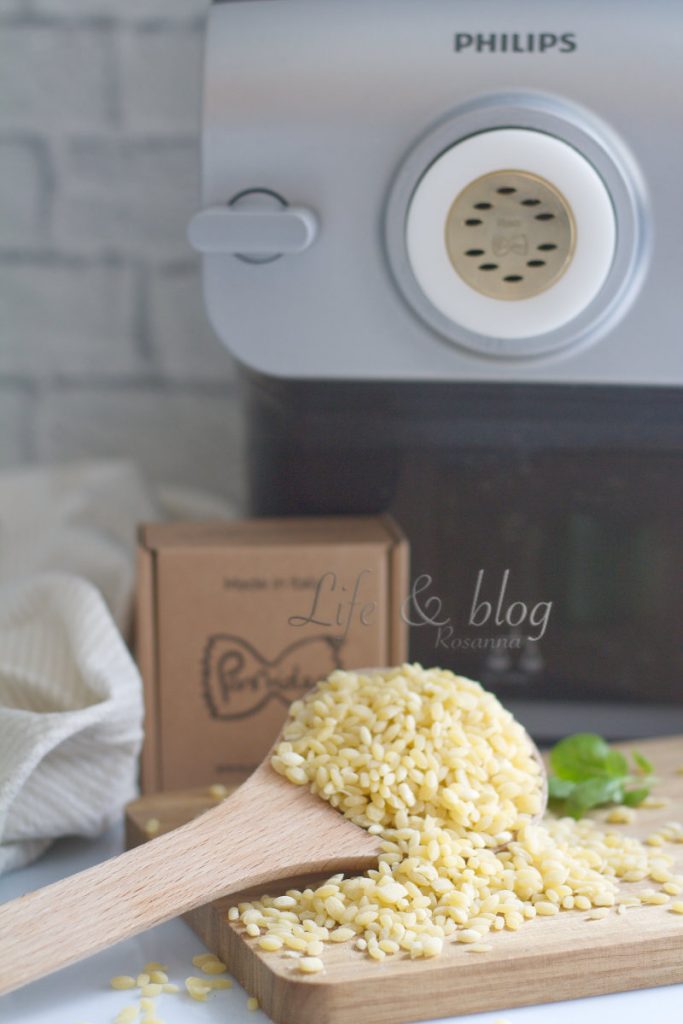
Today we prepare a pasta shape that is as simple as it is ingenious. The small pasta pastina or rice with the die from Pastidea. An excellent result, the small pasta is extruded quickly with an optimal consistency. Philips Pasta Maker is a digital machine for making fresh pasta, equipped with a motor that does all the work for us. Philips Pasta Maker has a container for the ingredients, where you insert the flour, eggs, and other necessary ingredients for making the dough. Thanks to the automatic weighing function, the machine precisely measures the ingredients, based on the selected recipe. The machine is equipped with interchangeable dies, which allow you to create different pasta shapes, such as spaghetti, penne, tagliatelle, lasagna, and much more. Furthermore, the Philips Pasta Maker has an automatic extrusion system, which releases the pasta directly without any more cranks!! The die is made of bronze, a resistant material that ensures greater porosity and roughness to the surface of the pasta. This allows the pasta to better retain the sauce and absorb the flavors of the ingredients with which they are seasoned. The bronze die is therefore considered an essential element for obtaining superior quality pasta. With Pasta Maker and the Pastidea die, you can quickly make delicious pastina for your wonderful recipes, ideal for creating small pasta dishes for our children.
Let’s prepare it!
See many recipes with Pastamaker
- Difficulty: Medium
- Cost: Medium
- Rest time: 30 Minutes
- Preparation time: 5 Minutes
- Portions: 4 people
- Cooking methods: Boiling
- Cuisine: Italian
- Seasonality: All seasons
Ingredients
- 10.5 oz semola rimacinata di grano duro
- 1/2 cup water (approximately)
- 1 tsp oil
Tools
- Pasta machine
- Die
Steps
To make rice-shaped pasta with the Philips pasta maker, follow these steps
Mount the die
To mount the die on the Philips pasta maker, follow these steps:
First, put the die in the adapter and tighten well to lock it with the appropriate tool.
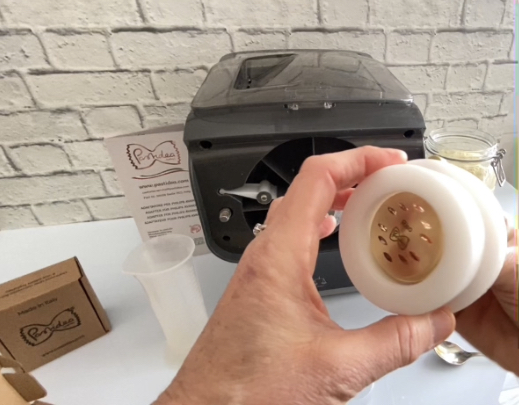
Secure it well, put the front panel back, and tighten well.
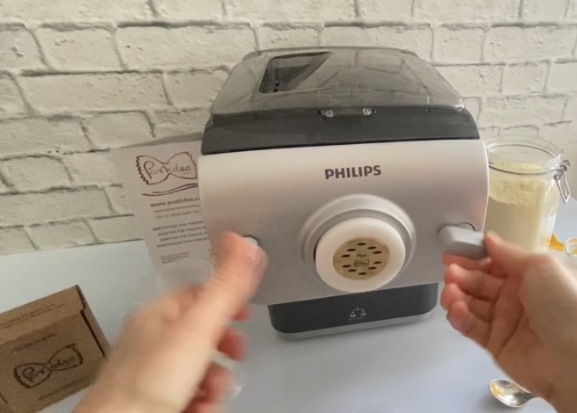
Turn on the machine, set the mode without eggs, and pour the flour.
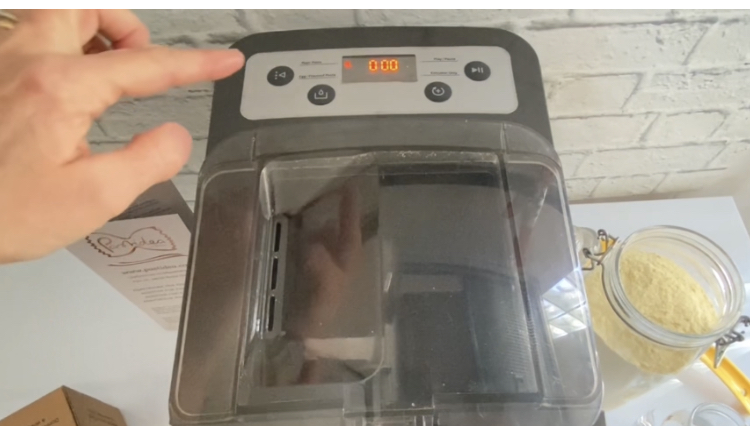
Calculate the liquids (the machine calculates them), close, and press play.
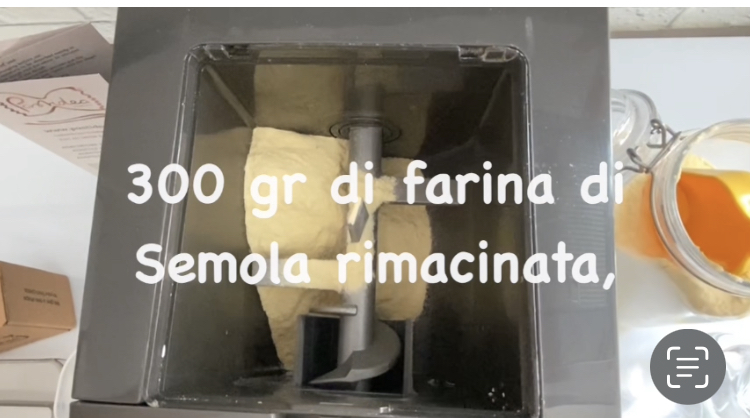
Pour the liquid through the holes in the lid.
The pasta will begin to extrude slowly after about 3 minutes.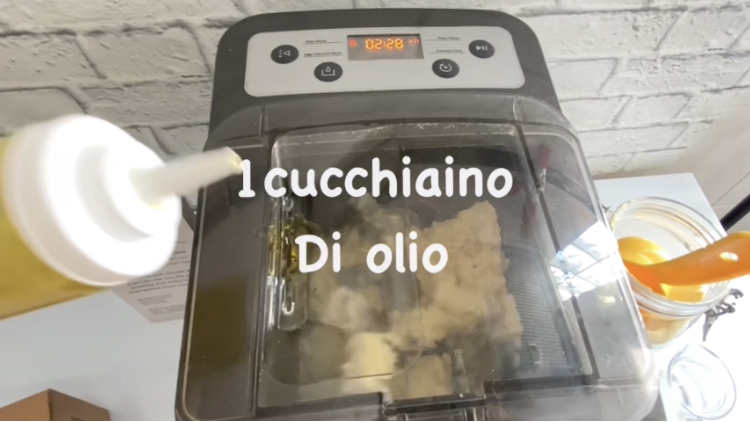
The double kneading, a trick for Philips Pasta Maker:
Using the double kneading with the Philips pasta maker offers several advantages, including:
Better consistency: the dough is denser and more consistent, making it ideal for more robust and structured pasta shapes.
Greater control over the dough: the double kneading technique allows for less hydration of the pasta and more control over the dough itself.
Uniformity in processing: the flour absorbs liquids better, and the dough comes out of the machine more uniformly during the extrusion phase.
Possibility of using triple kneading: with some pasta shapes, it is possible to use triple kneading to achieve even better results.
In any case, it is important to carefully follow the instructions in your Philips pasta maker’s user manual and experiment to find the right combination of ingredients and processing times to achieve perfect homemade pasta.
How to do the double kneading step by step
Pour the flour
Close with the lid
Turn on the machine with the power button (model without scale)
Press the start button
Do the first kneading for 3 minutes
Stop and turn off the machine before the pasta extrusion.
For the model with scale, it will be necessary to disconnect the power cable
Let the dough rest for a few minutes
Proceed as follows: if you have the model with scale, turn the machine back on and hold down the PLAY button (all the way to the right), so it restarts without weighing. If you have the machine without scale, turn the machine back on, reset the program from the start, and put it into action.
Extrude the pasta

Why is the pasta hydration and extrusion always different?
Flour: each type of flour requires slightly different hydration
Various pasta shapes: lasagna sheets require a bit more hydration
Dies: bronze dies usually require more hydration
Egg dough: for each egg, a small addition of water may be needed
Double kneading: requires less hydration
The humidity of the flour is not always the same: the different seasons, humidity in the house, and the methods of storing the flour
