
Pasta alla Carbonara: A Classic of Italian Cuisine
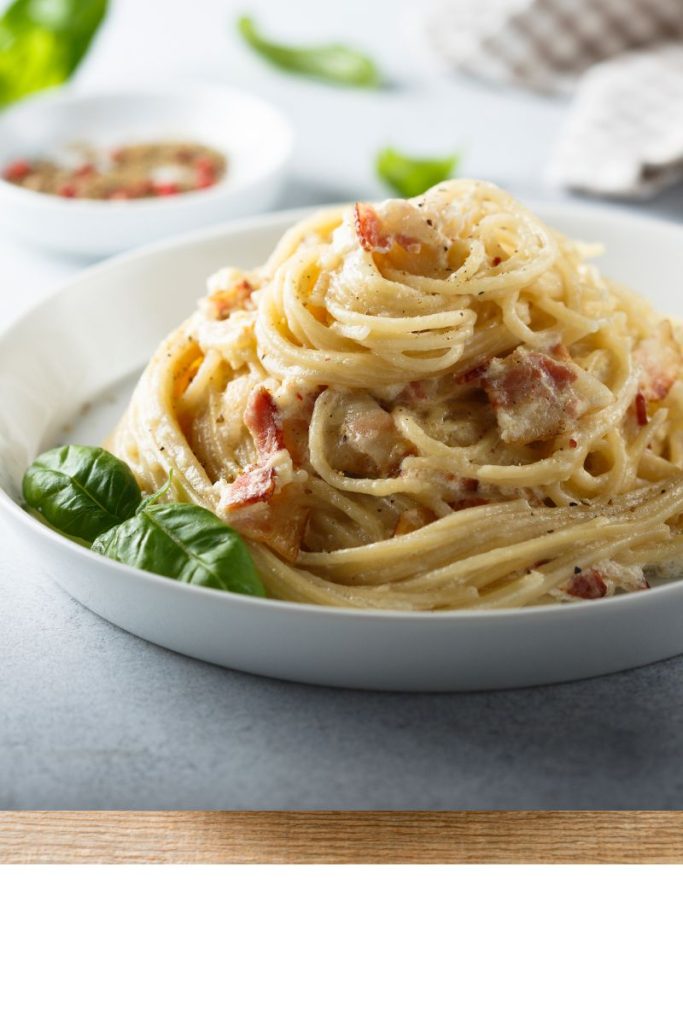
Pasta alla carbonara is one of the most beloved and well-known dishes of Italian cuisine, a true symbol of the culinary tradition of the Bel Paese. Despite its worldwide fame, this dish retains the simplicity and authenticity of the flavors that have made it famous.
Origins and Curiosities
The origins of carbonara are shrouded in mystery, with several theories trying to explain the birth of this exquisite recipe. One of the most fascinating hypotheses links it to the charcoal workers, called “carbonari,” who worked in the Apennines. It is said that these men, during long workdays in the woods, prepared a simple and hearty meal with the ingredients they had at hand: guanciale, eggs, cheese, and pasta.
Another theory suggests that carbonara was invented in Rome during World War II when typical American ingredients, such as eggs and bacon, mixed with local products, giving rise to this delicious dish.
Ingredients and Preparation
To prepare a true pasta alla carbonara, you need a few quality ingredients: spaghetti (or another type of long pasta like rigatoni or bucatini), guanciale (or pancetta), fresh eggs, pecorino romano (or parmigiano reggiano), black pepper, and salt.
The preparation begins by cutting the guanciale into cubes or strips and browning it in a pan until it becomes crispy. Meanwhile, bring a pot of salted water to a boil to cook the pasta al dente.
While the pasta cooks, beat the eggs in a bowl with plenty of grated pecorino romano and a generous grind of black pepper. Once the pasta is ready, drain it, reserving some of the cooking water.
The crucial step is to combine all the ingredients while keeping the pan away from the heat to prevent the eggs from curdling too quickly, turning the dish into a sort of omelet. Add the pasta to the crispy guanciale, then pour in the egg and cheese mixture, stirring vigorously and adding a bit of the reserved cooking water to achieve a velvety cream that coats the pasta.
So, dear friends, next time you crave a rich and comforting dish, remember pasta alla carbonara: with a few ingredients and a pinch of love, you will bring a masterpiece of Italian cuisine to the table. Enjoy your meal!
You might also be interested in:
- Difficulty: Easy
- Cost: Economical
- Preparation time: 15 Minutes
- Portions: 4
- Cooking methods: Stovetop
- Cuisine: Italian
- Seasonality: All seasons
Ingredients
The secret of a good Carbonara starts with the choice of ingredients. The guanciale, fatty and flavorful, is the soul of this dish. Cut it into cubes or strips, according to your preferences. Don’t forget the pecorino romano, a cheese with a strong taste, and fresh eggs that bind everything together. And of course, quality pasta, such as spaghetti or rigatoni, that can hold the sauce.
- 6 egg yolks
- 12.3 oz spaghetti
- 5.3 oz guanciale
- pecorino romano (to taste)
Steps
The Preparation of Guanciale
Start by heating a pan and cooking the cut guanciale. The goal is to obtain well-browned and crispy pieces that will release an unmistakable aroma into the dish. Patience is essential in this step: let the fat slowly melt and the guanciale become irresistibly inviting.
The Cooking of the Pasta
Meanwhile, take care of the pasta. Bring a pot of salted water to a boil and immerse the chosen pasta, cooking it until it reaches an al dente consistency. It is important to maintain some bite resistance because the pasta will continue to cook even after being drained.
The Touch of Eggs
While the pasta is boiling, take a bowl and beat the eggs generously. Add the grated pecorino romano and a grind of fresh black pepper. This will be the cream that envelops the pasta, giving it a unique creaminess without the use of cream, an ingredient often mistakenly associated with Carbonara.
The Perfect Blend
After draining the pasta, save some of the cooking water. The latter will be precious for obtaining the desired consistency of the sauce. The crucial moment is the combination of the ingredients: transfer the pasta into the pan with the guanciale (off the heat to prevent the eggs from coagulating too quickly), pour over the egg and cheese mixture and mix vigorously.
Gradually add the reserved cooking water until you achieve a velvety cream that binds to the pasta evenly. It’s a game of balance, where the residual heat slightly cooks the eggs without turning them into an omelet.
The Tasting
Serve your Carbonara immediately, still steaming and fragrant. Every forkful will be a journey into Roman traditions, a simple yet refined pleasure encapsulating the history and culture of an eternal city.
Pasta alla Carbonara is a dish that speaks of home, of friends gathered around a set table, of laughter and toasts. It is the demonstration that the best dishes are often the simplest, those born from a few genuine ingredients and an authentic culinary tradition.
Enjoy your meal and may your Carbonara always be creamy and irresistible!
Variants and Tips
Although the traditional recipe is quite strict, there are numerous variations of carbonara. Some add cream, although this addition is often seen as sacrilege by purists. Others substitute guanciale with pancetta or bacon, but for an authentic flavor, it is advisable to stick to guanciale. An important tip is to use very fresh and high-quality eggs, as they are raw and represent a fundamental element of the dish. Moreover, it is essential to serve pasta alla carbonara immediately after preparing it to fully enjoy its creaminess and the warmth that enhances the flavors.
Conclusion
Pasta alla carbonara is a simple dish but rich in history and tradition. Every time it is served, a piece of Italian culinary heritage is celebrated. Whether it’s a family lunch or a dinner with friends, carbonara always knows how to conquer palates and warm the atmosphere with its irresistible taste
Conclusion
Pasta alla carbonara is a simple dish but rich in history and tradition. Every time it is served, a piece of Italian culinary heritage is celebrated. Whether it’s a family lunch or a dinner with friends, carbonara always knows how to conquer palates and warm the atmosphere with its irresistible taste
FAQ (Frequently Asked Questions)
How to prevent carbonara from curdling?
For a creamy sauce in the carbonara recipe, it’s essential to temper the eggs with some pasta water. Mix a ladle or two of pasta cooking water into the egg mixture and stir well. This helps the eggs warm up slowly and stay creamy.
Why did my carbonara sauce curdle?
It might be because the step of tempering the eggs was skipped or because the pan was too hot when the egg mixture was added
What cheese is used in real carbonara?
Many assert that a true carbonara uses Pecorino Romano, but many also use Parmesan (Parmigiano Reggiano). Both are aged hard cheeses with a salty flavor. The main difference is that Pecorino Romano is made from sheep’s milk, while Parmesan is made from cow’s milk
Are whole eggs or just yolks used in carbonara?
Do not use whole eggs, only yolks. The effect of the carbonara should be that of a yellowish and flavorful cream, so it’s advisable to use only the yolks: at most, you can calculate one yolk per person, with the addition of one whole egg every three yolks.
