
Ricotta Castagnole: The Cloud Trick to Make Them Super Soft:
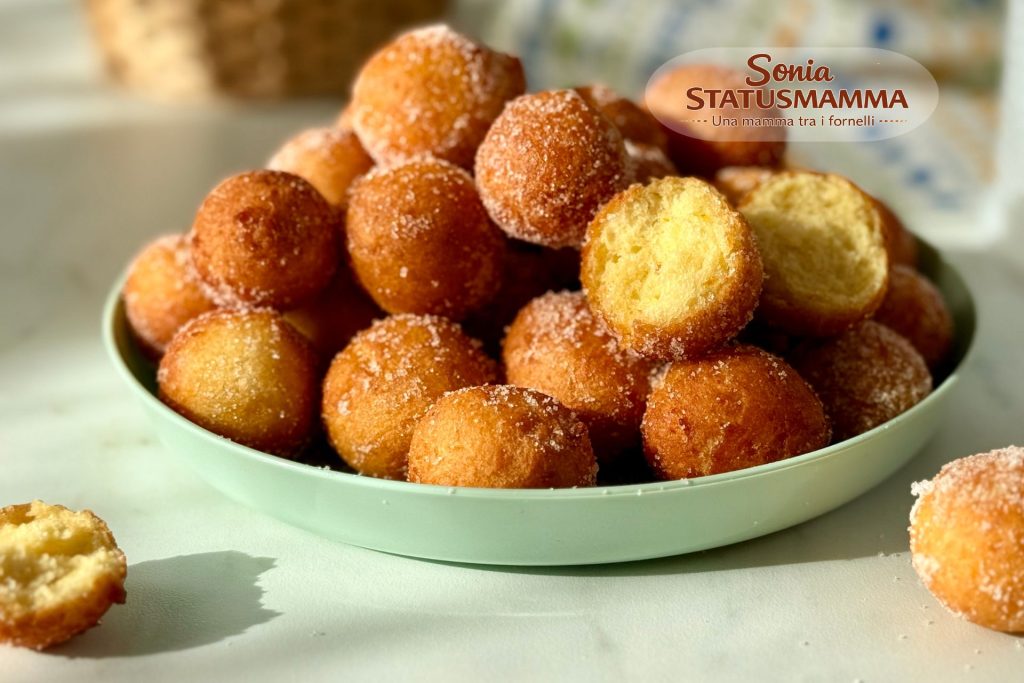
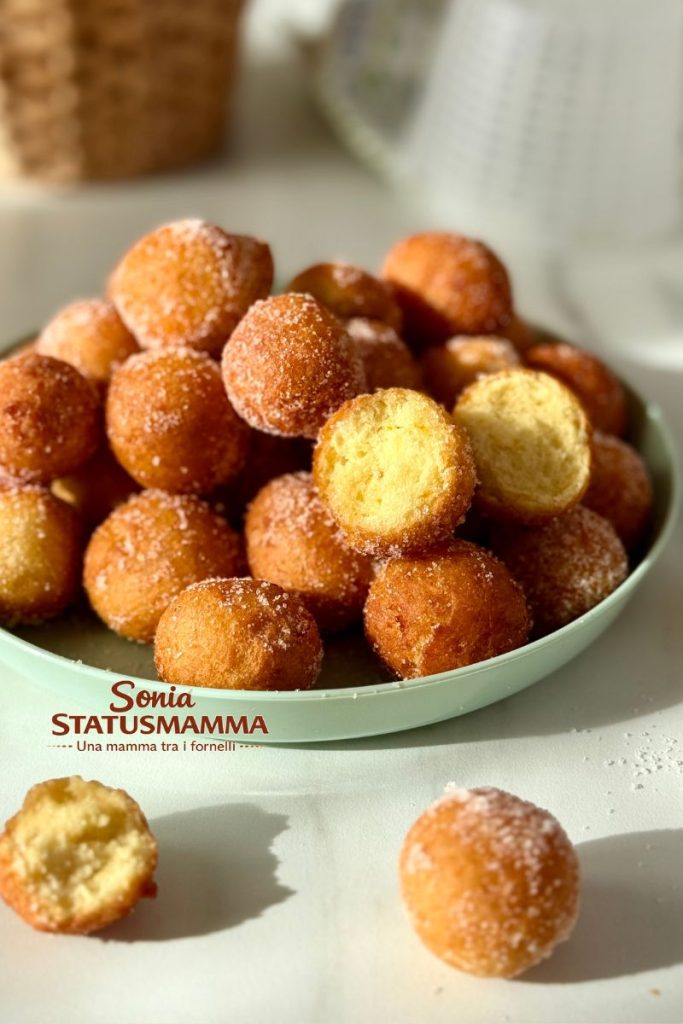
The Ricotta Castagnole are the softest and most irresistible version of the classic Carnival dessert. If you are looking for a very simple recipe with guaranteed success, these are perfect: they melt in your mouth and, thanks to the ricotta in the dough, they stay soft for days.
Why Choose the Ricotta Version
Unlike traditional recipes, this version is butter-free and the addition of fresh ricotta makes the heart of the castagnola almost creamy, similar to a cloud. The secret to success lies entirely in the choice of ricotta, which must be well drained and sieved, for a light and airy texture. The scent of orange that is released during frying will captivate the whole family!
- Difficulty: Easy
- Cost: Inexpensive
- Preparation time: 10 Minutes
- Portions: 6
- Cooking methods: Stovetop
- Cuisine: Italian
- Seasonality: Carnival
Ingredients
To prepare these castagnole, you don’t need complicated ingredients, but the quality of what you put in the bowl is essential to achieve the “cloud” effect. The absolute star is ricotta, which must be very fresh and of excellent quality. Along with a few other basic ingredients that you probably already have in your pantry, it will create a fragrant and light dough.
- 1 cup cow's milk ricotta (well drained of its whey)
- 2 cups all-purpose flour
- 2/3 cup sugar
- 1 packet baking powder (for desserts)
- 1 orange zest
- 1 tbsp liqueur (rum, strega, marsala, white wine)
- 1 qt peanut oil (for frying)
- 2 eggs
- 1 to taste granulated sugar
Nutritional Information (Average values per castagnola)
Even though at Carnival all jokes are allowed, here is a small chart for the curious. Thanks to the use of ricotta in the dough instead of butter, these castagnole are surprisingly balanced:
Nutrient
Value per piece
Calories
68 kcal
Fat
3.2 g
Carbohydrates
8.5 g
Sugars
3.8 g
Protein
1.8 g
Fiber
0.3 g
Tools
To achieve perfect and spherical castagnole, you don’t need a star chef’s equipment, but a few technical tricks will make all the difference.
- 1 Sieve fine mesh sieve
- 1 Thermometer kitchen thermometer
- 1 Bowl large bowl
- 1 Whisk hand whisk
- 1 Spatula spatula
- 1 Skimmer skimmer
- 1 Absorbent paper food absorbent paper
The “Fit” Tip
If you want to further lower the caloric impact, after draining them on absorbent paper, avoid rolling them in granulated sugar and opt for a light dusting of powdered sugar only at the time of serving. The ricotta will still keep the inside sweet and moist!
Steps
Follow this sequence to transform a few simple ingredients into a cloud of pleasure. Remember: the consistency of the dough is key.
The Ricotta Base: Sift the ricotta using a fine mesh sieve and a whisk. Then, work it together with the sugar using electric beaters until you obtain a smooth, creamy, and absolutely lump-free mixture.
The Flavors: Add the eggs and the chosen liqueur (Strega, Marsala, or an aromatic white wine are great options). Mix well and add the grated peel of the organic orange.
The Powders: Gradually add the all-purpose flour and baking powder while sieving them. Start mixing in the bowl and then proceed to work with your hands until you obtain a soft dough.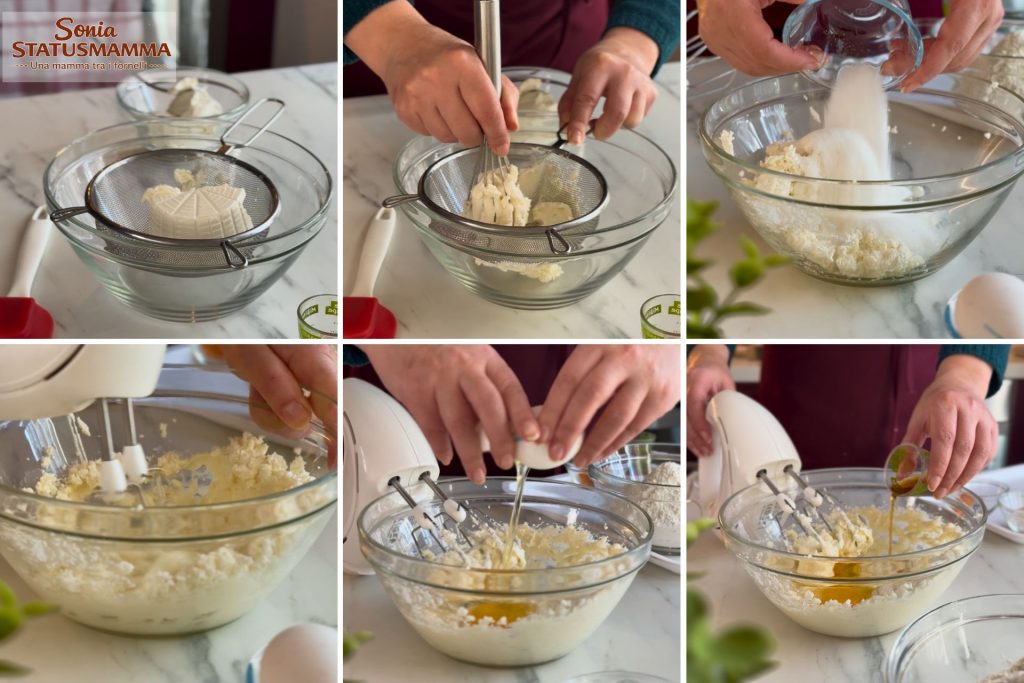
Consistency Control: If the dough seems too yielding, add at most another 30g of flour. It should remain sticky and a bit “unpleasant” to handle: this is the right consistency for perfect balls.
Stress-free Shaping: Do not flour the work surface! Just grease your hands with a bit of oil and form the balls. Be careful: if you add too much flour to make it firm, the castagnole will become as hard as rocks within 10 minutes.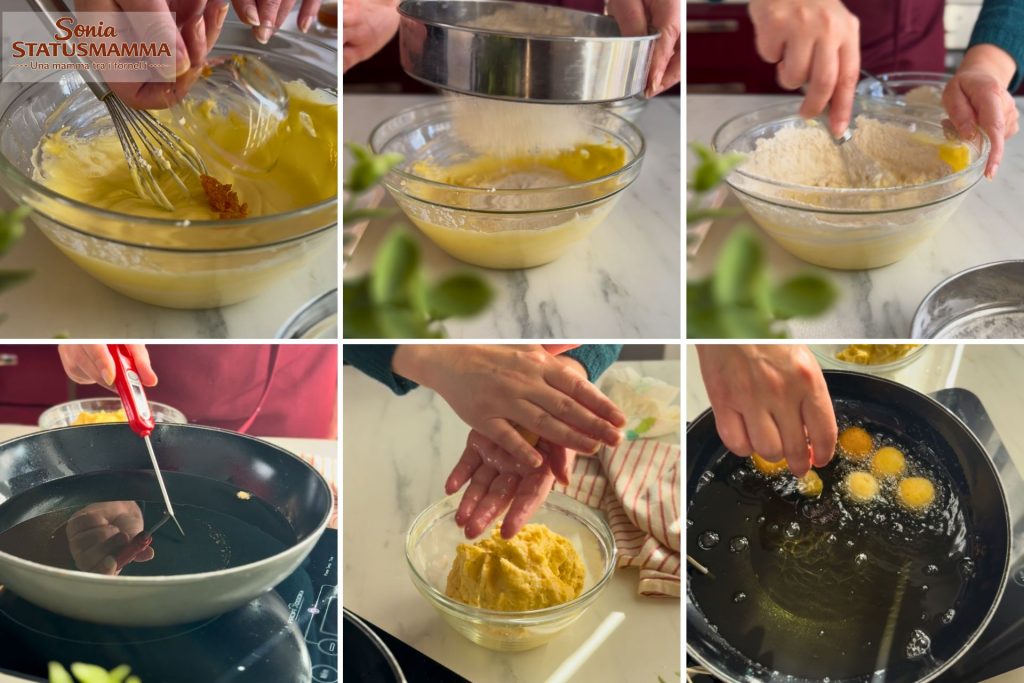
Frying: Heat the oil to 340°F (170°C). Dip the castagnole a few at a time: you will see them puff up and start turning on their own in the oil.
The Finish: When they have reached a nice golden color (be careful not to burn them), drain them on absorbent paper. While they are still hot, dip them immediately in granulated sugar.
If you want to receive my new recipes every day in preview, you can follow them on my WhatsApp channel in real-time.
Follow me on FACEBOOK and on INSTAGRAM and on VIDEO TUTORIALS ON YOUTUBE to not miss the new recipes
If you like pinning, don’t miss the photographed recipes on PINTEREST!
TO RETURN TO THE HOME CLICK HERE !
Storage, Tips, Notes, Variations….
Grandma’s Tips (version 2.0)
The Liqueur: If you want an even more intense aroma, add a tablespoon of Limoncello or Rum to the dough. The alcohol will also help the development of air bubbles during cooking.
Don’t be afraid to dare. While the Strega gives a vintage fragrance, the Marsala adds a more intense note. The alcohol evaporates during cooking, leaving only the aroma and helping the instant leavening.
Craving something savory? Before these sweet clouds, try my Pasta with Sausage and Gorgonzola without Cream: simple and tasty recipe
Grandma’s Tips (version 2.0)
The Liqueur: If you want an even more intense aroma, add a tablespoon of Limoncello or Rum to the dough. The alcohol will also help the development of air bubbles during cooking.
Don’t be afraid to dare. While the Strega gives a vintage fragrance, the Marsala adds a more intense note. The alcohol evaporates during cooking, leaving only the aroma and helping the instant leavening.
Craving something savory? Before these sweet clouds, try my Pasta with Sausage and Gorgonzola without Cream: simple and tasty recipe
Ricotta Castagnole: The Cloud Trick to Make Them Super Soft
Moisture Matters: If the ricotta is too moist, the castagnole will come out heavy instead of “clouds”. If you see that your ricotta releases whey, let it drain in the fridge for a few hours before starting.
The Oil Temperature: Keep it constant at 340°F (170°C). If the oil gets too hot, the castagnole will be dark on the outside and raw inside; if it’s too cold, they will absorb oil and become heavy.
Storage: Even though they’ll be gone in a flash, you can store them in a paper bag for 2-3 days. The ricotta will protect them from becoming hard.
For the decoration: for a more rustic and homemade version, enrich with honey or sugar and cinnamon, and they’ll be gone in no time!
❓ Everything You Need to Know: Doubts and Curiosities
To ensure that your “clouds” come out perfect the first time, I have gathered here the answers to the questions you ask me most often. From the choice of ricotta to the oil temperature: here are my secrets for a bakery result!
Why is my dough so sticky?
It’s normal! It’s the secret of softness. Use the oil on your hands as suggested, and you’ll see that forming the balls will be super easy.
Can I make them with sheep’s milk ricotta?
Certainly. They will have a more distinct and aromatic flavor, typical of the central-southern Italian tradition.
How long do they keep?
Thanks to the ricotta, they stay soft for 2 or 3 days if kept in an airtight container or food bag.
And if you’re looking for a lunch idea before diving into these sweets, don’t miss my [Pasta Sausage and Cream], the most loved and clicked on the blog, or the bold version of [Pasta Sausage and Gorgonzola without cream]!
