If you want to know all the tricks and secrets for whipping egg whites to stiff peaks for making meringues or desserts, you’re in the right place. There are small steps that help in preparing the egg whites to stiff peaks and avoid small disasters.
Once you learn to whip egg whites to stiff peaks, you can create many recipes
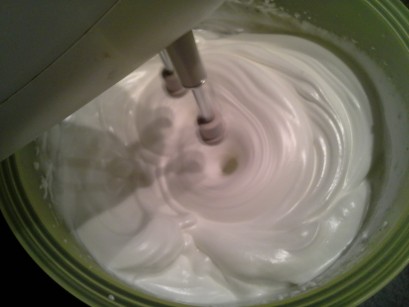
- Difficulty: Easy
- Cost: Medium
- Rest time: 2 Minutes
- Preparation time: 5 Minutes
- Portions: 2
- Cooking methods: No cooking
- Cuisine: Italian
- Seasonality: All seasons
- Energy 76.80 (Kcal)
- Carbohydrates 0.00 (g) of which sugars 0.00 (g)
- Proteins 7.44 (g)
- Fat 5.22 (g) of which saturated 2.38 (g)of which unsaturated 2.88 (g)
- Fibers 0.00 (g)
- Sodium 275.99 (mg)
Indicative values for a portion of 2 g processed in an automated way starting from the nutritional information available on the CREA* and FoodData Central** databases. It is not food and / or nutritional advice.
* CREATES Food and Nutrition Research Center: https://www.crea.gov.it/alimenti-e-nutrizione https://www.alimentinutrizione.it ** U.S. Department of Agriculture, Agricultural Research Service. FoodData Central, 2019. https://fdc.nal.usda.gov
Ingredients for 2 people
- 2 eggs
- to taste salt
Tools
- 1 Bowl
- 1 Beater
- 1 Spatula
Procedure
Below we will see how to whip egg whites to stiff peaks with or without sugar, the process is similar but there are some precautions to follow in both cases
To whip egg whites to stiff peaks, we must separate the yolk from the white; this step is crucial, if you make a mistake here, it might be impossible to whip the whites.
To successfully whip the whites, they must incorporate air, and there must be no fat or proteins inside; any traces of yolk would render the operation impossible.
If you notice some yolk has remained in the white, try to remove it completely.
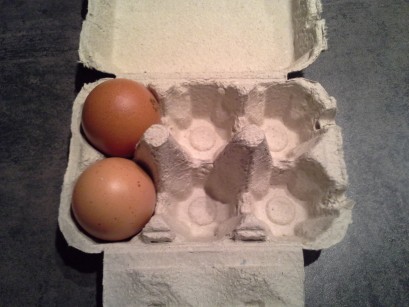
It is also important that the bowl and beaters used to whip the whites are not greasy or contaminated with yolk; if you need to work with both yolk and white, the trick is to start with the whites using clean tools.
This way, you will not risk contaminating the whites and compromising their success.
If you have already dirtied the beaters or bowl, wash them with hot water and soap to remove any residues.
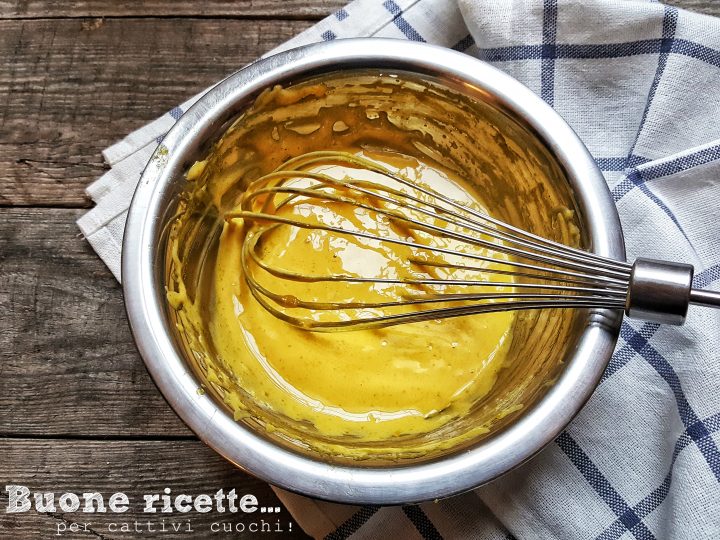
Now that we have the yolk and white separated and the tools clean, all that’s left is to start whipping the egg whites to stiff peaks.
Here are some basic tips: the whites whip better if they are at room temperature and not cold from the fridge, so if you have time, take the eggs out of the fridge 1 hour before.
Salt is used in the initial phase to create foam more easily, but in the long run, it makes the mixture more unstable, so it’s better to avoid using it. A little lemon juice helps without the negative effects of salt.
A trick to whip egg whites well is to bring them to a temperature of 68-77°F (20-25°C) by microwaving them for a few seconds. You can also leave the whites in the fridge for a couple of days before whipping them; in this case, they will whip more easily. Older egg whites whip better because they have lost water while in the fridge.
To whip egg whites to stiff peaks with granulated sugar, place it at the base of the bowl and the egg whites on top. This way, the sugar will be picked up by the beater gradually as it whips without hindering its development.
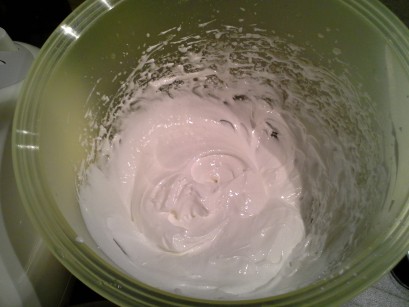
If you use powdered sugar, add only half, then add the remaining part only after the whites have been well whipped. Mix from top to bottom with a spatula; you will see that the sugar will dissolve with the moisture of the meringue, distributing evenly.
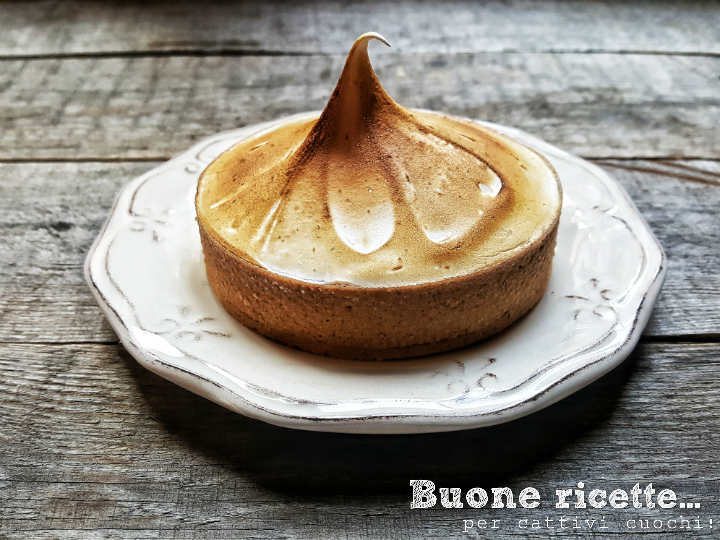
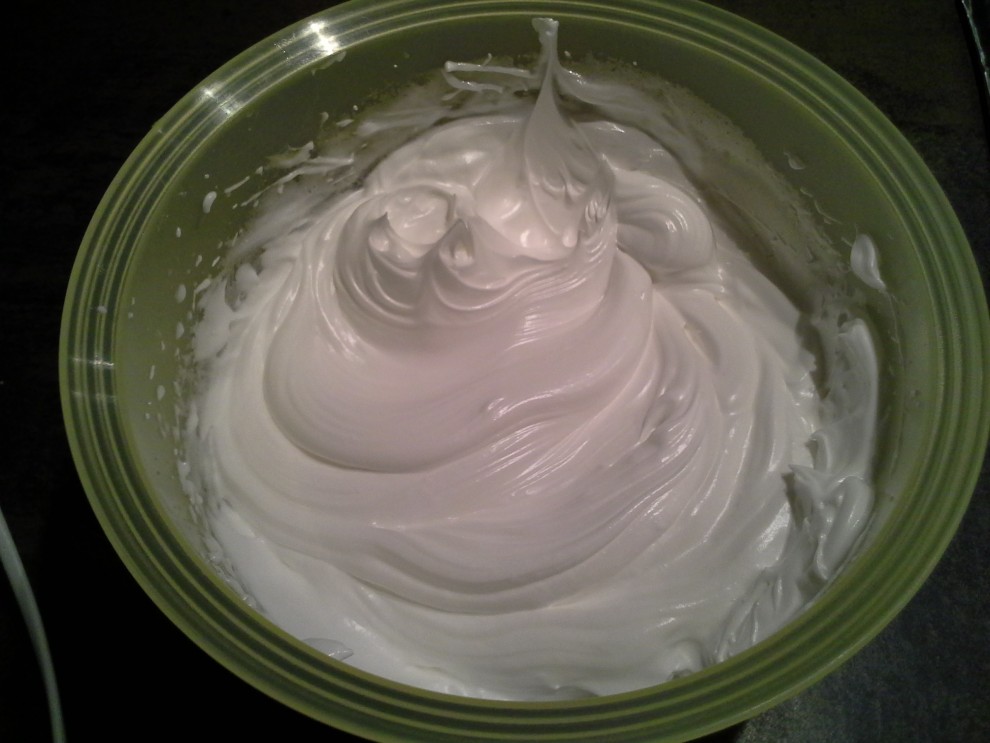
How do you know if the egg whites are whipped to perfect stiff peaks? The whites are perfectly whipped when the bowl can be turned upside down without the mixture falling out. Another way is to see if the whites are glossy and smooth and create peaks or spikes when the beater is removed.
Usually, it takes 3-4 minutes at medium speed with the beater; if you use an immersion blender with attachments, whip the whites in the provided cup; it’s easier.
To make the meringue more frothy, tilt the beater or whisks at a 45° angle to incorporate more air into the mixture.