
Calabrian Nacatole. My journey through ancient Italian flavors continues, and this time I present to you nacatole. A fritter rich in aroma and flavor, as often happens, there are different versions, although the ladies guarantee the authenticity of their own creation. But the Italian gastronomic richness is reflected precisely in these many differences.
And now I will also tell you the story I associate with this typical Calabrian dessert:
On the evenings before the holidays, the scent in Aunt Peppina’s house was not just a smell, but a story, an invisible thread that sewed together the past and the present.
It was the scent of nacatole.
Aunt Peppina had hands marked by time and flour; hands that knew fatigue, but when you see them kneading, they seem to be dancing.
For her, making nacatole was not cooking but “cradling” the memory.
That was the secret of their name; the original form was not a simple braid, but a small masterpiece that resembled a cradle to “cradle” – “cull” indeed.
Special fritter; everything in this sweet spoke of ancient Calabria. The heart of the dough was flour not bought but earned.
She still remembered the journeys under the blazing sun; kilometers and kilometers on foot towards the nearby village with an empty basket on her head; the body straight to balance the load that would return.
The men, lucky, had donkeys loaded unevenly under the weight of the sacks. That flour ground in the stone mill, with a slow and stubborn rhythm; carried with it the strength of the river and the raw scent of the field.
The eggs were golden like the sun and freshly collected from the coop, and then there was the other guardian of flavor: the lard.
Oil is for important things, it is not wasted for frying, said Aunt Peppina.
And every year the sacred ritual of pig slaughter was awaited to also have the lard, then carefully preserved. The fat that united all the tables of old rural Italy, from Piedmont to Aspromonte.
And when the lard sizzled in the pan, it released fragrance, giving golden crusts.
Now powdered sugar is used, but the debate is still heated.
Tradition calls for honey: dark, thick, and fragrant; or fig honey, sweet and earthy.
Soaked in that nectar, the nacatole shone like our eyes.
And to discover more traditional recipes, below are some suggestions.
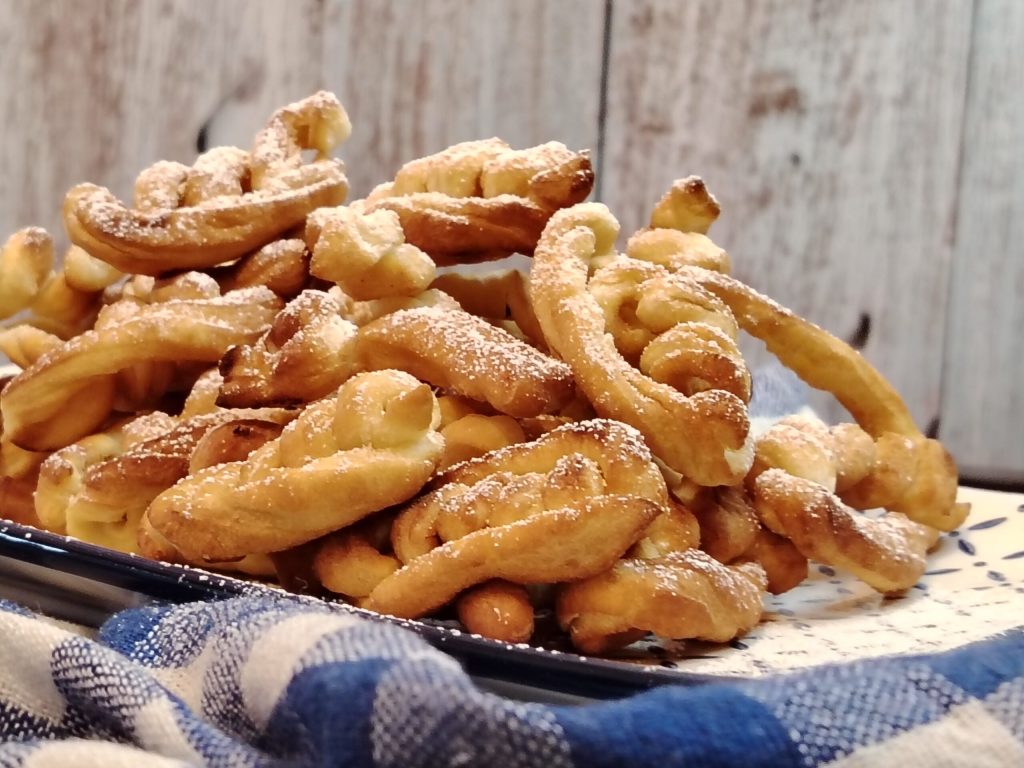
- Difficulty: Easy
- Cost: Inexpensive
- Preparation time: 20 Minutes
- Portions: About 30 pieces
- Cooking methods: Stovetop, Frying
- Cuisine: Italian
- Seasonality: Autumn, Winter, All seasons
Ingredients
- 4.75 cups all-purpose flour
- 3 eggs
- 5 oz sugar
- 3 tbsp vegetable oil
- 2 tsp lemon juice
- 3 tbsp anise liqueur (Or sambuca)
- 2 tsp baking powder
- to taste powdered sugar (Or honey. I used both because they are delicious!)
Tools
- Bowls
- Scrapers
- Pans
- Trays
Steps
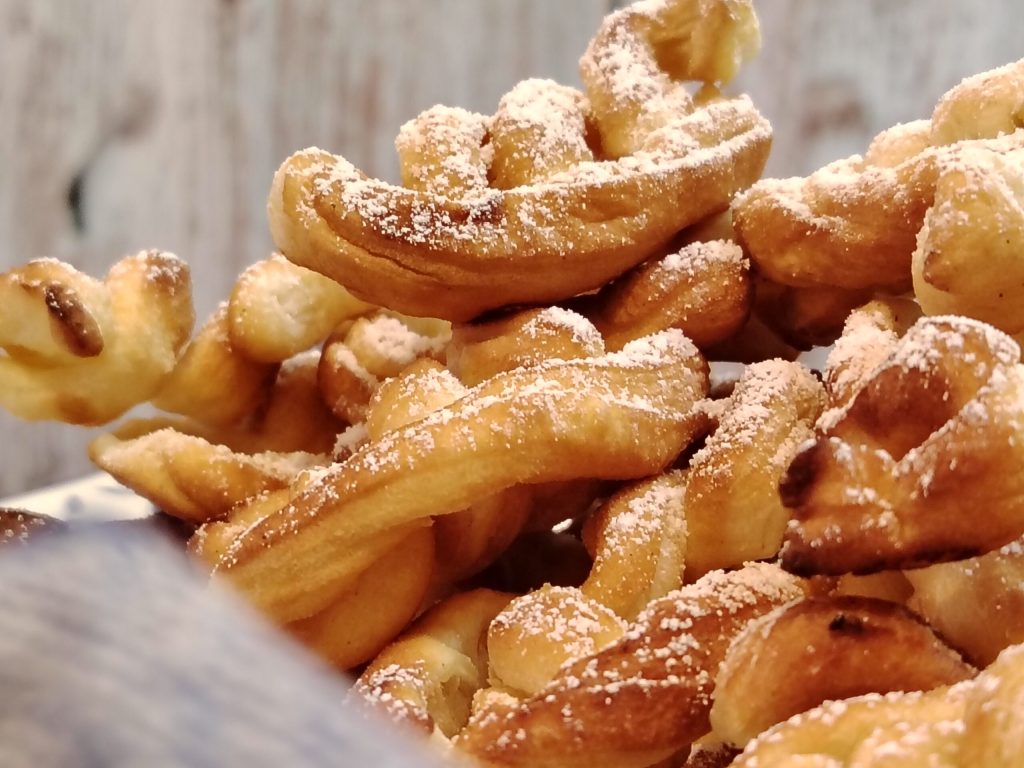
In a bowl, mix the flour with the baking powder and then add the rest of the ingredients. Knead carefully until you get a smooth dough.
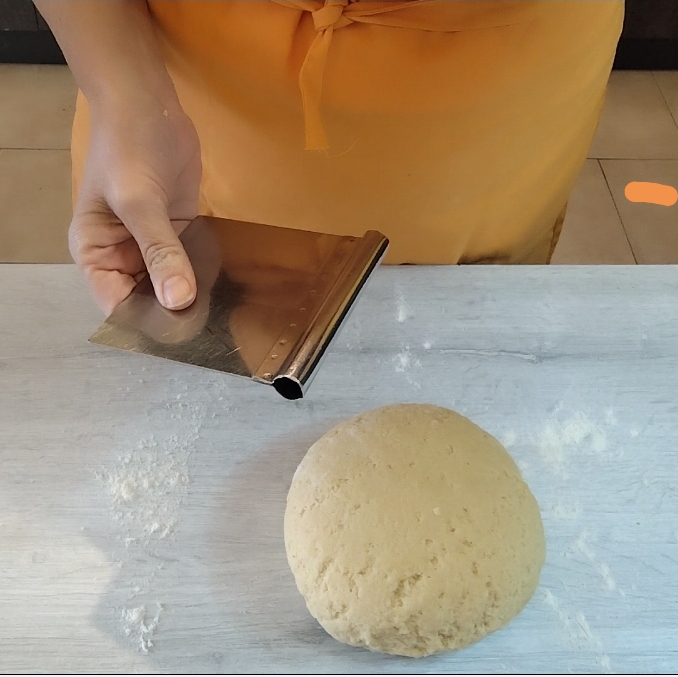
You have two options to make the little sausages or strips. Cut into pieces and make sausages of half a cm in diameter, or create a sheet of the same thickness with a rolling pin and cut strips about 3mm wide.
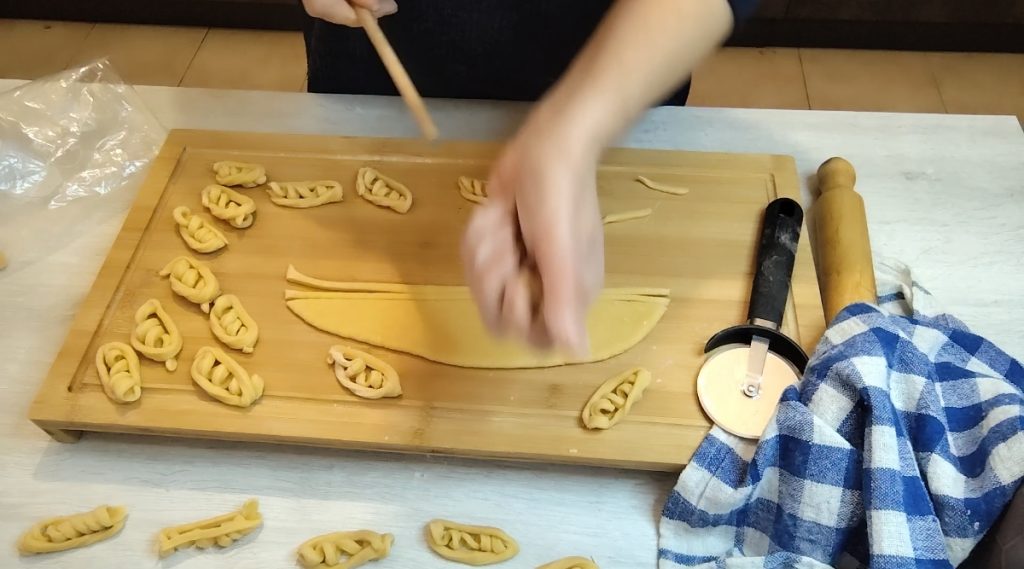
Shape them as you see in the video. You have three options, these are the shapes I encountered in Calabria. Cradle, braided or wheat ear.
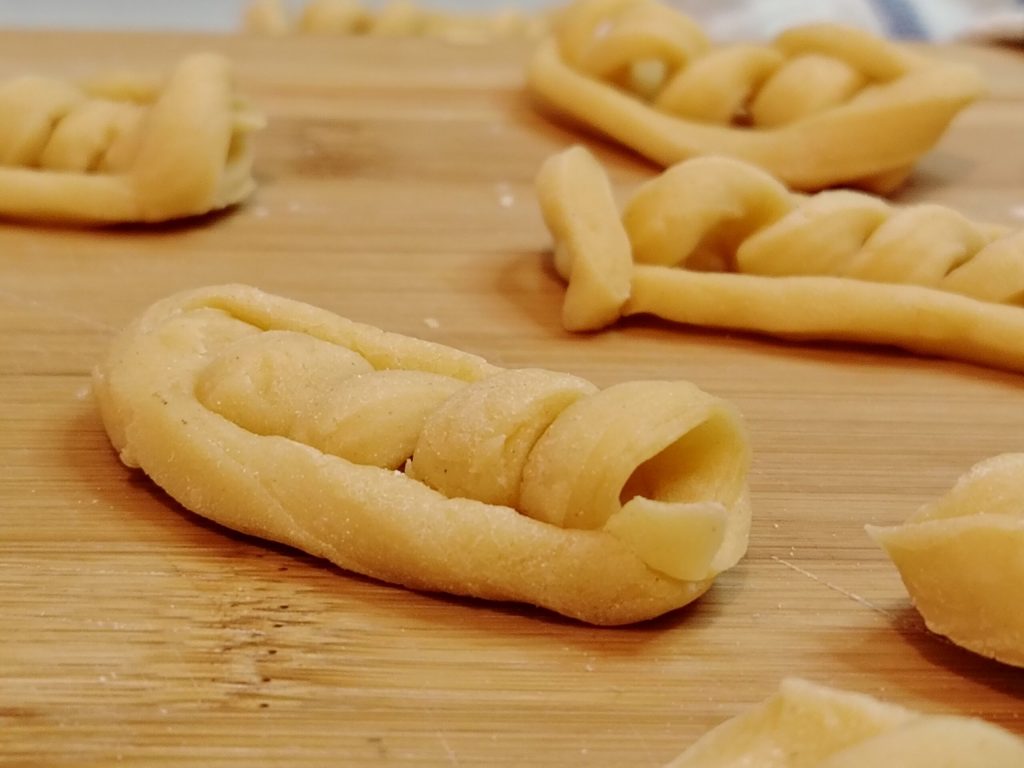
They are all beautiful shapes, small intertwined masterpieces.
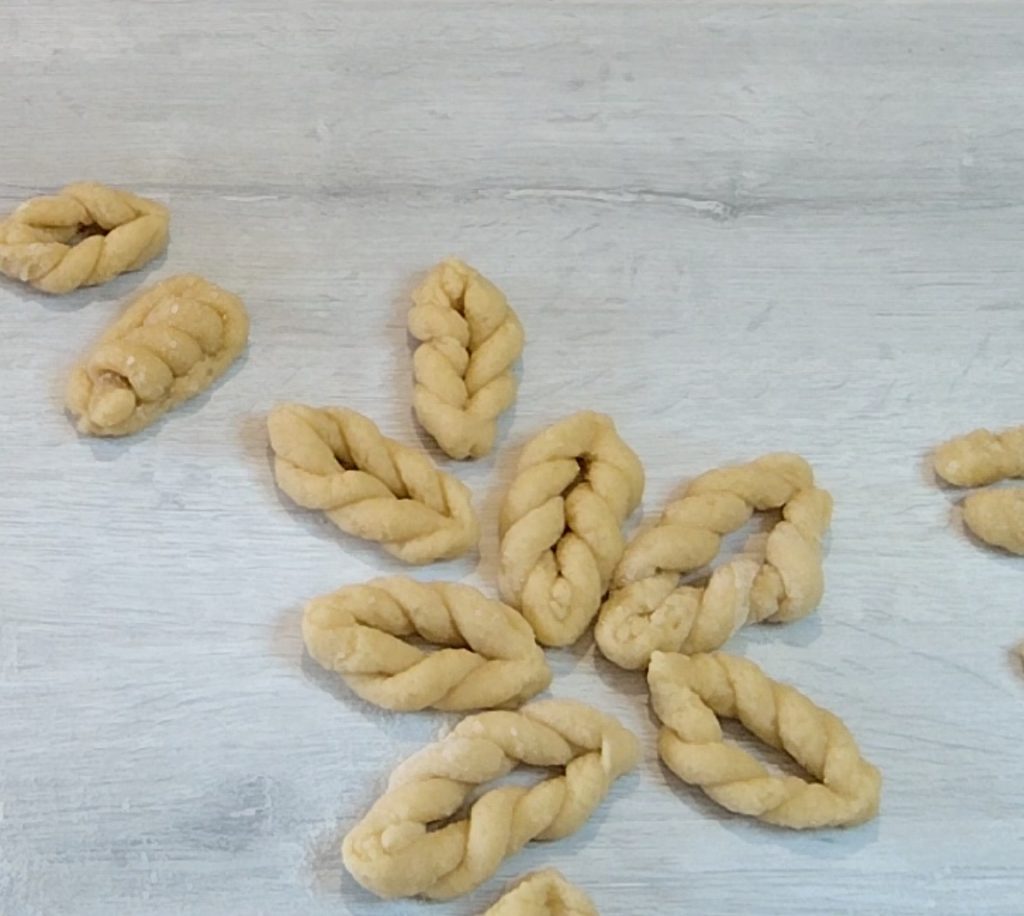
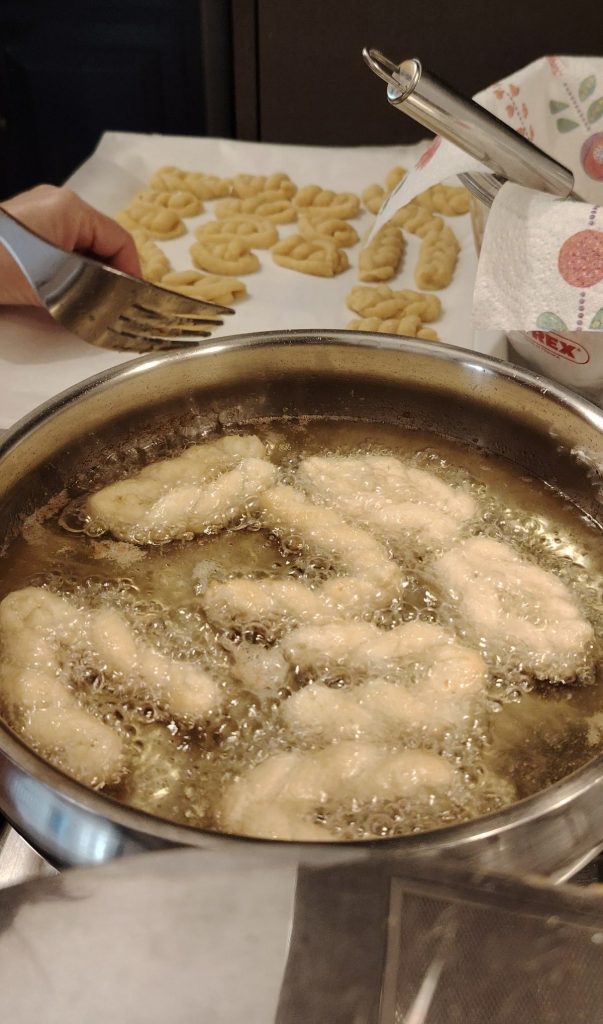
Fry in hot oil and let any excess oil drain. In truth, they do not absorb much oil, but it is better to do this step.
If you prefer powdered sugar, just give it a nice dusting, but if you opt for honey, heat it first in a pan to distribute it better. You just need to pour it over your nacatole. Try both versions because it is worth it! I use chestnut honey, I love it because together with the sambuca aroma, it creates a spectacular flavor. My personal opinion!
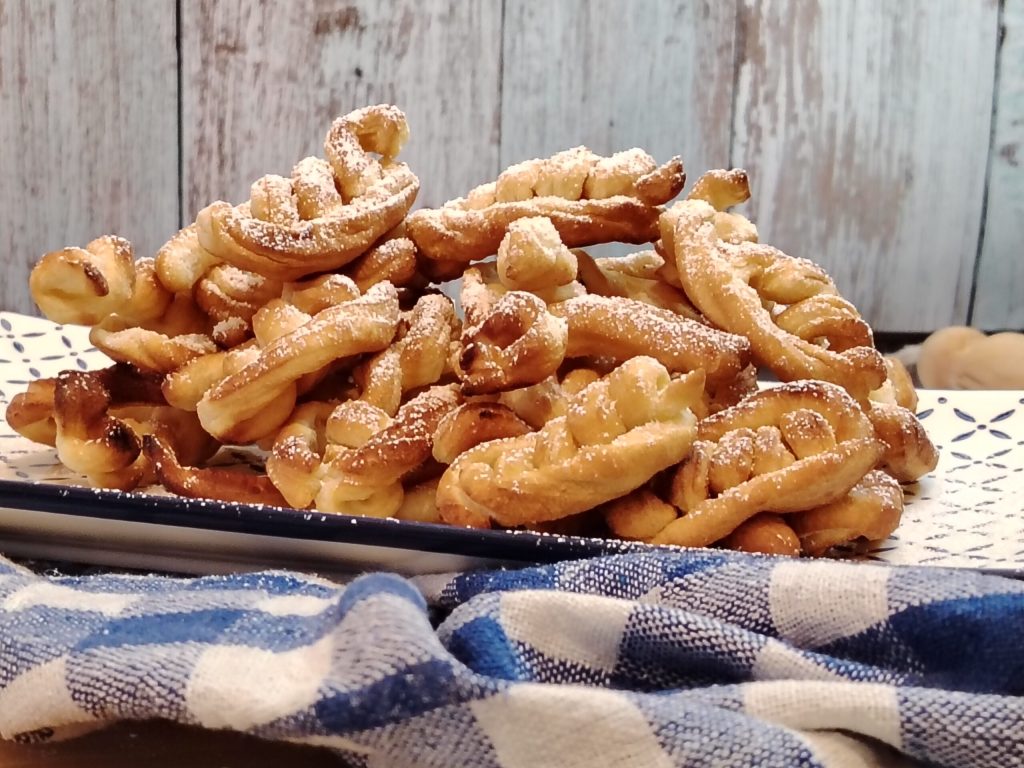
Some Extra Tips
Nacatole are mainly prepared during the Christmas period. But you will often find them at other times of the year as a traditional dessert. I recommend orange honey, or wildflower honey. If you find fig honey, another gustatory experience! And as mentioned above, chestnut honey has its own reason!
