
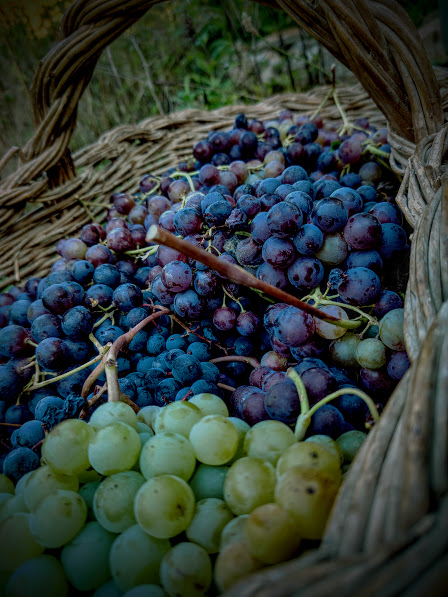
We are in the heart of Langa, it’s harvest time, must time and, inevitably, mustard time. It’s not just a preparation, but a ritual that marks the transition from grapes to concentrated flavor.
Every year, with the arrival of the first bunches, I propose this simple recipe, a family secret that encapsulates autumn. It’s a perfect accompaniment, able to elevate a dish: try it on succulent boiled meats, on ravioli – whether of robust meat or delicate cheeses – and particularly on aged cheeses that I bring with me from the mountains. Those cheeses that taste of freedom and wild herbs.
This thick nectar needs no artifice, only one thing: time.
Nothing but the time to consume, slowly, almost forgotten. Left there, on low heat, to murmur and transform that light grape juice into cooked must, dark and flavorful. Its tangy and pungent taste is the perfect contrast to sweetness, a special imprint, almost a seal, to affix to our best dishes.
- Difficulty: Very easy
- Cost: Affordable
- Portions: 6 jars
- Cooking methods: Boiling, Slow Cooking, Stovetop
- Cuisine: Italian
- Seasonality: Autumn
Ingredients
Grapes, I used mixed grapes: Barbera, Dolcetto, and Cortese, a few bunches of Hamburg Muscat…
- 22 lbs grapes (I used mixed grapes: Barbera, Dolcetto, and Cortese, a few bunches of Hamburg Muscat…)
Useful Tools
A double-bottom pot and a strainer
- Pots
- Sifters
- Jars
Steps
Once you have obtained the grape juice…
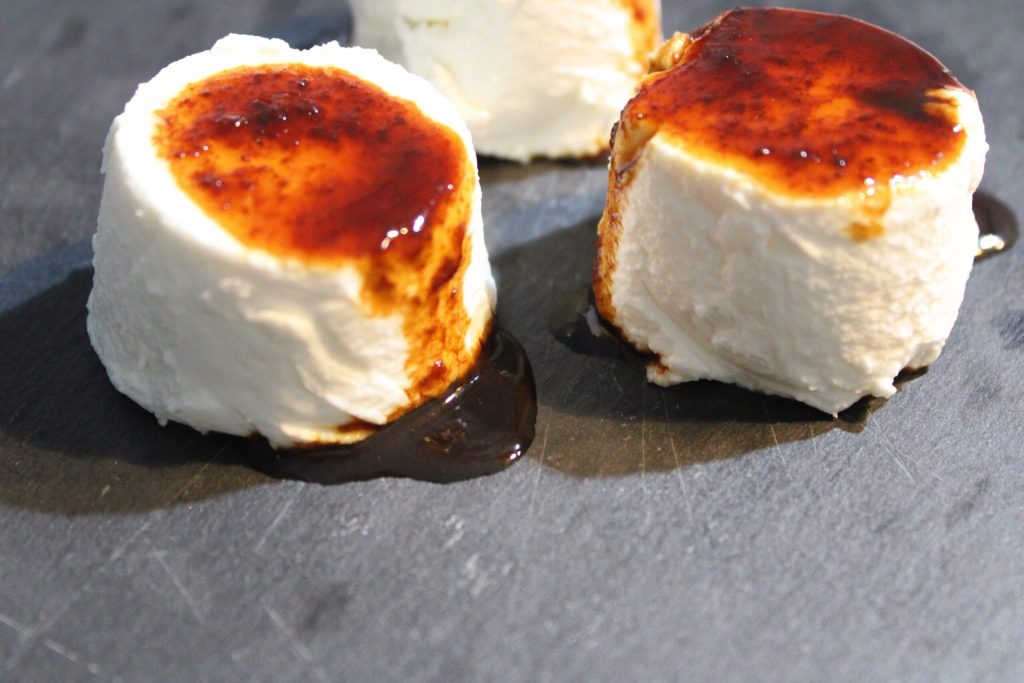
After washing your grapes, extract the juice by crushing with your hands, you can also use a juicer; I did it by hand with my grandchildren and we had fun
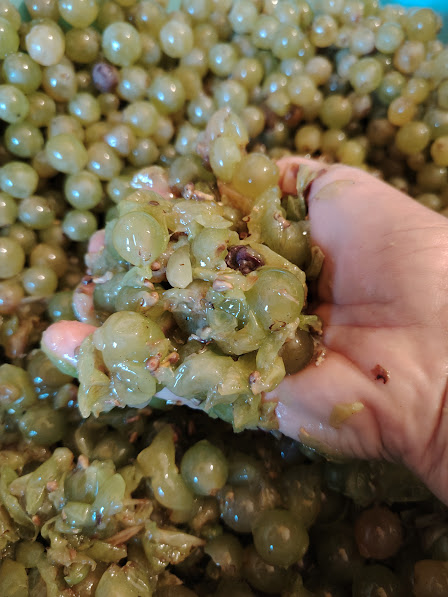
Strain the obtained juice to remove any solid parts.
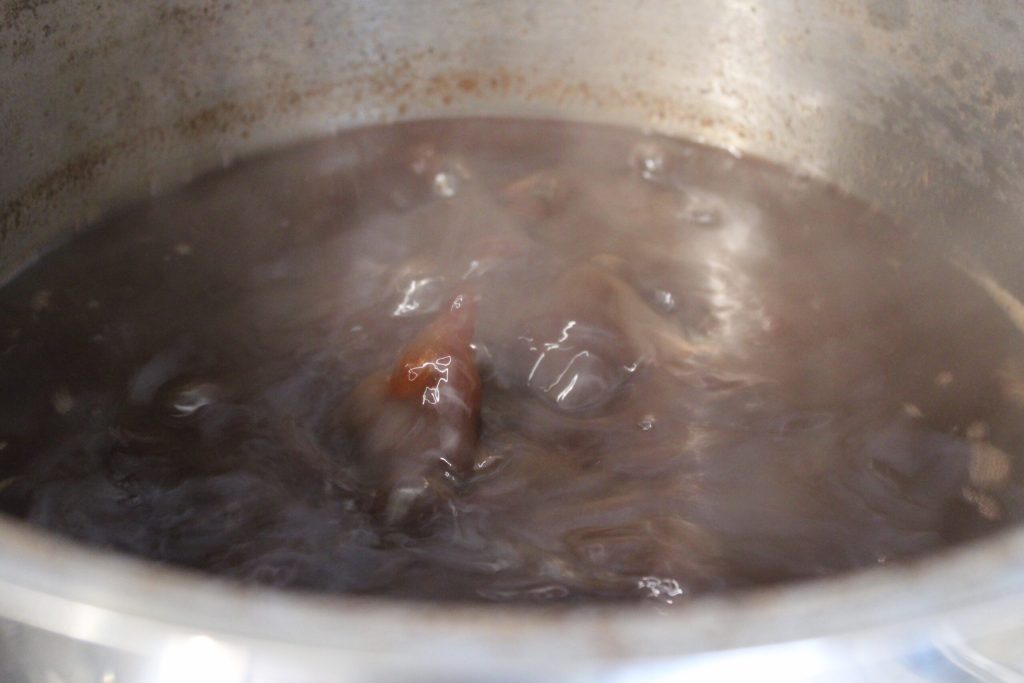
Transfer to a pot and cook slowly until the must is reduced to about a third of its volume. Once half the volume is reached, perform a test by cooling a spoonful of juice on a small plate until the desired density is achieved. I made it in two different versions.
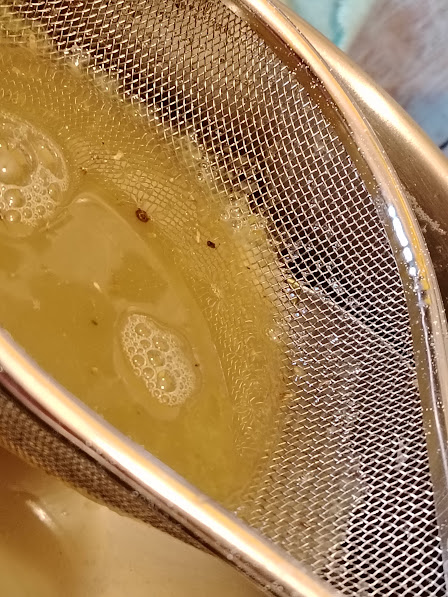
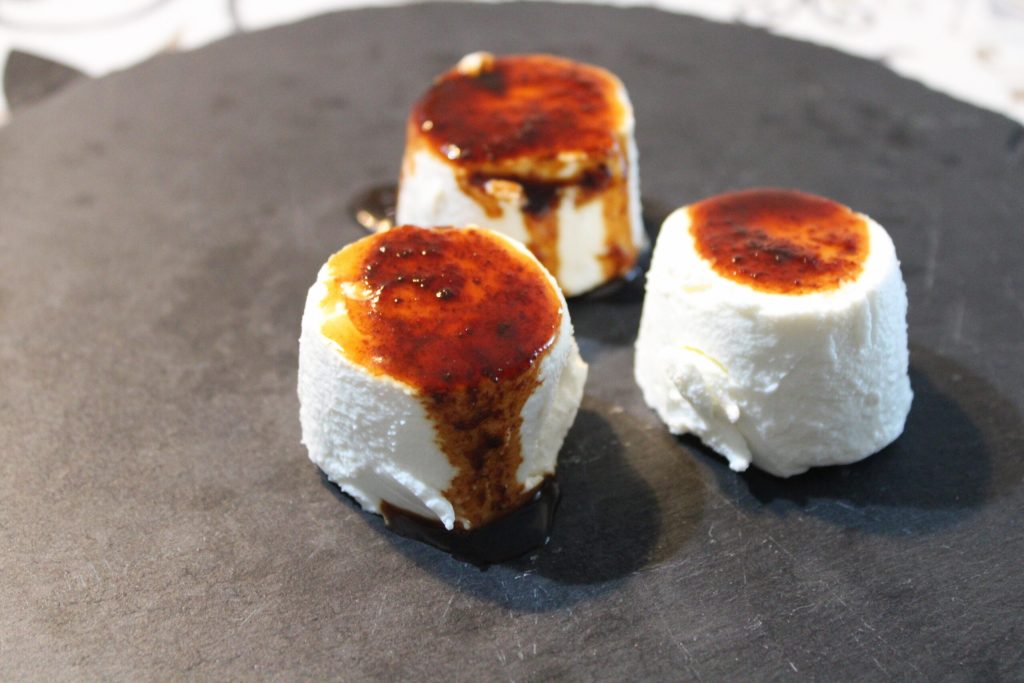
Tested on fresh tomini and I confirm it is special!
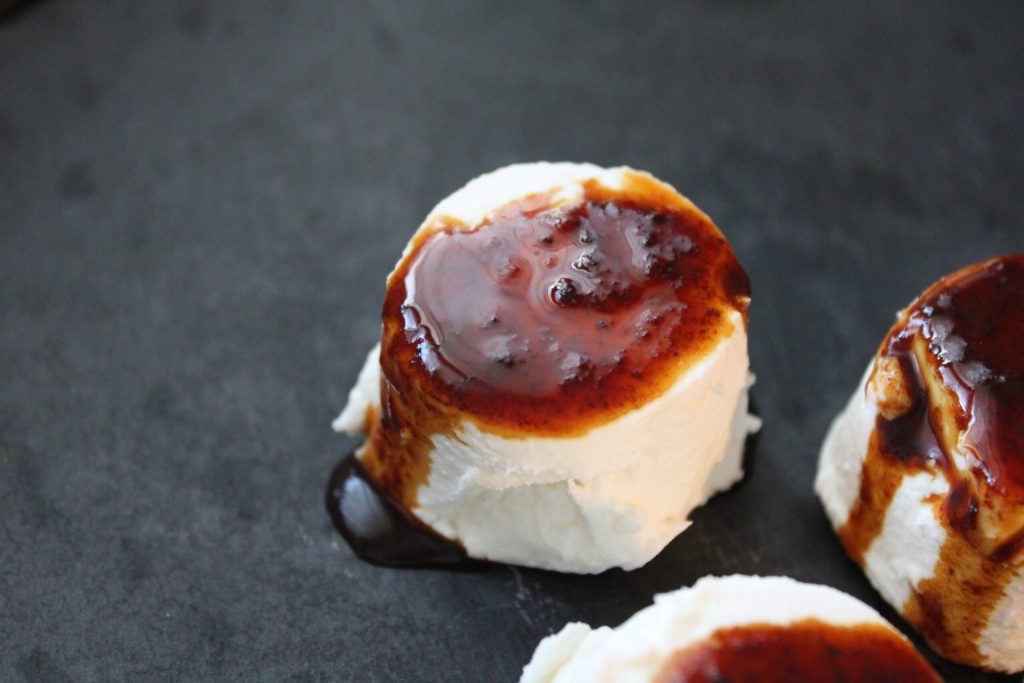
Tomini with cooked must.
Some More Tips
You can also flavor the cooked must with a pinch of cinnamon and a clove. It’s also excellent as a filling along with other ingredients for traditional Italian filled cookies. It can be stored for a long time, following the usual sterilization steps.
