
The crescentine commonly called tigelle, which is actually the mold used for cooking
Before metal tigelliere, stone or terracotta tigelle were used. Small discs about 3.5 inches in diameter. They were placed next to the fireplace to cook crescentine. They can still be found in the Apennines. An added value to taste and tradition
In some places, it was customary to place a chestnut leaf between the parts which also gave a design to it
They are a great social food, an appetizer, a dinner, and a healthy snack…
Saturday night dinner with friends… Between a good Sangiovese and music to relax and chat with friends.
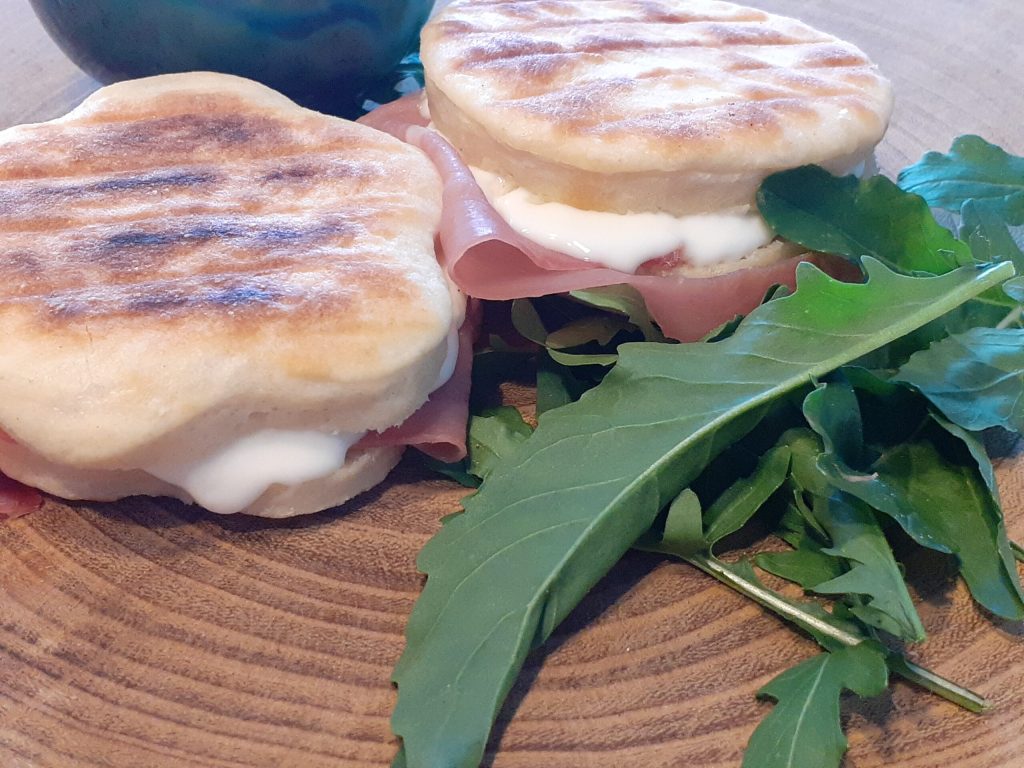
- Difficulty: Easy
- Cost: Affordable
- Rest time: 12 Hours
- Preparation time: 1 Hour
- Portions: 20
- Cooking methods: Griddle
- Cuisine: Regional Italian
Ingredients
- 6 cups all-purpose flour
- 5 tbsp lard
- 2 cups milk
- 0.35 oz fresh yeast
- 1 tbsp salt
- 2 tbsp olive oil
These are the basic ingredients. The result is a firm and workable dough.
Tools
For a good cooking, a tigelliera is used, I use a double non-stick pan. Closing it retains the heat and they cook faster.
- Stand Mixers
- Tigelliera
- Rolling Pin
Steps
I have my method for preparing the crescentine dough. The result is a more digestible leavened product.
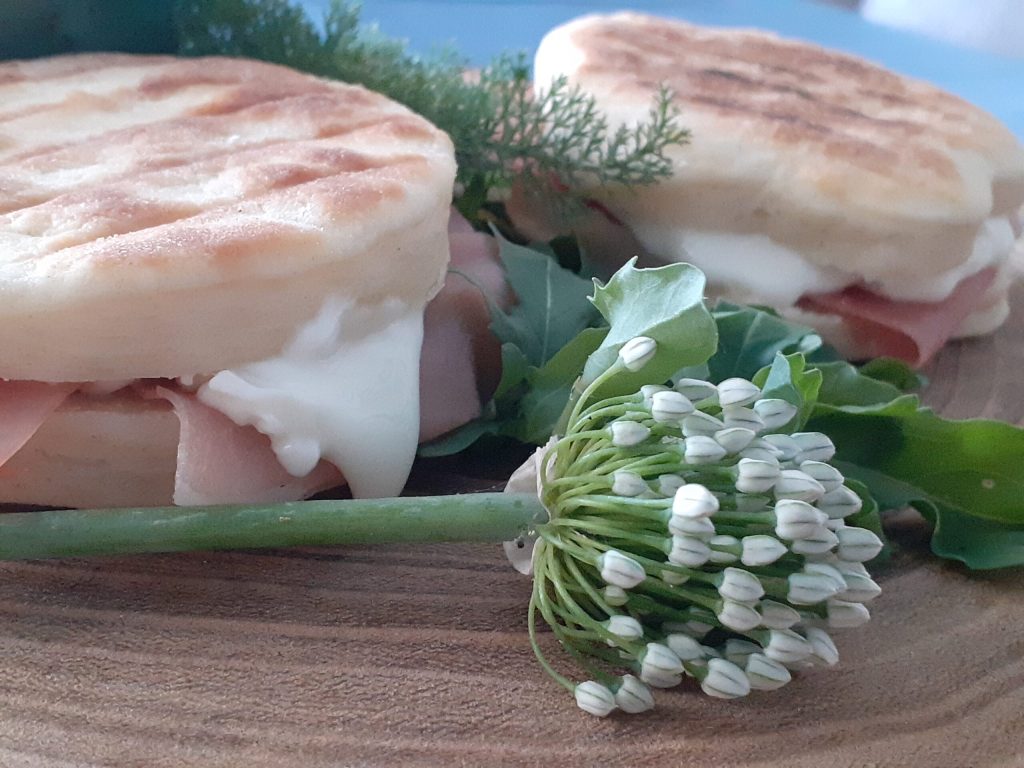
Crescentine with squacquerone and prosciutto crudo. A classic.
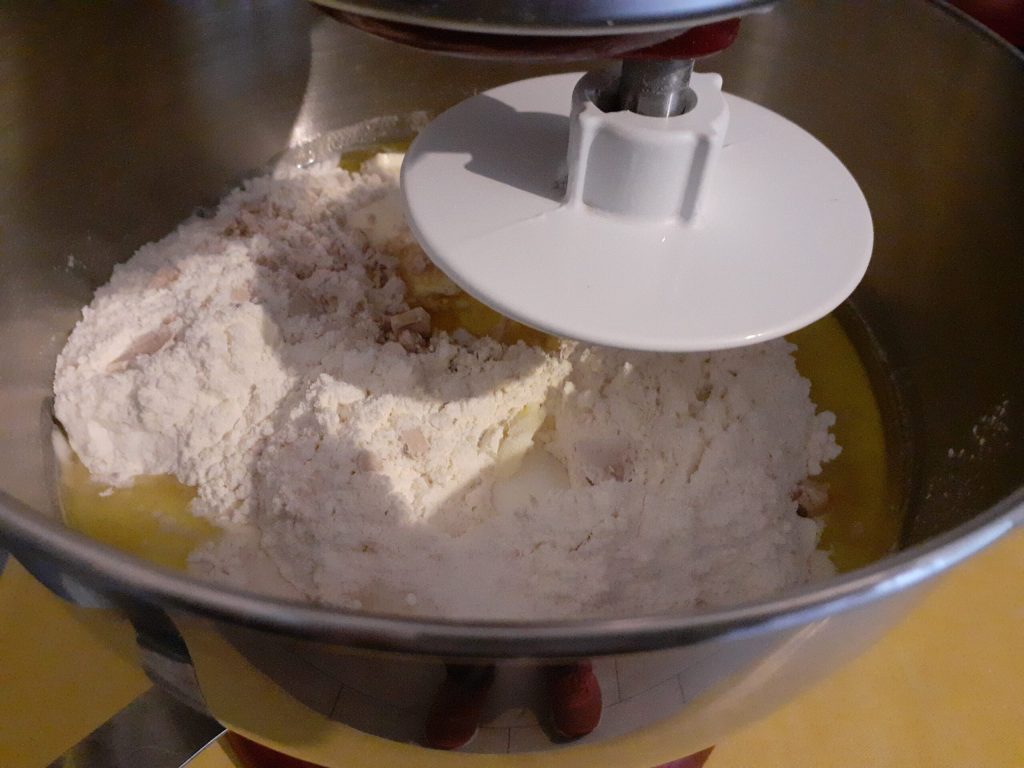
Mix all the ingredients in a stand mixer or on a work surface
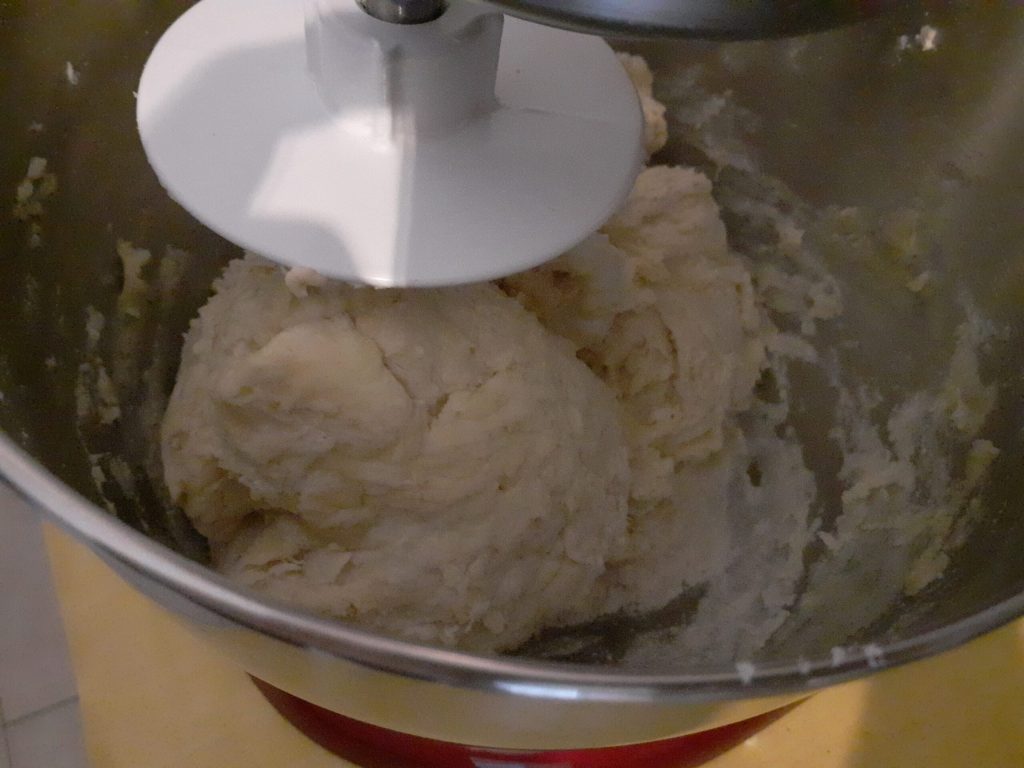
Once the dough is finished, cover and let it rest in the fridge for about 12 hours
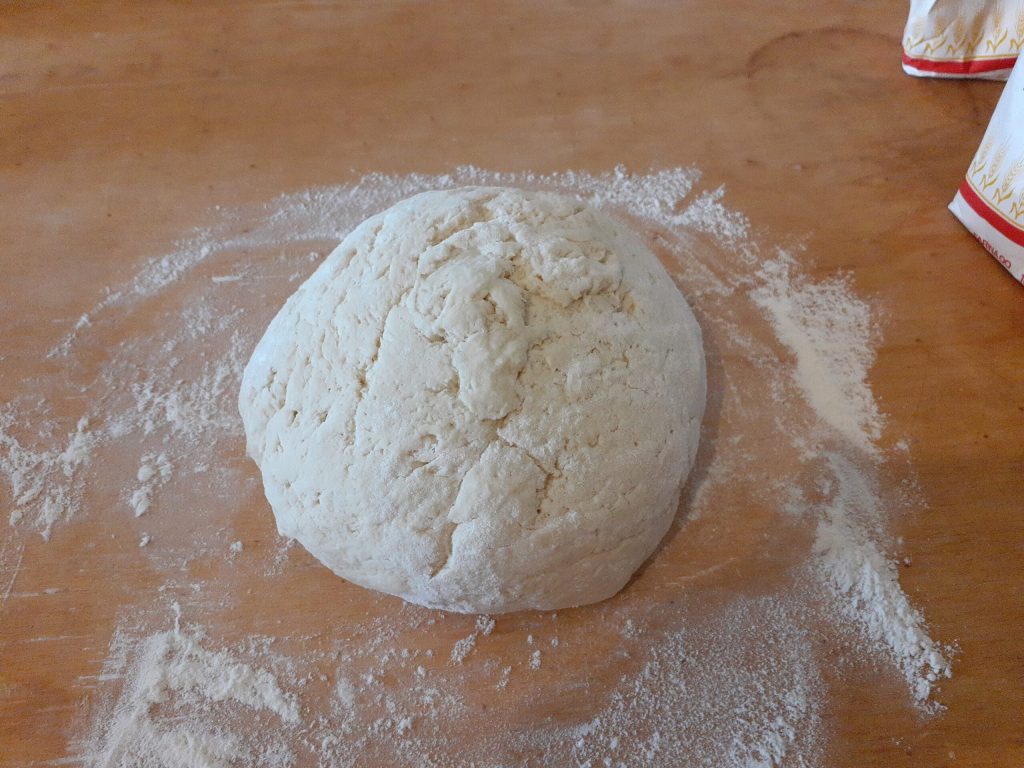
After the resting time, place it on the work surface to roll out with a rolling pin
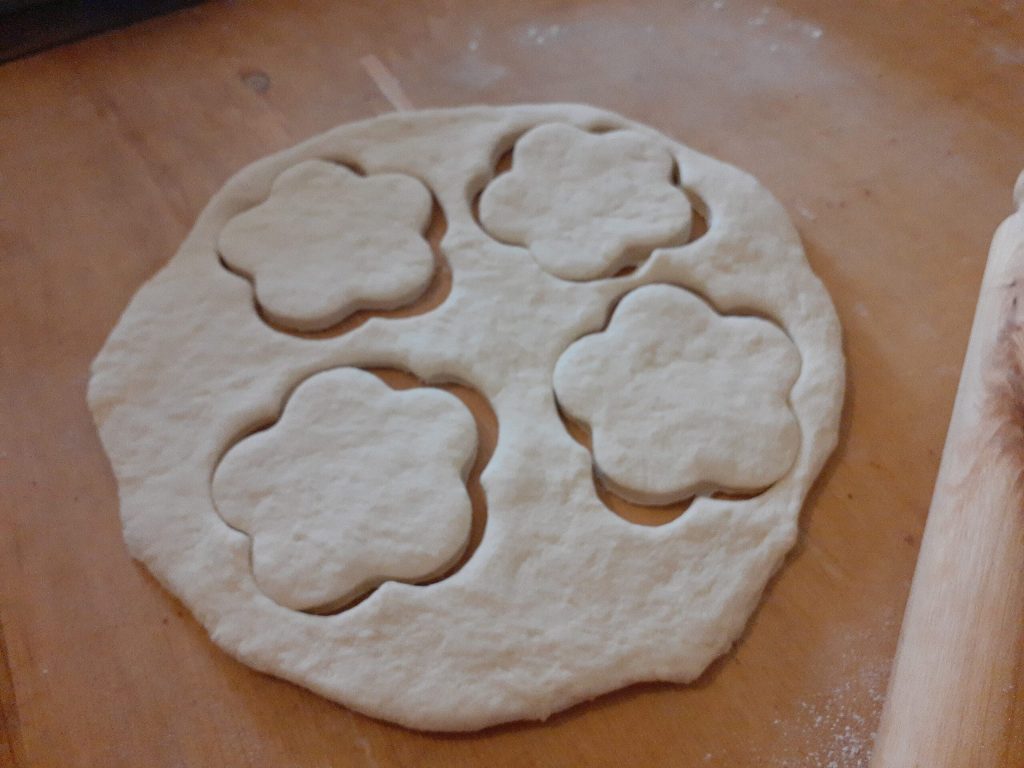
Summer tradition and creativity. Shape your tigelle and let rest for about 1 hour.
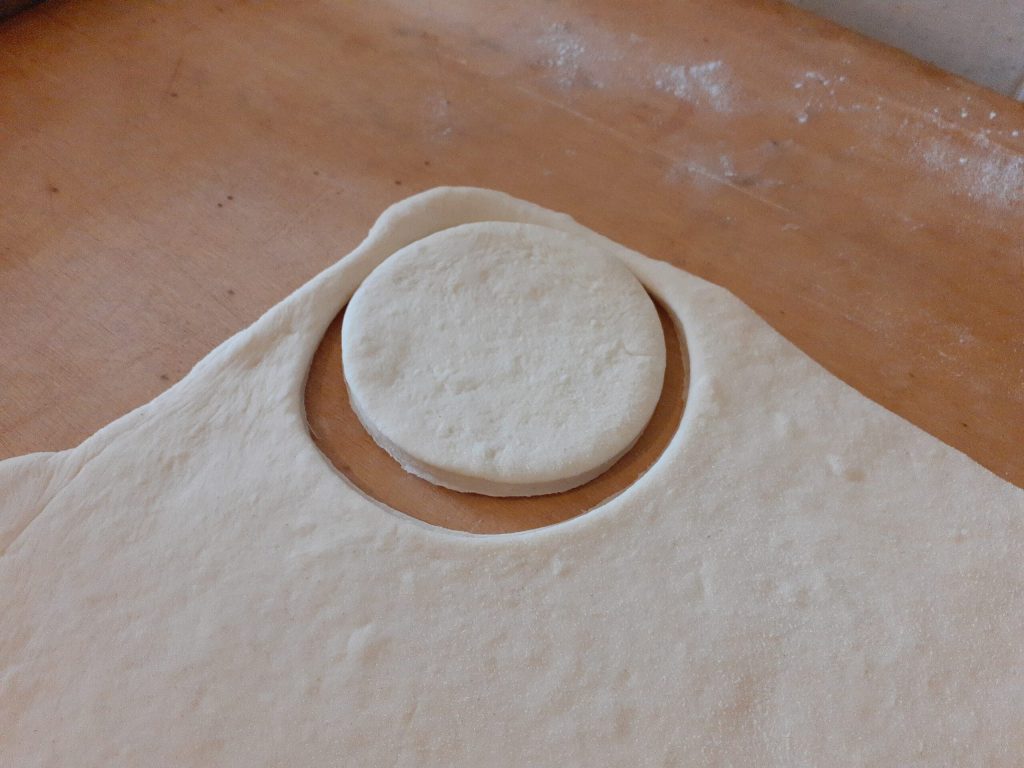
Classic shape about 3 inches in diameter and 0.24 inches in height
Cook in a tigelliera or already hot pan
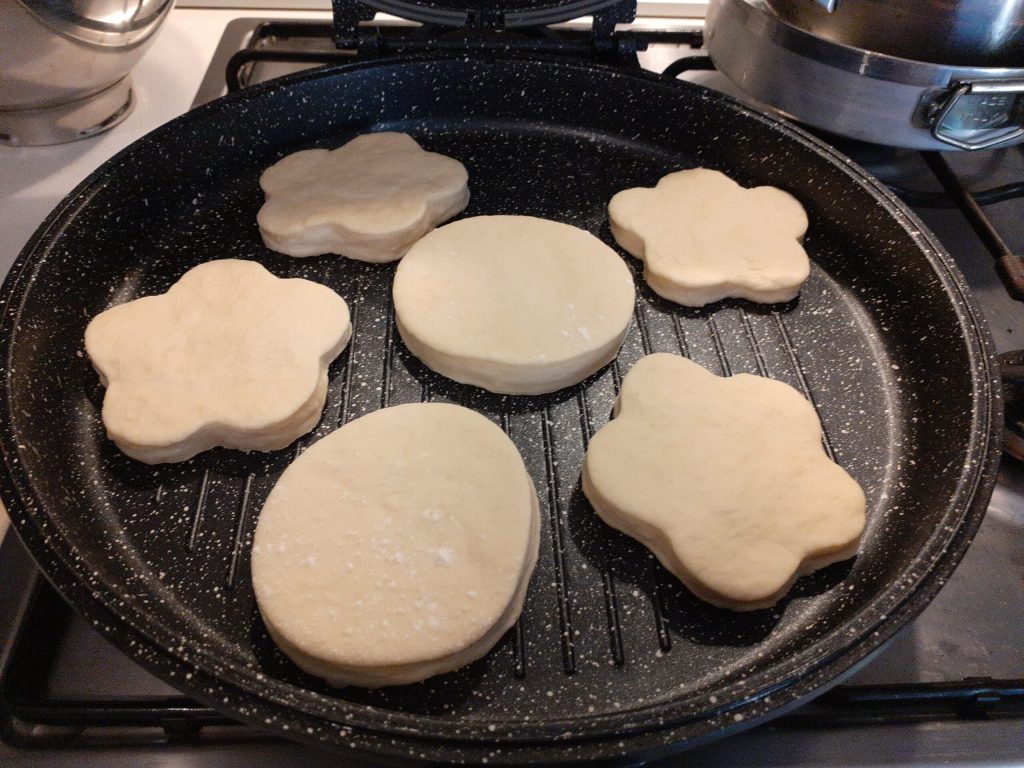
Turn until optimal cooking 2/3 minutes
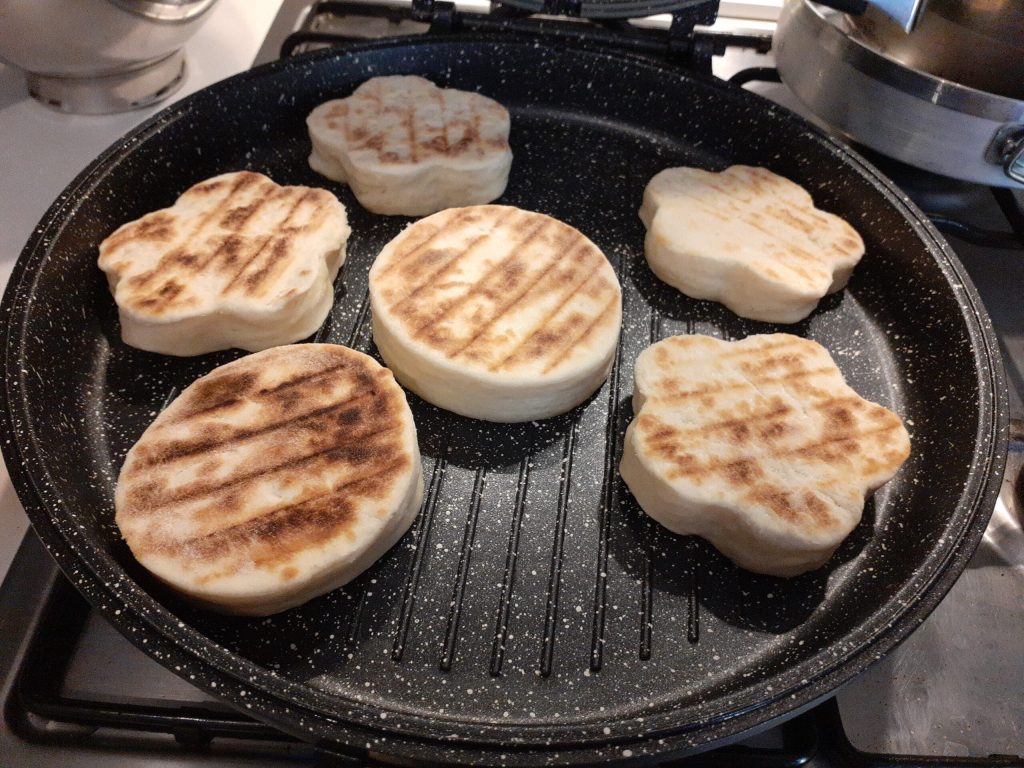
Crescentine with Squacquerone a typical Romagna cheese
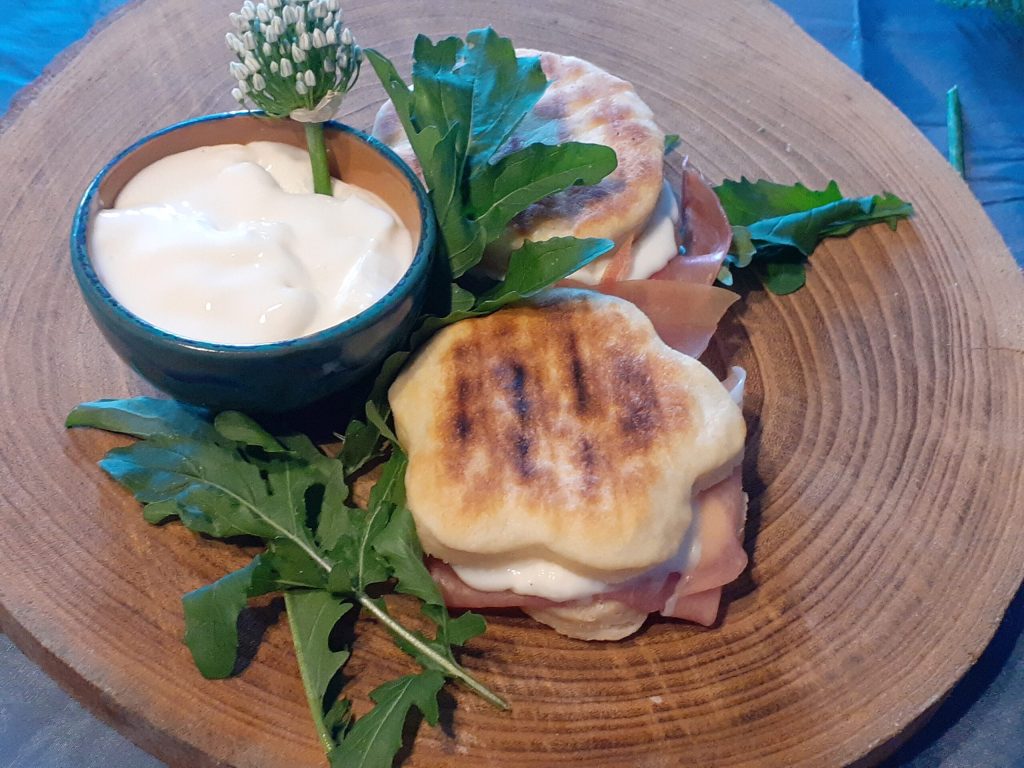
Prosciutto crudo and arugula
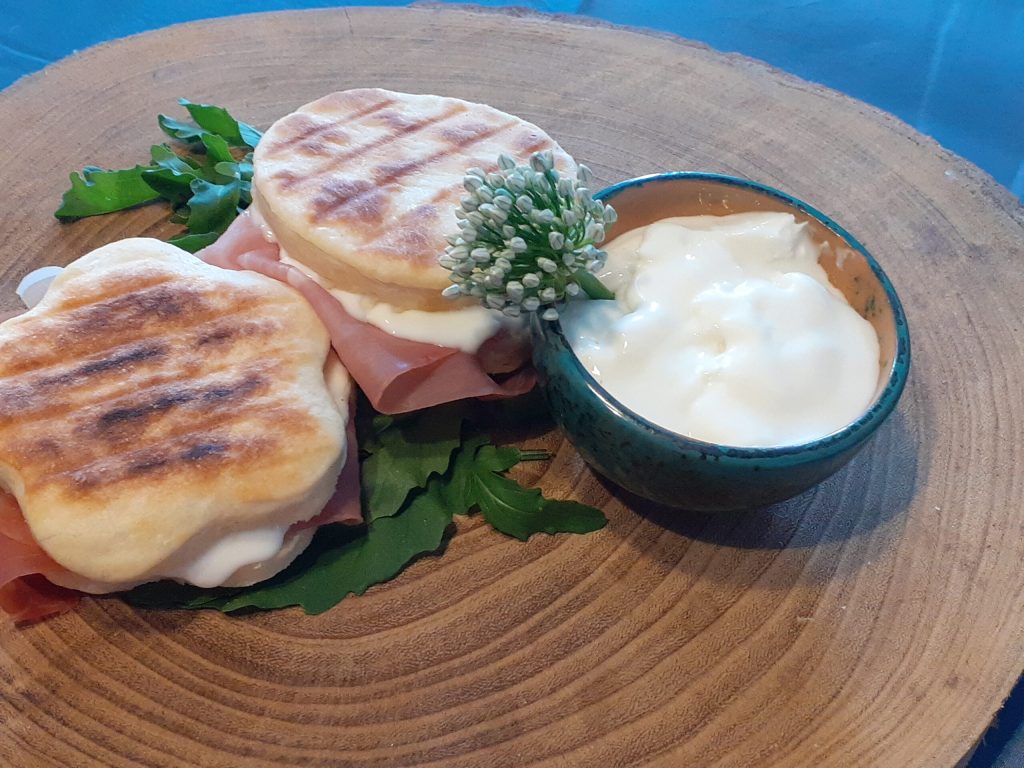
I always prepare a few extra to store in the freezer. Or in the fridge for a day. Crescentine are enjoyed with all kinds of cheese and cold cuts.
Even with chocolate cream, they’re no joke!
