
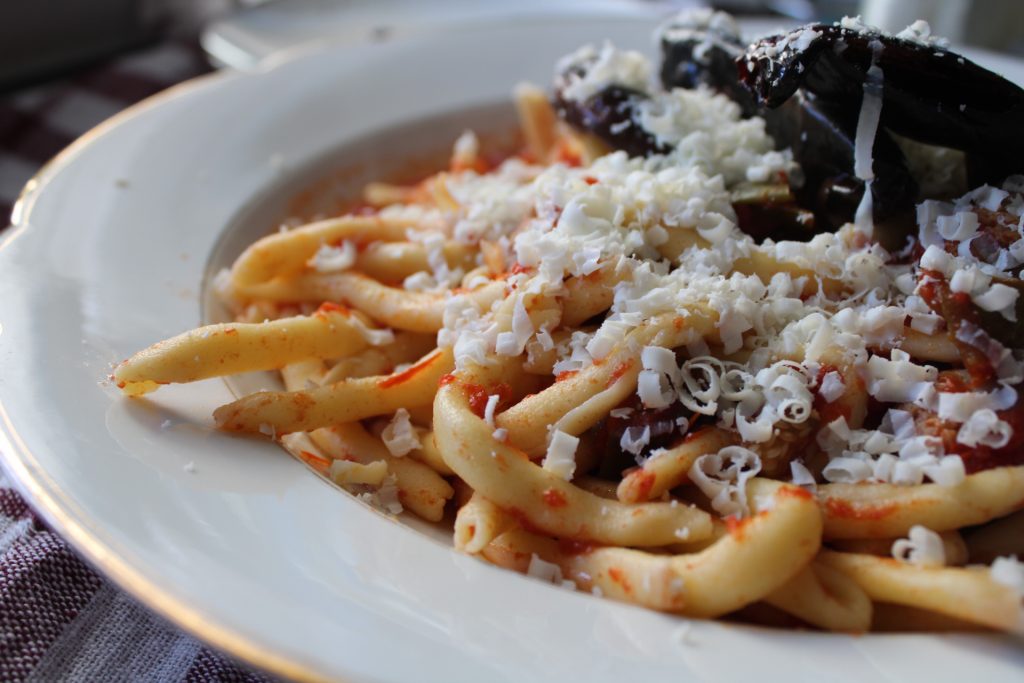
Fileja with fresh tomatoes, eggplants, and crumbled peppers. A recipe that speaks of tradition, history, and hours spent between the garden and home to always have something to eat. Fileja, or maccheroni al ferretto, can be found from central to southern Italy. In the past, the rod from umbrellas was used, as nothing was wasted, so even broken umbrellas could be recycled in some way. In my village, which is part of the province of Vibo Valentia, although it used to be part of Catanzaro, it has always been prepared, precisely because the origins are from the Vibo Valentia area. A simple pasta that was originally made with remilled semolina and water, while in this version I used eggs, sometimes I need to use up surplus, so I adapt the recipes. Instead of using the umbrella rod, I use wooden skewers, which I find to be the right size.
Seasoned with garden vegetables and sausage which, together with the crumbled peppers, I had to buy, I am waiting for my harvest to do the first experiments.
Later you will find other suggestions for making pasta at home.
- Difficulty: Easy
- Cost: Inexpensive
- Rest time: 30 Minutes
- Preparation time: 1 Hour
- Portions: 4
- Cooking methods: Stovetop
- Cuisine: Italian
- Seasonality: Summer, Fall, All Seasons
Ingredients
Remilled semolina, fresh tomatoes, crumbled pepper and eggplants
- 10.5 oz remilled durum wheat semolina
- 3 eggs (Or about 1 cup of water)
- 1 eggplant (long or half oval)
- 1 onion (Small)
- 6 friggitelli peppers
- 3 crumbled peppers
- 18 peeled tomatoes (Or tomato sauce.)
- to taste salted ricotta
- 10.5 oz sausage
- 1 chili pepper (Fresh spicy if desired)
- to taste olive oil
- to taste salt
- to taste basil (Fresh)
Useful Tools
- Bowls
- Skewers
- Frying Pans
- Pots
- Graters
- Scales
Steps
Make the pasta and the sauce! It seems easy, and it is easy.
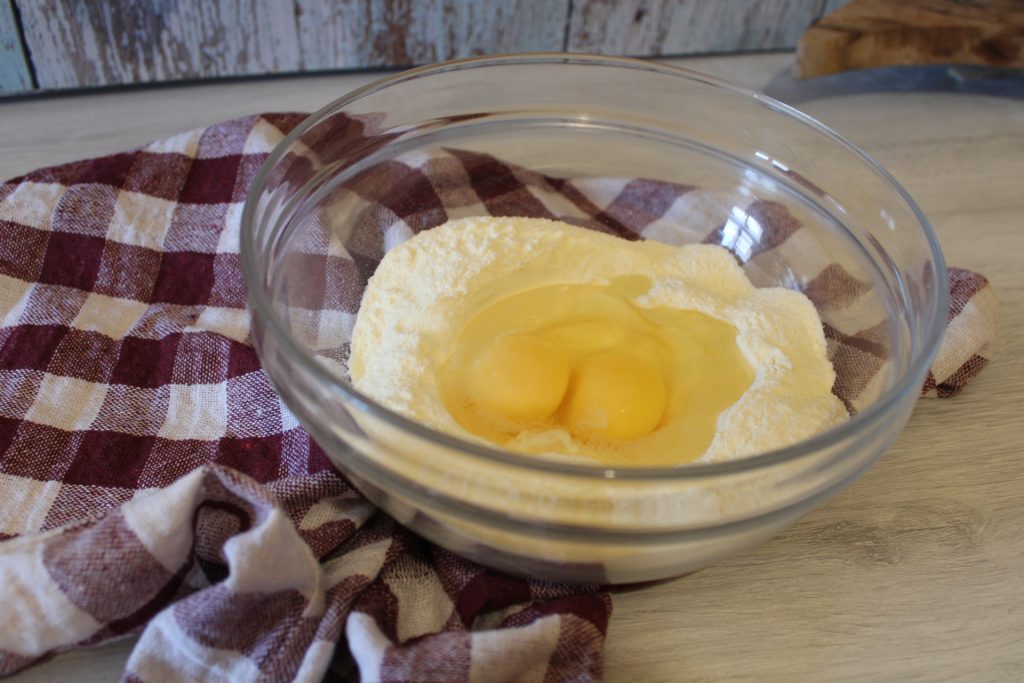
First, combine the semolina and eggs or water in a bowl and knead well and for a long time, about ten minutes. Let it rest covered with plastic wrap to prevent it from drying out, until ready to use. At least thirty minutes. In the meantime, you can clean and cut all the vegetables
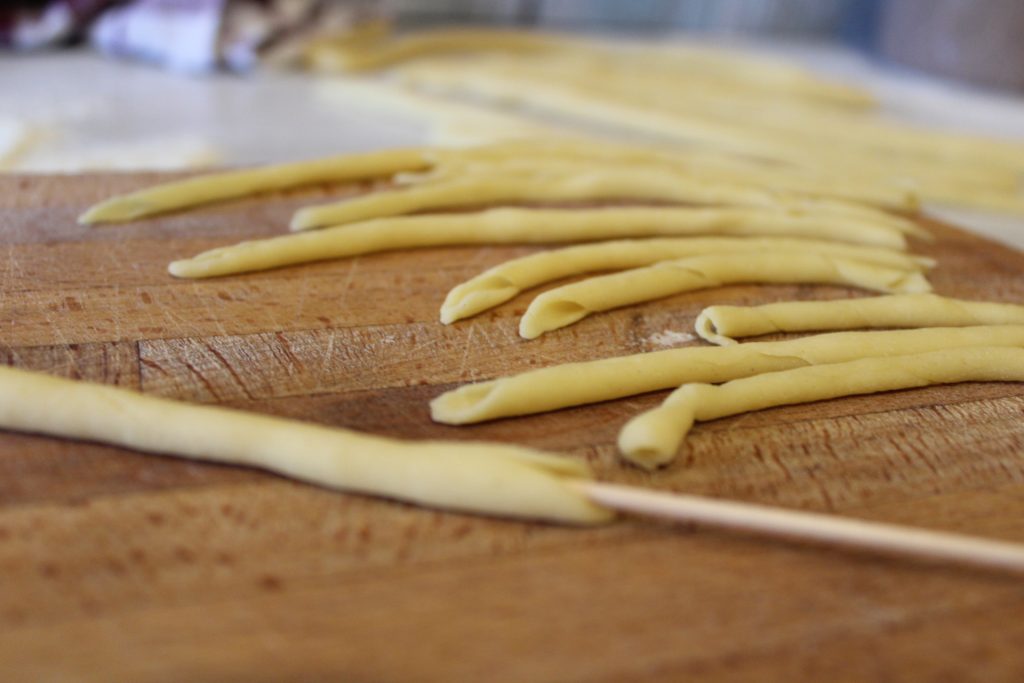
After the dough has rested, cut into pieces and form logs about 0.4 inches thick; cut into 1-inch pieces and stretch the pieces until forming a thin cord about 0.1 inches thick, place the rod or skewer in the center lengthwise and roll it on itself; you will get the pasta. The video shows all the steps.
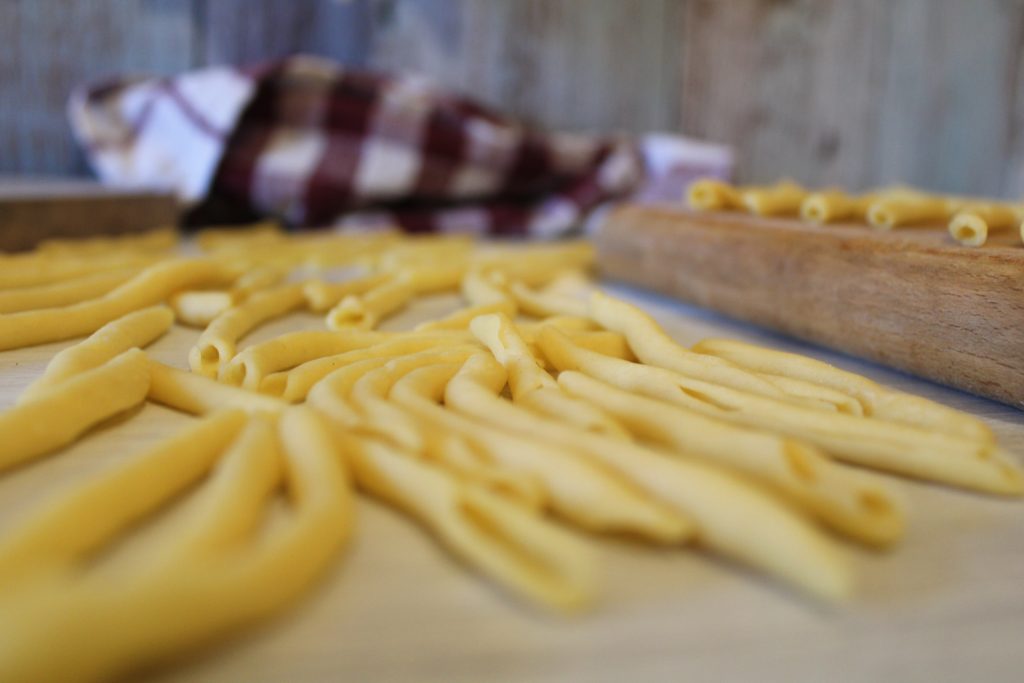
After making the pasta, sauté all the vegetables together with the sausage in a little oil, the fat from the sausage and the moisture from the vegetables will help maintain good moisture.
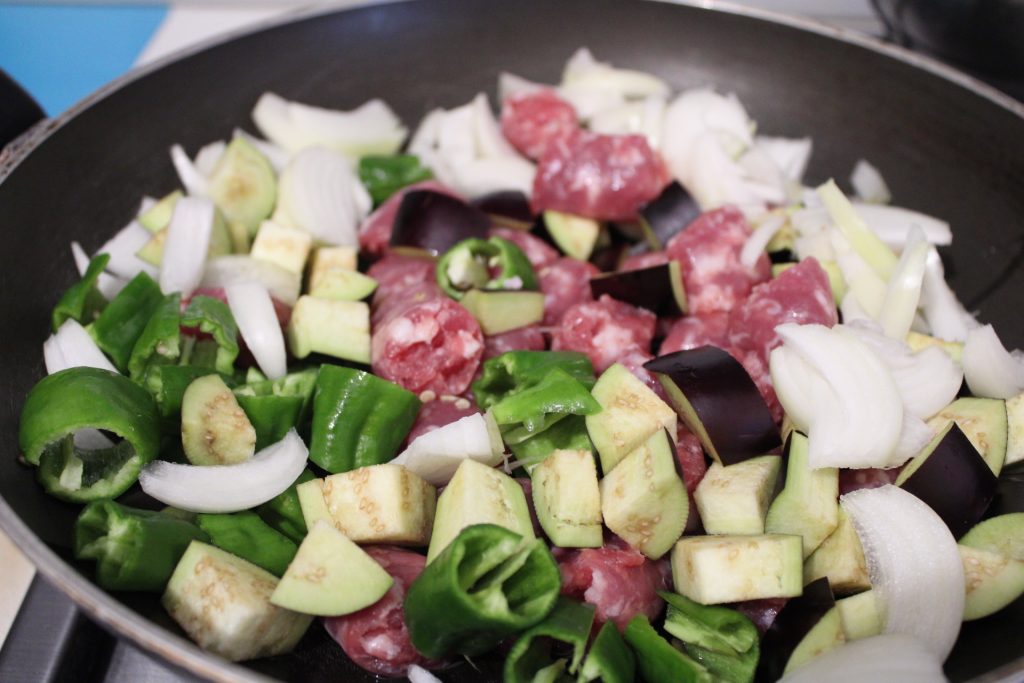
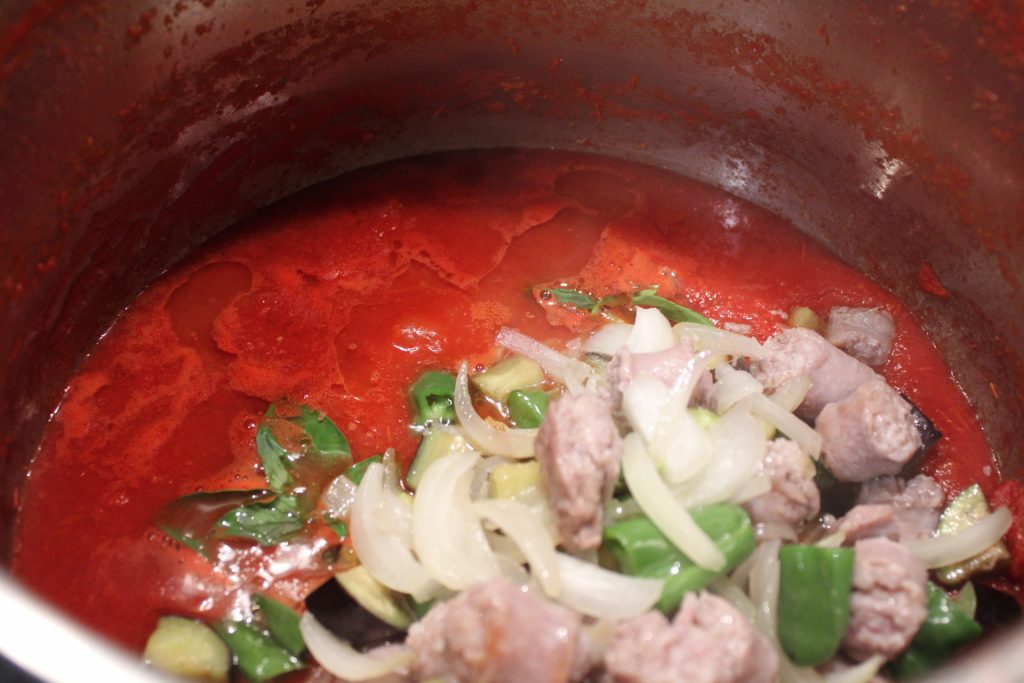
Prepare the tomato sauce separately with peeled tomatoes (I blanched the tomatoes in boiling water for 1 or 2 minutes, depending on the variety, then plunged them into cold water after draining with a skimmer and passed them through a food mill). Add the sautéed vegetables, adjust the salt, and complete the cooking, it will take about 30 minutes.
Meanwhile, cook the pasta in boiling salted water. Dress with the ready sauce and crumbled peppers cut into pieces. Serve with coarsely grated salted ricotta.
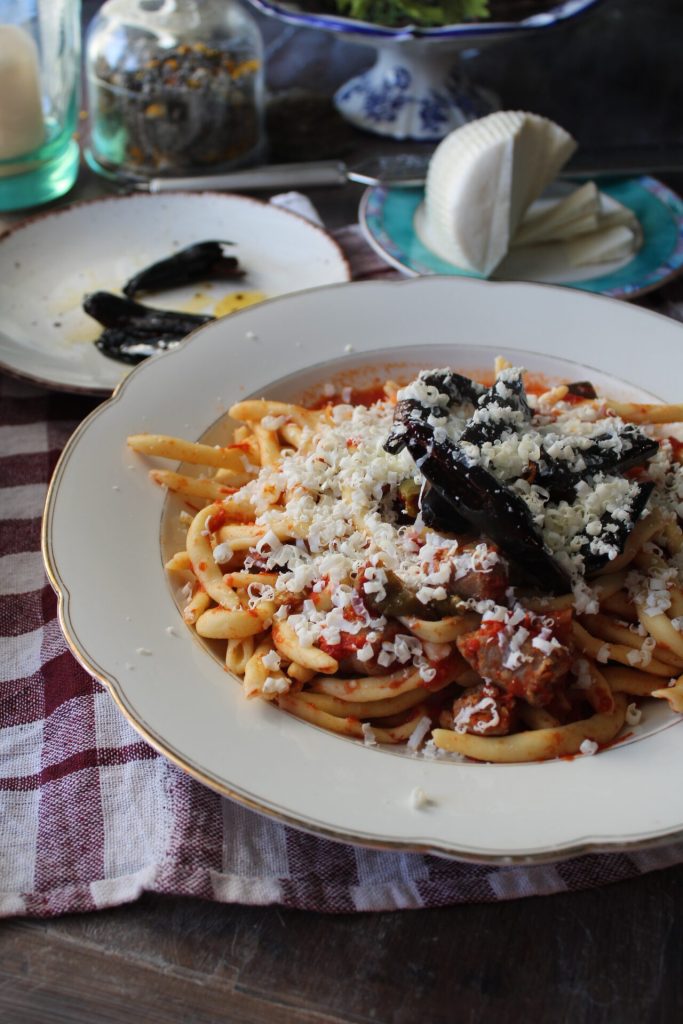
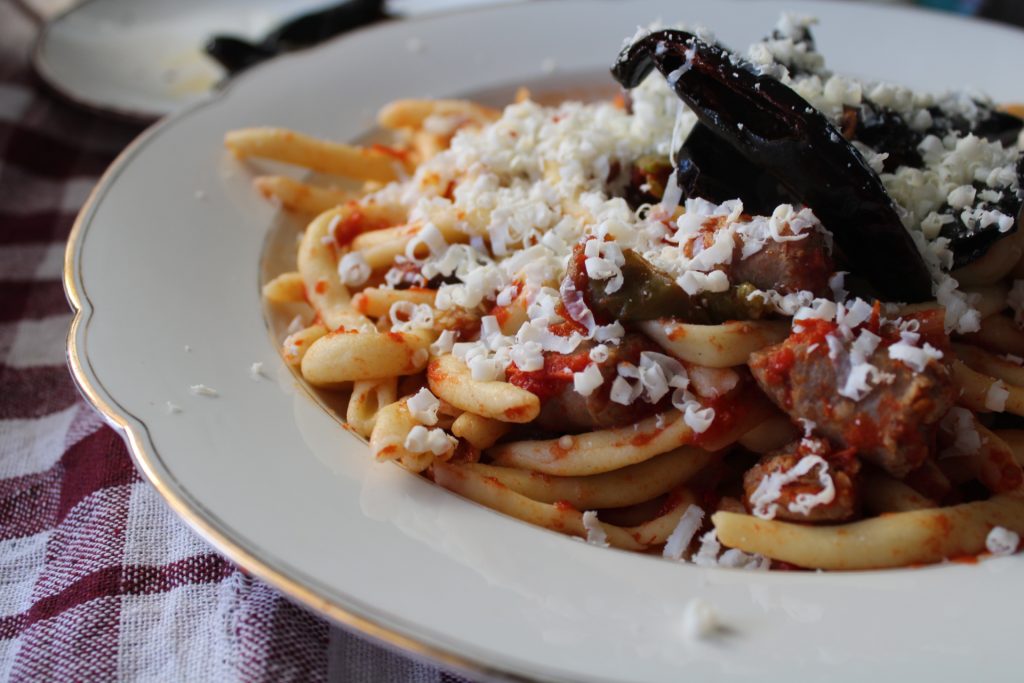
Your fileja is ready to enjoy in every bite! Excellent hot, also delicious cold.
Some Extra Tips
If you don’t have much time, go steep, you can prepare the pasta, freeze it, and use it later; it will keep in the freezer for at least three months. The sauce can also be frozen to always have it ready to use. If you don’t like salted ricotta, I recommend using pecorino instead of Parmesan for regional characteristics. But I assure you that even with Parmesan it will be a dish to savor!
