
Frittole with borage. In my garden the borage grows abundantly; so I have to use it somehow, and I give some away. There are also other herbs to eat — I can’t eat only borage!
This time I present the recipe for frittole with borage; a similar recipe is also found in Liguria, a region that uses this vegetable or herb in many preparations.
They are very simple to prepare; you only need to wait for the dough to rise. Then you can enjoy them plain or serve them with cured meats and cheeses to give a little extra punch to these special frittole.
If you want some traditional fried dishes from tradition that are good to enjoy with cured meats and cheeses, I recommend checking the recipes linked below.
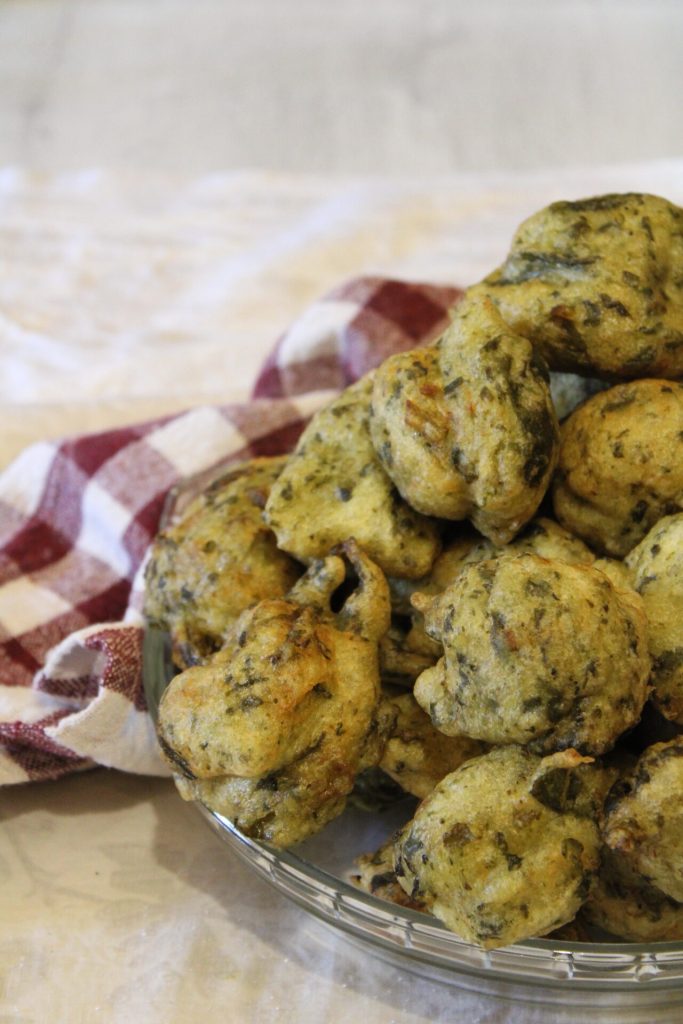
- Difficulty: Easy
- Cost: Inexpensive
- Rest time: 2 Hours
- Preparation time: 1 Hour
- Cooking time: 5 Minutes
- Portions: 25-30 pieces
- Cooking methods: Frying
- Cuisine: Italian
- Seasonality: Spring, Summer and Autumn, All seasons
Ingredients to make the frittole
Besides fresh borage, you’ll need flour, eggs, milk and yeast
- 4 3/4 cups flour
- 2 eggs
- 0.9 oz fresh compressed yeast
- 1 cup borage (Boiled and sautéed with a little garlic, then chopped.)
- 3/4 cup water
- 1/2 cup grated Grana Padano
- as needed vegetable oil
Useful tools to make the frittole
A bowl for the dough, a frying pan, a piping bag to portion the frittole, or two spoons. Paper for frying, a pot for the borage, a food processor. The tools I use can be found in my buying recommendations.
- Absorbent paper
- Piping bags
Steps to make the frittole
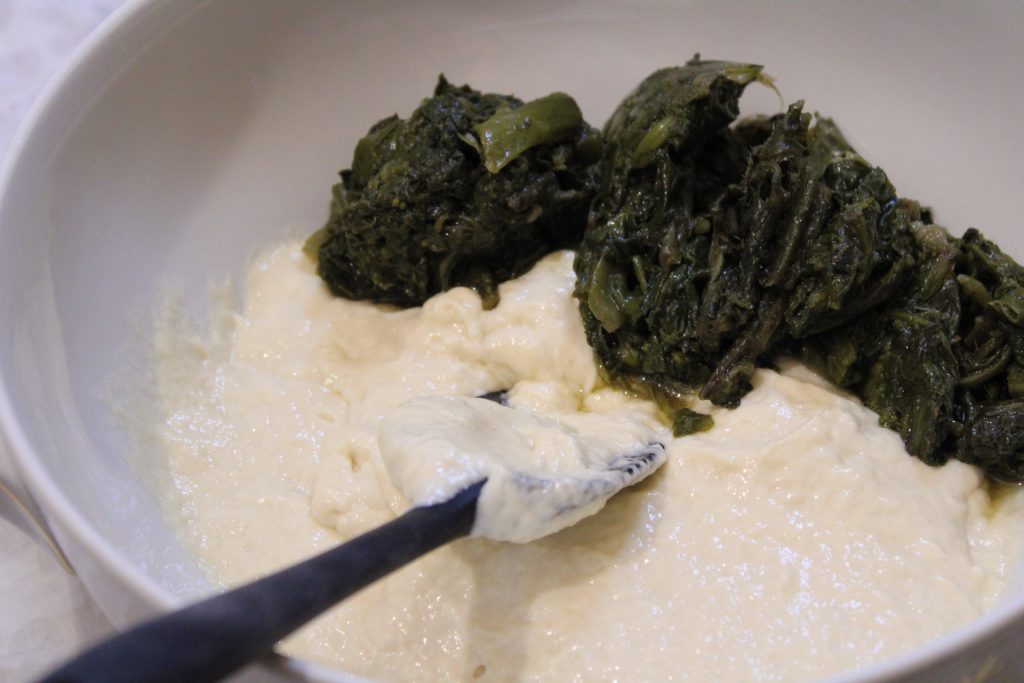
In a large bowl, combine the flour, the yeast and the warm water — mix in the center to dissolve the yeast; then add the eggs, the salt, the borage and mix well.
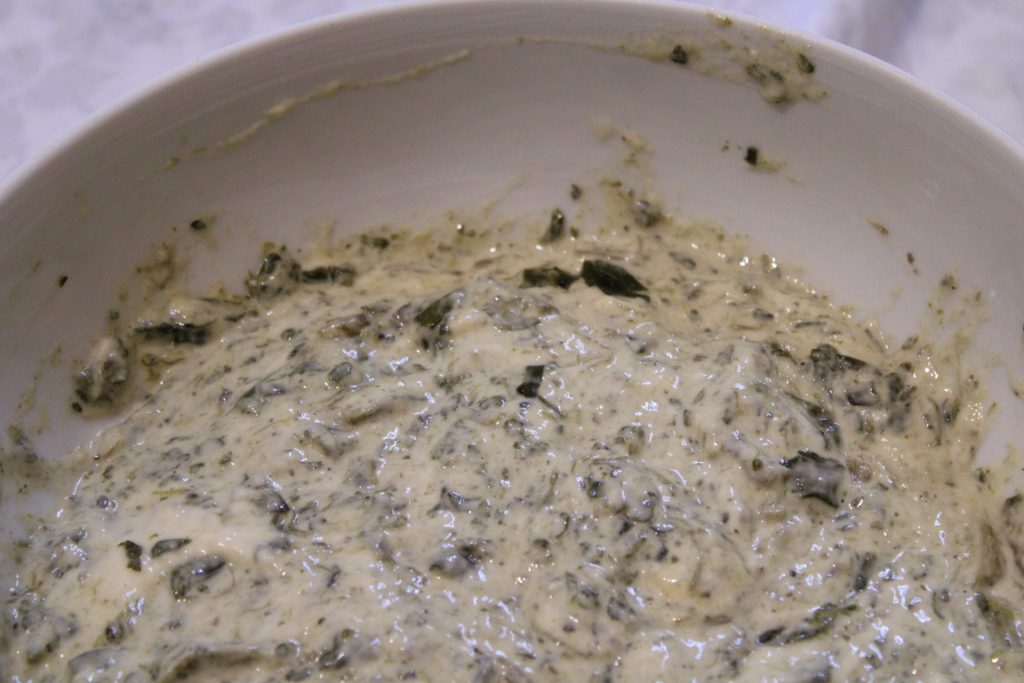
Let rise until doubled, after covering with a kitchen towel.
Transfer part of the mixture into a piping bag and make a cut of about 3/8 inch at the tip.
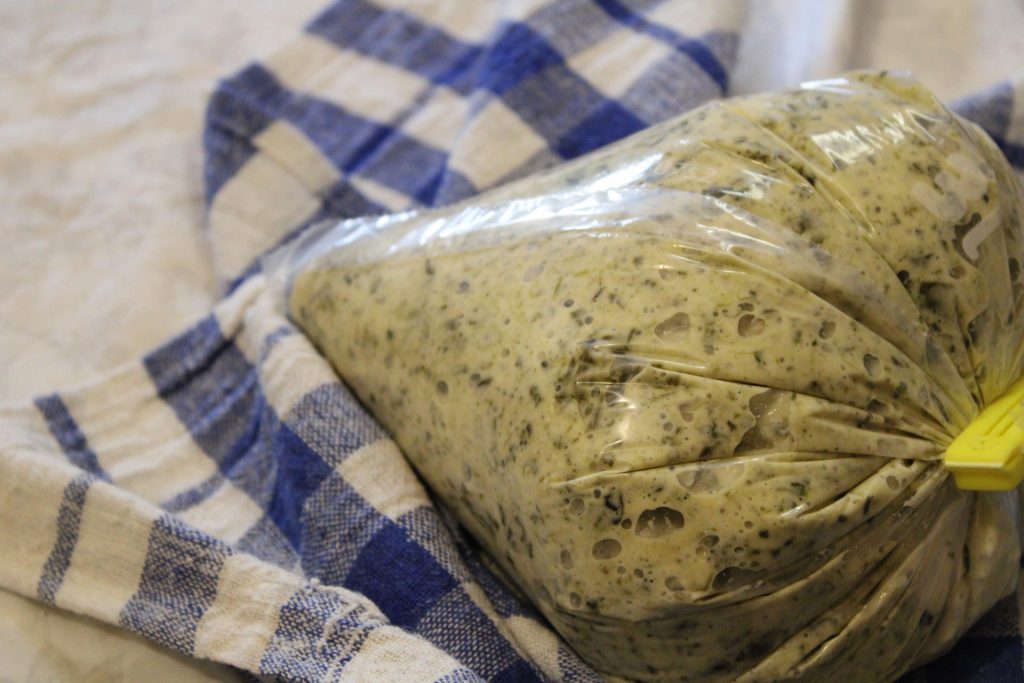
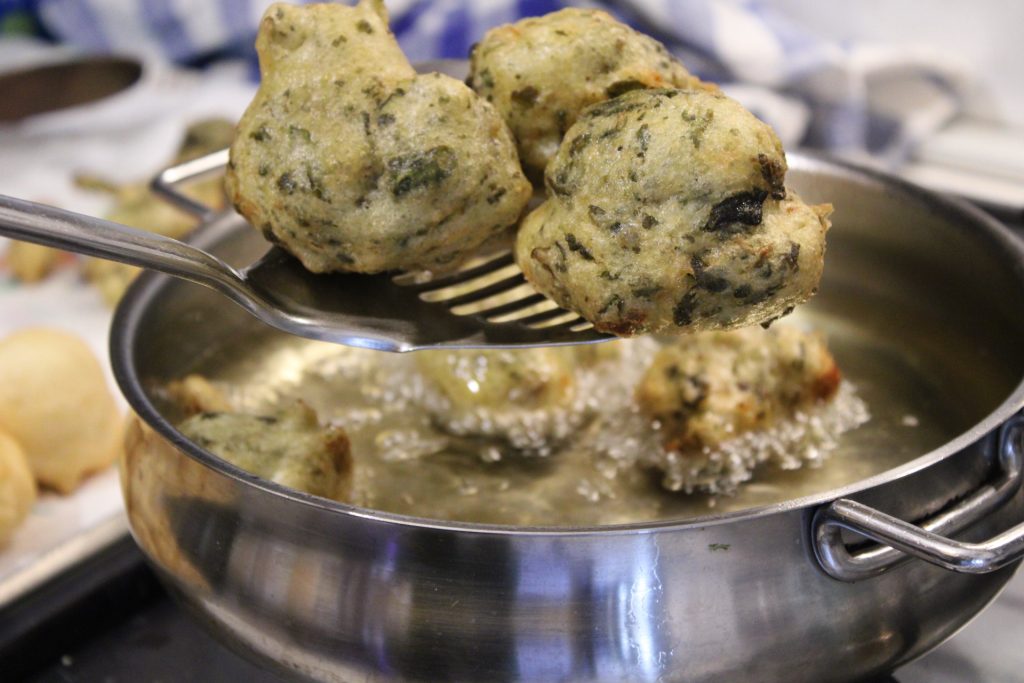
Grease your thumb and index finger and slide small portions of dough into the pan with well-heated oil. If you prefer, use 2 spoons.
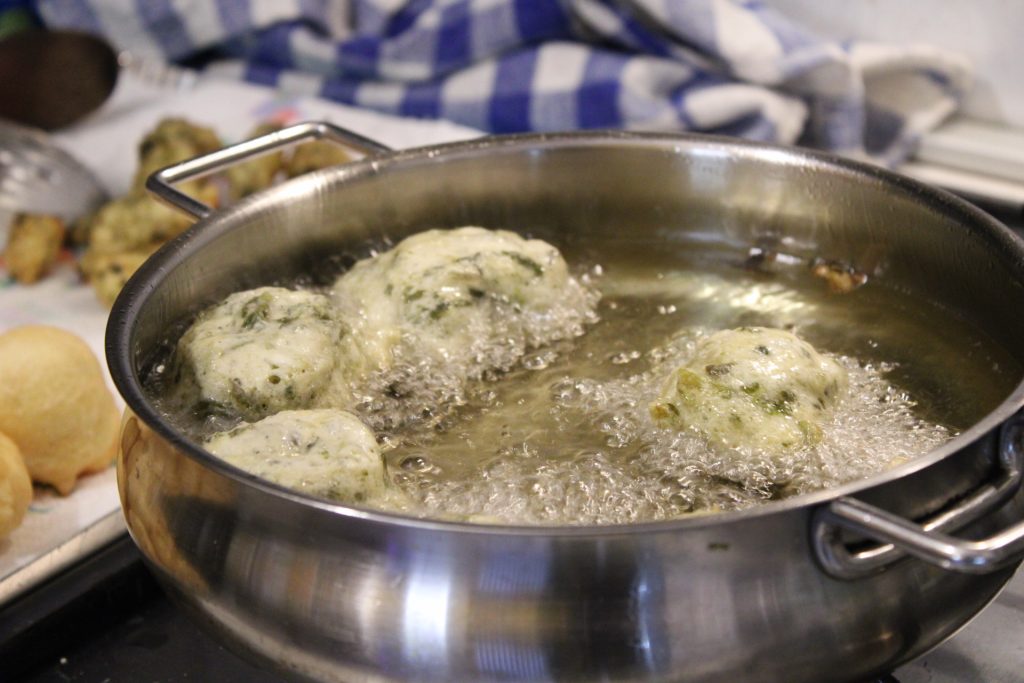
As soon as they are fried, let them rest on paper to absorb the excess oil.
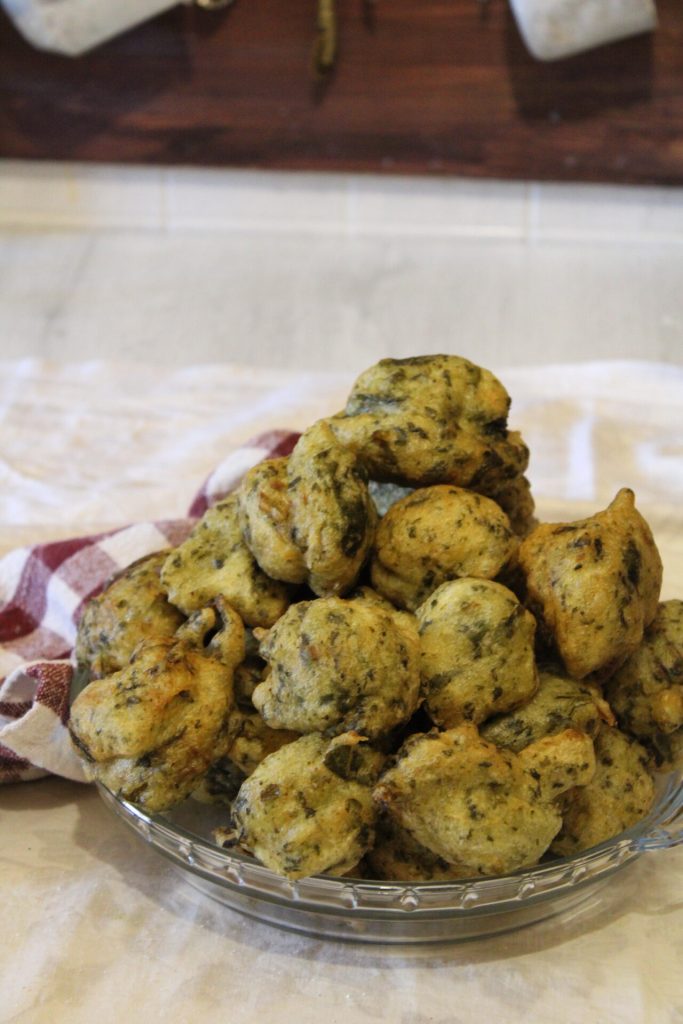
Lightly salt the surface and serve very hot. They are still good even when cold!
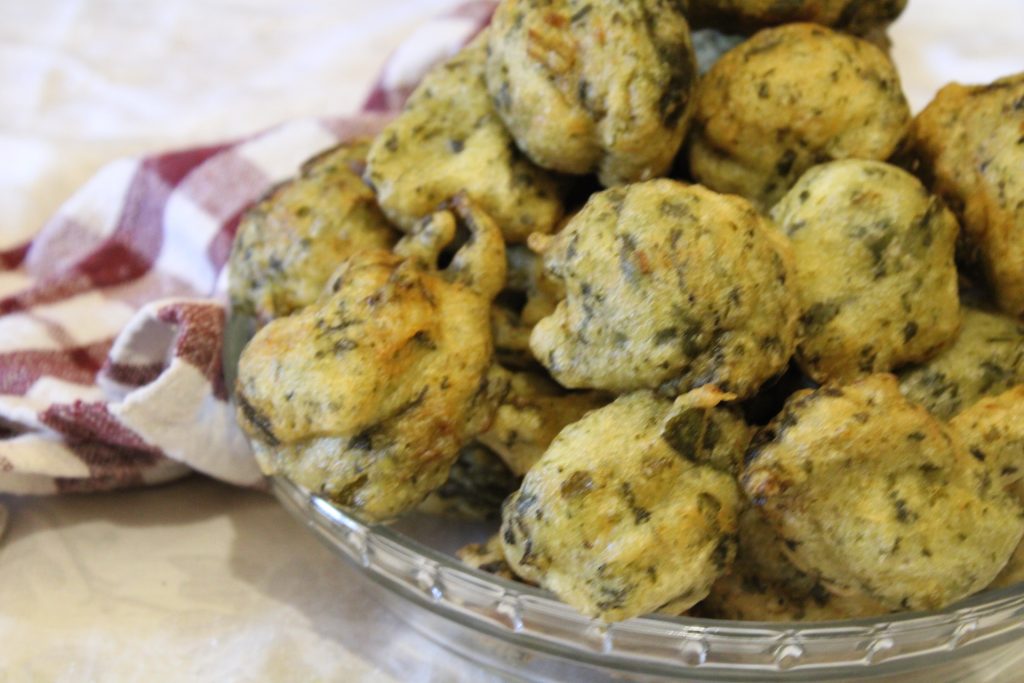
Some additional tips
In this case I used borage; sometimes I use other wild herbs, or zucchini, or eggplants — zucchini grated raw, while eggplants are pre-cooked in a pan. A tasty and inviting appetizer!
