
Grandma Maria’s Rabaton. They originate from the province of Alessandria and are a staple in the cuisine of old Piedmont. One of those recipes that in Italy we find in different forms with the same ingredients. Similar to Tuscan gnudi for ingredients, the skill of women who at home had to make lunch and dinner with ingredients that were available every day. Grandma Maria’s rabaton are truly the ancestors of agnolotti. As was said in the past, there was only the filling, since not everyone always had flour available, so the first course was made with potatoes, stale bread, cultivated vegetables, or wild herbs. Many were owners of one or two cows and goats or sheep, and could therefore have very fresh ricotta. The part not sold at the market was used for home meals, and the dry bread was reused.
You’ll find other typical recipes of our Italy, search through the links!
- Difficulty: Very Easy
- Cost: Cheap
- Preparation time: 1 Hour
- Portions: 6 generous
- Cooking methods: Stovetop
- Cuisine: Italian
- Seasonality: Spring, Summer, All seasons
Ingredients
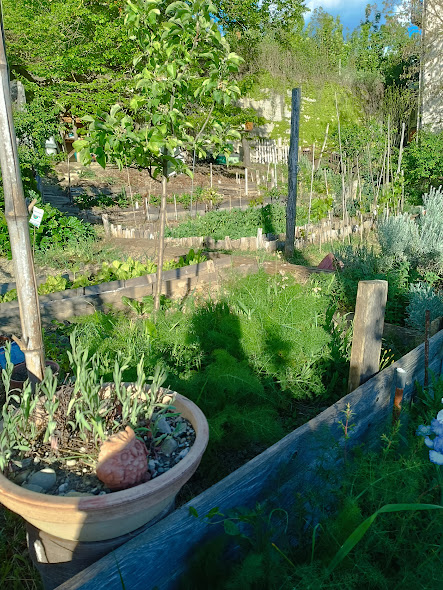
Grandma Maria tells me that in the morning the wake-up call was early, and it was a natural alarm: the rooster crowed at dawn, just daylight, and often you were already up to prepare for the day. Lunch also had to be thought of for when returning tired from working in the fields, organized in the morning. Rabaton were part of those quick preparations: stale bread was used, vegetables cooked the previous day, fresh eggs, and ricotta. They can be prepared in all seasons: spring offers fresh wild herbs, and the flavor is enriched.
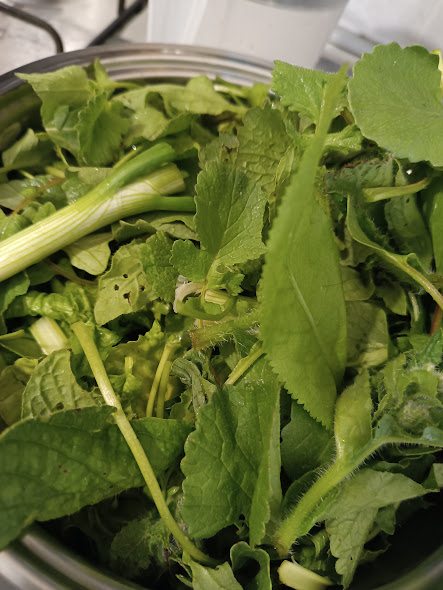
- 1.3 lbs chard (Or wild herbs, nettle, borage, spinach…)
- 4 eggs
- 14 oz ricotta (Either cow or sheep.)
- 1 bunch parsley (Fresh)
- 1 bunch thyme (Or marjoram or basil or St. Peter's herb)
- 1 cup stale bread (Grated.)
- 1 cup grated parmesan
- as needed flour (For flouring, thickening.)
- as needed salt
- as needed pepper
- as needed meat broth (Or vegetables to cook the rabaton.)
Tools
A bowl for mixing, the pot for vegetables, blender…
- Bowls
- Blenders
- Spatulas
Steps
Working outside the home means reduced time: these are ideal recipes, with a few steps you get a lot.
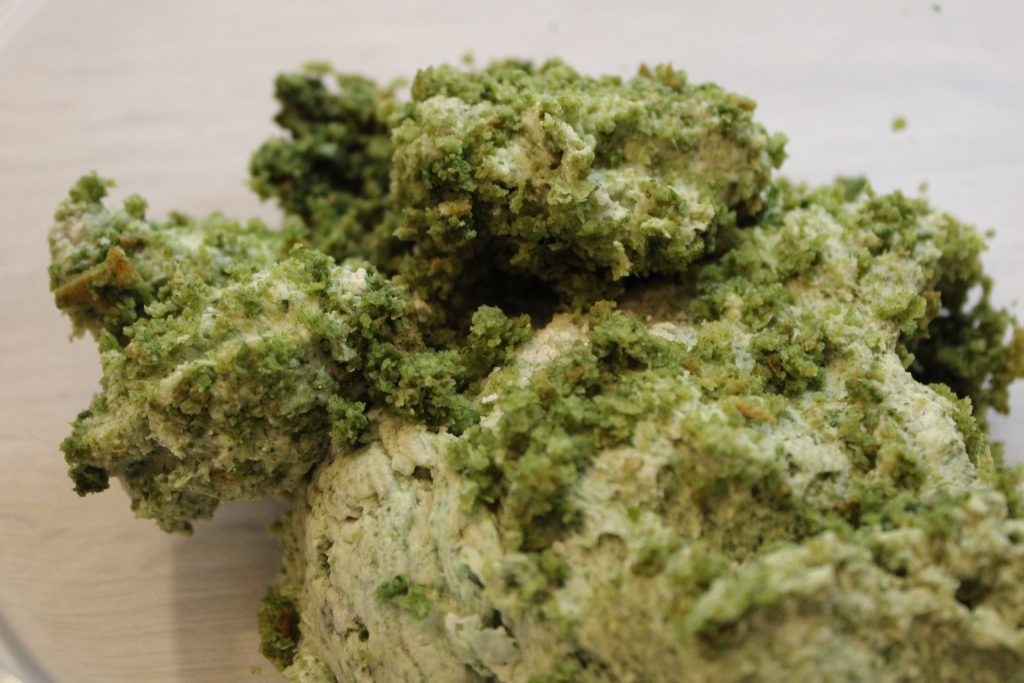
Combine all the ingredients, except the flour which is then used for flouring and forming the rabaton.
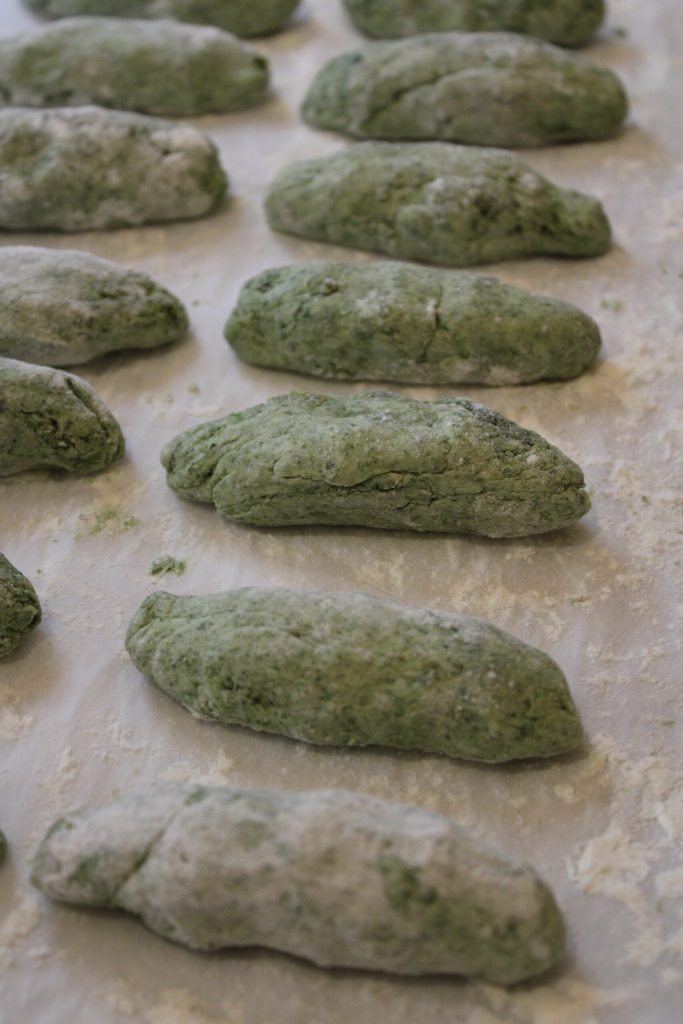
Form balls the size of a mandarin and then give them an elongated shape.
Cook them in broth and then pass them in melted butter. I also added grated parmesan, which partially toasts and gives a more pronounced flavor.
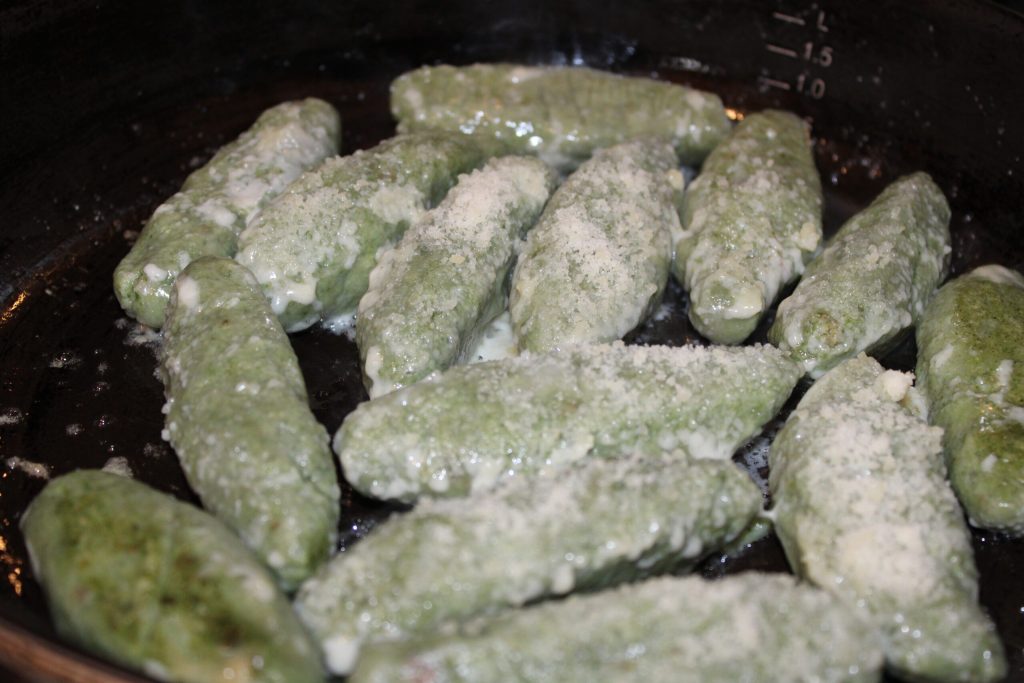
Serve them hot and rich with cheese..
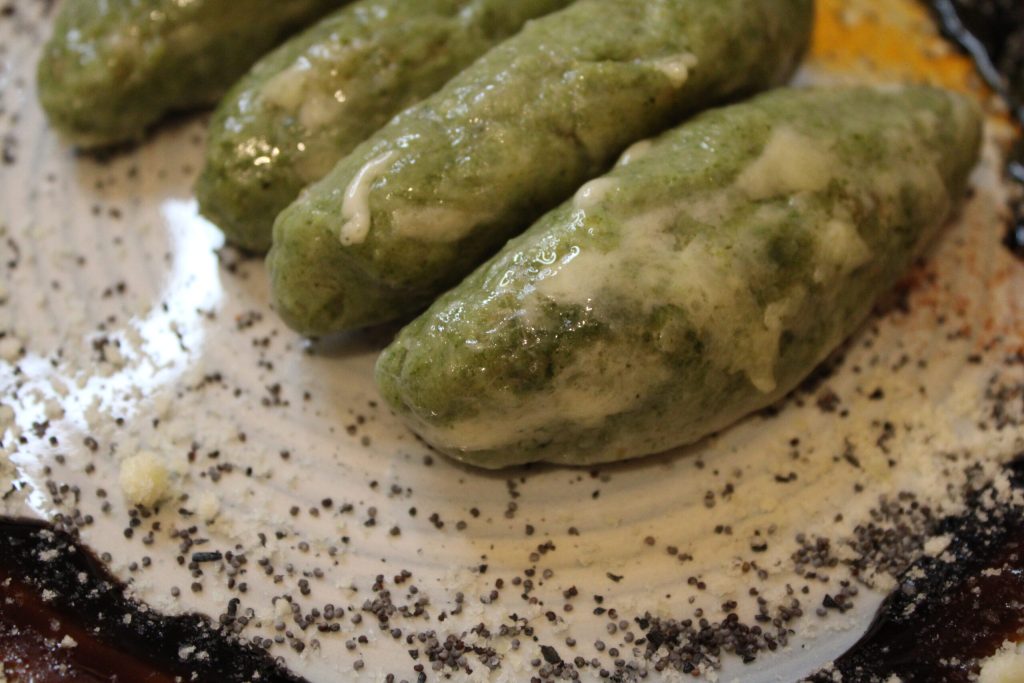
Great in any season. Ideal for light diets, without sacrificing taste.
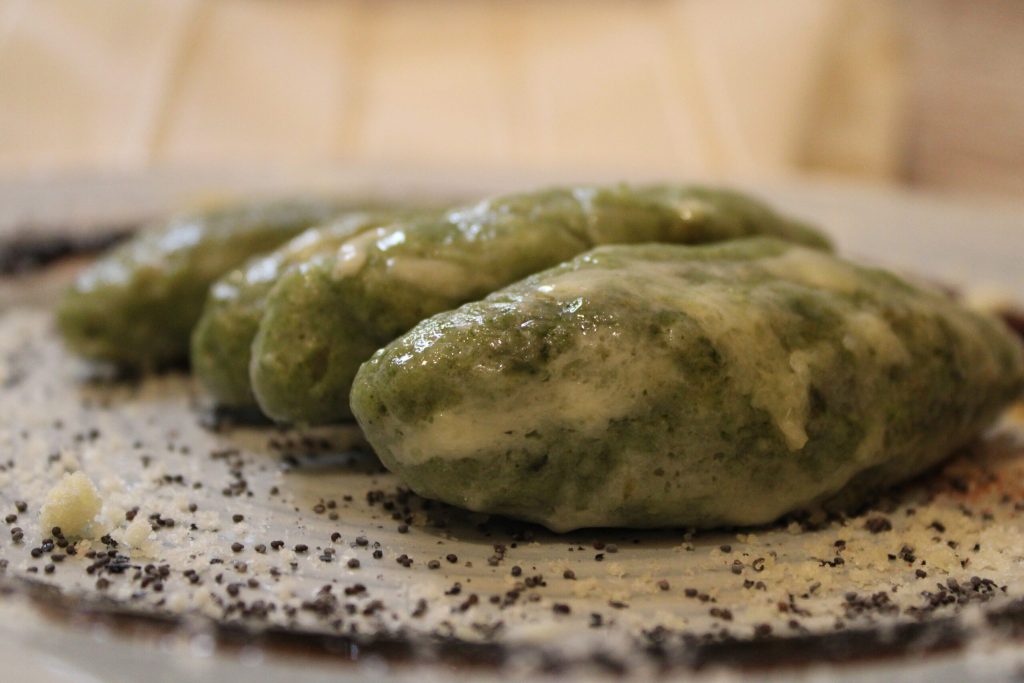
A few more tips…
Rabaton are a good compromise with lightness. I always keep some portions in the freezer because over time I have found that the recipe also works well as a tasty appetizer when breaded in egg and flour. They are also appreciated by children, which is not insignificant: another method to introduce vegetables into their diet. They are stored before cooking in the refrigerator for one or two days, the same time after cooking. Excellent when seasoned with a sauté of speck and onions, or with meat or fresh tomato ragù. In short, a first course of great help for our endless days!
FAQ (Questions and Answers)
Can I prepare them in advance?
Rabaton are perfect as a lunch saver: they can be prepared in advance and stored in the freezer for three months, or in the refrigerator for two or three days.
