
Plin from Langa…Old Recipe with Three Roasts
The Langa del plin ravioli are a famous dish of Piedmontese cuisine. These ravioli are typical of the Langa area, a region in northern Italy known for its rich gastronomic tradition.
The Langa del plin ravioli are made with a thin dough and filled with a delicious mixture of minced meat, cheese, and vegetables. The word “plin” in Piedmontese dialect means “pinch,” which refers to the technique used to seal the ravioli by pinching the dough with the fingers.
This dish is often served with melted butter and sage, which gives the ravioli a rich and aromatic flavor. Some variations can be seasoned with a meat sauce or a truffle sauce for an extra touch of elegance.
The Langa del plin ravioli are a true culinary delight and pay homage to the tradition of Piedmontese cuisine. They are a perfect dish to enjoy for a special dinner or to celebrate an important occasion. If you have never had the chance to taste them, I highly recommend you do!
The Langa del plin ravioli certainly have an interesting history. This dish has ancient origins and deep traditions in northern Italy, particularly in the Piedmont region.
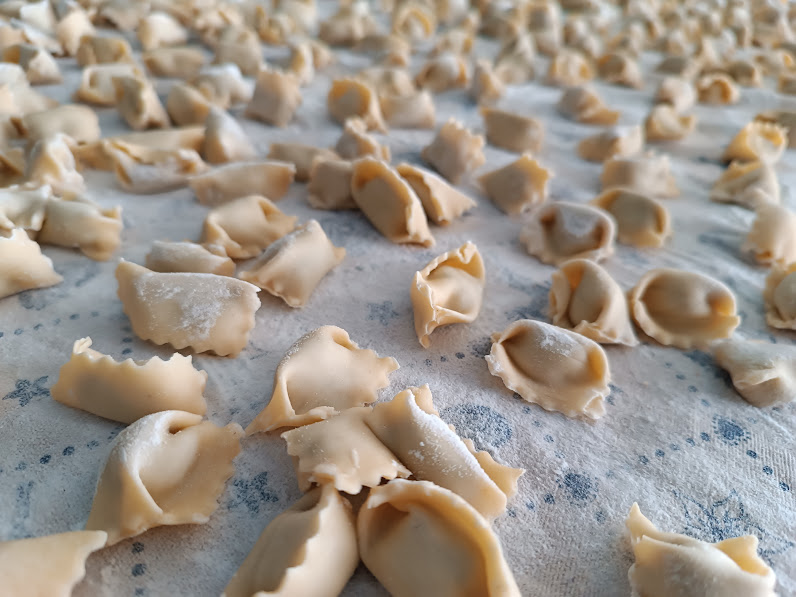
- Difficulty: Easy
- Cost: Medium
- Preparation time: 2 Hours
- Portions: 6 generous portions
- Cooking methods: Stovetop
- Cuisine: Italian
- Seasonality: All seasons
- Energy 593.96 (Kcal)
- Carbohydrates 62.18 (g) of which sugars 0.92 (g)
- Proteins 48.49 (g)
- Fat 18.05 (g) of which saturated 5.46 (g)of which unsaturated 8.40 (g)
- Fibers 10.96 (g)
- Sodium 101.89 (mg)
Indicative values for a portion of 250 g processed in an automated way starting from the nutritional information available on the CREA* and FoodData Central** databases. It is not food and / or nutritional advice.
* CREATES Food and Nutrition Research Center: https://www.crea.gov.it/alimenti-e-nutrizione https://www.alimentinutrizione.it ** U.S. Department of Agriculture, Agricultural Research Service. FoodData Central, 2019. https://fdc.nal.usda.gov
Ingredients
Three types of meat…Veal, pork, rabbit…eggs, flour…When I make fresh pasta, in this case ravioli, I make a lot, and I don’t weigh the filling ingredients, I go by eye; once the filling is finished, I use any remaining dough for other shapes.
- 10 oz beef (I use the 'brutto e buono' cut)
- 10 oz pork (neck)
- 14 oz rabbit
- 1 bunch chard (borage or Swiss chard is also fine…I used all three.)
- 2 tbsps mixed vegetables for soffritto (Fresh chopped vegetables are fine too, I prefer for roasts.)
- 1/4 cup red wine (a scant half glass to deglaze the roast)
- 1 teacup grated Grana Padano
- 1 tbsp herbs
- 1/4 coffee cup olive oil
- 4 cups flour
- 3 eggs
Tools
A pot for the roasts, pasta roller…Bowl for mixing, meat grinder or food processor to grind the filling, and a bowl to complete, pasta cutter wheel
My recommendations for the tools I use can be found here
Steps
Start the day before by preparing the roasts…
-
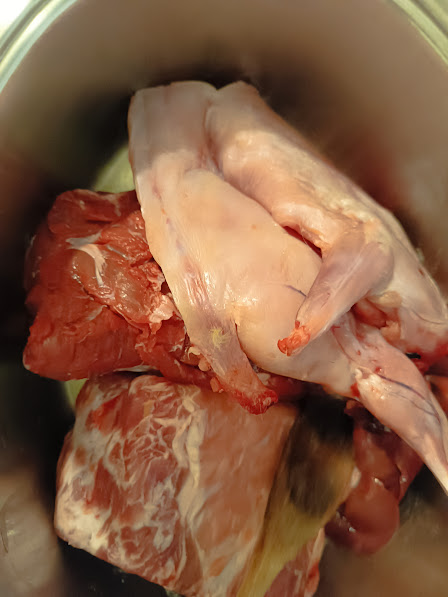
In a large pot, brown the meats, add the vegetables for soffritto after browning to avoid burning, then spray with a little red wine, dolcetto or barbera.
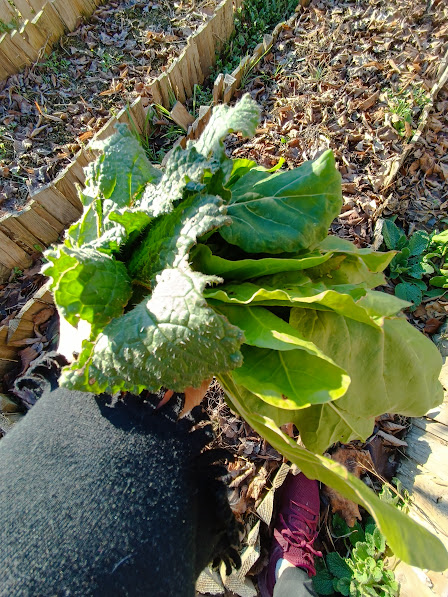
I have a garden and with the mild winter, I still find my vegetables…Wash, clean, and cut into pieces.
Roast ready, let cool a little before deboning the rabbit
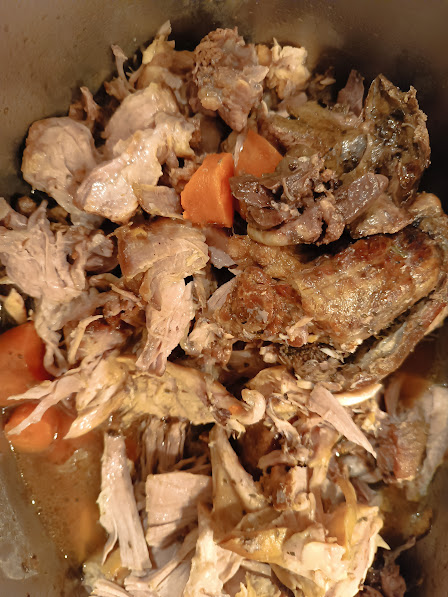
Once the rabbit is carefully deboned, add the chopped vegetables and cook with the roast sauce. This way, you don’t lose some of the flavor in the water, making the filling tastier
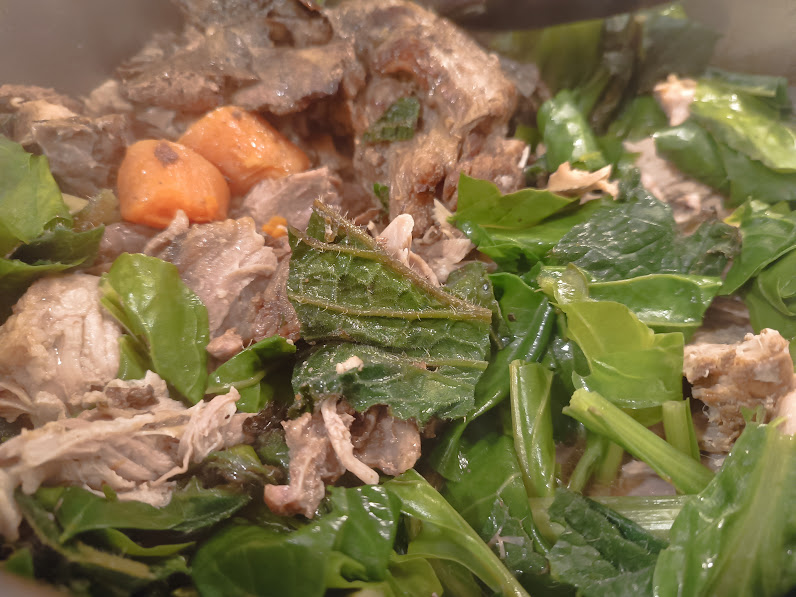
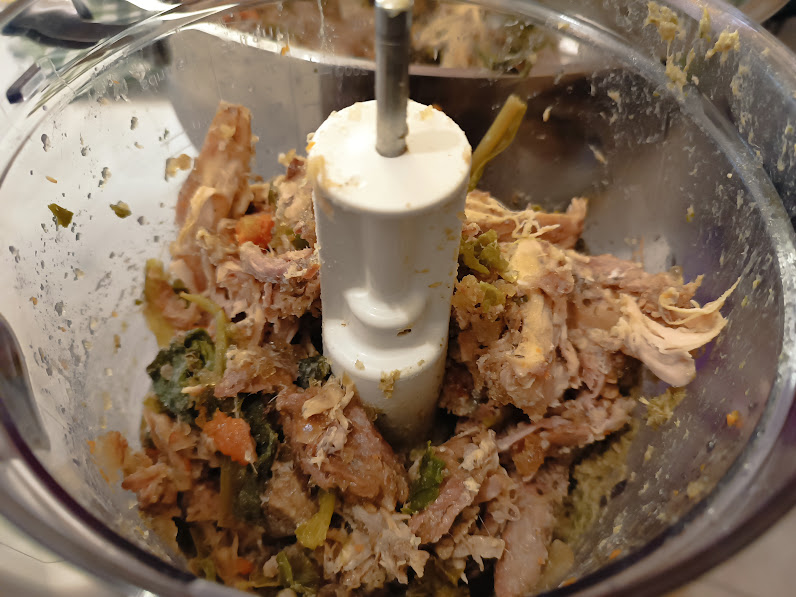
Grind or process all the meat with the vegetables into a fine mixture, but not too fine
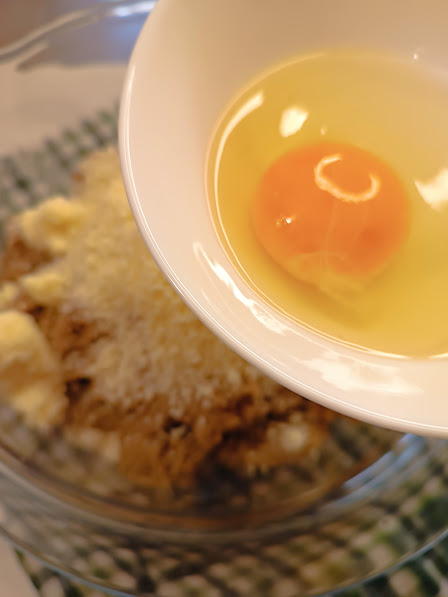
Then add the cheese and eggs, if you need to soften, otherwise you can do without
The filling is ready, cover it until use and store in the fridge

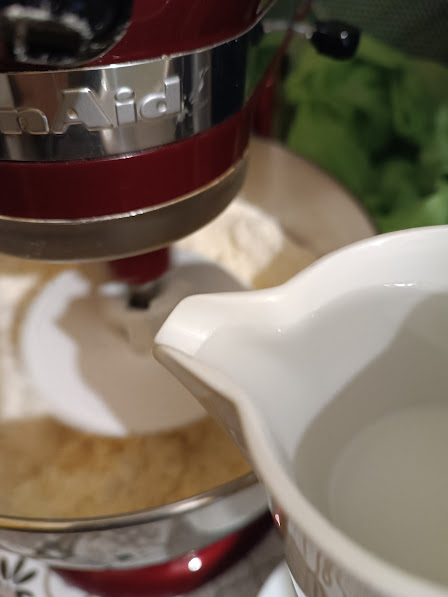
Knead the flour with the eggs and a little water, about half a glass, and roll out with the machine. Naturally, you can also roll the dough by hand, it takes more time, I do it when I prepare very little pasta because I like it and it relaxes me. The final dough should be very thin.
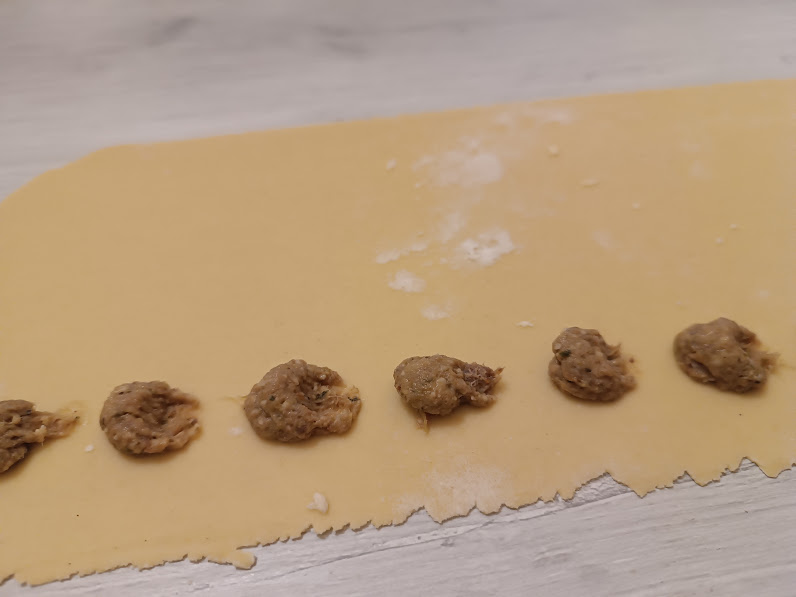
Place the filling at an equal distance, about a 1/2 inch between one tuft and the other…If the filling is soft, you can use a piping bag.
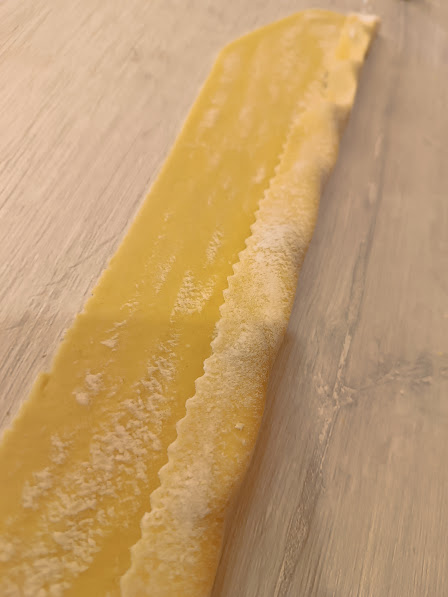
Fold the edge of the dough over the filling, as in the photo
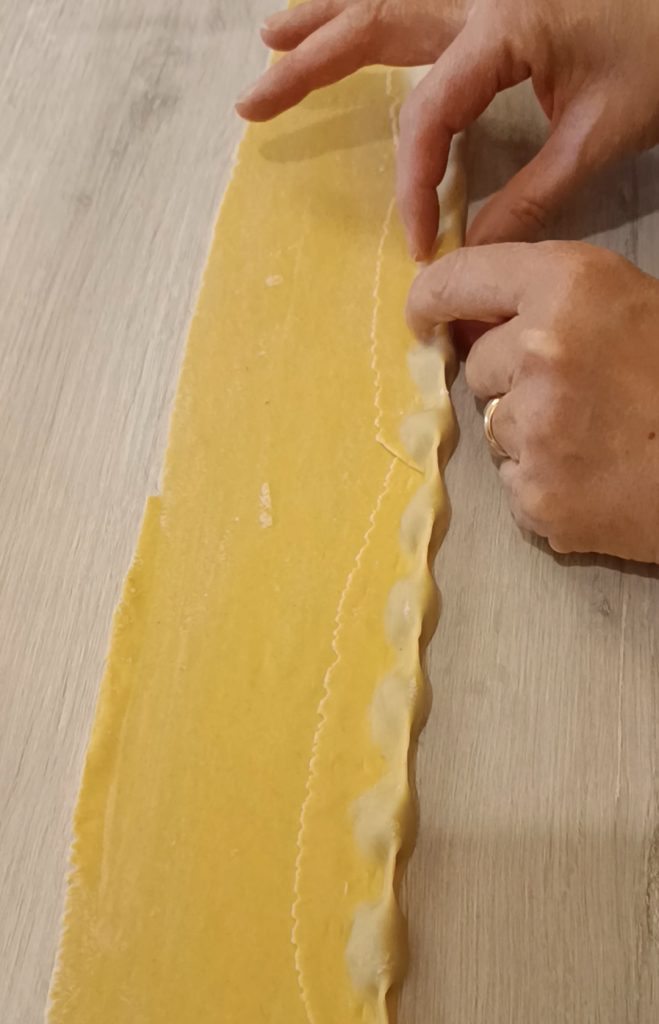
And pinch the empty pasta between the heaps of meat
Cut off the excess dough
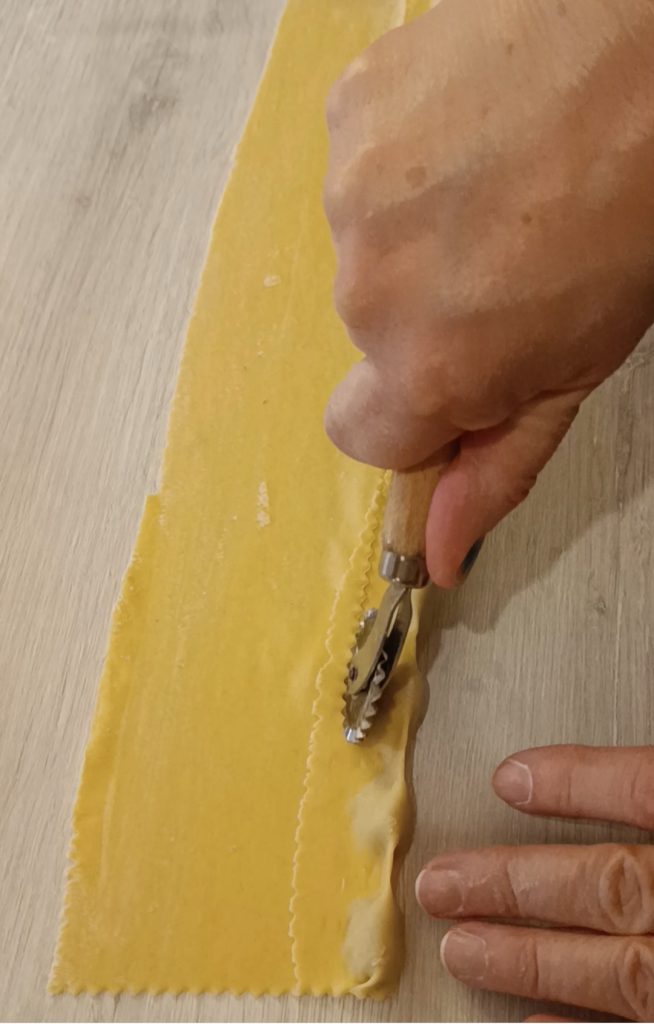
And then in each pinch given…
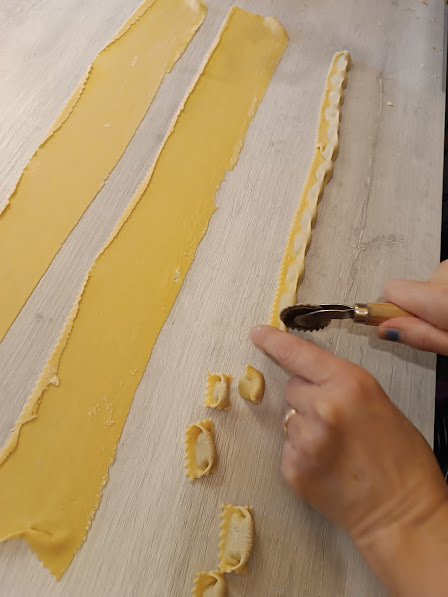
Continue like this until all the ingredients are used up
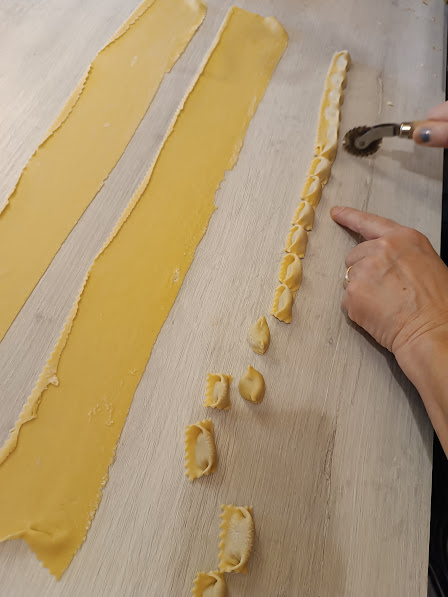
Finished ravioli…A satisfaction!
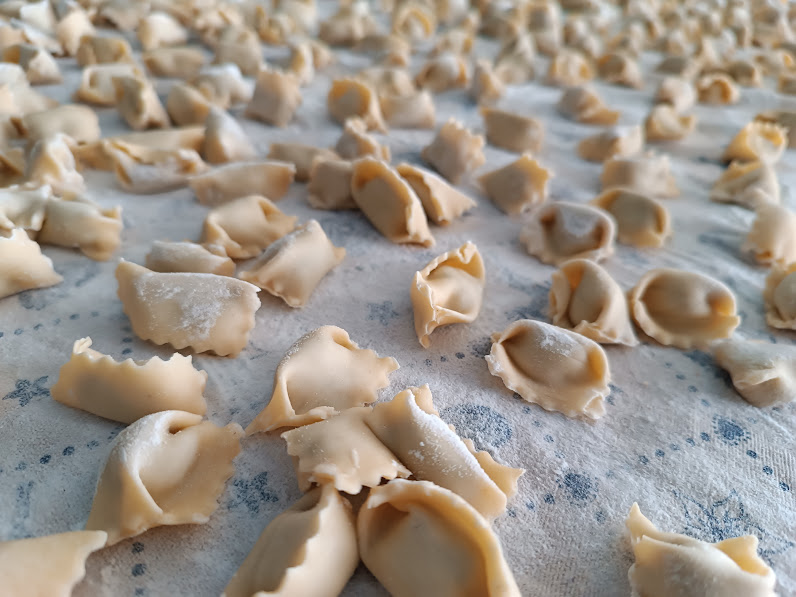
Store in the refrigerator or freezer, to help prevent the ravioli from sticking together, I recommend using rice flour, as it absorbs moisture better. A tip that applies to all fresh pasta. The preferred seasoning is…Without seasoning! Served on a linen napkin, or soaked in local red wine, roast sauce, butter and sage, ragù…And certainly a touch of truffle will give it top aroma!
