
Risotto recipe with Martiniana toma cheese and mushrooms
On a hot summer afternoon, we found ourselves on a break in Paesana, immersed in the green meadows of Pian Munè.
The clear sky and the scent of fresh grass enveloped us as we decided to venture towards new paths. With a bit of enthusiasm and curiosity, we headed to Sanfront to find the path that would take us to Balma Boves, a place that promised secrets and forgotten stories. After parking the car, we began climbing a path lined with ancient hazelnuts and chestnuts. Nature, with its protruding rocks, seemed to welcome us as the sun filtered through the tree branches. Finally reaching the village, our eyes opened wide to this characteristic settlement built under an imposing rocky overhang, an atmosphere that spoke of history and tradition. During this adventure, we were fortunate to gather some mushrooms, deciding to use them for lunch in a risotto.
with Martiniana toma cheese, a nearby town to Sanfront, so we decided to modify the recipe with the new ingredients. But our story continues below…
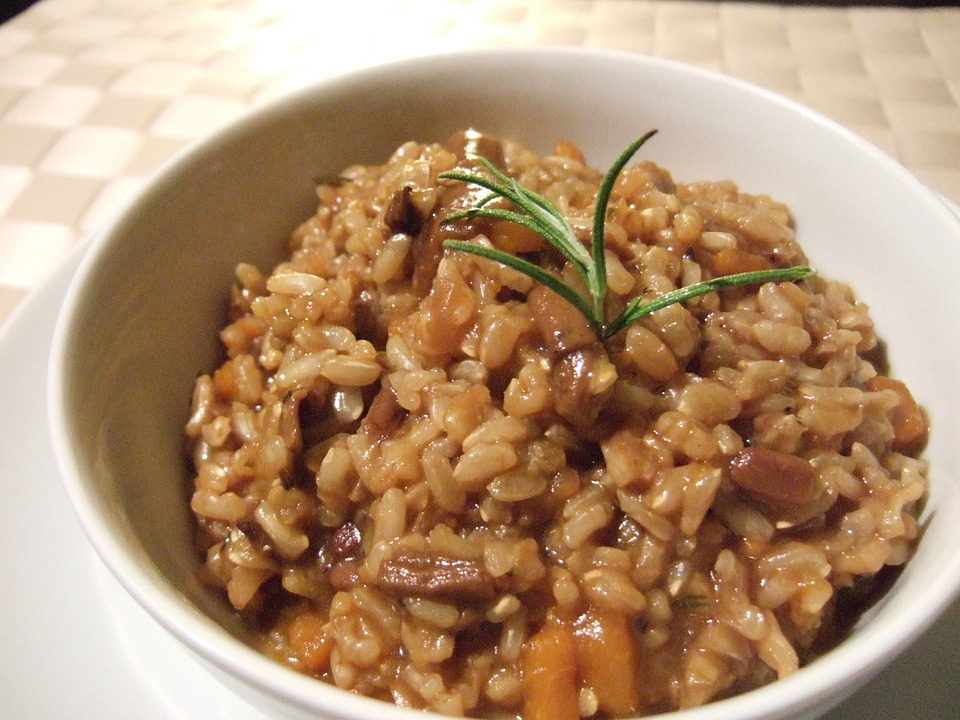
- Difficulty: Easy
- Cost: Cheap
- Preparation time: 15 Minutes
- Portions: 4
- Cooking methods: Stove
- Cuisine: Italian
- Seasonality: Autumn, Winter, All seasons
Ingredients
Rice, Martiniana toma cheese, porcini mushrooms…
- 1.5 cups Carnaroli rice
- 2 porcini mushrooms (Or 1.75 oz dried)
- 7 oz Piedmontese toma cheese (Martiniana toma, Cuneo)
- 1 pinch thyme (Freshly picked by us, but dried is also fine)
- leaves rosemary
- 8.5 cups vegetable broth
- to taste olive oil
- to taste salt
Tools
A pot for the vegetable broth, a pan for the risotto, plates for serving
Steps
In just a few minutes, a risotto that smells delicious
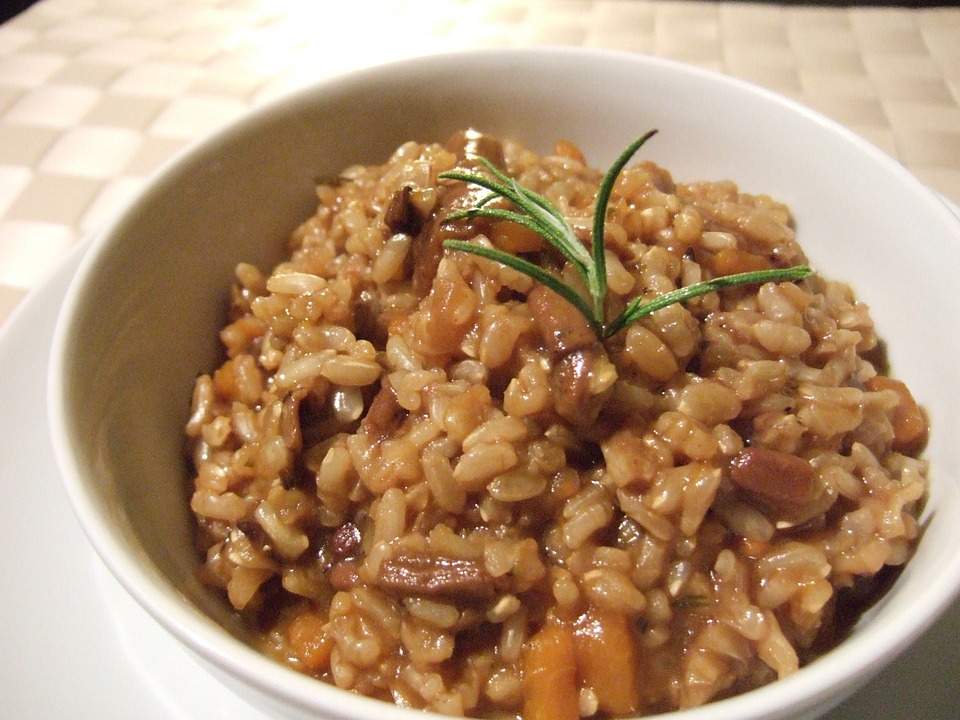
The first step is to clean the mushrooms; then cut them into small pieces.
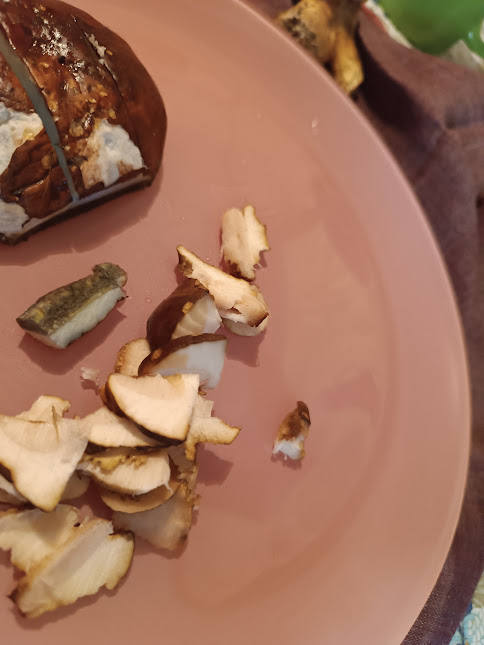
In a saucepan, sauté the mushrooms with small sprigs of thyme, which you’ll remove later, then add the rice, toast it well, and…
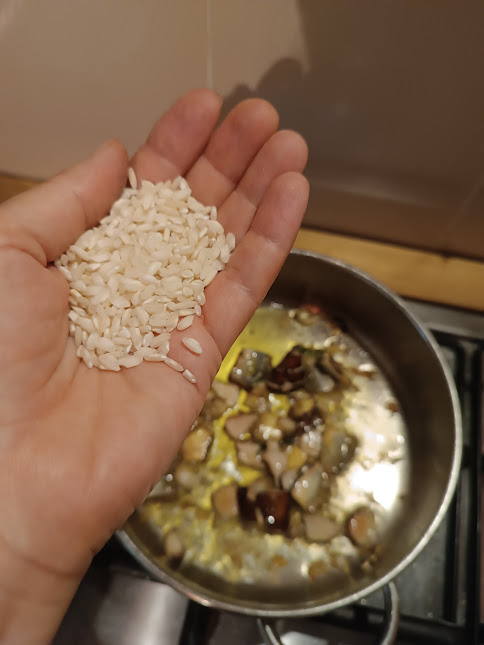
Add the vegetable broth, adjust the salt, and continue cooking, taking care not to let it stick to the bottom.
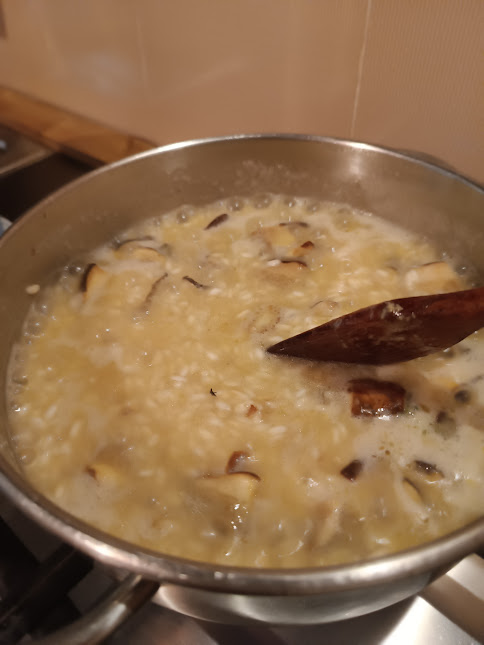
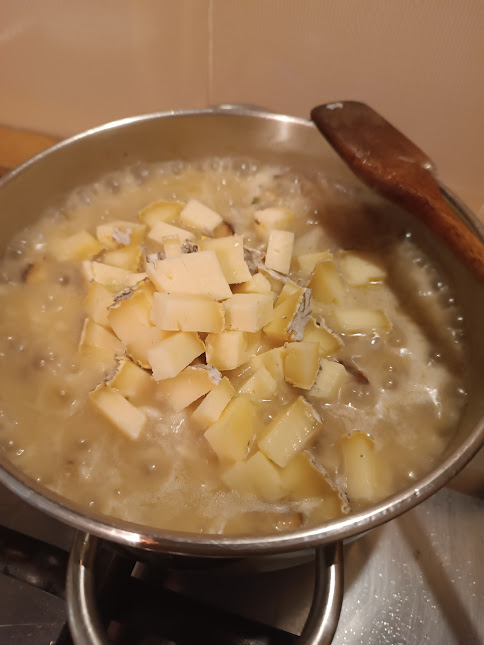
In the meantime, cut the toma cheese into small pieces; I chose to leave the slightly bloomed rind to give the risotto an additional woodland note, which paired well with the mushrooms and thyme. Add the toma at the end of cooking, keeping the risotto not too creamy.
Serve it with a few rosemary leaves for an extra aromatic boost. Some might wrinkle their nose at the mention of cheese and mushrooms, but I find some combinations worth trying! My love for the mountains is something I find and express even in cooking!
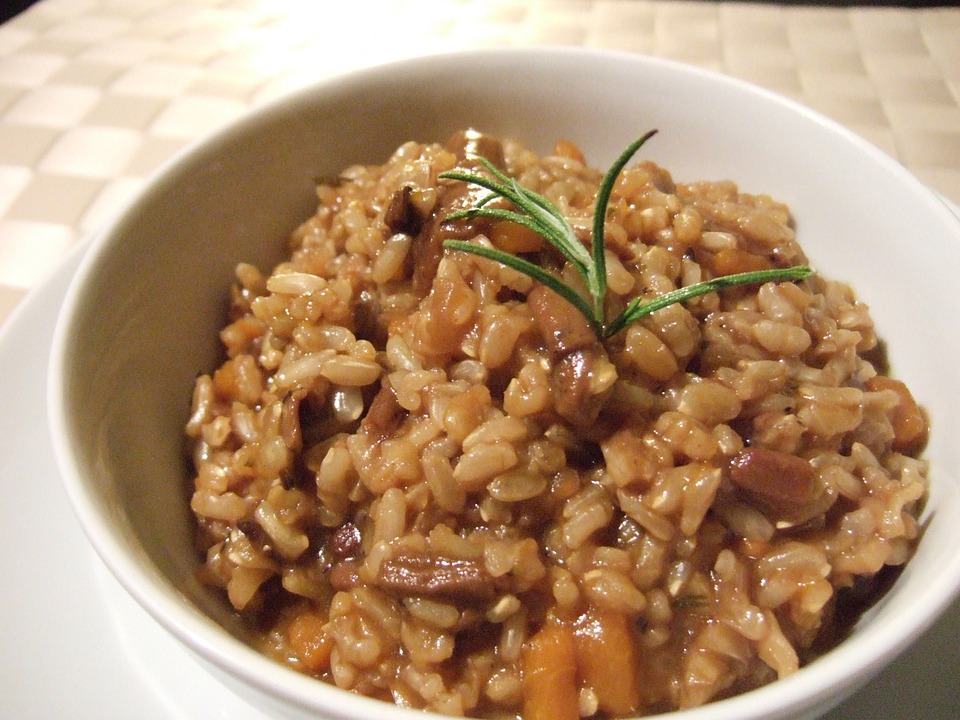
Naturally, the risotto keeps well until the next day in the refrigerator without losing its fragrance; I suggest turning it into a savory pie with puff pastry crust or small breaded and fried rice balls! Give it a try!
FAQ
…Entering the renovated ecomuseum, we discovered the secret of the ancient inhabitants of Balma Boves: an unbreakable bond with nature. Every corner of the museum told stories of self-sufficiency, wise care, and use of natural resources. The fountains built with wooden channels, ancient tools, and an old bread oven testified to the rural civilization of those times, reviving in us a sense of wonder and respect for rural life.
Walking through the museum’s rooms and stalls, we felt the echo of those who once inhabited that place, their connection with the mountain and the Earth. Each step brought us closer to understanding the value of that life, which knew how to harmonize with the surrounding environment, creating a perfect balance. On the way back along the path, the emotions and stories experienced accompanied us, leaving in our hearts a desire to preserve and respect the nature that surrounds us.
