
Tuscan Gnudi with herbs from my garden. Gnudi, a term derived from the Tuscan “nudi,” refers to the fact that they are made of just the filling from ravioli, without the outer pasta. Another way to call them, due to their irregular appearance, is “malfatti.”
The first traces date back to the mid-16th century, in the short catalog of “L’inventori delle cose che si mangiano e si bevono,” by Ortensio Lando, mentioning a Lombard peasant woman from Cernuschio, as the inventor of stripped ravioli. The Tuscans will name them “gnudi.” The humble cuisine at the service of tradition to use leftovers, particularly the filling of meatless ravioli, creating a new and tasty dish.
Gnudi are served with melted butter, a simple cheese sauce, or, tomato sauce.
Their soft and flavorful texture comes from a mixture of ricotta, spinach or wild herbs, eggs, cheese, and breadcrumbs.
Their roots trace back to the area of Grosseto and Siena, spreading to other areas of Tuscany like Casentino and Mugello, due to the easy availability of ingredients, which has favored their spread over time.
You might be interested in other first courses of historical memory and tradition.
- Difficulty: Easy
- Cost: Inexpensive
- Preparation time: 1 Hour
- Portions: 6
- Cooking methods: Stovetop
- Cuisine: Italian
- Seasonality: All Seasons
Ingredients
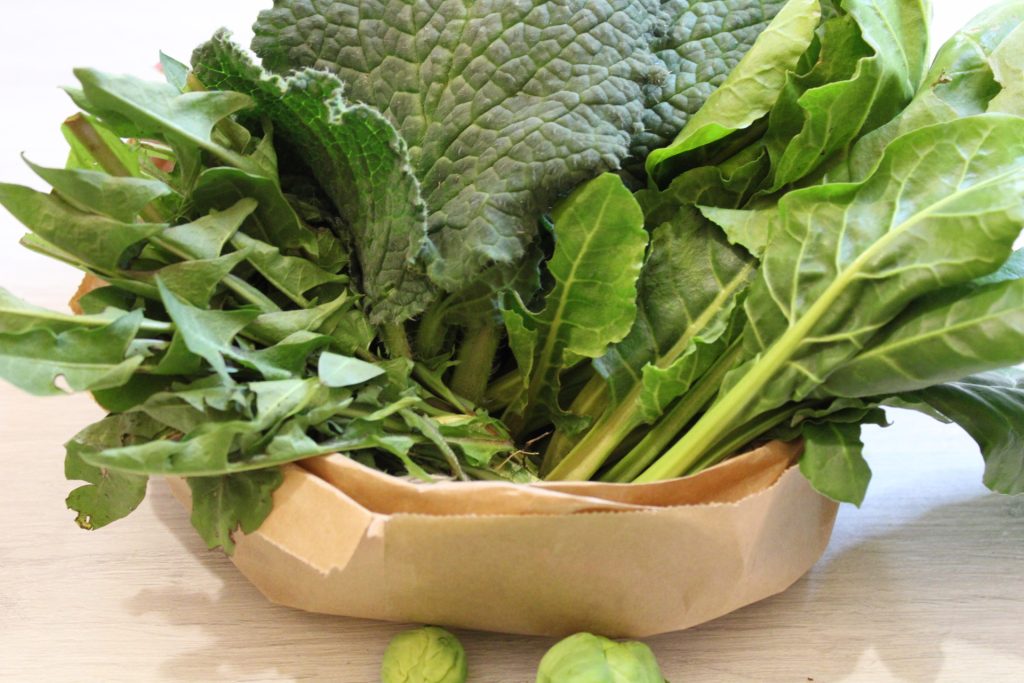
Wild herbs, ricotta, flour… You can also use spinach, but I prefer herbs because they create a more intense aromatic potential. I mainly gather them in my garden, where they grow undisturbed. In this case, I used, borage, dandelion, which grow wild, and the last leaves of the herbs, before the new sowing.
- 1 bunch borage
- 1 bunch dandelion
- 1 bunch chard
- 14 oz ricotta (Sheep's milk ricotta is excellent)
- 1 egg
- 2 cups flour
- 3.5 oz grated Parmesan cheese (For the gnudi, extra for seasoning. Pecorino pairs perfectly with gnudi. Your choice.)
- to taste pepper
- to taste nutmeg
- to taste salt
- to taste butter
- to taste vegetable broth (If you prefer meat broth, for cooking the gnudi)
Tools
A blender for the herbs, a bowl for mixing, a pot for blanching the vegetables, a pot for cooking the gnudi.
- Pots
- Bowls
- Blenders
Steps
I started from afar, in my garden, to pick fresh herbs.
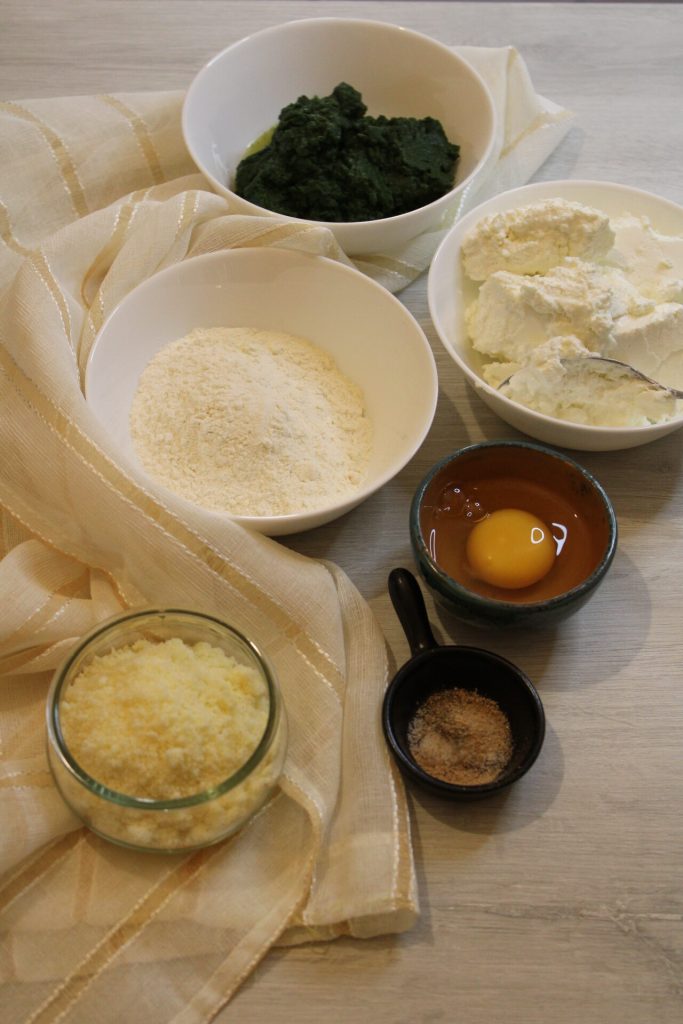
First, blanch the herbs or vegetables. Drain well and blend, combine with the rest of the ingredients in a large bowl: finely blended vegetables, flour, ricotta, egg, Parmesan or Pecorino, salt, pepper, nutmeg.
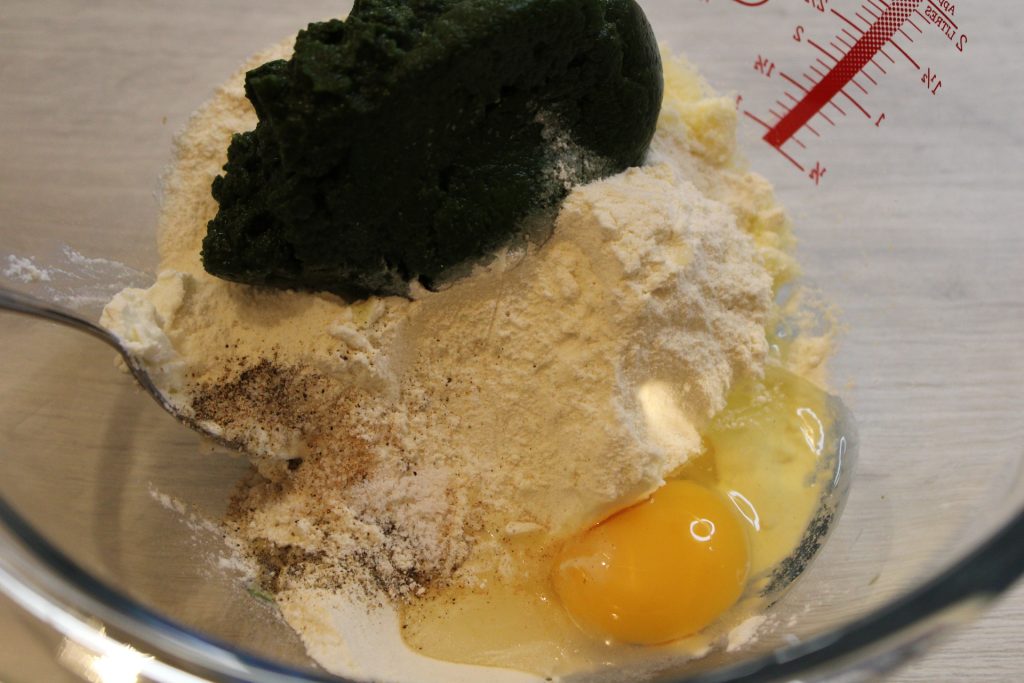
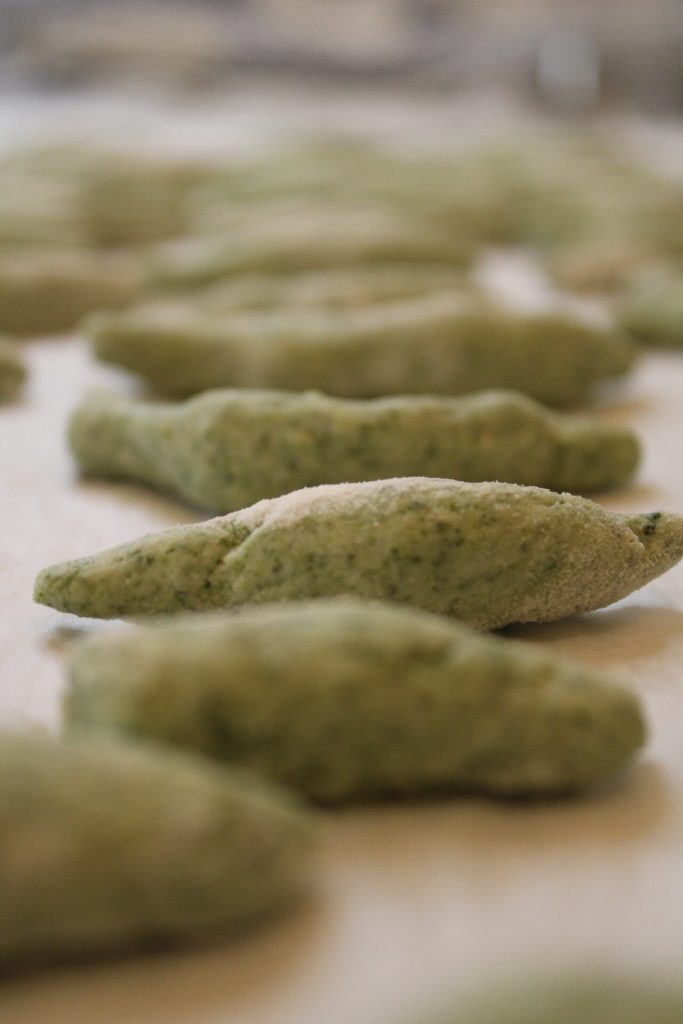
Mix well to obtain a dry and homogeneous mixture. Take a teaspoon at a time
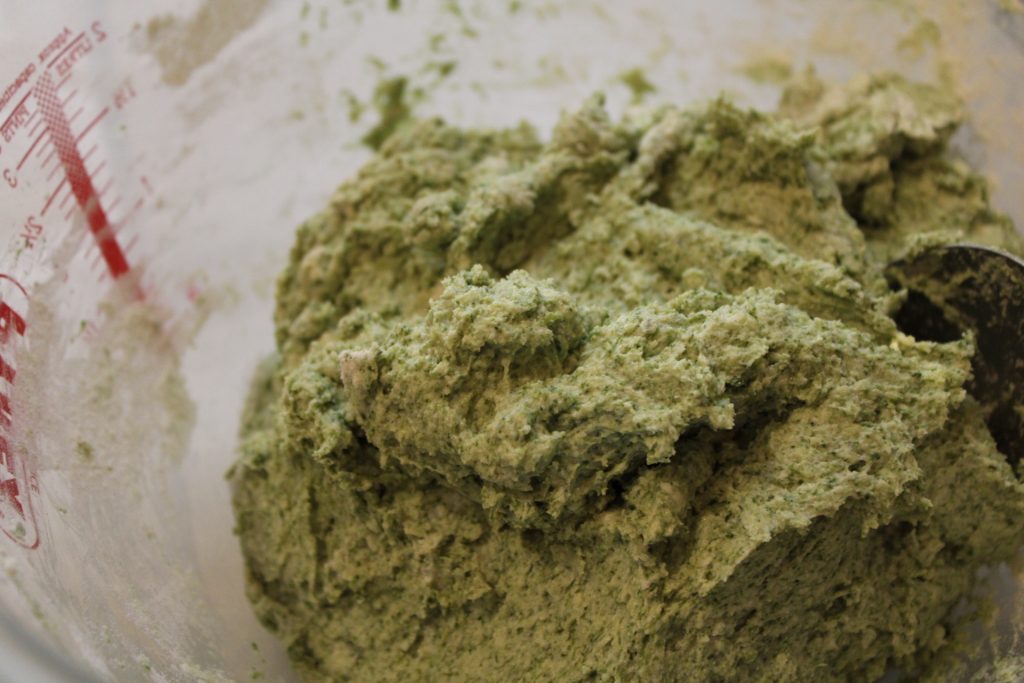
and shape the gnudi into elongated forms, until finished. Meanwhile, your vegetable broth is ready to…
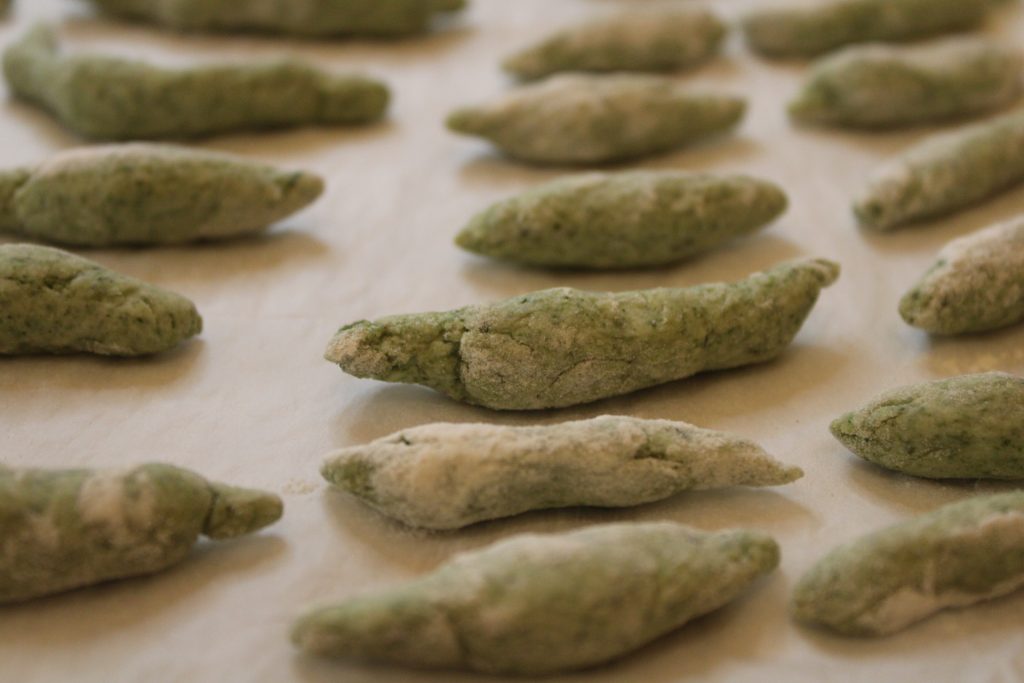
Cook the gnudi in boiling broth and drain as soon as they float. Transfer to a pan for seasoning and serve.
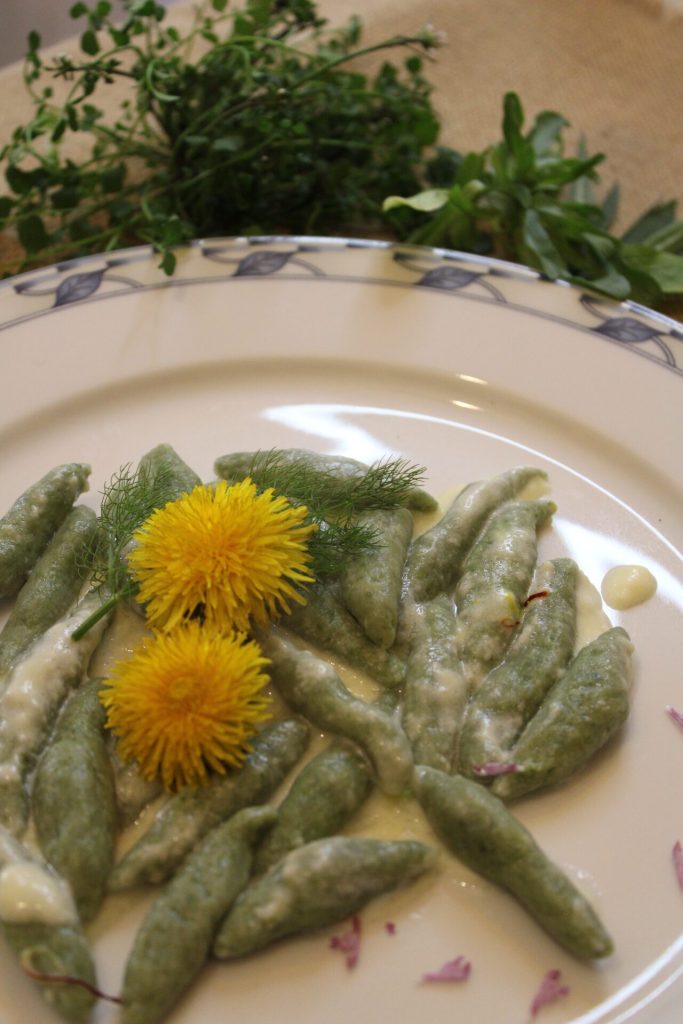
They will make a good impression: colorful, soft, rich in flavor. I guarantee they are delicious!
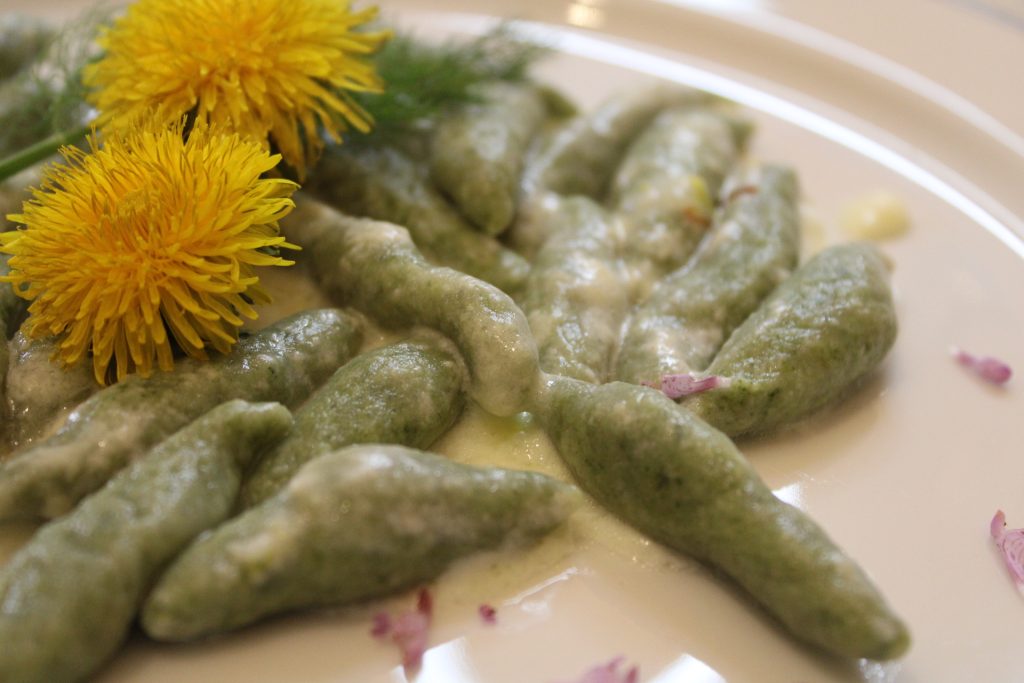
I added fresh flowers and saffron threads to the plate for a complete look.
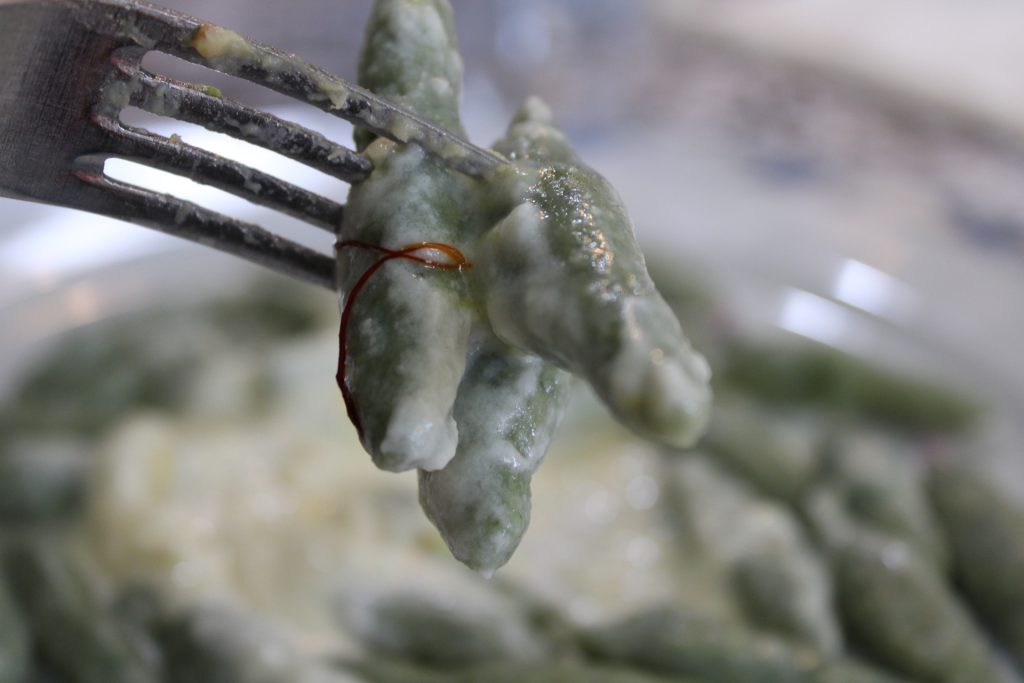
They can be stored in the refrigerator before cooking if made in advance. They can also be frozen. Once cooked, they keep in the fridge. They are also excellent fried for an aperitif. You can serve them with melted butter, or a light cheese sauce or fresh tomato.
FAQ (Questions and Answers)
Can I use gluten-free flour?
This dish can be made with gluten-free flour, without any problem.
I’m intolerant to borage, what can I replace it with?
Borage can easily be replaced with spinach or silene, if you want wild herbs.
