
Brunsli are traditional Swiss Christmas cookies, primarily from Basel, hence the name Basler Brunsli. They are a symbol of Basel but have gained fame beyond the cantonal borders, becoming the Swiss “national cookie”.
The name comes from the Basel dialect “bruun” = “brown”, referring to the dark color of the cookies, due to the cocoa, mixed with almonds and spices. Without flour, they are naturally gluten-free.
The first historical references date back to the 18th century: the first known recipe appears in 1750 in the cookbook “Das süsse Basel”.
The first written document describing a “Brunsli” dates back to 1725, on the occasion of a banquet for a pastor in Winterthur, where “five pounds of Brunsli” were served.
Over time, the recipe has undergone variations: in times of scarcity, part of the nuts was replaced with flour; in the past, glazing was also common, today less used.
Traditionally, they were not only sold at Christmas: they were also prepared for weddings and other celebrations.
The Brunsli belong to the culture of Swiss Christmas “Guetzli” together with other cookies like Lebkucken, Mailänderli, Zimtsterne, Läckerli…
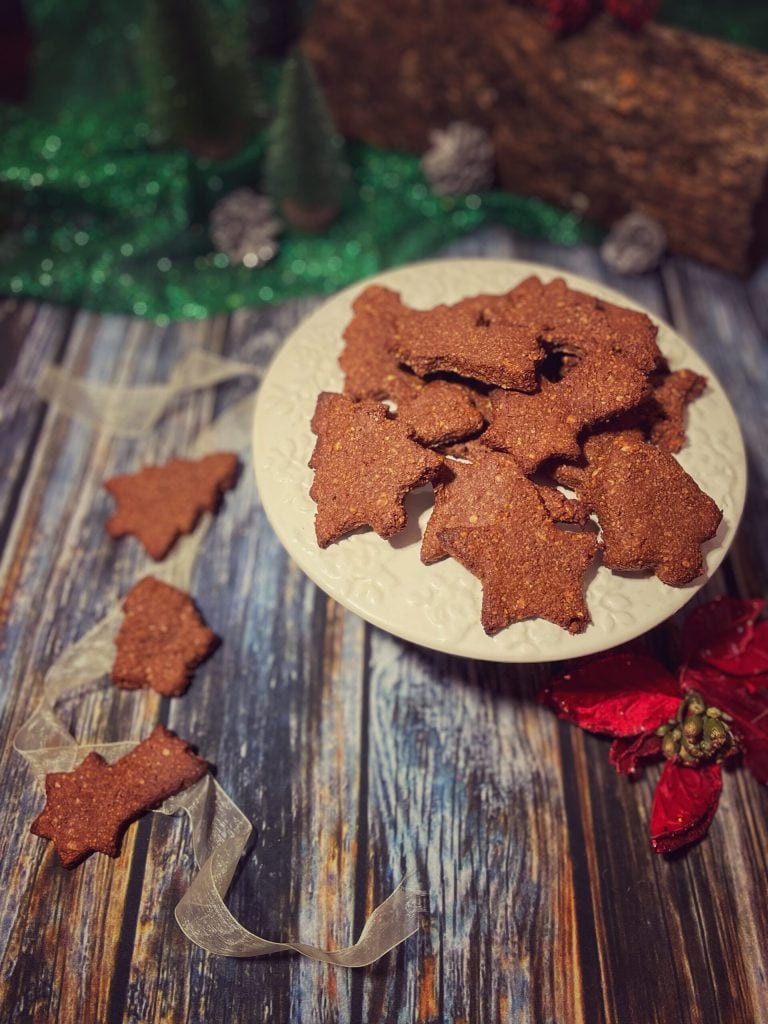
- Difficulty: Medium
- Cost: Cheap
- Rest time: 1 Hour
- Preparation time: 10 Minutes
- Portions: 25Pieces
- Cooking methods: Oven
- Cuisine: Swiss
- Seasonality: Christmas
Ingredients
- 9 oz almonds
- 3.5 oz sugar
- 0.5 oz unsweetened cocoa powder (or 1.75 oz dark chocolate shavings)
- to taste cinnamon powder
- to taste ground cloves
- 2 egg whites
- 2 tablespoons kirsch (or lemon juice)
- 1 pinch salt
Tools
- 1 Cookie Cutter Christmas-themed
Steps
Chop and mix almonds, sugar, salt, cocoa (or chocolate), and spices in a bowl.
Whip the egg whites to stiff peaks and fold them into the mixture, adding kirsch or water. Do not knead like a dough: you should get a soft and homogeneous mixture.
Form a disk with the dough, wrap it in plastic wrap, and let it rest in the refrigerator for at least 1 hour (or preferably overnight) to firm up.
Roll out the dough between two sheets of parchment paper or sugar, to a thickness of about 3/8 inch.
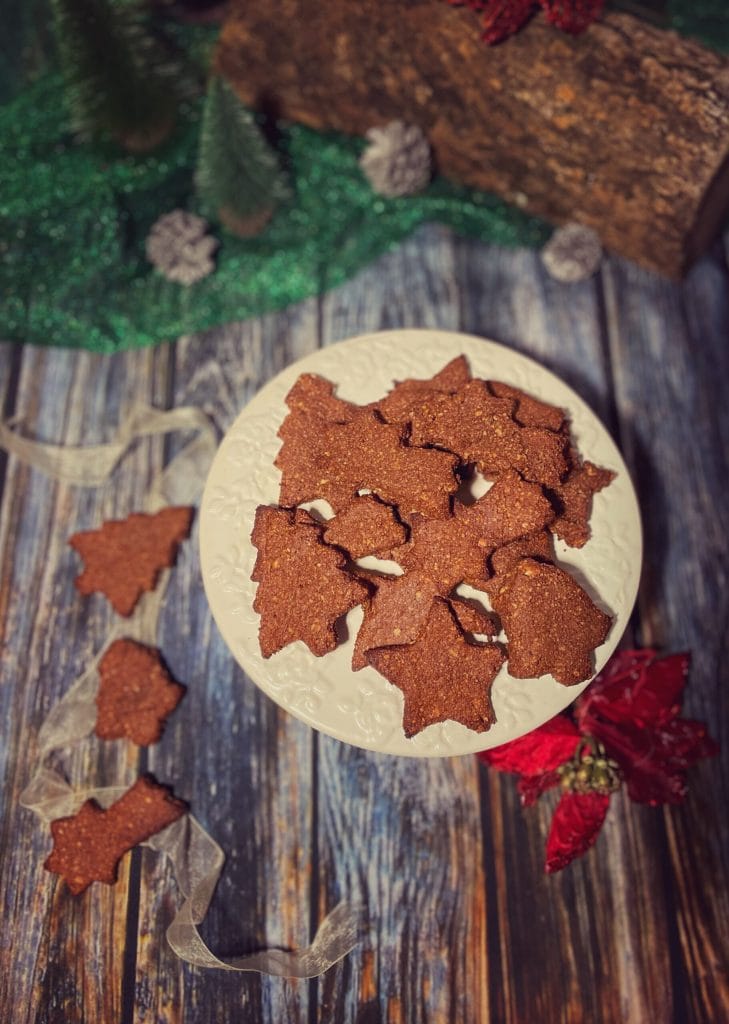
Cut the desired shapes (stars, hearts, lozenges, classic traditional figures).
FAQ (Frequently Asked Questions)
Brunsli and Basler Läckerli share Basel’s Christmas tradition, but what are the differences?
Yes, Brunsli and Basler Läckerli deeply share the Swiss Christmas tradition, especially in the Basel region, but not only.
Differences:
• Brunsli: soft cookies made with almonds, cocoa, and chocolate. They have a texture more similar to a pastry, with a more delicate spice profile. Homemade.
• Basler Läckerli: older, similar to a panforte or pain d’épices. Made with honey, candied peels, almonds, spices, and often glazed. Hard, compact, cut into pieces. Also commercially available.
What they have in common:
• Both are historic and iconic Christmas sweets of Basel.
• Both have a base of nuts and spices.
• They are prepared or gifted during the Christmas season, often in the same assortment of “Guetzli” (holiday cookies).
• Both originate in monastic or bourgeois settings and then spread among the population.
They are two sweet pillars of the Swiss German Christmas tradition, often found together on cookie trays or at Christmas markets.
