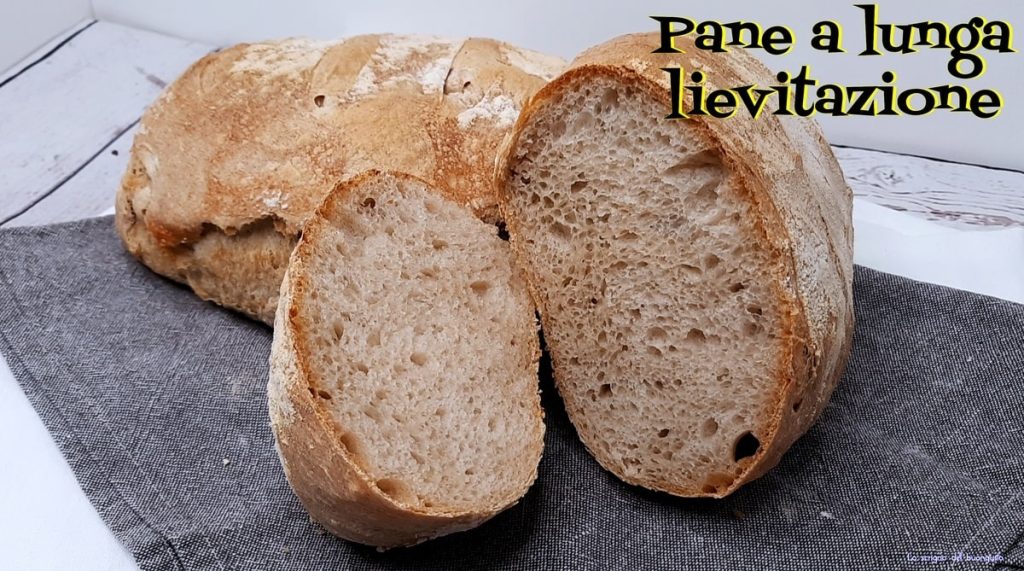
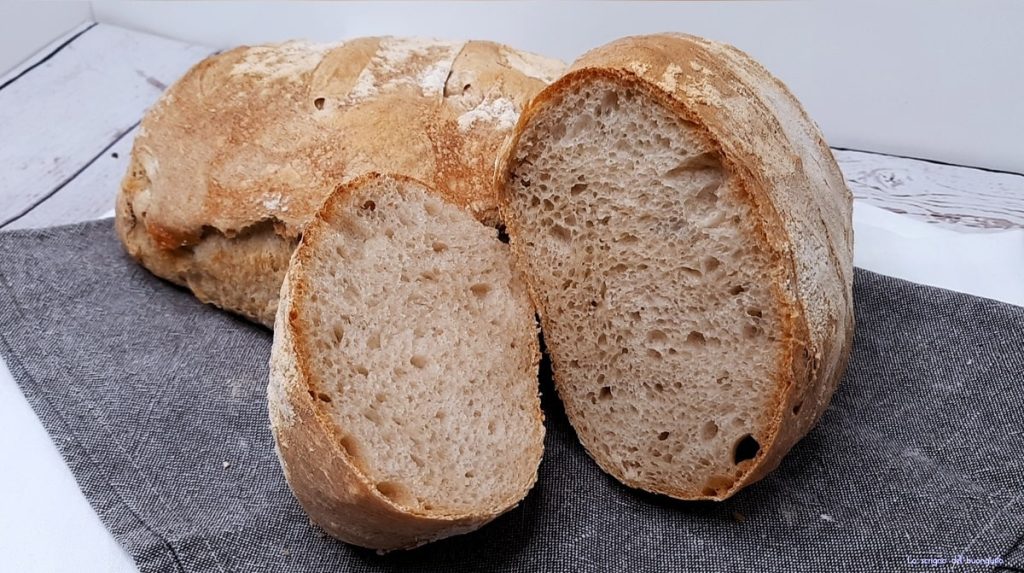
Long fermentation bread is something I prepare a bit less often than the various quick-fermentation breads you find on the blog, but it’s certainly a preparation to try every once in a while.
The “Long Fermentation Bread” is a type of bread that is left to rise for a longer period than traditional breads, so it’s important to calculate the start time to have the bread ready when you want it.
I recommend starting in the morning to have the bread baked by the afternoon of the next day.
This prolonged fermentation process allows for a lighter structure, a more pronounced flavor, and a crunchier crust.
This type of bread is often used in traditional Italian and French preparations, such as ciabatta, Tuscan bread, or baguette, which require extended rising times to achieve a unique texture and flavor.
A truly delicious bread, perfect with a nice spread of Nutella, or with salt and oil, what do you think?
If you make this recipe, or others from my blog, feel free to send me a photo of your creation, and if you like, I’ll post it on my Facebook page with your name.
Approx. 1000 kcal per loaf
- Difficulty: Easy
- Cost: Economical
- Rest time: 1 Day 1 Hour
- Preparation time: 25 Minutes
- Portions: 2 loaves
- Cooking methods: Electric Oven
- Cuisine: Italian
- Seasonality: All seasons
Ingredients for Making Long Fermentation Bread
- 4 cups type 1 flour
- 1 1/4 cups water (at room temperature or cold)
- 1 tsp fresh yeast
- biga
- 1/4 cup water (at room temperature)
- 2 tsp salt
- 1 tsp fresh yeast
- 1/8 cup type 1 flour (or "0" flour)
Tools
- 1 Baking Sheet Baking Sheet
Preparation of Long Fermentation Bread
I recommend starting in the morning to have the bread baked by the afternoon of the next day.
In a large bowl, put room-temperature water, flour, and yeast for the biga, and give it a quick stir to incorporate the water.
You will get a crumbly dough, I call it dough, but it has little to do with dough.
Cover it and place it in the fridge covered for 20-24 hours.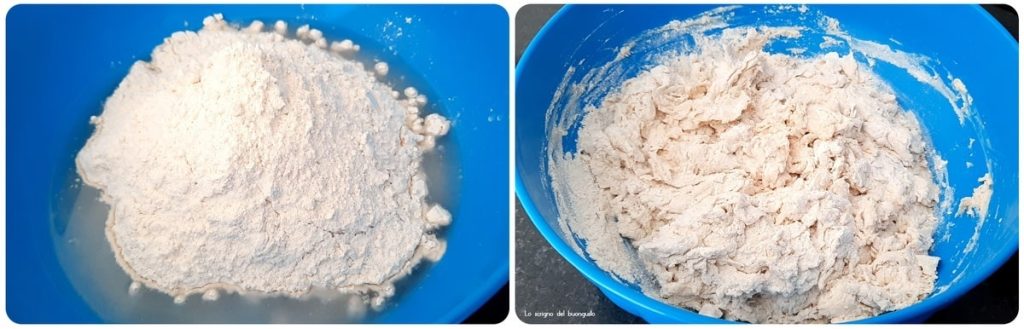
The next day, after at least 20 hours, transfer the biga to the mixer, add 1 tbsp of the 1/4 cup of water, and let the dough work until it forms a ball.
Add salt, mix well for 1 minute, then add the crumbled yeast, and while the mixer is running, add the remaining water slowly and let it work until the dough is well worked, it will take a few minutes.
If the dough heats up a bit, put the bowl with the dough in the freezer for 5 minutes, then take it out and continue kneading for a couple of minutes.
Finally, add the 1/8 cup of type 1 flour and knead the dough until you get a ball.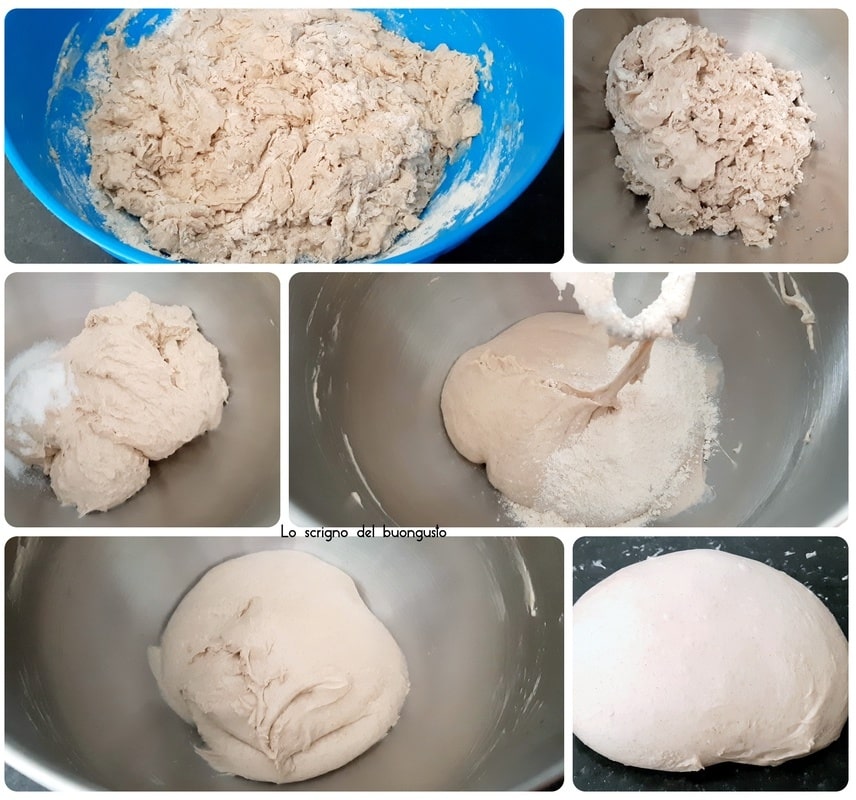
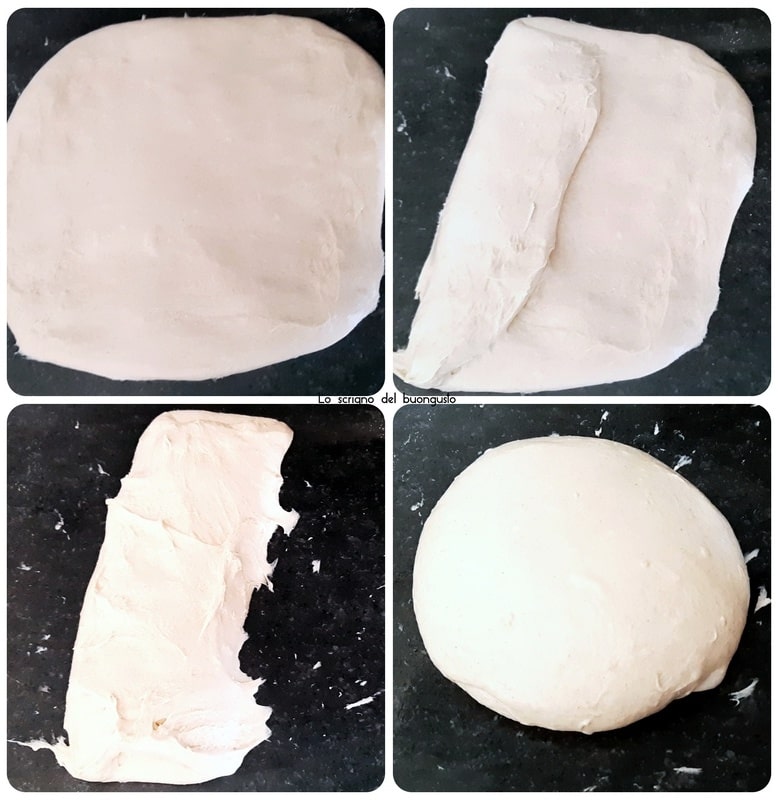
Once kneading is complete, remove the dough from the mixer, place it on a work surface, roll it out a bit, and fold it by folding one side to the middle and the other over it, to create a rectangle and then recreate a ball.
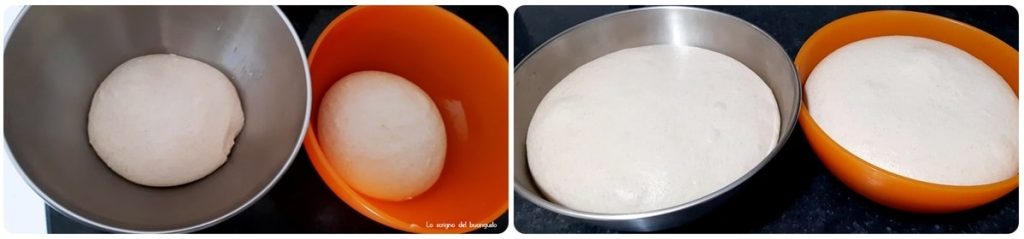
Place it to rise in an oiled dome-shaped bowl so it can double, oil the surface of the dough and cover with plastic wrap.
Once risen, transfer the bread to a work surface, roll it out a bit to get a rectangle, and roll it up like folding 3 rectangles.
After these folds, close the dough on the sides downwards and then recreate a slightly elongated ball…..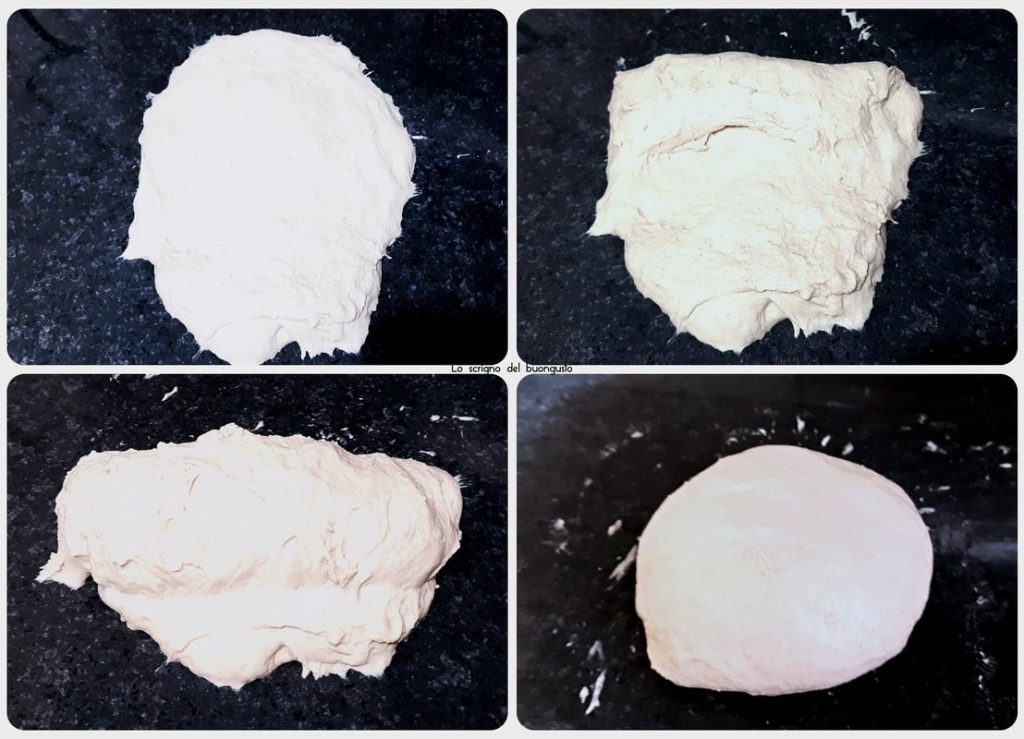
….place it on a baking tray, dust with flour, and let rest for at least 30 minutes.
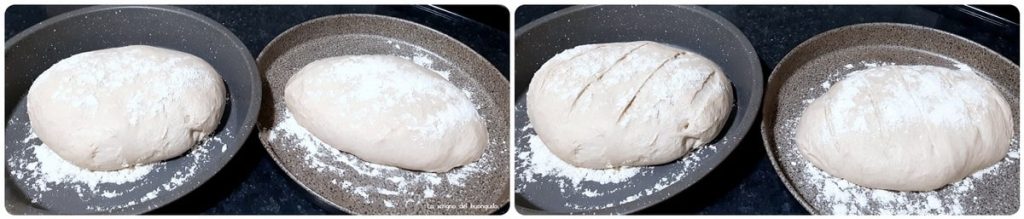
After resting, it should have risen at least a little, at this point, preheat the oven to 465°F (240°C) and once hot, bake the bread on the lower rack for about 10 minutes, then raise the rack to the second level of the oven and complete the baking for a total of 25-30 minutes while monitoring the baking.
Once our bread is fully baked, transfer it to a wire rack and let it cool well before cutting.