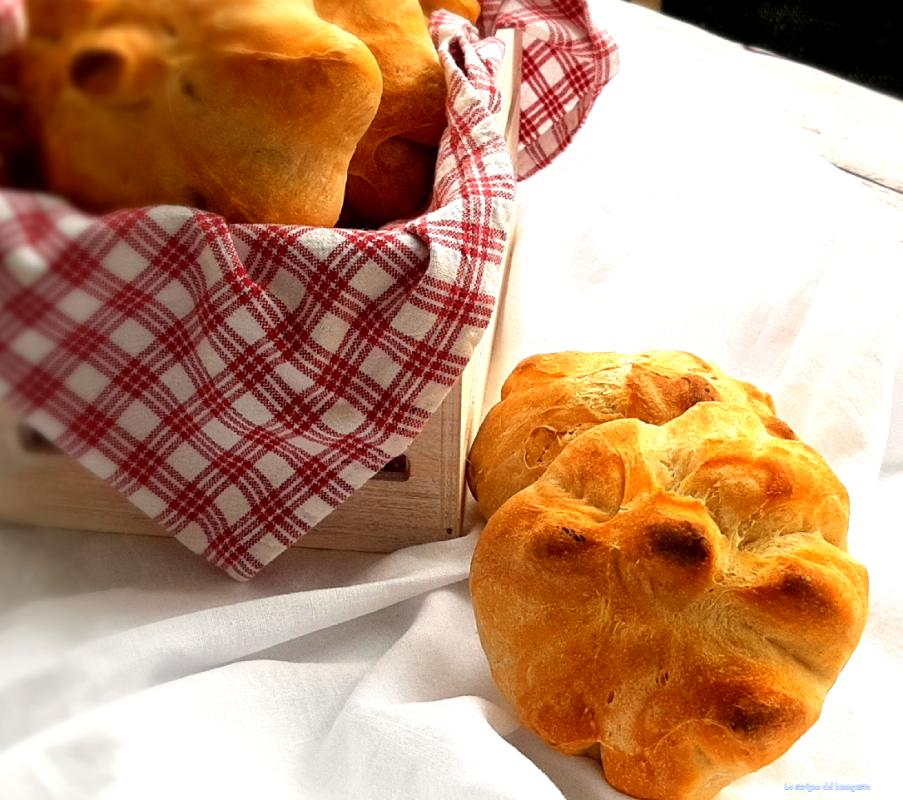
Roman rosetta bread is one of Rome’s historical breads like the ciriola, although in the latter case it is elongated and filled with crumb.
The rosetta is a bread slightly puffed and quite hollow inside, precisely to be filled with the classic mortadella or whatever we like most.
Typically, for processing, you can use the pasta machine to obtain the strips of dough to roll in the final processing, but alternatively, you can also easily do it with a rolling pin.
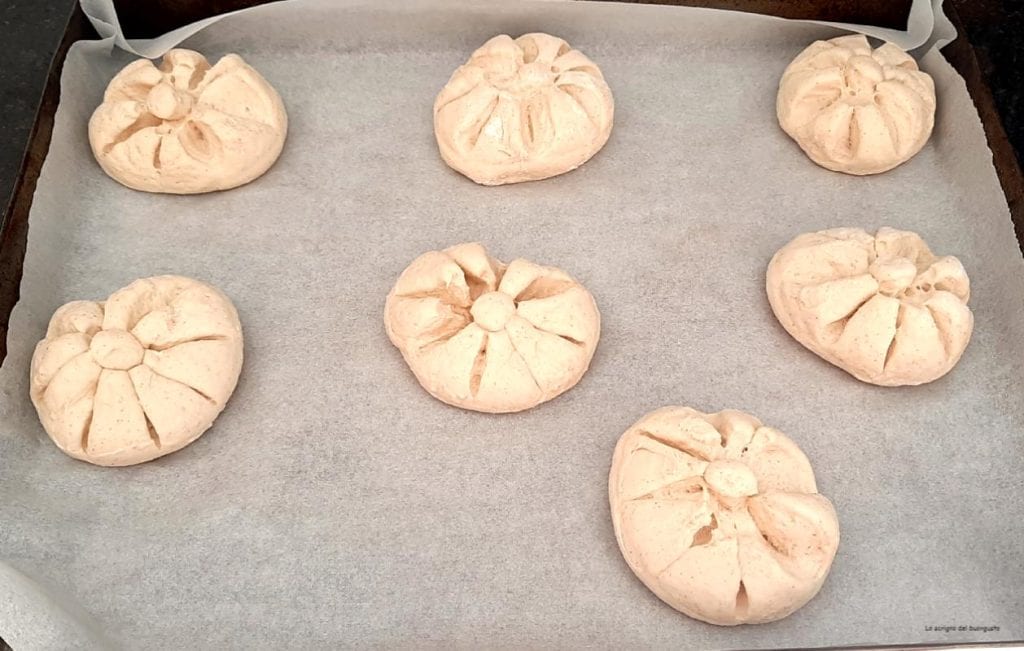
The second tool… you need an apple slicer to cut the bread to get the classic rosetta cut.
This bread, when hot, is definitely ‘its death’ as they say in Rome, but of course, it’s also good cold, only that true sandwich connoisseurs prefer it hot.
The rosetta, even if it identifies with the city of Rome, actually, the bread did not originate right there, but it seems that the bread originates from the typical Milanese michetta, but the use of the rosetta in Rome is so dated that the origins matter little given the use and association that has been done for years in this city.
If you make any of my recipes, send me the photos, and I will publish them on my page with your name.
Approximately 275 kcal per rosetta
- Difficulty: Easy
- Cost: Economical
- Rest time: 15 Hours
- Preparation time: 20 Minutes
- Portions: 15 rosettas
- Cooking methods: Electric oven
- Cuisine: Italian
- Seasonality: All seasons
Ingredients for making Roman Rosetta Bread
First dough
- 15.87 oz water
- 2.2 lbs flour w350 or Manitoba
- 1 tsp fresh brewer's yeast
- 4.23 oz water
- 0.18 oz fresh brewer's yeast
- 7.05 oz Manitoba flour
- 0.78 oz salt
- 0.35 oz malt
- 1 Mold cutting mold
Preparation of Roman Rosetta Bread
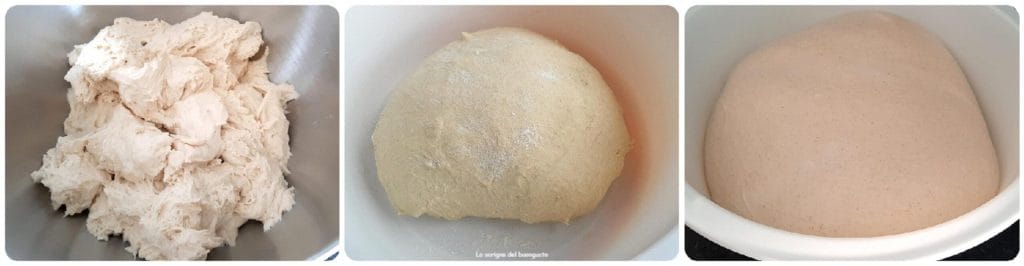
First, put 450 grams of water in a large bowl and the yeast, dissolve, then add the flour a little at a time and knead until you get a nice firm dough.
It will be a nice firm dough, but it must be so, knead it well, then leaving it in the bowl cover it with plastic wrap sealing well and let it rise first for one hour at room temperature, then put in the fridge for 12-15 hours.
After the time has passed, take it out of the fridge and let it stand at room temperature for about an hour, the time it takes to swell a little more if it has not continued to rise in the fridge.
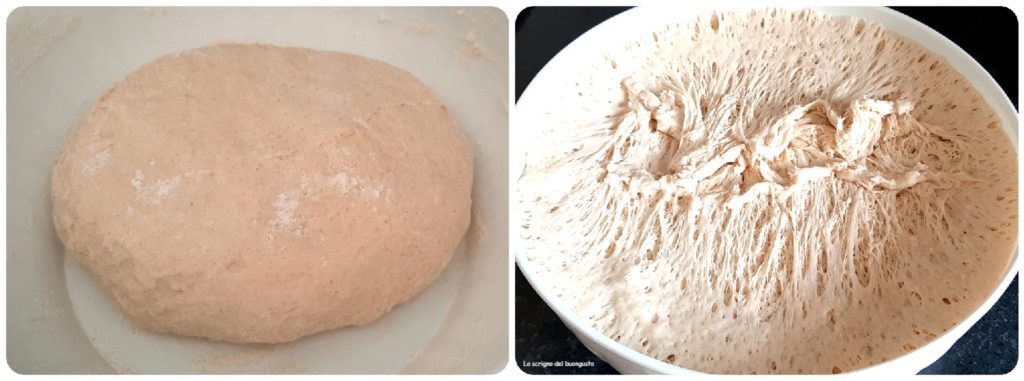
At this point, break the dough into all pieces and put it in the mixer, add the water indicated in the second dough, the yeast, and knead well, then add the salt, malt, and the remaining 200 grams of flour.
Knead well at low speed for a few minutes, then slightly increase the speed.
Once you have obtained a well-mixed dough, transfer it to a large bowl and let it rise for about 2 hours, or until it has nearly doubled.
For the flour, it will depend a lot on how it is absorbed by the water, so it may be that you need a little less.
Once the rise is obtained, transfer the dough to a work surface and recreate a ball, let it rest for 10 minutes and then divide it into all pieces of 100-105 grams each.
With each piece of dough, create thin but not too thin strips with a rolling pin, roll them up on themselves
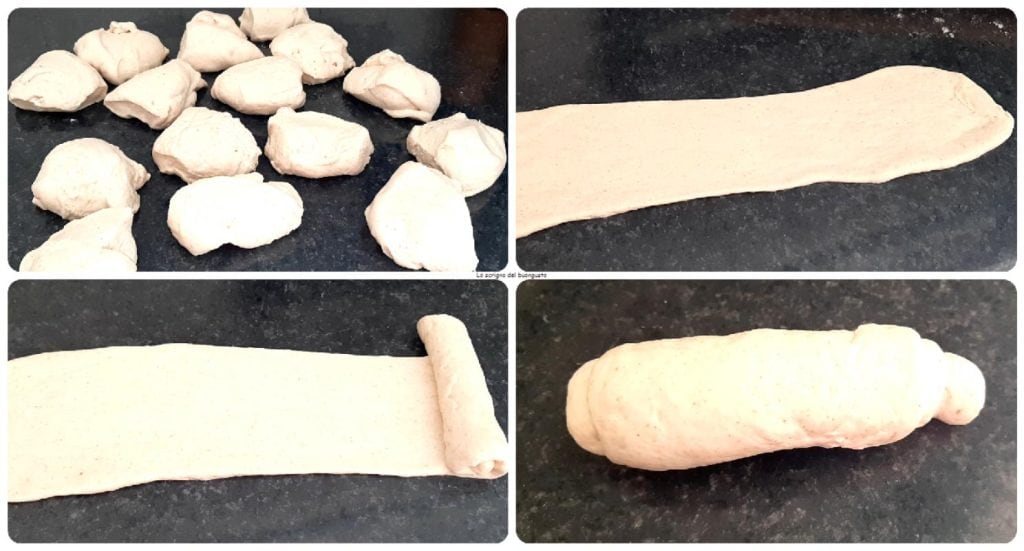
…..and then recreate a small ball.
Flour the small ball and cut it with an apple slicer being careful not to cut the dough too deeply.
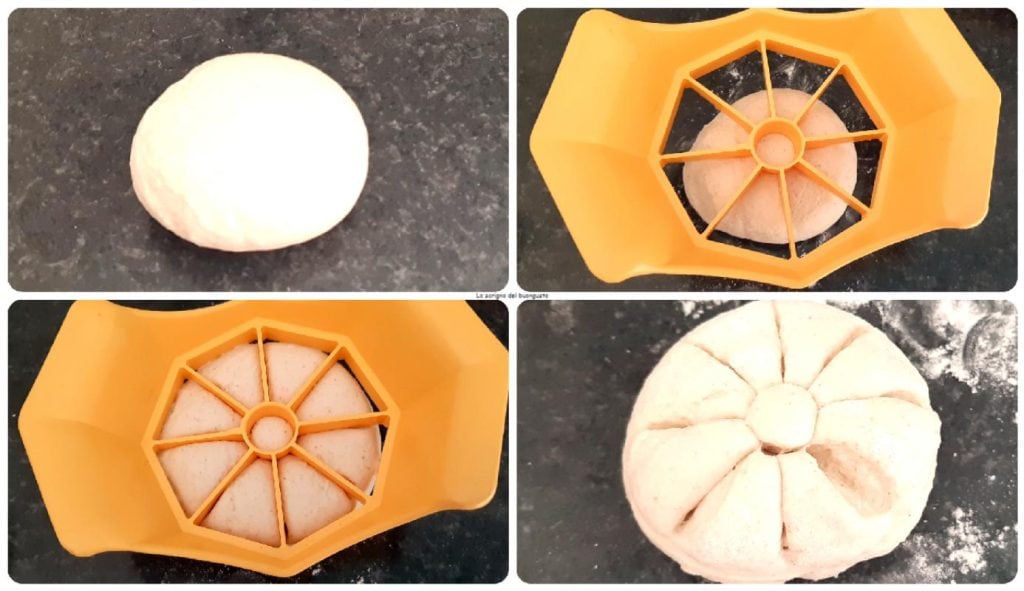
Cover a baking tray with parchment paper and place our rosettas on it and let them rise for about 45 minutes.