
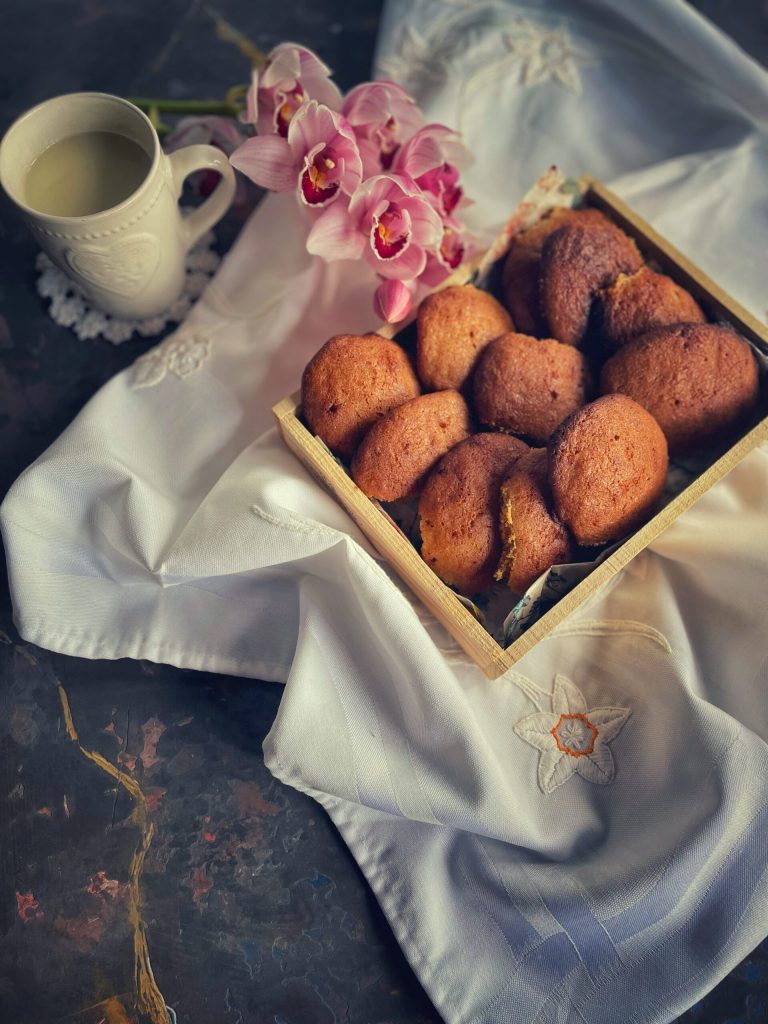
The Lucanian pastarelle are much more than a simple breakfast cookie: they are a piece of Basilicata’s history that smells like home and celebration.
In the past, during Lent, people followed a very strict diet (often without eggs and animal fats). Making pastarelle marked the return to “wealth”: the abundance of eggs in the dough was the way to celebrate the Resurrection and the end of the fast.
These iconic “large cookies”, famous for their incredible dunking ability, have roots in peasant culture and become absolute protagonists especially during the Easter period.
With the end of Lent, Lucanian kitchens were (and still are) filled with the sharp smell of baking ammonia, an unmistakable sign that gifts for relatives and friends were being prepared.
It was traditional to prepare large quantities of pastarelle during Holy Week to give to relatives, neighbors and especially the godparents (the “Santi”).
They were often packaged in straw paper bags or woven baskets, becoming the Easter gift par excellence among village families.
Although the classic shape is the elongated “large cookie”, at Easter it was common to shape the dough in more elaborate forms:
Braided: a symbol of unity.
In a circle (scarcelle): evoking the crown of thorns or the cycle of life.
With a hard-boiled egg: in some areas, a hard-boiled egg was embedded on top of the pastarella and held in place by two intersecting strips of dough, a symbol of rebirth.
The simplicity of old-fashioned ingredients — eggs, sugar and oil — lends itself perfectly to a gluten-free version.
In many Lucanian towns, Easter morning breakfast is a true feast.
Alongside savory foods (like pizzola or salami), pastarelle are never missing: they were used to “cleanse” the palate and were often dunked in sweet wine or fresh milk.
- Difficulty: Medium
- Cost: Very inexpensive
- Rest time: 1 Hour
- Preparation time: 10 Minutes
- Cooking time: 20 Minutes
- Portions: 25 Pieces
- Cooking methods: Oven, Electric oven
- Cuisine: Italian
- Seasonality: Easter, Spring
Ingredients
- 2 1/3 cups rice flour
- 1 1/4 cups potato starch (gluten-free)
- 6 tbsp cornstarch (gluten-free)
- 1/2 teaspoon xanthan
- 3/4 cup granulated sugar (+ for brushing)
- 2 eggs
- 7 tbsp seed oil
- 2 tsp baker's ammonia
- 1/4 cup milk (+ for brushing)
Steps
Activation: Dissolve the baker’s ammonia in warm milk. You will see foam form: this is the sign that the leavening agent is ready to make your pastarelle wonderfully light.
The Dough: In a bowl, beat the eggs with the sugar, then add the oil. Gradually add the flours and the milk with the dissolved ammonia. Gluten-free dough will be slightly softer: do not add too much extra flour, but let it rest in the refrigerator for at least 1 hour wrapped in plastic film.
Shaping: Shape the dough into cylinders about 4 inches long. Cut into pieces about 2 3/4 to 4 inches each. For an Easter version, you can braid two together or shape them into small rings.If the dough is very soft (more like a thick batter), grandmothers would take a spoonful and drop it directly onto the baking sheet. In that case you get large, oval and slightly irregular cookies (often called “pasticciotti” in some areas).
The Final Touch: Roll only the top surface of the cookies in granulated sugar.
Baking: Bake at 356°F (conventional oven) for 15-20 minutes.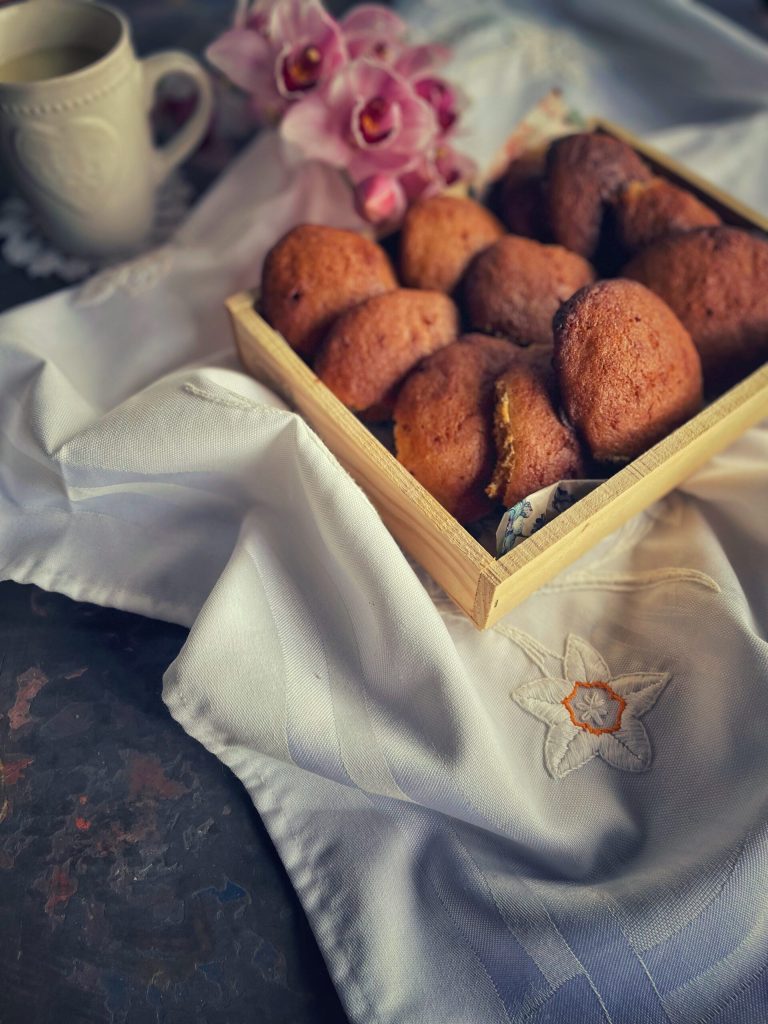
Tip:
Gluten-free pastarelle are more fragile just out of the oven. Let them cool completely on the baking sheet before moving them: they will firm up and be ready for the grand Easter dunking ritual!
FAQ (Questions & Answers)
Do Lucanian Pastarelle recipes use lard or butter?
In the older, poorer everyday recipes, almost exclusively extra virgin olive oil (or seed oil for a more neutral taste) was used because it was readily available in the Lucanian countryside.
However:
Lard: was often used in the richer variants or specifically at Easter, because lard gives an incredible flakiness (even more than oil) and a more rustic taste. If you want to use it, replace the 7 tbsp (100 ml) of oil with about 80-90 g of lard.
Butter: is a more modern addition. It makes the cookie more fragrant and similar to a shortbread, but it takes away a bit of the characteristic “rustic” and light texture typical of dunking pastarelle.
