
Pumpkin Pesto: The Creamy and Quick Autumn Recipe
Autumn has a special flavor, and if we could capture it in a jar, it would undoubtedly be this Pumpkin Pesto.
It’s the ingredient that transforms a classic into something unexpected.
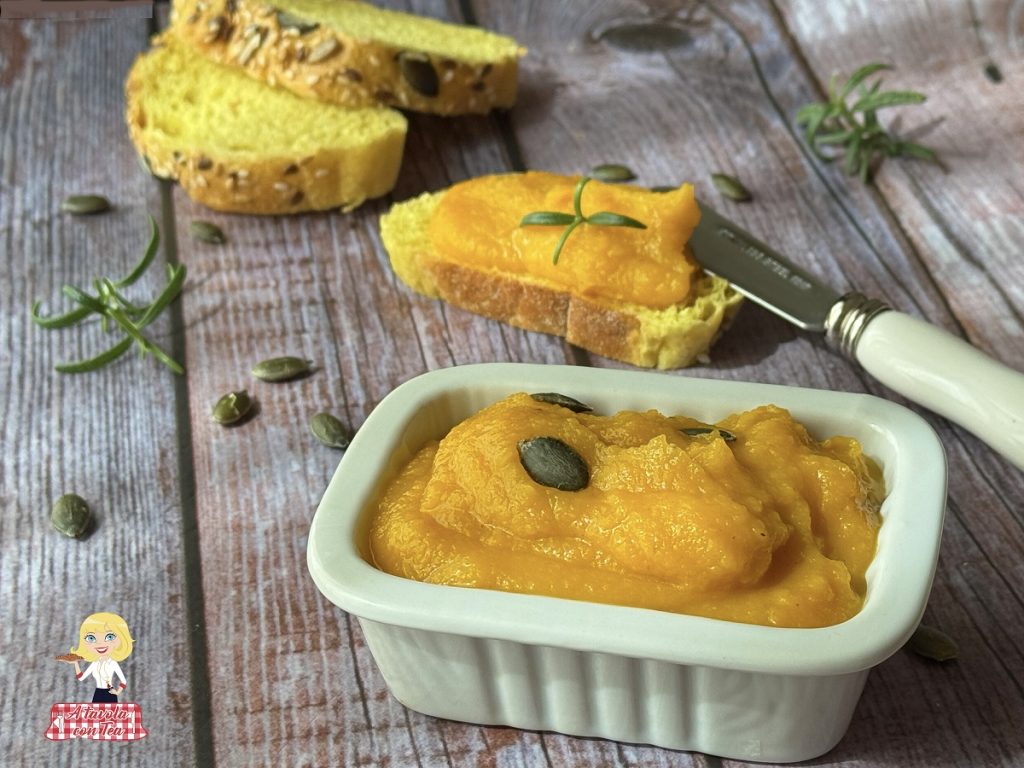
This is a versatile recipe, and I often use it as a filling for savory pies or spread on crostini, perhaps with the addition of fresh cheese.
Often, the problem with vegetable-based pestos is that they end up too watery once blended, losing the creamy consistency needed to adhere well to pasta or crostini.
I’ll reveal the trick to solve this problem: the pumpkin must be cooked in a pan until it’s tender and falls apart, eliminating excess water, without boiling it in water.
This reduces moisture. Furthermore, the combination of nuts and grated cheese (the dry ingredients) in the blender helps to give structure to the final cream.
The sweetness of the pumpkin blends with the savory taste of the cheese and the crunchiness of the nuts. It is prepared in a flash, with a few steps and no stress.
It is the perfect solution to use that half pumpkin you have in the fridge.
- Difficulty: Very easy
- Cost: Very cheap
- Preparation time: 10 Minutes
- Portions: 4
- Cooking methods: Stove
- Cuisine: Italian
- Energy 280.54 (Kcal)
- Carbohydrates 5.19 (g) of which sugars 2.36 (g)
- Proteins 5.93 (g)
- Fat 27.14 (g) of which saturated 4.13 (g)of which unsaturated 1.10 (g)
- Fibers 0.93 (g)
- Sodium 148.54 (mg)
Indicative values for a portion of 75 g processed in an automated way starting from the nutritional information available on the CREA* and FoodData Central** databases. It is not food and / or nutritional advice.
* CREATES Food and Nutrition Research Center: https://www.crea.gov.it/alimenti-e-nutrizione https://www.alimentinutrizione.it ** U.S. Department of Agriculture, Agricultural Research Service. FoodData Central, 2019. https://fdc.nal.usda.gov
Pumpkin Pesto Ingredients
- 10.5 oz pumpkin (cubed)
- 2.8 oz walnuts
- 2.5 oz grated Parmesan cheese
- 1/2 clove garlic
- 1/3 cup extra virgin olive oil (+ as needed for cooking the pumpkin)
- to taste fine salt
- to taste water
Tools
- Food Scale
- Frying Pan
- Chopper
- Pasta Pot
Pumpkin Pesto Preparation
In a large pan, heat a drizzle of extra virgin olive oil. Add the pumpkin cubes and a pinch of salt. Cover with a lid, lower the heat and let it cook for about 7-8 minutes, or until the pumpkin is tender and falls apart easily. If necessary, add a splash of water to prevent it from sticking to the bottom.
While the pumpkin cools, put the walnuts, grated cheese, and chopped garlic in a chopper. Blend for a few moments until you get a coarse grind.
Add the cooked and cooled pumpkin, the 70 g of extra virgin olive oil, and another pinch of salt. Blend everything until you get a smooth and homogeneous cream. If you prefer a more rustic texture, you can blend for less time.
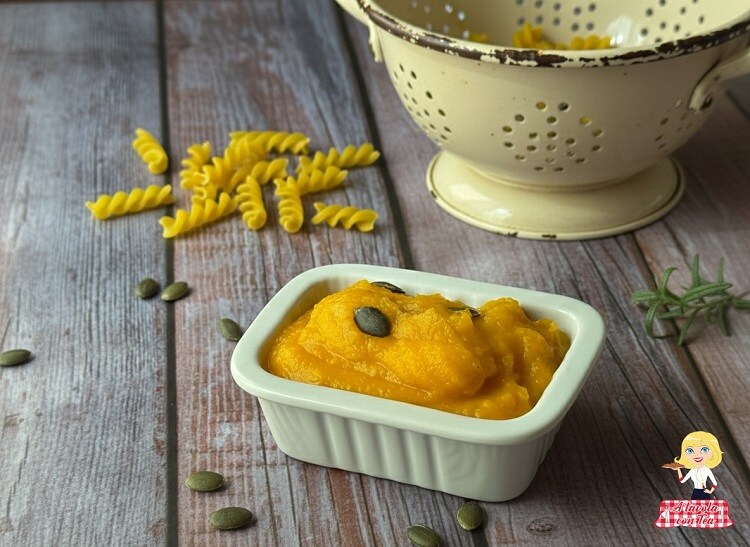
Drain the pasta al dente directly into the pan where you cooked the pumpkin. Add the pesto and a ladle of cooking water to make it even creamier. Mix everything well off the heat to combine the flavors.
Serve the pasta immediately and, for an extra crunchy touch, garnish each dish with some chopped walnuts.
Notes on Ingredients and Substitutions
Pumpkin: For this recipe, a sweet and mealy pumpkin like Delica, Butternut, or Mantovana is ideal. If you can’t find it, any variety will do, as long as it’s not too watery.
Walnuts: You can replace walnuts with almonds, cashews, or pine nuts to vary the flavor. Almonds will give a more delicate taste, while pine nuts will make the pesto more similar to the traditional Ligurian one.
Cheese: For a fully plant-based version, you can replace the grated cheese with 2 tablespoons of nutritional yeast flakes or a cashew-based vegan cheese.
Garlic: If you don’t like the strong flavor of raw garlic, you can blanch it for a few minutes or omit it altogether.
Storage
Pumpkin pesto keeps in the fridge for 3-4 days, sealed in an airtight jar and covered with a layer of extra virgin olive oil on top. It can also be frozen in ice cube trays or small glass jars. Once thawed, just add a little oil and stir.
Alternatives and Variations
Pumpkin and speck pesto: If you’re not vegetarian, try adding 50 g of crispy speck cubes at the end when you mix the pasta.
Pumpkin and sage: Add 4-5 fresh sage leaves to the chopper along with the pumpkin. It will give a unique and autumnal aroma and flavor.
Pumpkin and ricotta pesto: For an even creamier texture, you can add 50 g of fresh cow’s milk ricotta in the blender along with the pumpkin.
Pumpkin and hazelnuts: Replace walnuts with 2.8 oz of toasted hazelnuts for a more intense flavor.
Usage and Pairings
This pesto is a real “joker” in the kitchen. It’s perfect for dressing any type of pasta, both long and short, but it’s also fantastic for filling:
Bruschetta and crostini: Spread the pesto on slices of toasted bread and finish with some fresh rosemary.
Savory pies: Use it as a base for savory pies or quiches, perhaps paired with cheeses like smoked provola or scamorza.
Main courses: It can accompany a pork roast or a steamed chicken breast in an original way.
Origins and History of the Recipe
Pesto, in its most famous version, has roots in Ligurian tradition, but the idea of turning vegetables into a creamy sauce is not new. This particular recipe was created as a creative tribute to autumn and its most iconic flavors. It combines the versatility of pesto with the sweetness and warmth of pumpkin, a humble ingredient rich in history, used for centuries worldwide. This pesto, while not having ancient origins, represents the modern evolution of cuisine that adapts to the seasons and today’s speed and taste needs.
FAQ (Questions and Answers)
1. Can I use raw pumpkin for pesto?
No, for this recipe it’s essential to cook the pumpkin. Cooking makes it soft, sweet, and more digestible, essential elements for the creaminess and final flavor of the pesto.
2. Does the pesto oxidize and turn dark?
Oxidation is a natural process, but this pesto tends to remain a nice orange color. If you store it in the fridge, make sure to cover it well with a layer of extra virgin olive oil on the surface to preserve the color and taste.
3. How can I make the pesto lighter?
For a lighter version, you can reduce the amount of olive oil and replace part of the walnuts with a handful of toasted pumpkin seeds. Instead of cheese, you can use a vegan cheese or nutritional yeast flakes.
