
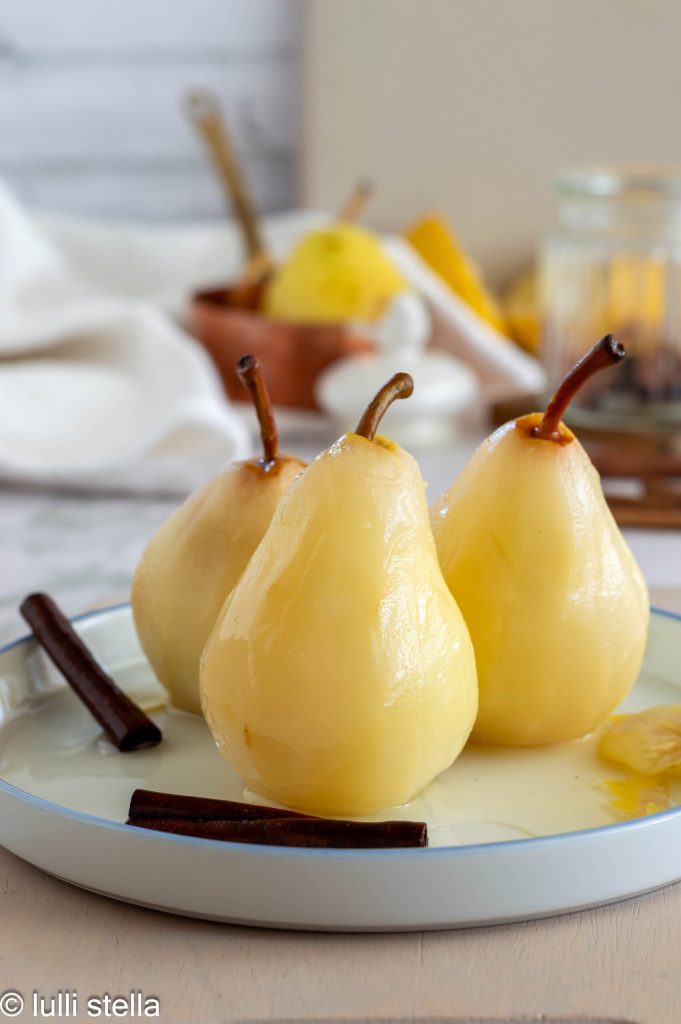
Low-temperature poached pears with an immersion circulator are an elegant dessert and surprisingly simple to prepare. Thanks to the sous-vide technique, the pears preserve all their natural aromas, sweetness and nutritional properties without losing texture or color.
This method allows you to obtain a uniform and controlled result, impossible to achieve with traditional oven or pan cooking. The immersion circulator keeps a constant temperature in the water bath, turning a simple fruit into a chef-worthy dessert.
Pears cooked this way pair well with many accompaniments: vanilla ice cream, whipped cream, light custards, melted chocolate, or fresh cheeses. They are perfect as an elegant dessert for special dinners, spring brunches, or as a light sweet after a hearty meal…
If you don’t want to miss new recipes, follow me on my FB page, on my IG profile and on my YouTube channel.
Discover other CBT recipes
- Difficulty: Very easy
- Cost: Very inexpensive
- Cooking methods: Other
- Cuisine: Italian
- Seasonality: Autumn, Winter and Spring
Ingredients
- 4 Williams pears
- 1 cinnamon stick
- 1/2 lemon (juice) — about 1 tbsp (0.5 fl oz)
Tools
- 1 Knife
- 1 Roner (immersion circulator)
- 1 Vacuum sealer
- 1 Vacuum bags
Steps
Peel the pears gently with a vegetable peeler.
Remove the core with a corer or a sharp knife, leaving the stem if possible.
Cut the pears in half or into quarters depending on the desired presentation, or leave them whole.Place the pears, the lemon juice and the cinnamon stick in the vacuum bag.
Remove the air and seal the bag well to prevent leaks.Set the immersion circulator to 149°F.
Immerse the bag in the water and cook for 40–50 minutes, checking the pears’ texture.
For riper or smaller pears, reduce the temperature to 144°F and the time to 35-40 minutes.Drain the pears from the cooking liquid and place them on serving plates.
You can reduce the cooking liquid in a small pan until it becomes a thick, aromatic syrup to pour over the pears.
Serve warm or cold, accompanied by vanilla ice cream, whipped cream, or fresh cheeses.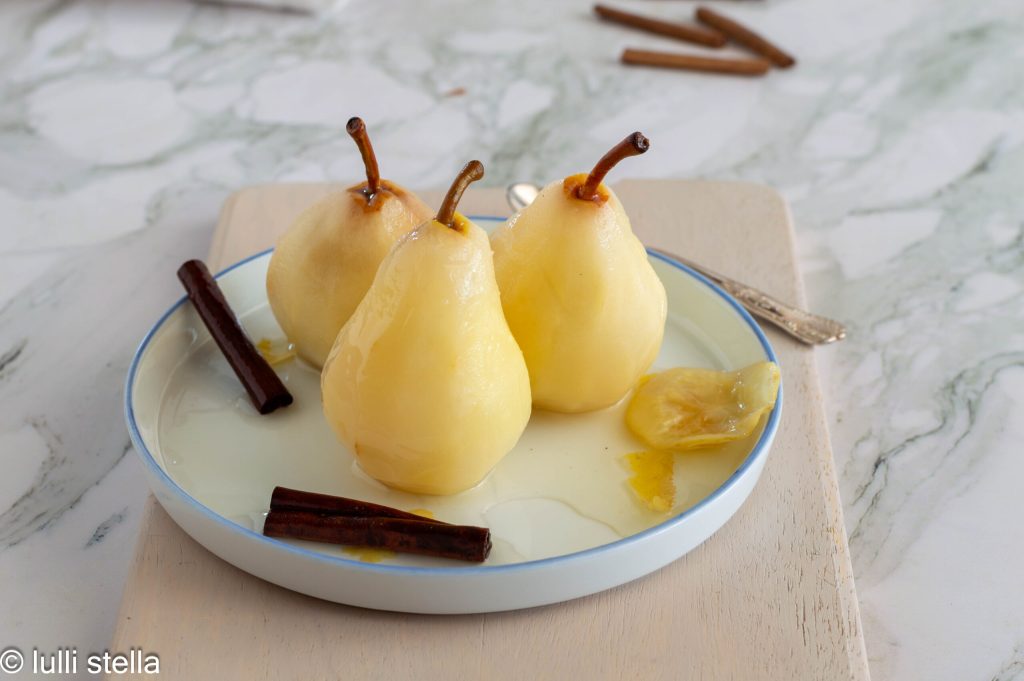
Tips for choosing pears:
Choose fruits that are firm but ripe, without bruises.
Williams and Abate are ideal because they keep their shape during cooking.
Overripe pears may fall apart even at low temperature.
Recipe variations
Vanilla, cloves, star anise or orange zest can be added to the bag for a more complex aroma.
Suggestions
Serve whole pears in small dessert glasses with reduced syrup and a crumble made from gluten-free cookies.
Pair them with dark chocolate mousse or light lemon pastry cream or vanilla sauce.
Do not cook the pears for too long: they should be tender but not falling apart.
Use food-grade bags that are heat-resistant and properly sealed.
Store any leftover syrup in the refrigerator: it is great for flavoring yogurt, pancakes or ice cream.
Benefits of low-temperature cooked pears
They preserve vitamins and minerals thanks to gentle cooking.
The natural fibers in pears aid digestion and increase a feeling of satiety.
They retain concentrated sweetness and aroma without adding sugars.
Ideal as a light dessert or for those who love natural and refined sweets.
FAQ (Questions and Answers)
Can I prepare the pears in advance?
Yes, they keep 2-3 days in the refrigerator, in their cooking liquid.
Can they be frozen?
Yes, once cooled and stored in vacuum bags. Gently reheat in a water bath before serving.
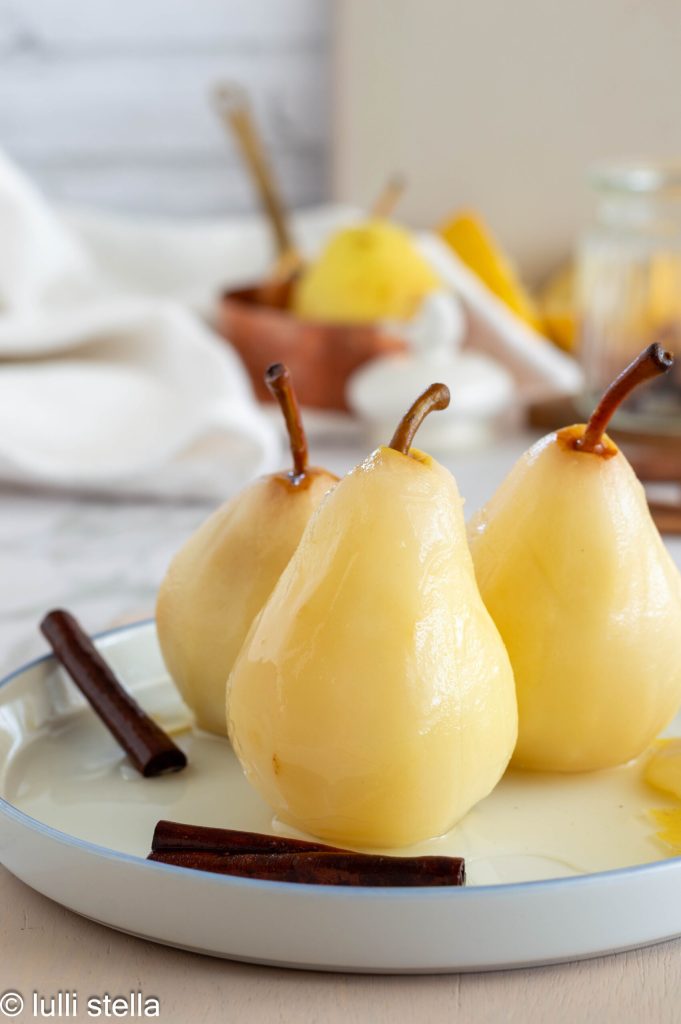
Low-temperature poached pears with an immersion circulator combine modern technique and simplicity, transforming an ordinary fruit into a chef-style dessert. Soft, juicy and aromatic, they are perfect to impress guests or to enjoy a light but elegant sweet at home.
