Mimosa cake with caramelized pineapple
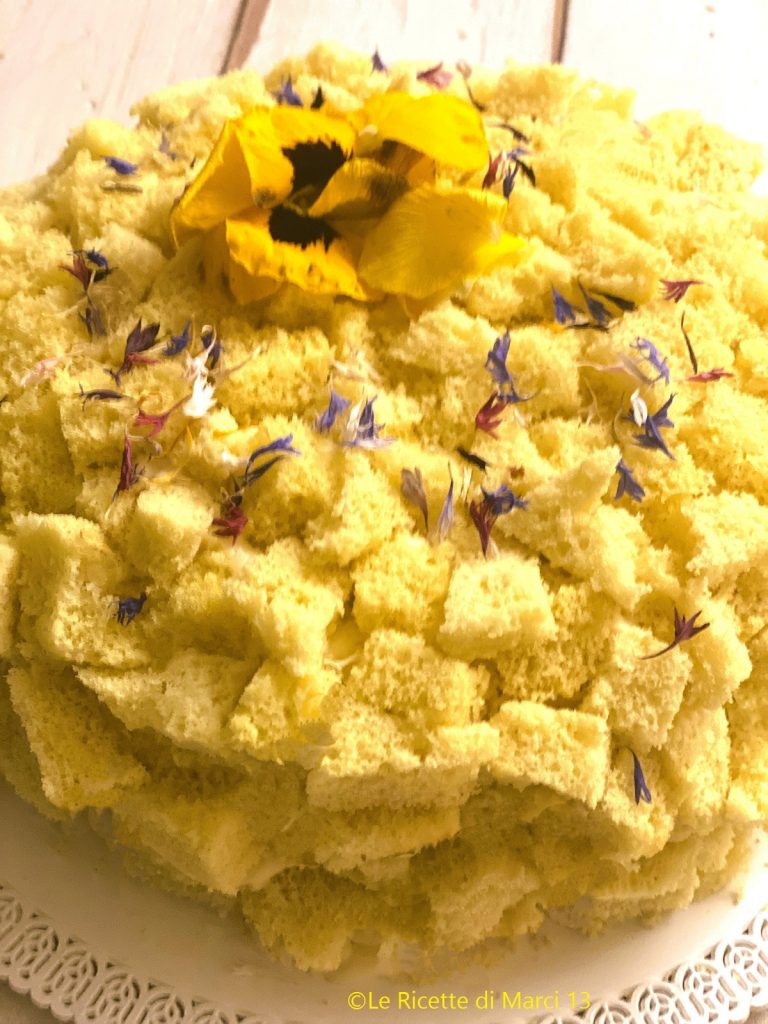
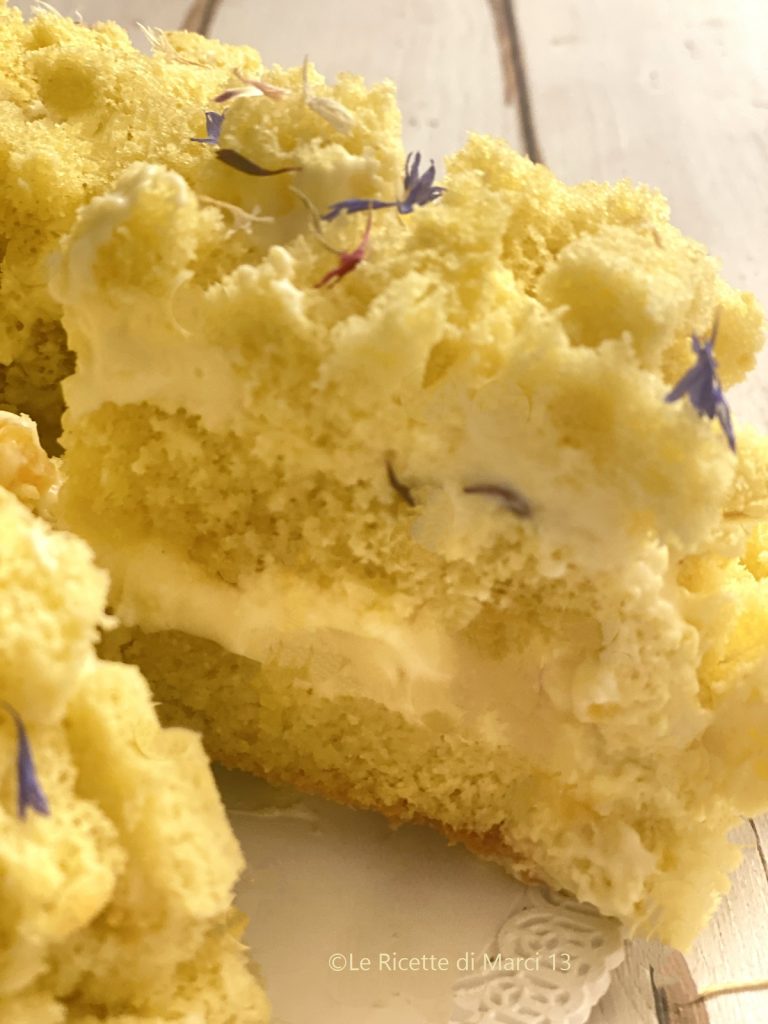
The mimosa cake with caramelized pineapple is a delicious dessert made of layers of sponge cake, soaked with a simple syrup (alcoholic, non-alcoholic, or milk-based) and filled with a diplomat cream (pastry cream + Chantilly). It is then covered with diplomat cream or just Chantilly (sweetened whipped cream — not to be confused with plain whipped cream) and finished on top with small sponge cake cubes that, overall, make the cake resemble a bouquet of mimosa flowers.
Mimosa is the symbolic flower of International Women’s Day. Because this cake resembles the mimosa flower, it is often prepared on March 8th for that celebration, but is also popular at Easter, for Mother’s Day, and generally in spring, or as a birthday cake.
The classic mimosa recipe uses pineapple (mine is even more indulgent because the pineapple is caramelized), but since it’s such a great dessert, many variations exist: chocolate, strawberries, pineapple with chocolate chips, limoncello, etc.
The mimosa cake is an amazing dessert because it is made of soft sponge cake layers filled with a very tasty diplomat cream (a blend of pastry cream and Chantilly), in short it’s an elegant, irresistible dessert!!!
Making this cake may seem complicated, BUT if you split it into multiple steps, the process becomes much easier. For example: it’s best to prepare the sponge cake, the pastry cream, and the caramelized pineapple the day before assembling, not only to save time while assembling but also for technical reasons (which I’ll explain later). Don’t worry — I’ll walk you through every step, you can’t go wrong!
Important preliminary steps before starting:
1) For the sponge cake it is essential that the eggs are fresh and at room temperature, the flour is sifted and you MUST NOT add baking powder.
2) Preheat the conventional (static) oven to 329°F.
3) Chill the heavy cream for whipping in the refrigerator, and also chill the bowl (preferably stainless steel) and the beaters for whipping the Chantilly.
You might also like:
- Difficulty: Medium
- Cost: Medium
- Preparation time: 50 Minutes
- Cooking time: 30 Minutes
- Portions: 6 people
- Cooking methods: Oven
- Cuisine: Italian
- Seasonality: International Women’s Day, Mother’s Day
Ingredients for Mimosa cake with caramelized pineapple
- 6 whole eggs
- 180 g all-purpose pastry flour (00) (I use Caputo pastry flour)
- 180 g granulated sugar (preferably fine Zefiro sugar)
- 10 ml vanilla extract
- 3 lemons (zested)
- 1 g fine salt
- 250 ml water
- 100 g granulated sugar
- 10 ml Grand Marnier (or Strega or Maraschino or Limoncello)
- 4 fette canned pineapple slices
- 10 g butter
- 30 g granulated sugar
- 30 ml liqueur (Grand Marnier, maraschino or a liqueur of your choice)
- 500 ml whole milk
- 4 egg yolks
- 120 g granulated sugar
- 50 g cornstarch
- 3 lemons (zested)
- 500 ml heavy cream for whipping
- 100 g powdered sugar
- 5 ml vanilla extract
- 10 ml whole milk
- edible flowers (optional)
Tools for Mimosa cake with caramelized pineapple
- Bowls
- Mixer electric
- Grater
- Cutting board
- Pan springform pan 8 in, 2 3/4 in high
- Syrup bottle for soaking cakes and sponge
Steps for Mimosa cake with caramelized pineapple
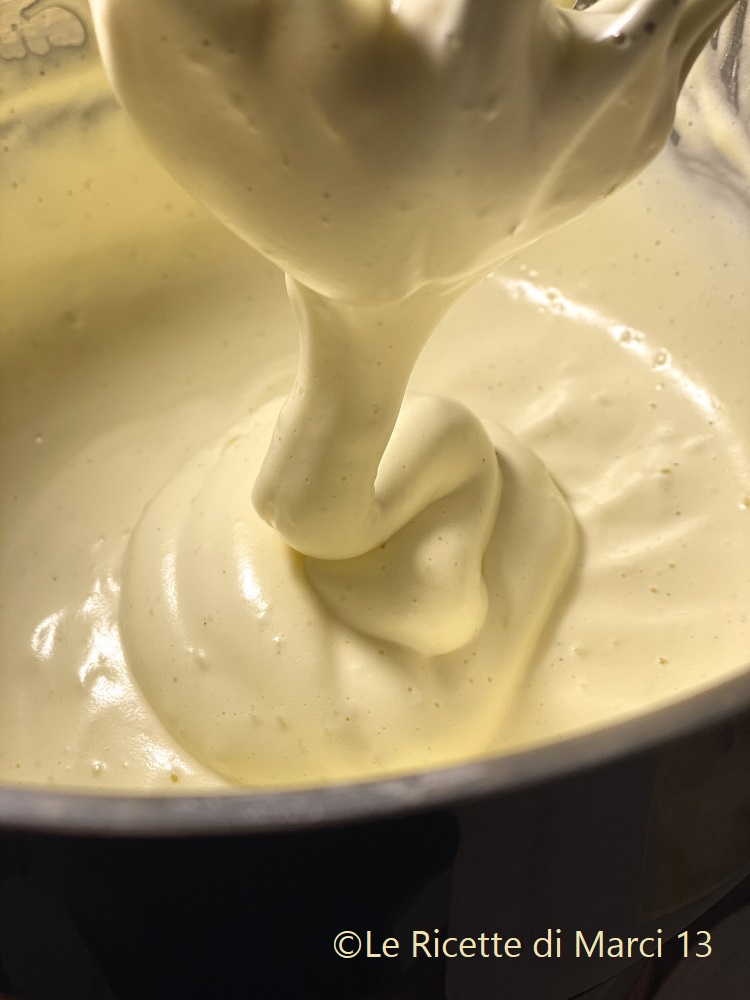
In the stand mixer bowl pour the 4 whole eggs, and whisk them briefly with the whisk for one minute. Add the vanilla extract, the grated zest of 3 lemons and the fine salt, then add the sugar and beat for 5 minutes at medium speed (to stabilize the mixture). Increase the speed to maximum and beat for about 15 more minutes until the eggs form ribbons and “write” (that is, when you lift the whisk the mixture falls without immediately sinking and disappearing, as shown in the photo).
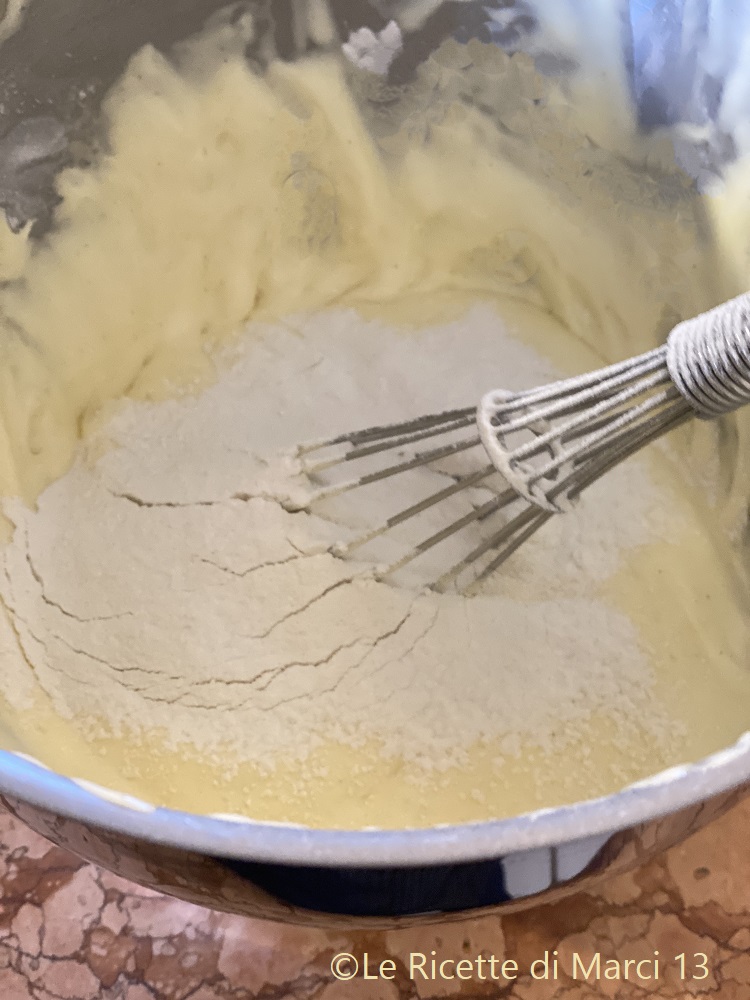
Turn off the mixer and sift the flour once through a fine sieve, adding it little by little in 3-4 additions. Do not add more until the previous amount is absorbed. Gently fold from the bottom to the top using a hand whisk or spatula.
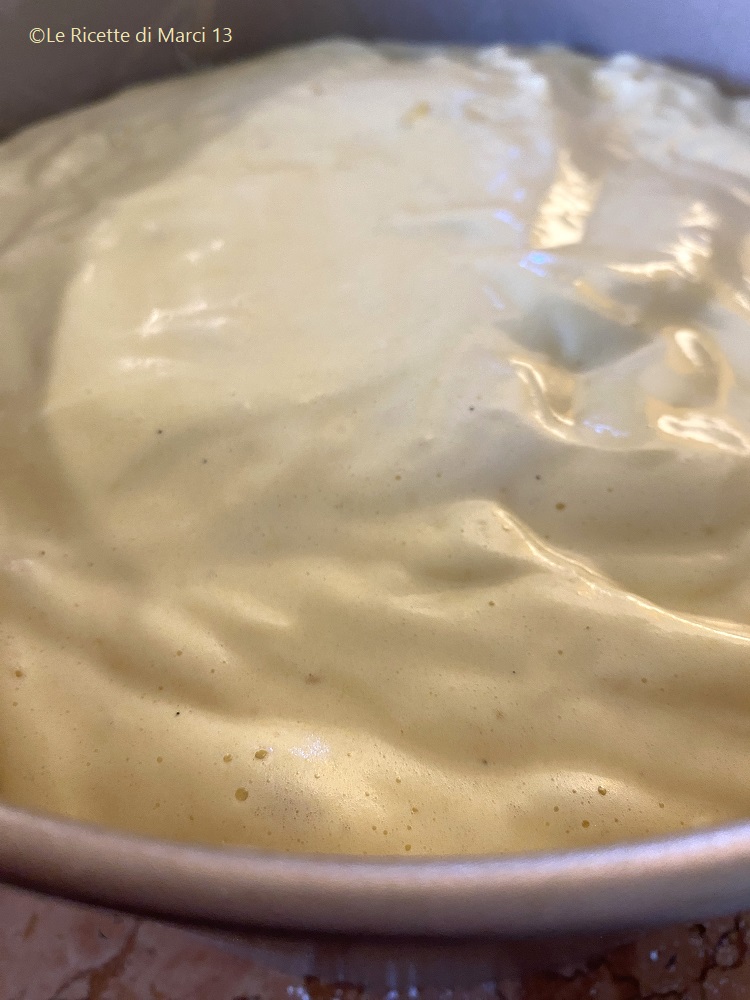
Carefully pour the batter into an 8-inch springform pan (about 20 cm) that is 2 3/4 inches high, buttered and floured. Do not bang the pan so as not to remove the surface air bubbles, and bake in a preheated conventional oven at 329°F for about 30 minutes (oven times vary, check with a skewer). NEVER open the oven door during baking.
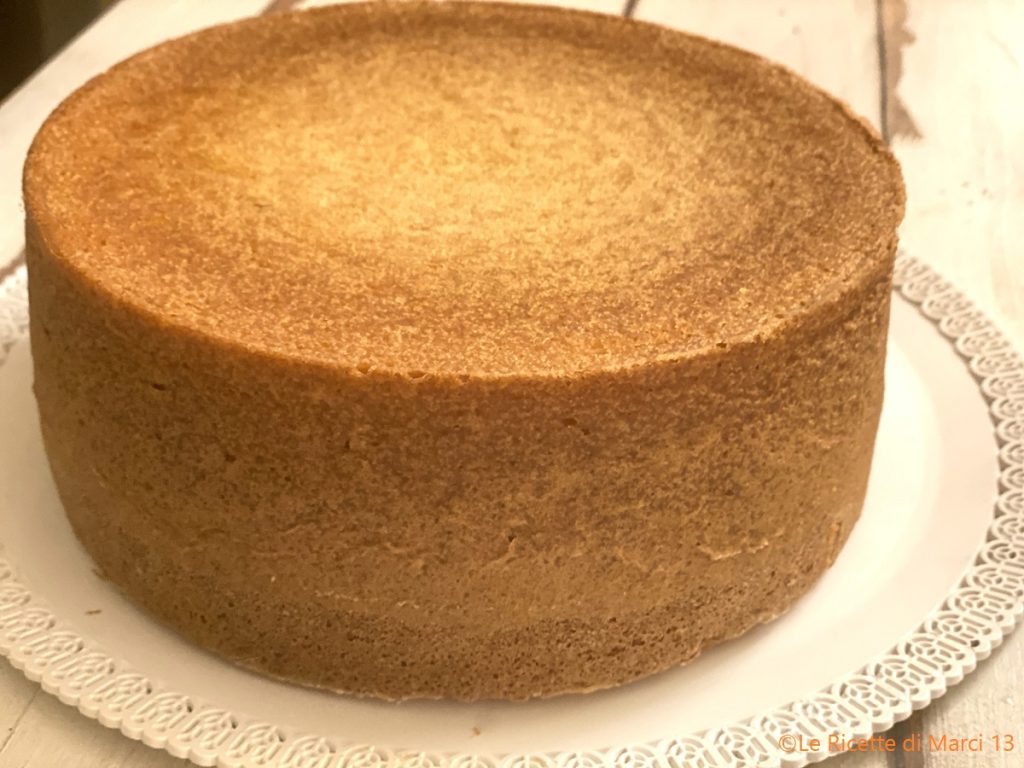
Remove the sponge cake from the oven, unmold it and preferably place it on a cooling rack. Cover it with a kitchen towel and let it cool completely before cutting (at least 12 hours, so it’s best prepared the day before).
In a small saucepan combine 250 ml of water and 100 g of sugar. As soon as the syrup boils, remove from the heat, let it cool slightly (not too much, otherwise the alcohol in the liqueur will evaporate) and add 10 ml of the chosen liqueur (I use Grand Marnier). Let the soaking syrup cool completely before using it.
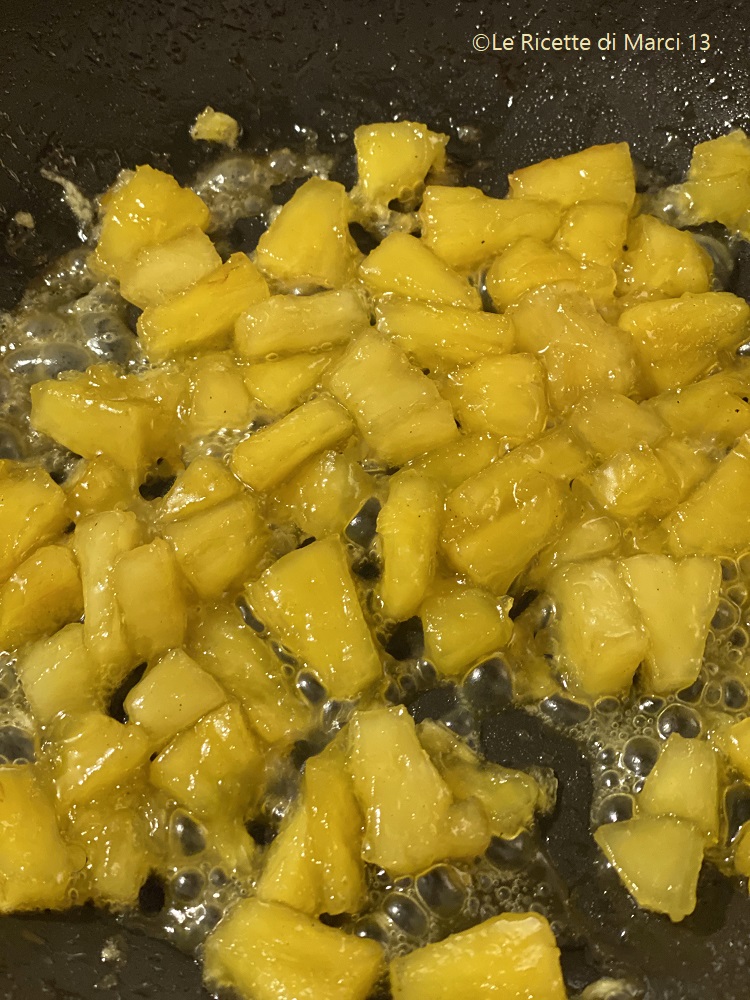
In a small skillet melt the 10 g of butter, add the 4 pineapple slices cut into small dice and sear over high heat for 1 minute. Add the 30 g of sugar and caramelize over medium-high heat for about 2-3 minutes. Finally pour in the 30 ml of chosen liqueur (I use Grand Marnier) and let it flavor the pineapple until the liquid has evaporated (about 3 minutes).
Warm 2 cups (500 ml) of whole milk in a saucepan with the grated zest of 3 lemons and 1 tsp (5 ml) of vanilla extract. As soon as it nears boiling, remove from heat, cover the pan and let the milk infuse for 10 minutes.
In a heavy-bottomed pan whisk together the 4 egg yolks and 120 g of sugar with an electric whisk for 5 minutes until the mixture lightens in color. Add the 50 g of cornstarch and whisk for two more minutes. Gradually add the hot milk (be careful not to make lumps) and return the pan to the heat, stirring, until the pastry cream thickens (about 4 minutes).
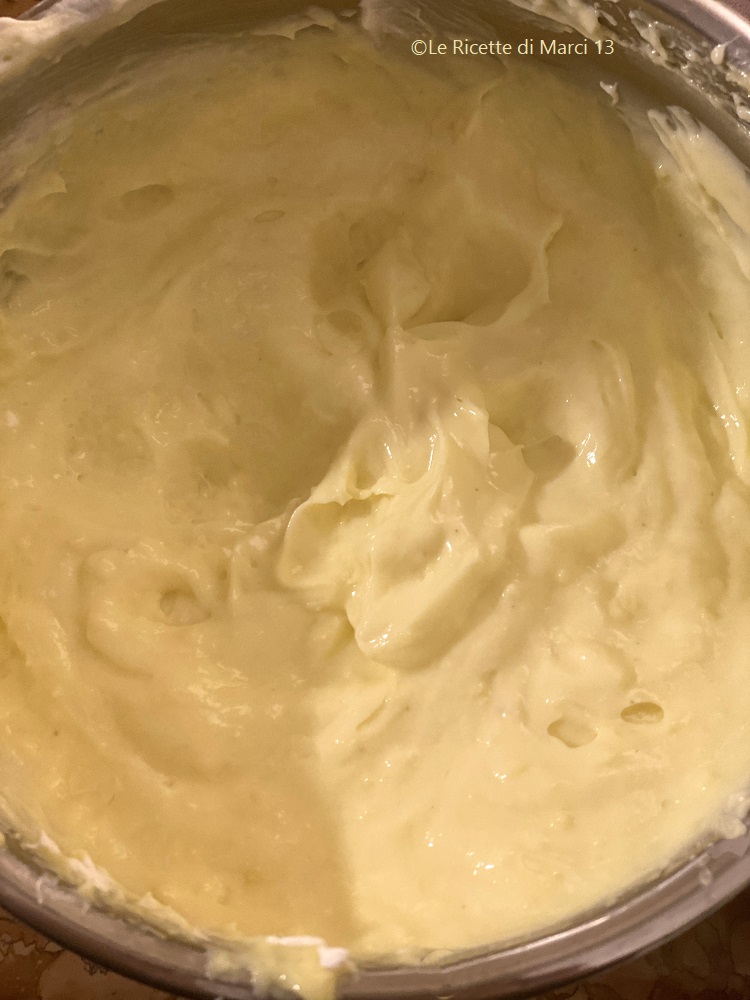
It should be a smooth, velvety cream. Sprinkle a few grains of sugar on the surface (a trick to prevent a skin), cover the bowl with plastic wrap touching the surface, and chill completely in the refrigerator.
Take the chilled heavy cream, the bowl and the beaters out of the refrigerator.
Pour the chilled 2 cups (500 ml) of heavy cream and 2 tsp (10 ml) of whole milk into the cold bowl and begin whipping with the cold beaters of the electric mixer until the cream starts to thicken.
At this point add 1 tsp (5 ml) of vanilla extract and 3/4 cup + 2 tbsp (100 g) of powdered sugar and continue whipping until the cream holds (when you turn the bowl upside down the cream does not fall) — this will take about 6-7 minutes.
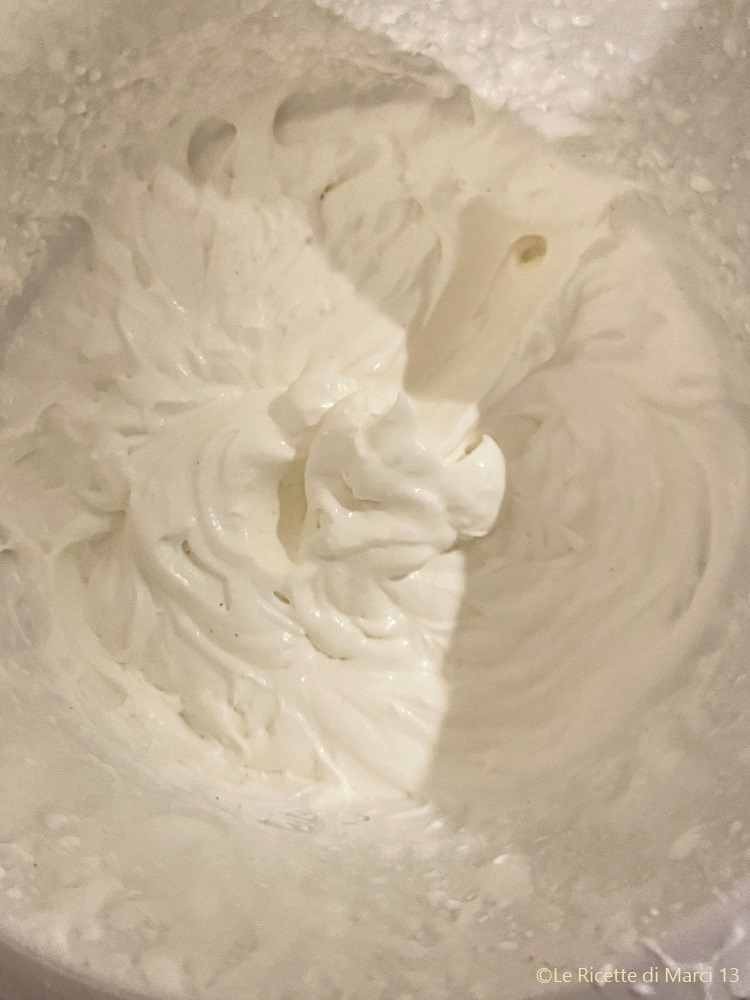
Important: for a perfect, smooth and velvety diplomat cream it’s essential that the pastry cream and the Chantilly have the same temperature.
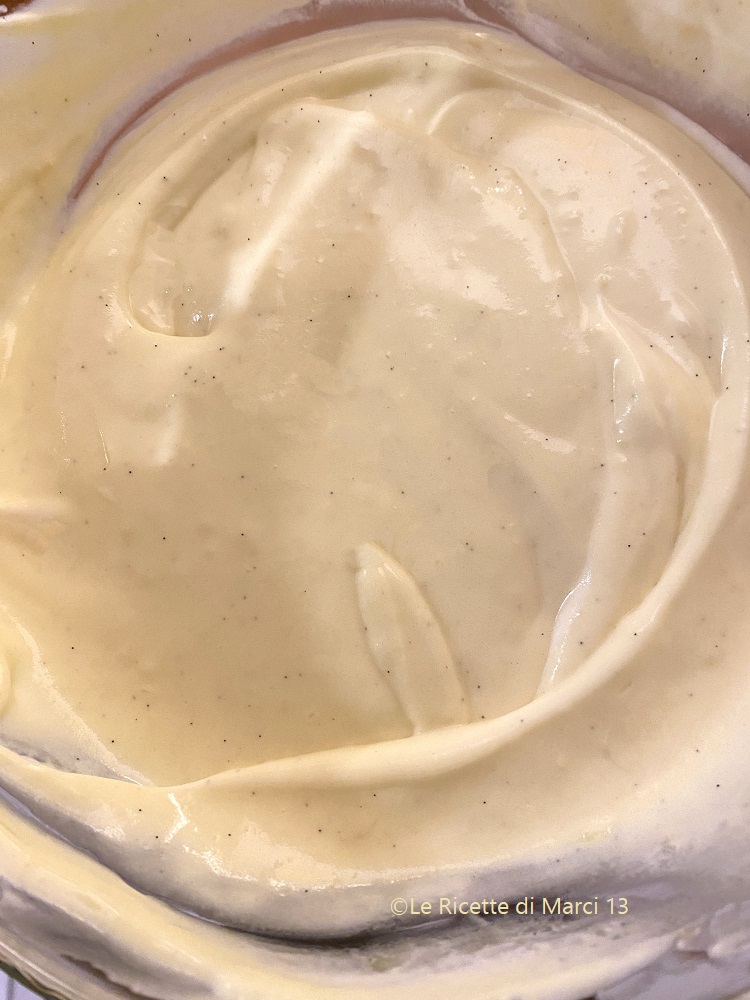
Take the pastry cream from the fridge (if there are lumps, pass it through a fine sieve), add 150 g of cold Chantilly cream, and mix gently with a spatula until you obtain a smooth, homogeneous diplomat cream.
Chill for at least 30 minutes before using to assemble the cake.
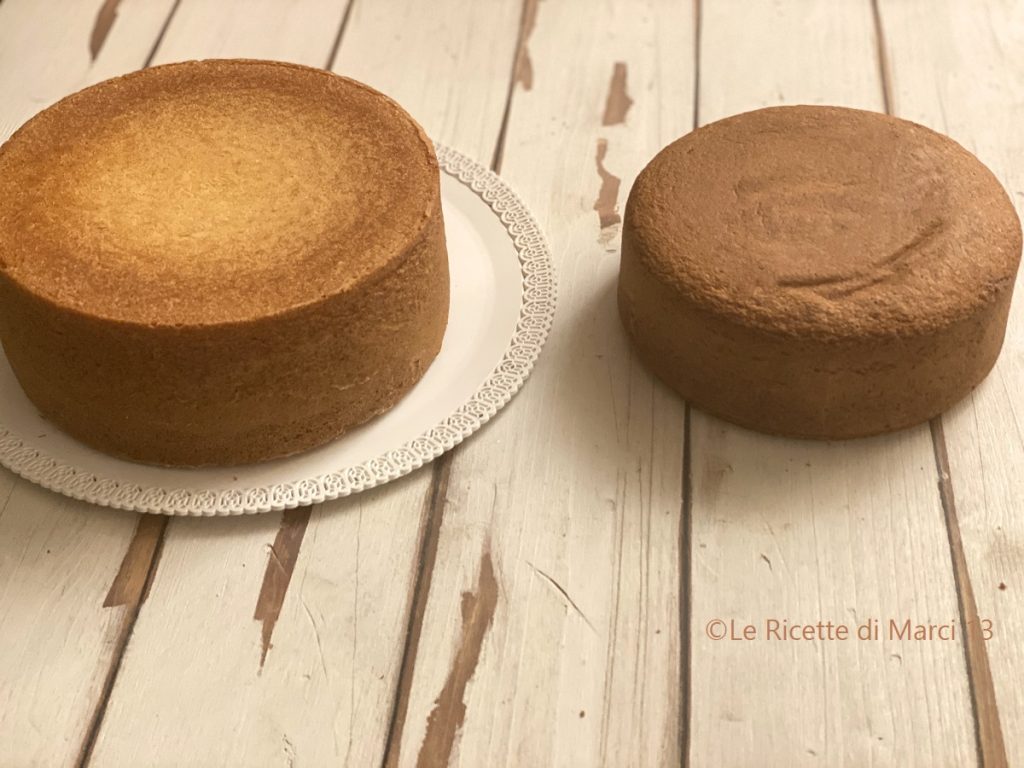
Trim the top of the sponge cake to remove any dark crust and slice it into 3 even layers.
Cut the middle layer of the sponge cake into strips and then into small cubes.
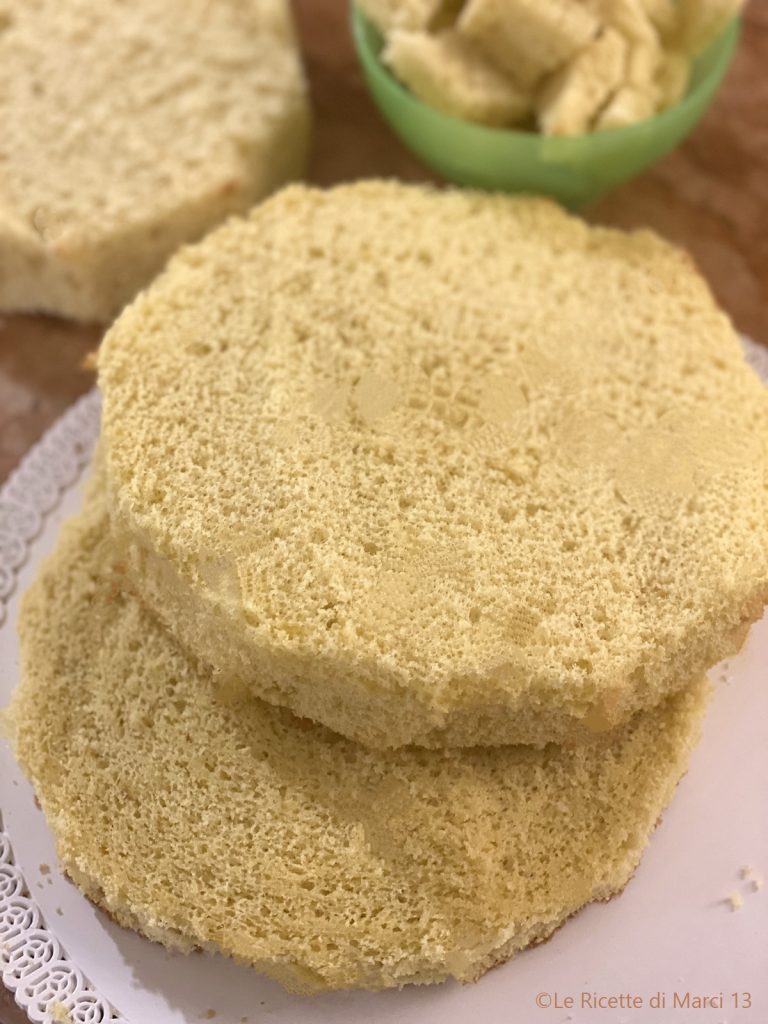
Place the sponge cake base on a serving plate and evenly moisten it with the prepared syrup. Cover the surface with part of the diplomat cream and arrange the caramelized pineapple dice on top.
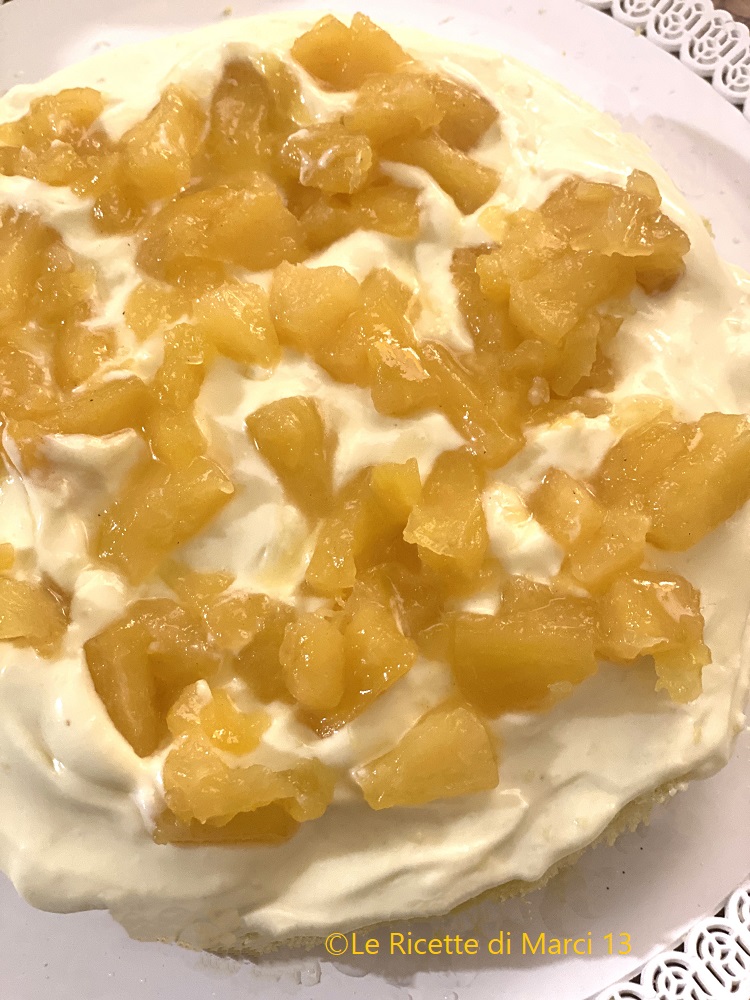
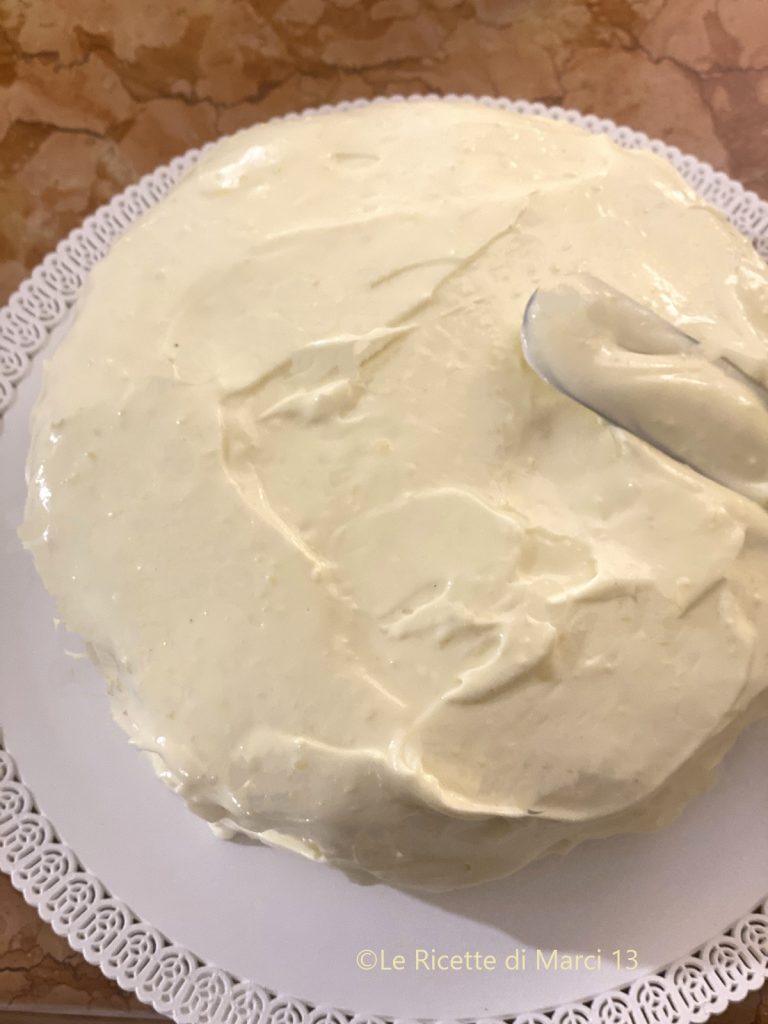
Soak the top cake layer with the syrup using the syrup bottle, place it over the diplomat cream and pineapple layer, and cover the entire cake (including the sides) with the remaining diplomat cream. Smooth well with a pastry spatula.
Cover the mimosa cake evenly with the sponge cake cubes, pressing gently and aiming to shape the cake into a dome.
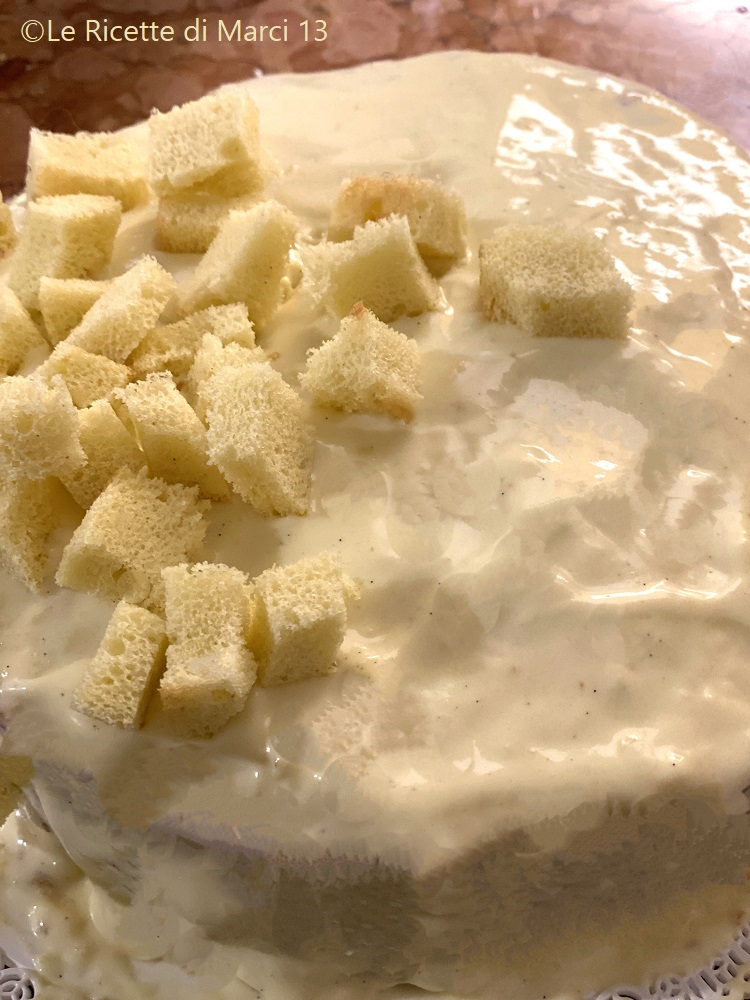
Finish the mimosa cake neatly and refrigerate for at least two hours before serving, even better if left overnight.
When serving, decorate as you like; I used edible flowers.
Notes and Tips for Mimosa cake with caramelized pineapple
5 tips to get a perfect Mimosa cake, mistakes to avoid:
1) Making the pastry cream too runny: the cream must be thick because it has to support the sponge layers; for this reason I use cornstarch instead of flour;
2) Not removing the outer crust of the sponge cake: it is necessary to use only the soft inner layers of the sponge cake;
3) Soaking the sponge cubes for decoration: if the cubes are not dry, you won’t get the mimosa effect. In any case they won’t stay dry because the diplomat cream beneath will keep them moist and flavorful;
4) Over-soaking the layers: don’t overdo the soaking syrup, otherwise it will dilute the filling cream and you risk getting a soggy cake that won’t hold neat slices;
5) Not letting it rest in the refrigerator: the mimosa cake has a dense structure that requires resting, otherwise it won’t hold when slicing. Once ready, refrigerate the cake for at least two hours before serving; even better if prepared the day before.
Alternative soaking syrups
Non-alcoholic syrup: 1 cup (250 ml) water, 1/2 cup (100 g) granulated sugar, flavorings (citrus zest, vanilla, etc.) — same method as the alcoholic syrup above.
Milk syrup: 100 ml water, 180 ml milk, 70 g granulated sugar. Method: bring the water and sugar to a boil in a small pan, remove from heat, let cool slightly and add the milk. Let the syrup cool completely before using.
Shopping tips!!!
I whipped the Chantilly cream quickly and without lumps with this electric hand mixer that has a powerful 500 W motor and 9 accessories.
To evenly and perfectly moisten the sponge cake, this syrup bottle is indispensable.
To dice the pineapple I also used this practical bamboo cutting board with two built-in trays (one for chopped ingredients and one for scraps).
FAQ (Questions & Answers)
What are the origins and history of the Mimosa cake?
The mimosa cake was invented in Rieti in the 1960s by restaurateur Adelmo Renzi; the original recipe is still secret. The cake remained a specialty of his restaurant until May 1962, when he took it to a pastry competition in Sanremo to honor the city of flowers. The mimosa cake won the competition and became famous in Sanremo and throughout Italy. Later it became associated with the International Women’s Day, which adopted the mimosa as a symbol.
How to remove lumps from pastry cream once it is cooked?
Pass the cooked pastry cream through a fine sieve to obtain a smooth, velvety cream (if lumps form during cooking, once ready you can blend it using an immersion blender).
How to store the Mimosa cake?
The mimosa cake is stored in the refrigerator, lightly covered with foil, for up to 3 days. You can freeze portions of the mimosa cake (sliced) in appropriate containers and keep them in the freezer for two months.