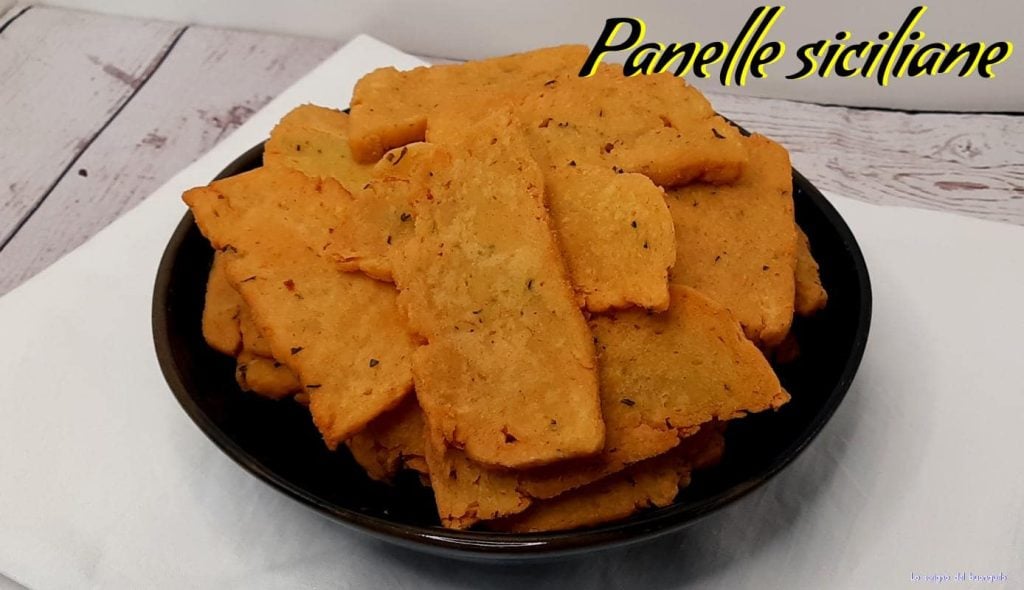
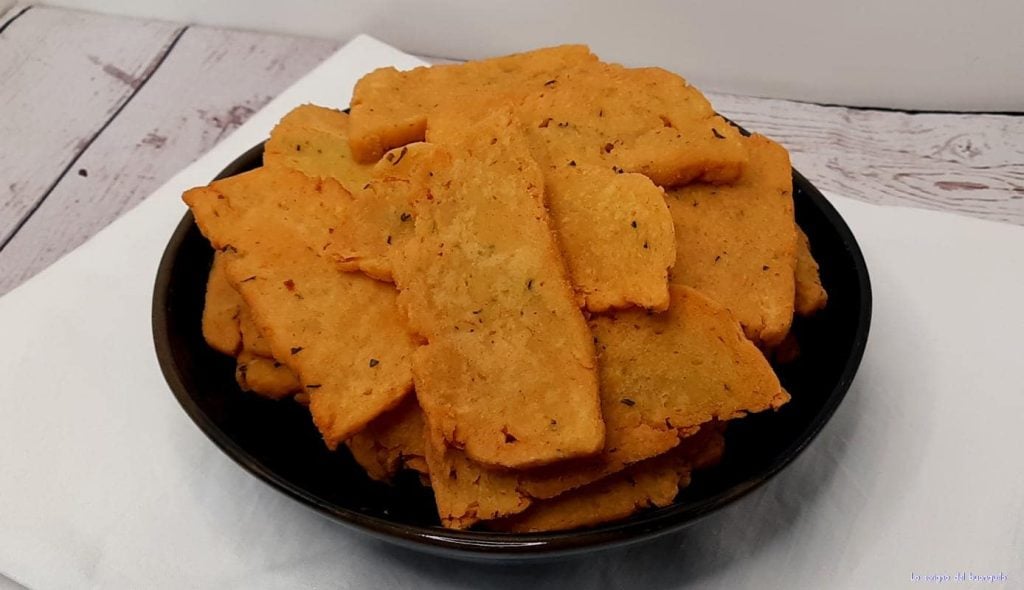
Sicilian panelle are a typical dish particularly from Palermo, and any excuse is good to make them.
The fundamental importance in preparation lies in mixing the mixture well before cooking it.
For me, this was the first time I made them, but I am satisfied; they were very good, even if not perfect in shape, but just right.
The story goes that it seems the Arabs were the first to grind chickpeas, obtaining a flour that, mixed with water, formed a dough similar to polenta.
This dough was then cut into slices and fried in oil, giving rise to panelle.
Whatever their origin, the important thing is that they are really good, even if in their place of origin they are eaten and paired with food differently, I served them at the table instead of bread.
If you replicate the recipe, feel free to send me your photos, and I will post them on my fb page in your name.
About 31 Kcal per panelle
- Difficulty: Easy
- Cost: Economical
- Preparation time: 2 Minutes
- Portions: 40 Pieces
- Cooking methods: Frying
- Cuisine: Regional Italian
- Region: Sicily
- Seasonality: All seasons, Santa Lucia
Ingredients for making Sicilian Panelle
- 1.5 cups chickpea flour
- 2.33 cups water (cold)
- 1 teaspoon salt
- 1 bunch chopped parsley
- sunflower seed oil
Preparation of Sicilian Panelle
First, wash and chop a nice bunch of fresh parsley and set it aside, so you have it ready when it’s time to add it to the mixture.
In a pot, place the cold water with the salt, add the chickpea flour, and mix well until any lumps are eliminated.
If you’re having difficulty, you can always mix the mixture with a whisk, and it won’t be a problem.
At this point, put the pan on the stove and cook the mixture over low heat until you get a soft cream.
When it has reached the right consistency, add the parsley and mix everything well.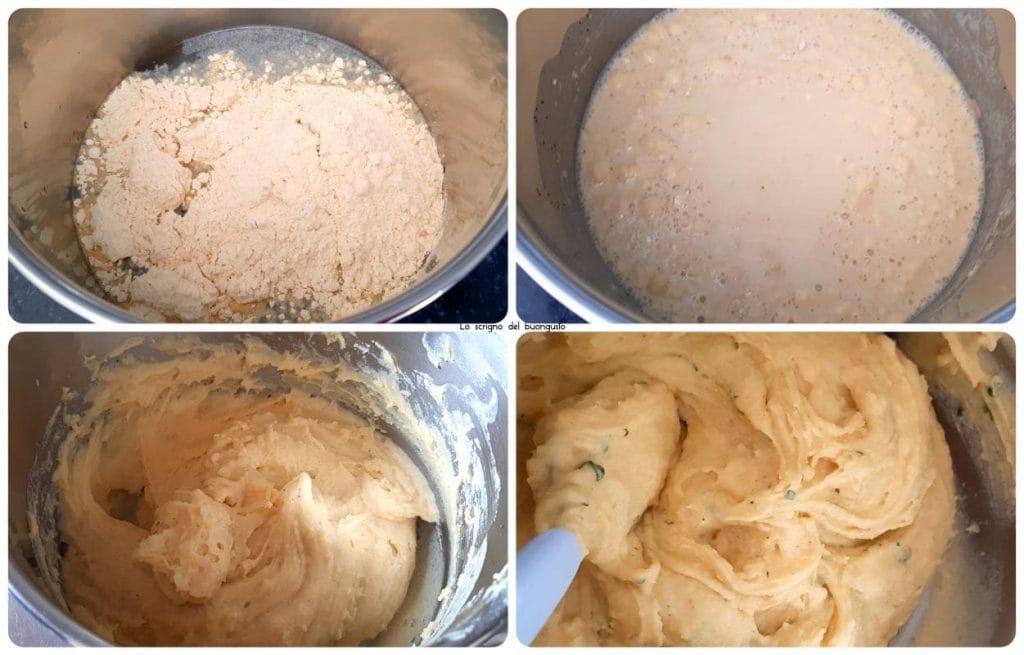
Transfer the mixture to a lightly greased loaf pan and level it well, cover it with kitchen film, and adjust the level of the surface with your hands.
Put it in the fridge for an hour so that it cools down well.
When it has cooled down, flip the mixture onto a board, prepare a pan suitable for frying, heat the oil, and cut thin but not too thin slices and dip them into the hot oil.
Fry a few pieces at a time, depending on how large the pan is.
Once cooked, drain them on absorbent paper.
Serve them either hot or cold; they are good either way.