
When summer arrives, because of the heat, the desire to turn on the stove is lower and lower, even to make a simple sauce for pasta! The lemon, parsley and basil pesto answers exactly this need. As a pesto lover, in summer I appreciate their versatility even more because they are perfect for pasta, for canapés but also to dress a vegetable or rice salad. The procedure is very easy — I used the Bimby but you can do it with any food processor. The result will be a pesto with a particular aroma that tastes like summer!
If you love pestos like me, I recommend taking a look at these recipes:
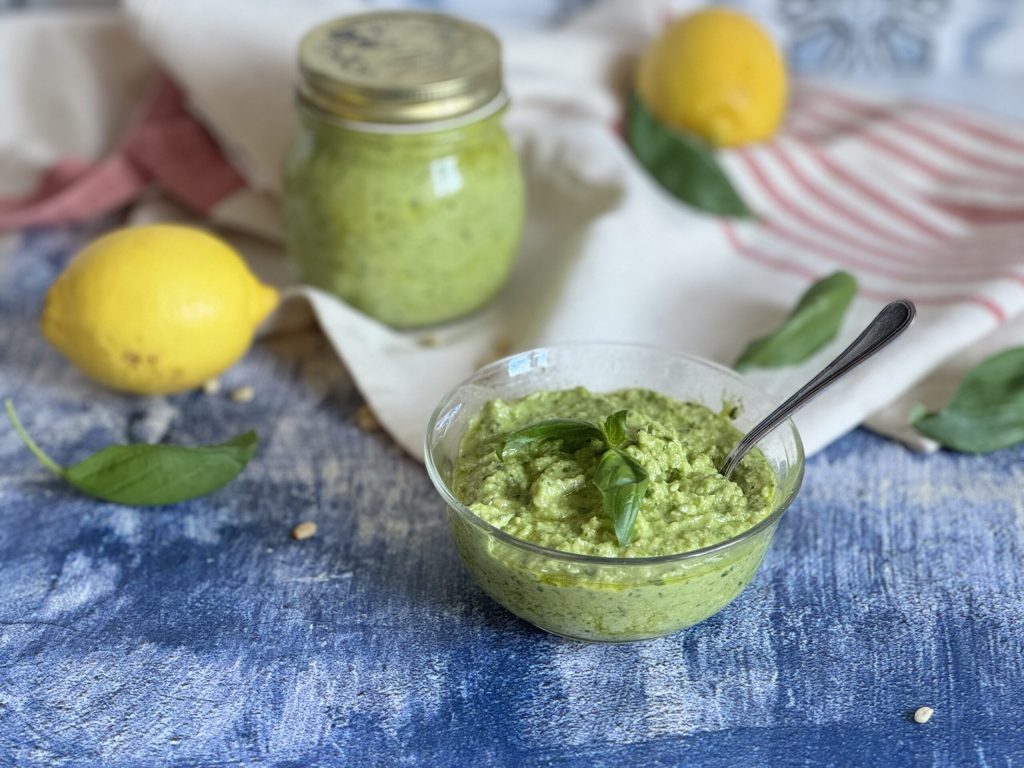
- Difficulty: Very easy
- Cost: Very inexpensive
- Rest time: 2 Hours
- Preparation time: 15 Minutes
- Portions: 6 Servings
- Cooking methods: No-cook
- Cuisine: Italian
- Seasonality: Summer, Spring, Summer
Ingredients for lemon, parsley and basil pesto
Because this pesto is made with all raw ingredients, it is necessary that they are of the best quality and preferably organic. The lemons in particular must have an edible peel. I used Sorrento IGP lemons, which gave a spectacular aroma to my pesto.
- 2 oz lemon (edible peel)
- 3.4 fl oz lemon (strained juice (about 100 g))
- 2 cloves garlic
- 1/2 cup packed basil
- 3/4 cup packed parsley
- 3.5 oz pine nuts
- 1.8 oz cashews
- 1 1/2 cups grated Parmigiano Reggiano
- 1 tsp salt
- 3 1/2 tbsp extra virgin olive oil
Tools to make lemon, parsley and basil pesto
To make the lemon, parsley and basil pesto I used my faithful Bimby TM31. Of course you can use other Bimby models, but also regular food processors — just make sure they are powerful enough.
- 1 Food processor
- 1 Cutting board
- 1 Knife
- 1 Small bowl
- 2 Jars
Let’s prepare the lemon, parsley and basil pesto
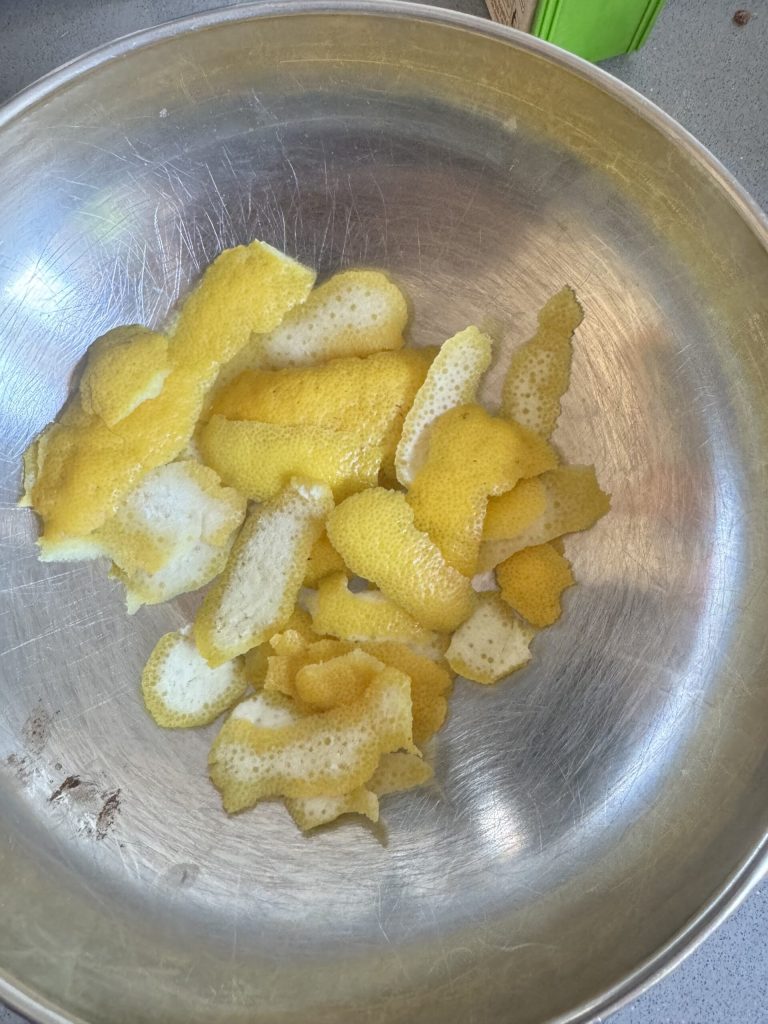
Using a paring knife obtain 2 oz (about 50 g) of peel from previously washed and dried lemons. Be careful to remove as much of the white pith as possible, otherwise the lemon, parsley and basil pesto will take on a bitter note.
After peeling and roughly chopping the garlic, place it in the bowl of the processor together with the lemon peels.
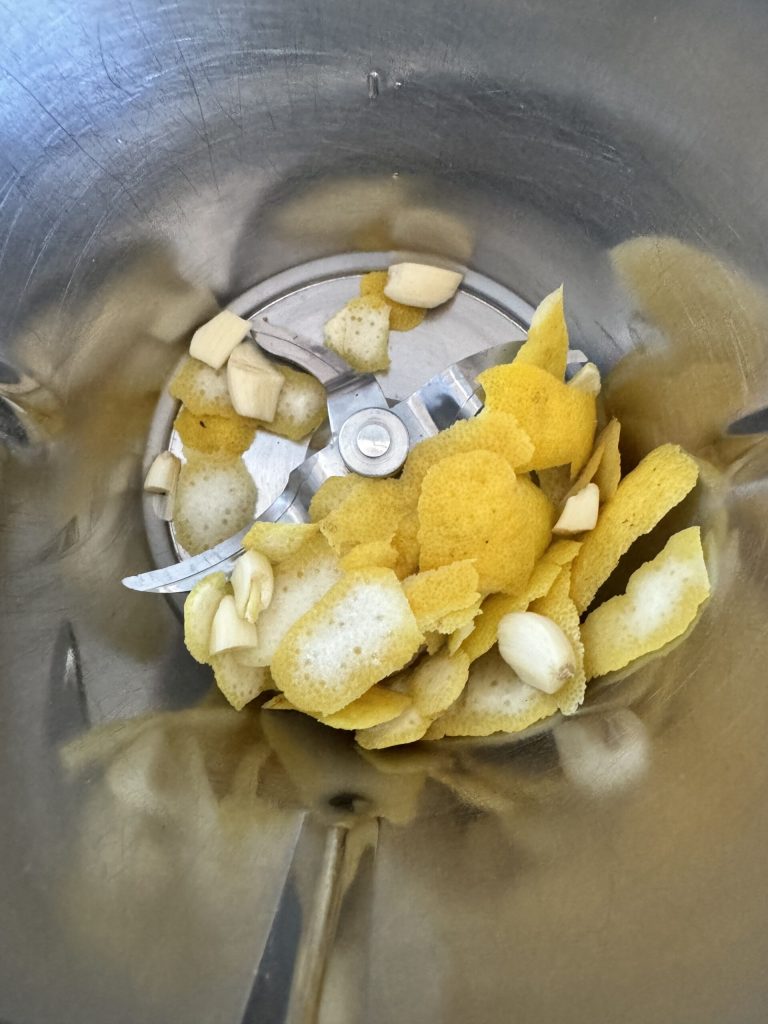
Close with the lid and chop at speed 6 for 20 seconds.

After gently cleaning the basil leaves with a damp cloth, weigh them together with the parsley. The proportion can vary (depending on what you have at home) while keeping the same total weight.
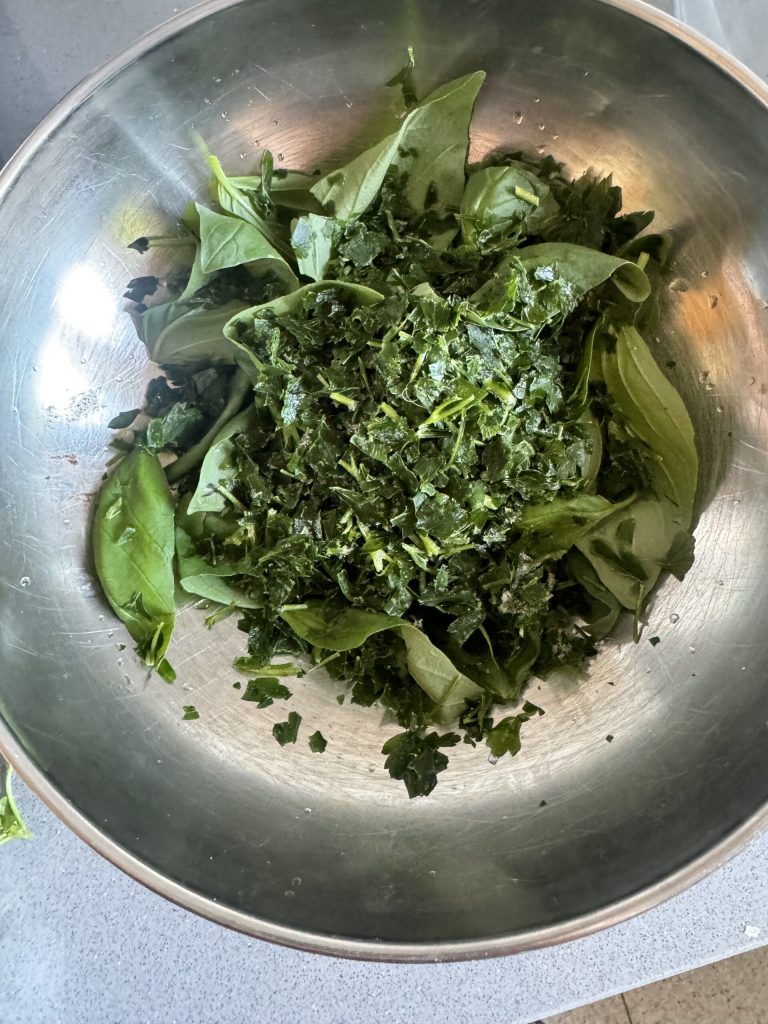
Add parsley and basil to the bowl and chop at speed 6 for 15 seconds.

Add the nuts to the bowl: in my case pine nuts and cashews, but you can also use walnuts (if there are no allergies), blanched almonds or pistachios.
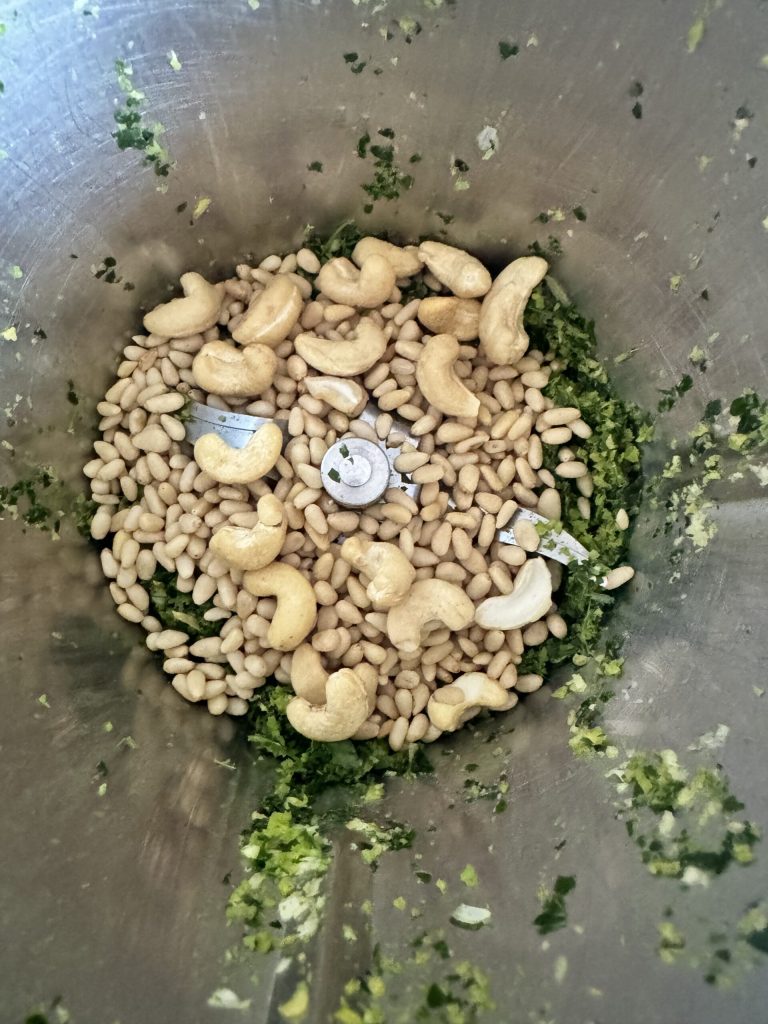
Also add the grated Parmigiano Reggiano.
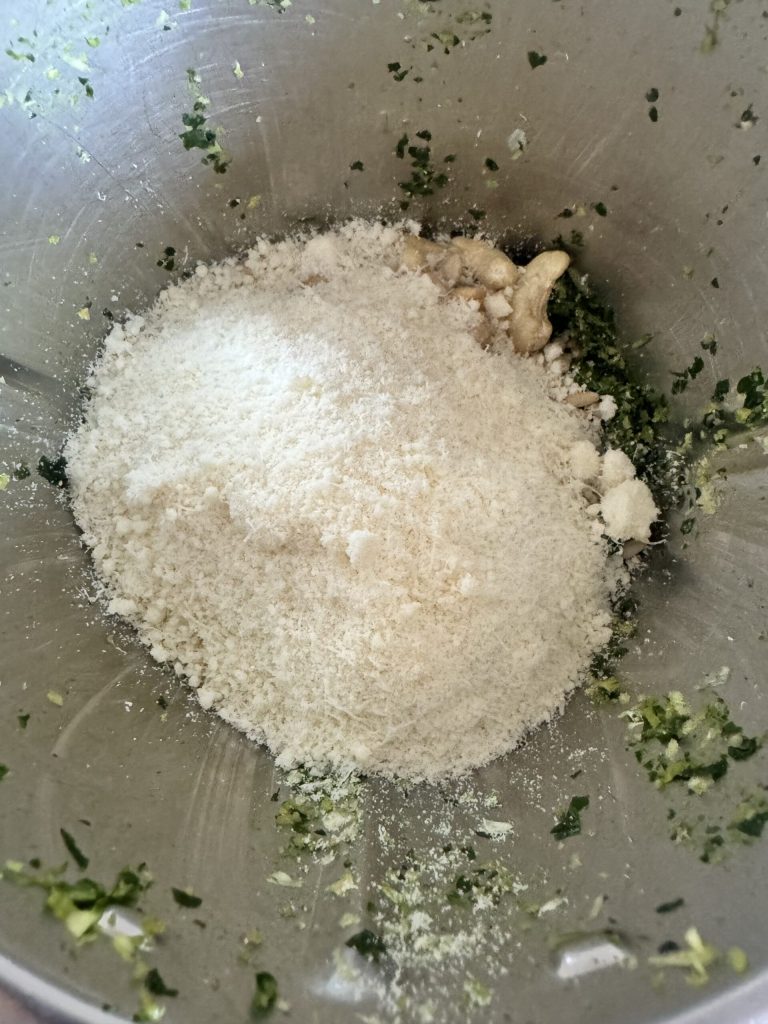
Close the bowl and chop at speed 6/7 for 20 seconds.
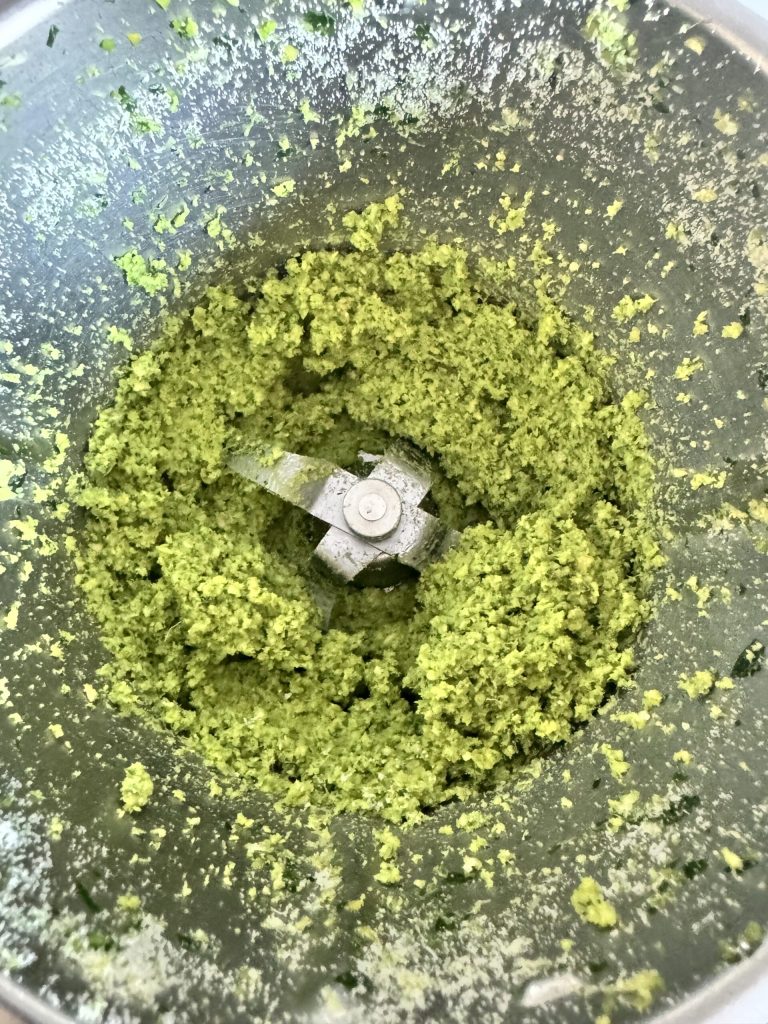
After straining the lemon juice, add it to the bowl and mix at speed 5 for 15 seconds.
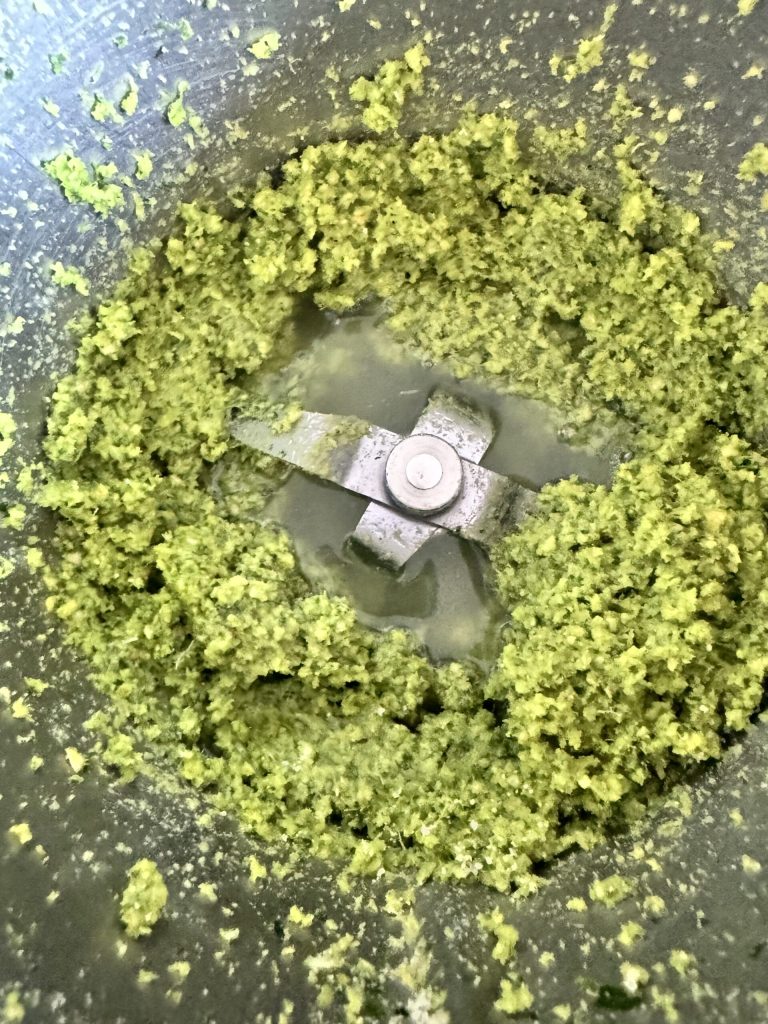
Add the salt, close the bowl and run at a medium speed. For the Bimby, use speed 4/5.
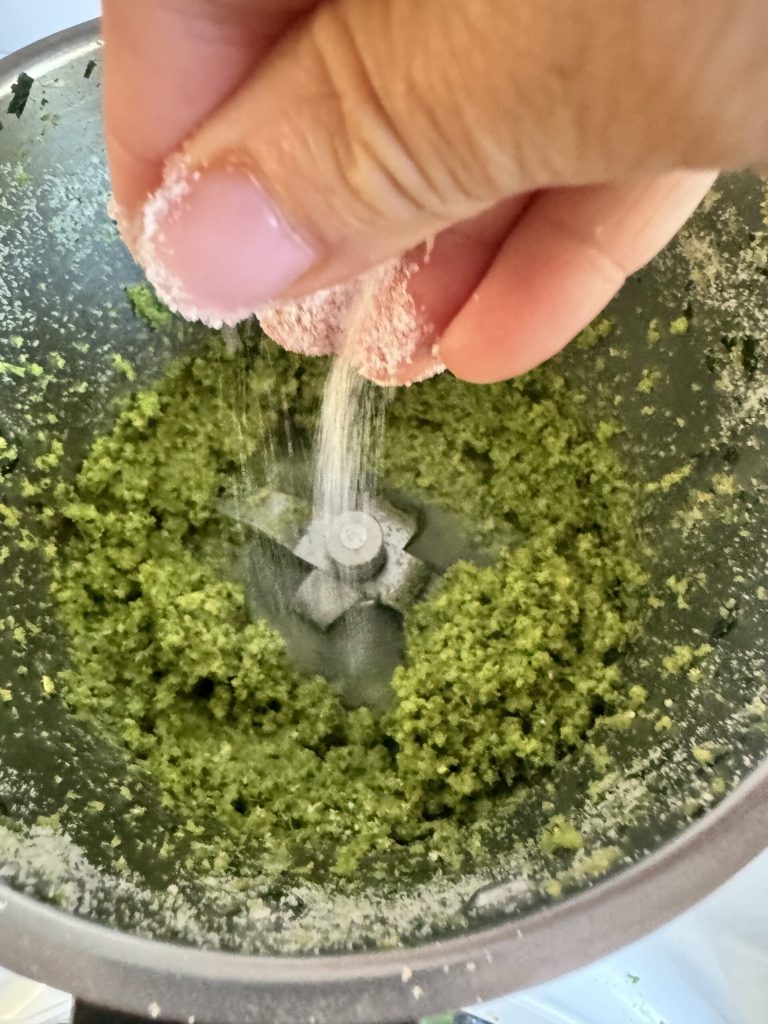
Through the feed hole of the bowl, add the oil in a thin stream with the motor running to emulsify the lemon, parsley and basil pesto.
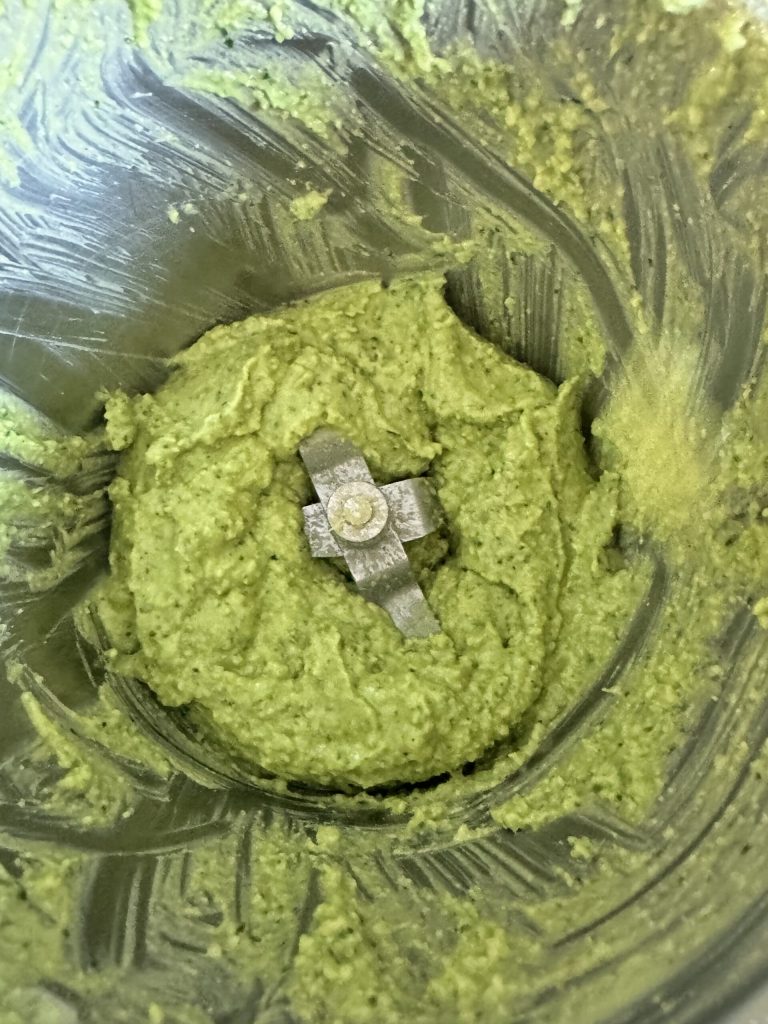
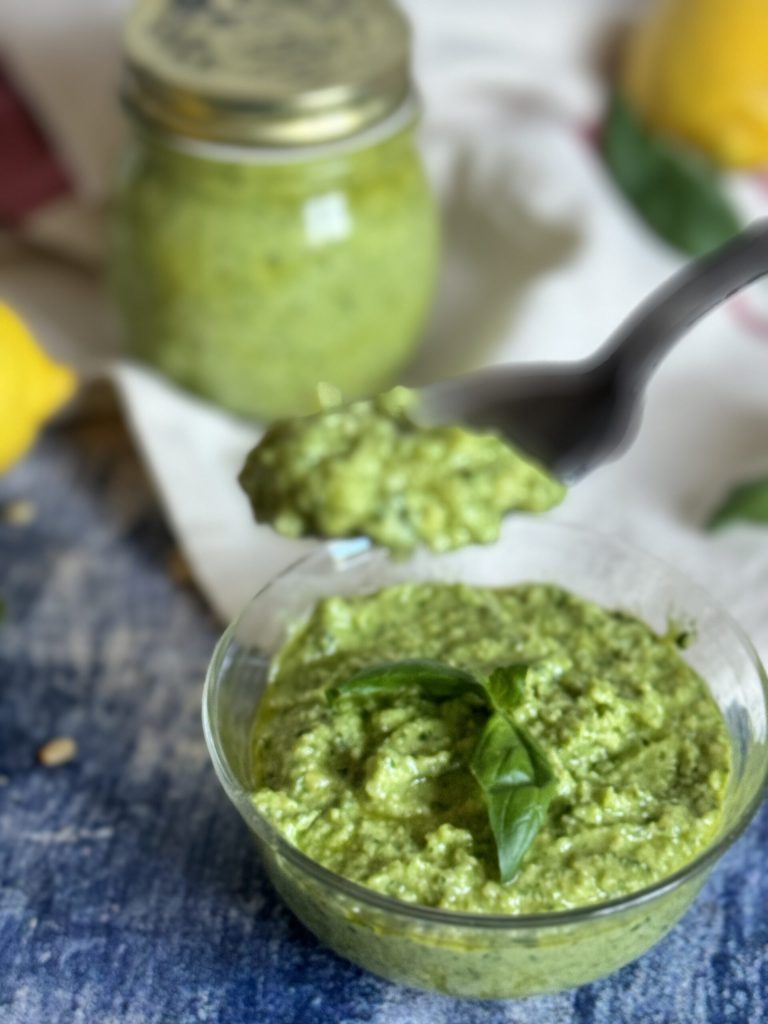
Once ready, transfer it to jars or freezer containers. This amount makes two 250 ml jars of lemon, parsley and basil pesto. I suggest letting it rest for a few hours before using, so the flavors can meld better.
How to store lemon, parsley and basil pesto
The lemon, parsley and basil pesto keeps in the refrigerator if you cover the surface with a layer of oil, for two or three days. For longer storage you need to sterilize the jars and proceed as you would for any other sauce. An alternative is to portion it and freeze it… which is what I did! What would you use this pesto for? Tell me on Instagram!
FAQ (Questions and Answers)
Can I use other nuts?
Of course! Other times I made it using only almonds and pine nuts. I think it would also be good with walnuts, but I’ll never know because my family is allergic!
