
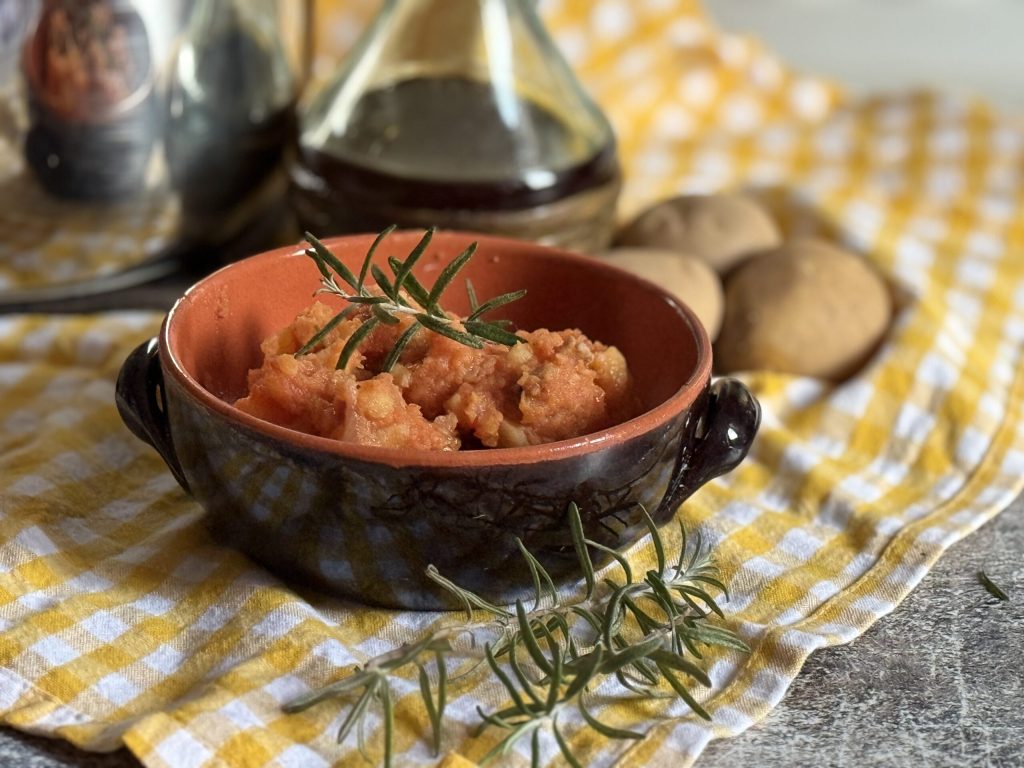
The Florentine veal stew with potatoes, also known as Pelliccia’s stew, is one of the most beloved traditional Tuscan recipes: a humble yet flavorful dish, prepared ‘with a lot of potatoes and little meat,’ as they say in Florence.
It’s a simple and genuine stew, perfect for cold days or when you want to bring to the table a Tuscan comfort food that smells like home.
Like all popular recipes, there isn’t a precise or ‘official’ version of this dish. This is my grandmother’s version, slightly lightened to meet today’s needs. A tender veal stew, enveloping and authentic in taste: a Tuscan recipe that speaks of tradition and family.
In the FAQs at the end of the recipe, you’ll find my suggestions for some variations of Pelliccia’s Stew that adapt to your tastes or what you have in the pantry. If I’ve piqued your interest, cook with me!
If you like, take a look at these recipes directly from my mom’s notebook!
- Difficulty: Very Easy
- Cost: Economical
- Preparation time: 30 Minutes
- Portions: 4 People
- Cooking methods: Stovetop
- Cuisine: Regional Italian
- Region: Tuscany
- Seasonality: Fall, Fall, Winter and Spring
Ingredients for Florentine Veal Stew with Potatoes
- 1.1 lbs veal (rump, not too lean)
- 2.2 lbs potatoes
- 12 oz tomato pulp
- 1.8 oz onion
- 1 clove garlic
- as needed rosemary (fresh)
- 3.5 tbsp extra virgin olive oil
- as needed salt
- as needed black pepper
What do you need to make Florentine Veal Stew with Potatoes?
- 1 Chopping Board
- 1 Knife
- 1 Wooden Spoon
- 1 Peeler
- 1 Casserole
Steps
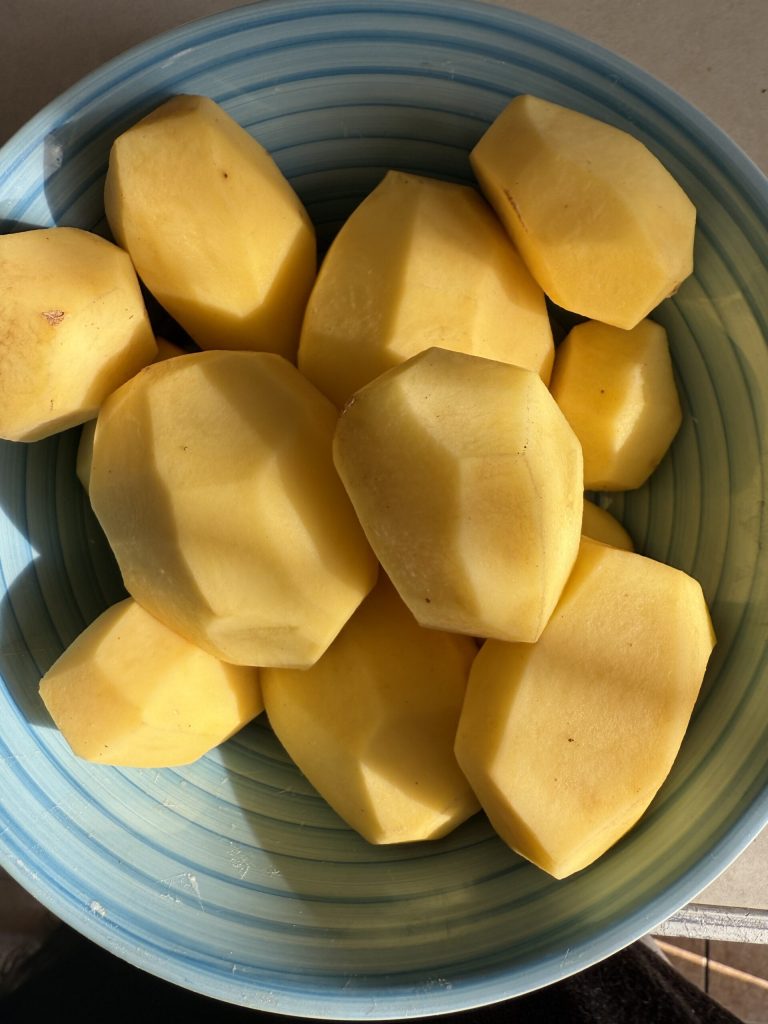
Wash, peel and cut the potatoes into small, regular pieces, so they will cook evenly and blend well with the sauce of the Florentine veal stew with potatoes.
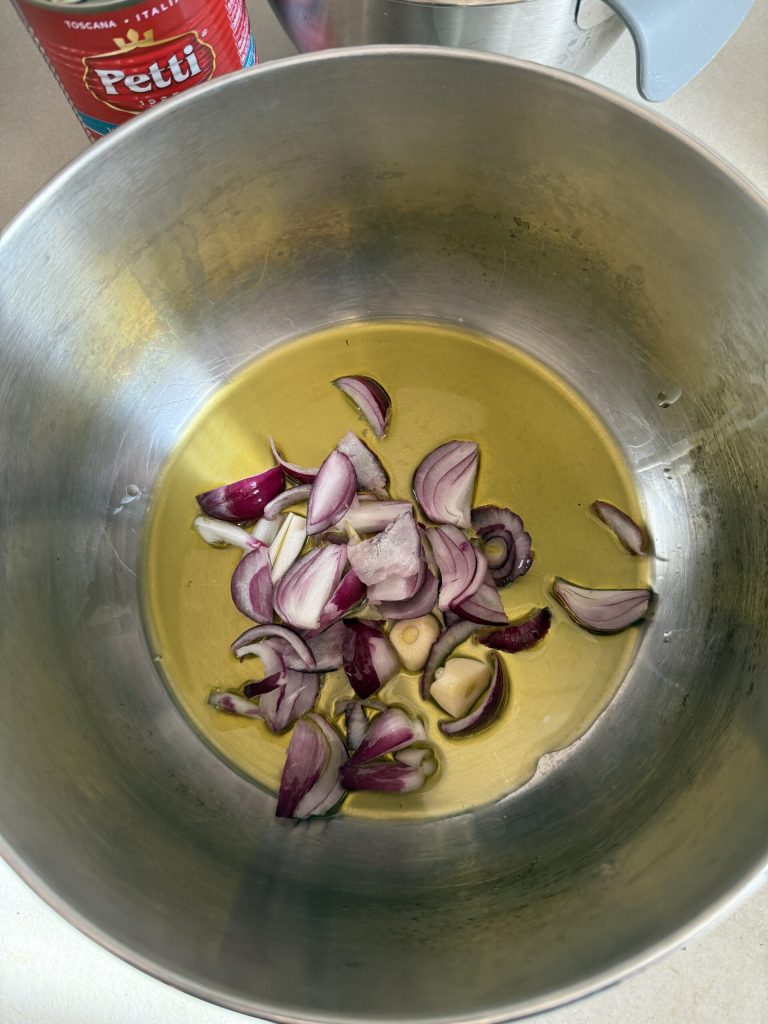
Peel and cut the garlic clove in half and slice the onion. Place everything in the casserole with enough oil to cover the bottom and bring to heat.
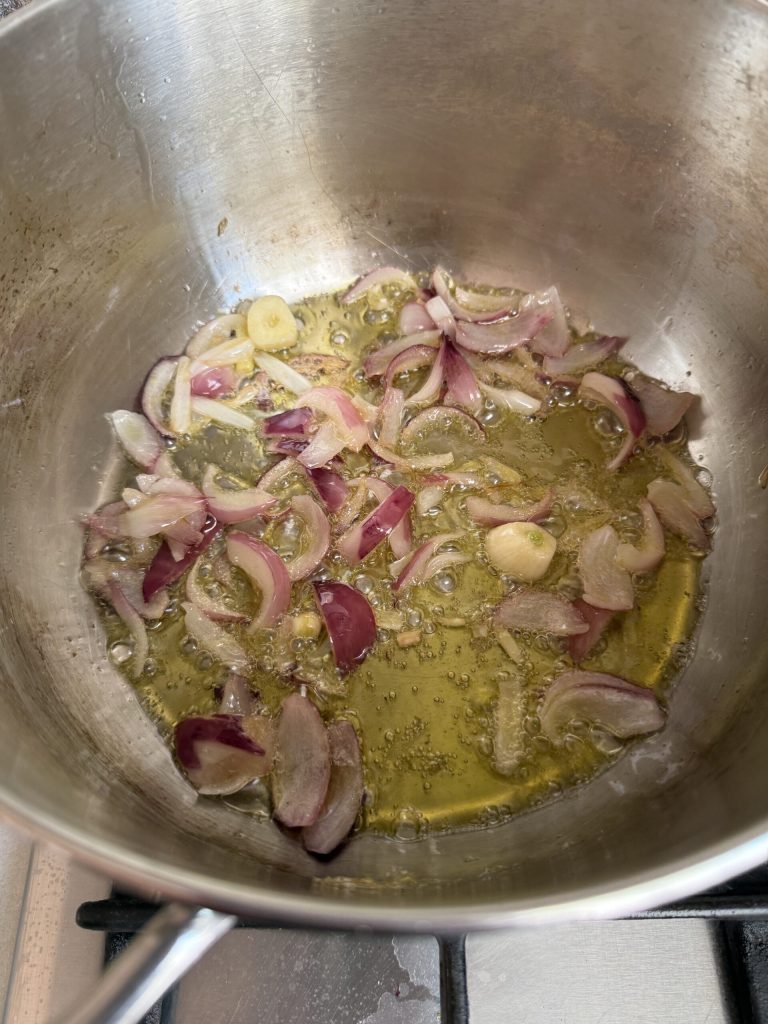
Let the aromatics wilt over high heat, stirring often so they do not stick and release all their fragrance.
Add the meat to the casserole, previously cut into regular cubes, and mix well to blend it with the aromatics.
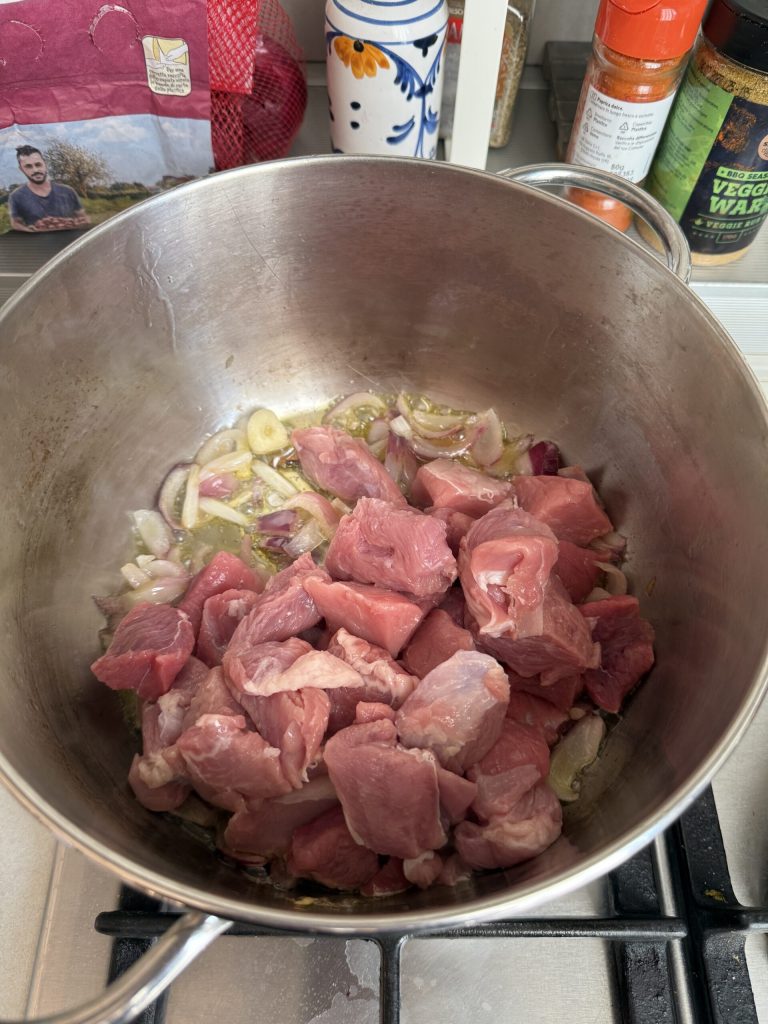
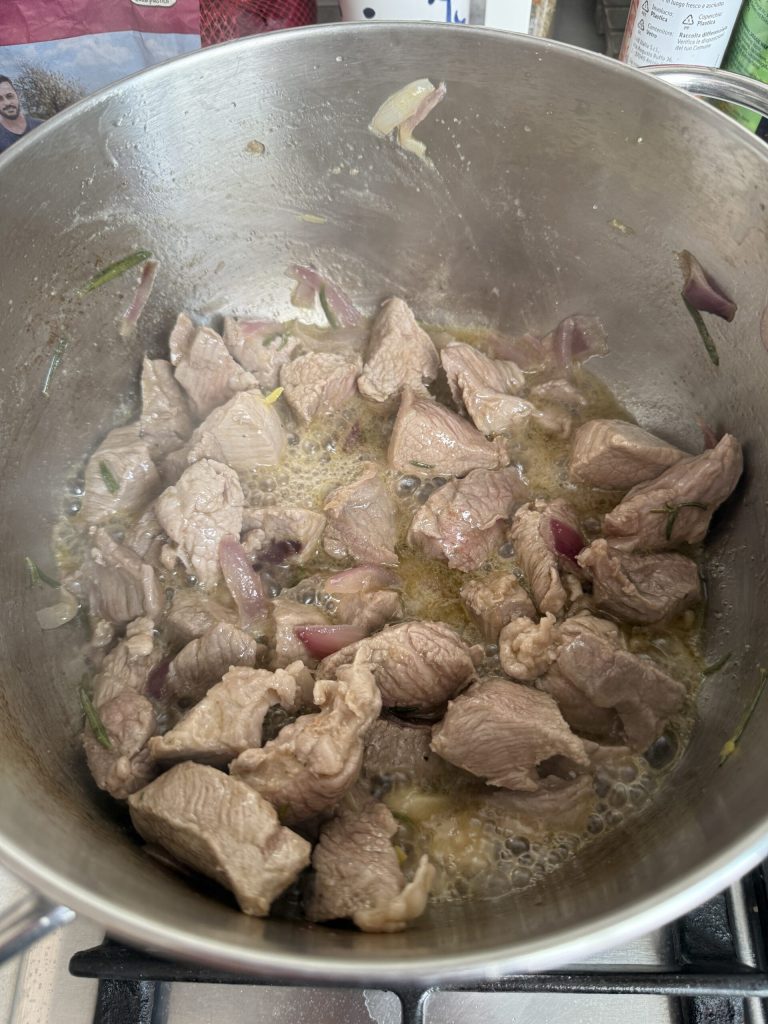
Add the fresh rosemary and mix, then season with salt and pepper. This is one of the most delicate steps: the meat must brown well, retaining its juices, but without sticking to the bottom. The stew will be ready for the next step when most of the water released by the meat has evaporated.
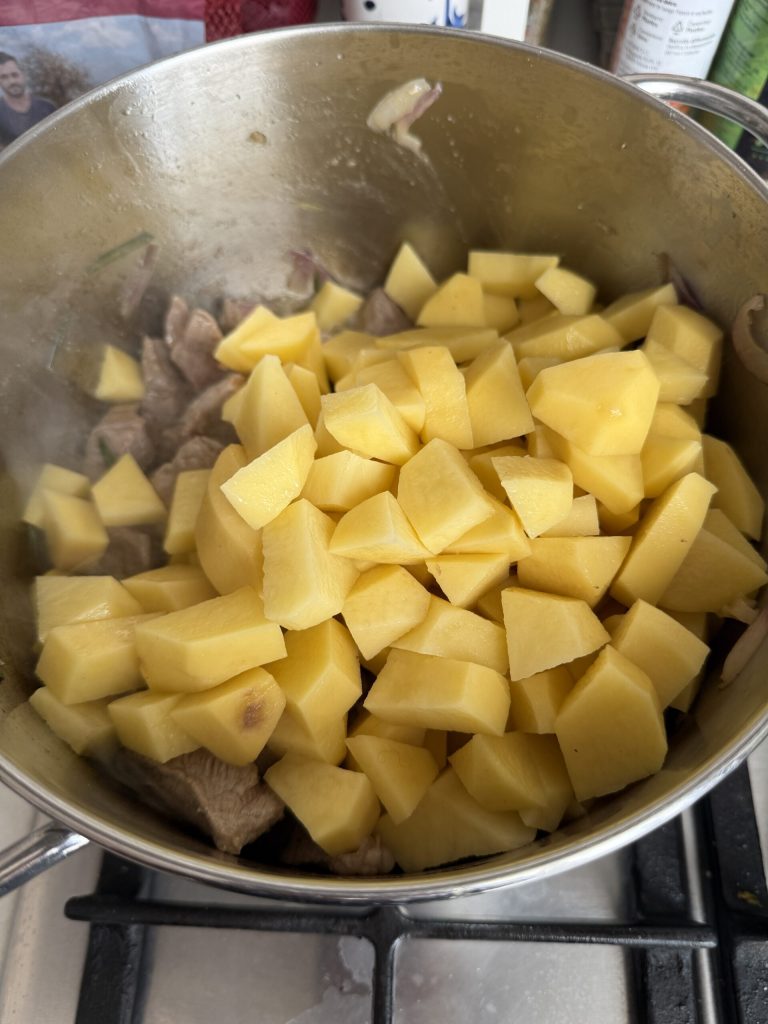
Add the diced potatoes to the casserole and stir gently for a couple of minutes. Add a pinch of salt and pepper: this is a trick from my mom: adding the seasoning a little at a time allows for the right level of flavor.
Add the tomato sauce, half a glass of water and another pinch of salt and pepper. Mix well, then cover with the lid and lower the heat to a simmer for a slow and even cooking.
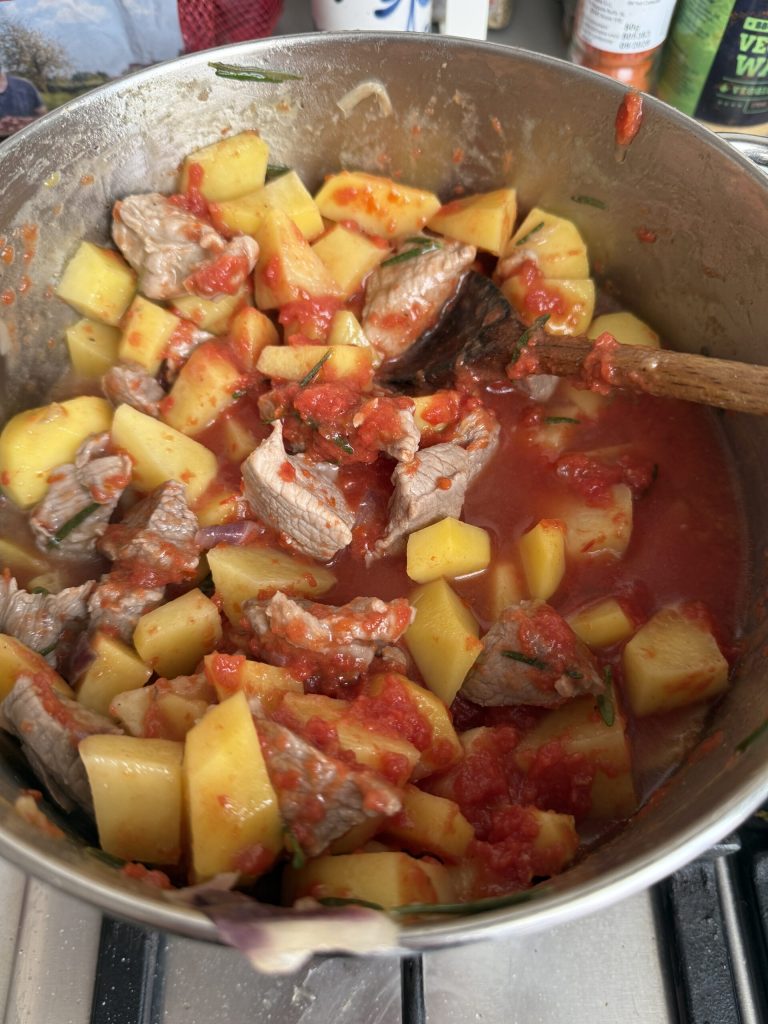
Let the Florentine veal stew with potatoes cook for about an hour, stirring occasionally. If the sauce dries out too much, add a bit of water to continue cooking. Taste occasionally and adjust the salt and pepper if necessary.
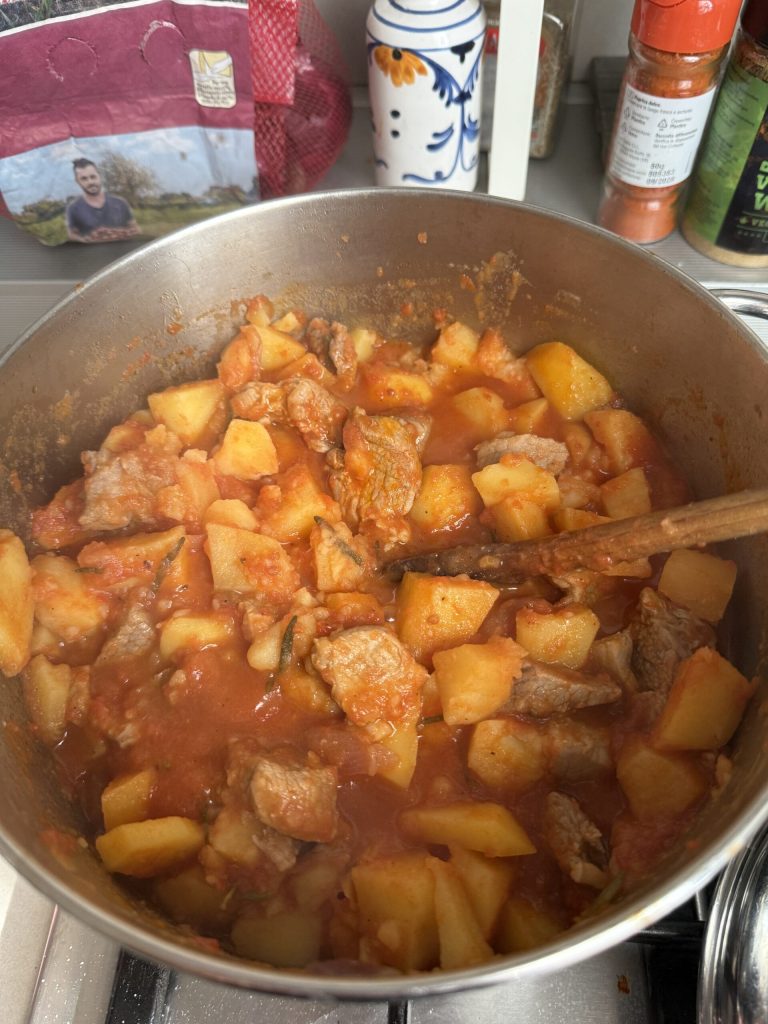
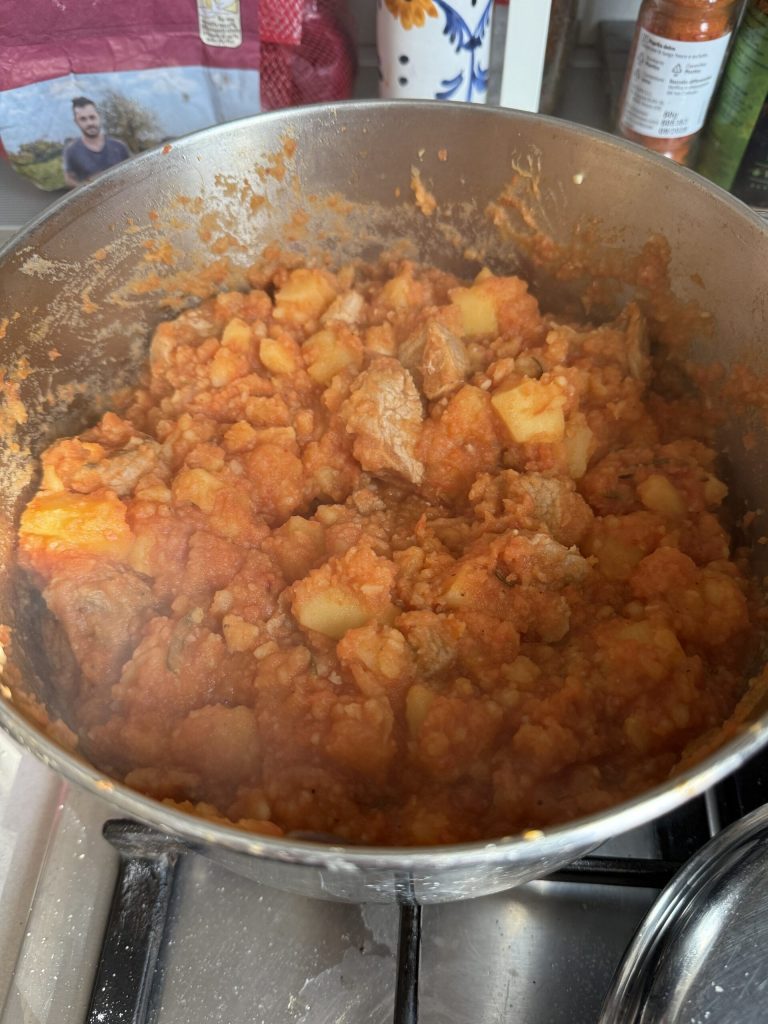
When the potatoes are soft and almost falling apart and the meat is tender, uncover the casserole and increase the heat to dry the veal stew slightly. At this point, Pelliccia’s stew is ready!
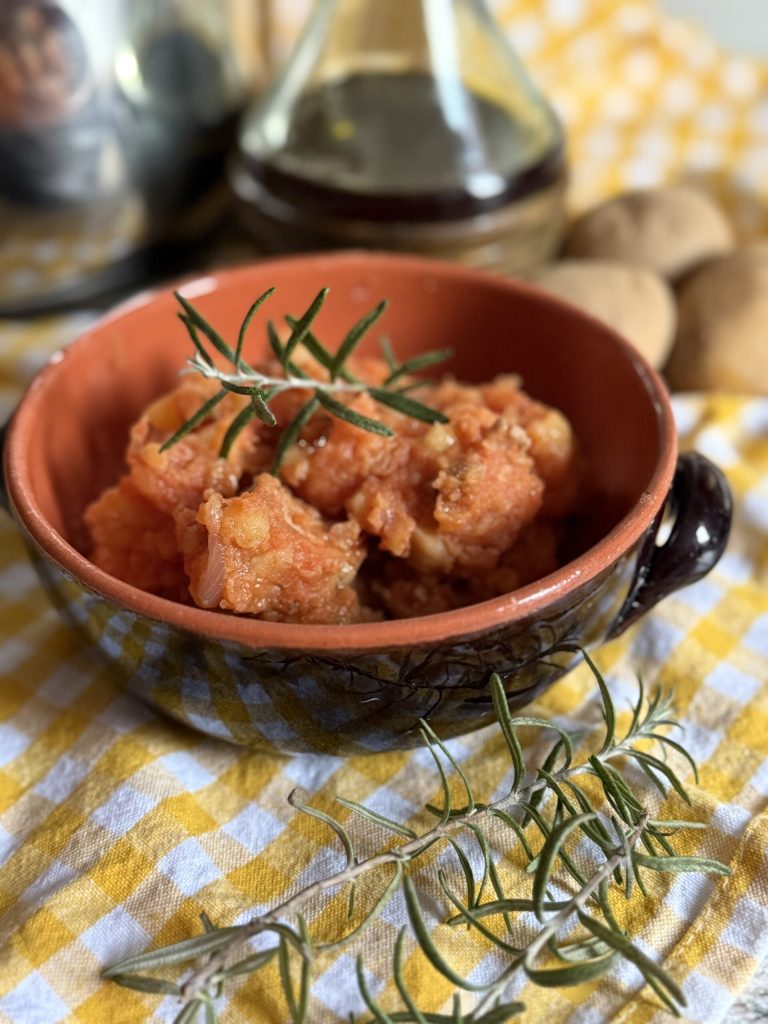
Let the stew cool slightly before serving, perhaps in a Tuscan terracotta cocotte, for a rustic and authentic touch.
How to Store Pelliccia’s Stew?
The veal stew with potatoes stores easily: you can keep it in the refrigerator in an airtight container for up to two days. If you want to make it in advance or store it longer, it can be frozen, better without the potatoes, which tend to become mushy once thawed. To reheat, do it slowly over low heat, adding a little water or broth if necessary, to keep the sauce creamy and the meat tender, just like freshly made.
Why is it called Pelliccia’s Stew?
In Florence, irony and the ability to laugh at oneself even in the most extreme situations are typical traits of the city. In the past, eating meat was a rare event, reserved for important days, while on normal days, one made do. When they could, they bought a little meat, often from cheap cuts, and to feed the whole family, they accompanied it with an economical and filling source of carbohydrates like potatoes.
This is how Pelliccia’s stew was born, which is not the name of a person, but a way of describing a dish poor in meat and rich in potatoes, designed to disguise the scarcity of meat. Precisely for this reason, it is a stew ‘with many potatoes and little meat‘, a perfect example of the creativity and simplicity of Tuscan cuisine.
FAQ (Questions and Answers)
How can I make Pelliccia’s Stew more flavorful?
I decided to lighten this recipe, so I omitted two steps that my grandmother often did.
Before browning the meat, she would lightly flour it, and before adding the potatoes, she would deglaze everything with a little white wine, which gave more flavor and a light aromatic scent to the stew. If you want a richer and tastier result, you can try these two simple tips.Can I use another type of meat for the veal stew with potatoes?
Yes! Even beef or turkey can replace veal, depending on your taste or what you have available. The main difference concerns the cooking: veal remains more tender and delicate, while beef or turkey may require a few more minutes to become tender. Adjust the cooking times based on the meat you choose, and you’ll still get a tasty and juicy stew.
Can the stew be prepared in advance or frozen?
Yes! The veal stew with potatoes keeps well in the refrigerator in an airtight container for up to 2 days. If you want to prepare it in advance to have it ready or store it longer, you can freeze it: better without the potatoes, which tend to become mushy once thawed. To reheat, do it slowly over low heat, adding a little water or broth if necessary, to keep the meat tender and the sauce creamy.
What variations exist for Florentine veal stew with potatoes?
The traditional recipe includes meat and potatoes, but there are different variations to enhance its flavor or adapt it to personal tastes. For example, you can prepare it without tomato, or add different herbs like rosemary, sage, or bay leaf. These simple variations allow for a more fragrant and personalized stew, always respecting the Tuscan tradition.
