
The Abará is the less caloric version of the more famous acarajé, because it is steamed in a banana leaf instead of fried.
When talking about the State of Bahia, in the northeast of Brazil, there are many typical recipes, probably it is the state with the most well-known typical dishes worldwide.
As you know, I lived for 8 months in the state of Bahia, and I know its cuisine quite well, having already shared the acarajé recipe on the blog, the true symbol of Bahian cuisine, I couldn’t help but delve into the ‘sister’ abará.
The ingredients for the batter of this kind of pancake are the same, namely black-eyed peas, as well as the filling of dried shrimp and dendê oil.
But another difference is that in abará the seasoning is included in the batter itself and is not a filling.
The name derives from aba’ra, a Yoruba term (a typically African religion rich in legends) and is part of a candomblé ritual (the Afro-Brazilian religion derived from traditional African cults).
It is said to represent ember (àkarà) cooled by love and dedicated to Oba, an orisha (deities of the Yoruba religion represented by nature) who carries the mark of love your body.
Bahian cuisine differs from other Brazilian cuisines for its strong African culinary influence, the abará indeed has Nigerian origins, in Nigeria it is called Mon-Mon and like many other dishes, it was born from slavery.
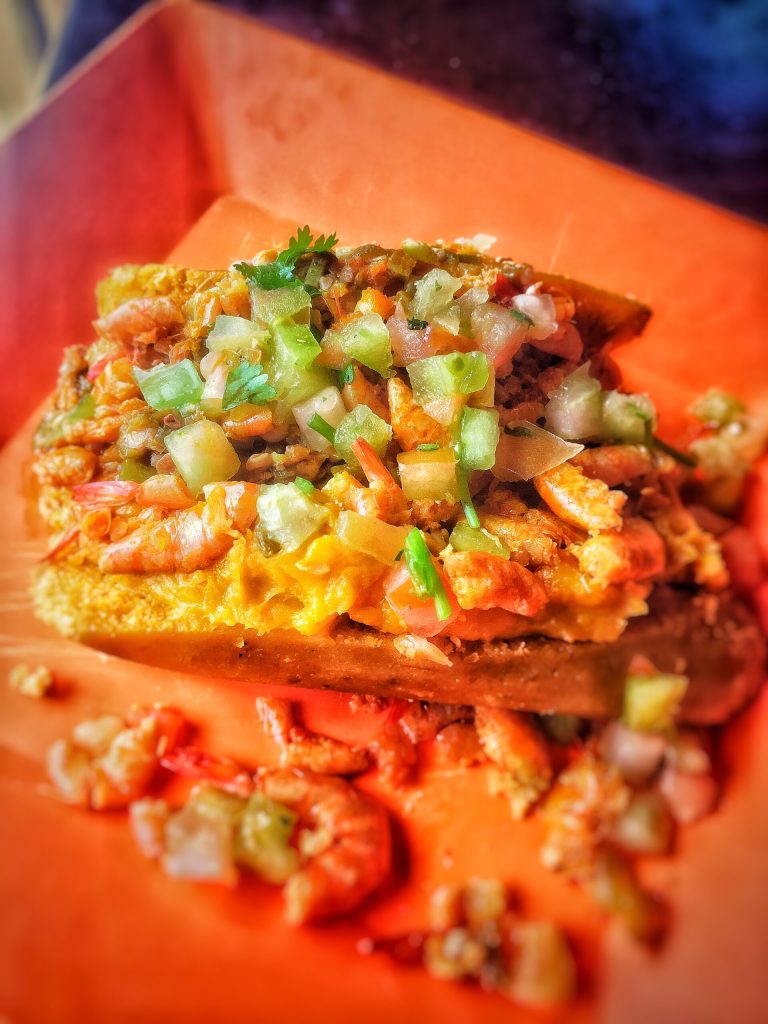
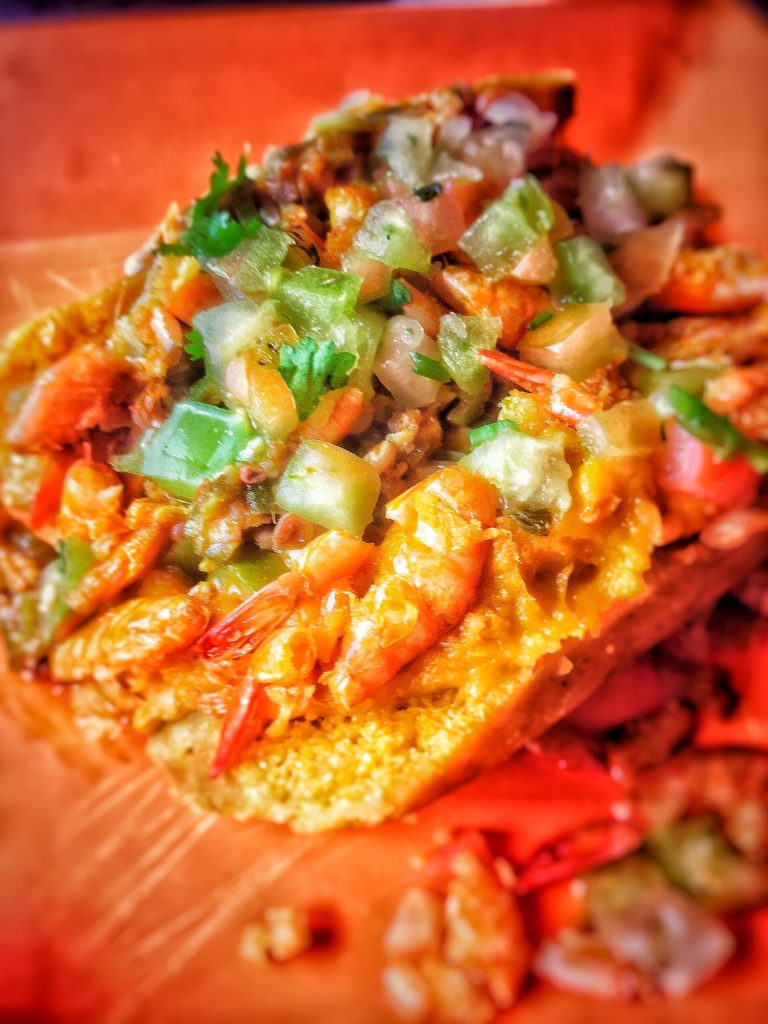
The photo below is the one eaten at the Acarajé do Jaques kiosk in Coroa Vermelha.
- Difficulty: Medium
- Cost: Cheap
- Rest time: 12 Hours
- Preparation time: 10 Minutes
- Portions: 4/5 pieces
- Cooking methods: Steaming
- Cuisine: Brazilian
- Seasonality: All seasons
Ingredients
- 10.5 oz black-eyed peas
- 5.3 oz dried shrimp
- 1 onion
- 1 tbsp palm oil
Steps
Soak the beans in water for at least 12 hours; after this time, the skin will detach.
Then mix with a wooden spoon and use a colander to remove the skin. Blend the beans until smooth. Set aside.
Blend the onions and shrimp and add to the bean mixture, gradually add the palm oil and mix.
Scald the banana leaves over the fire, then cut them into rectangles
The mixture is rolled in small pieces of banana leaf and cooked in a bain-marie. Place pieces of banana leaves on the bottom of a large tall pot to form a bed, then place the abará on top and add water to cover the leaves.
Cover everything with more banana leaves so that steaming continues for 40 minutesIt can be consumed as is or with caruru, vatapá, green tomato salad, vinaigrette, or shrimp. In this case, remove the banana leaf, and divide the abará in half and add the desired filling.
The black-eyed peas can be purchased online:
