
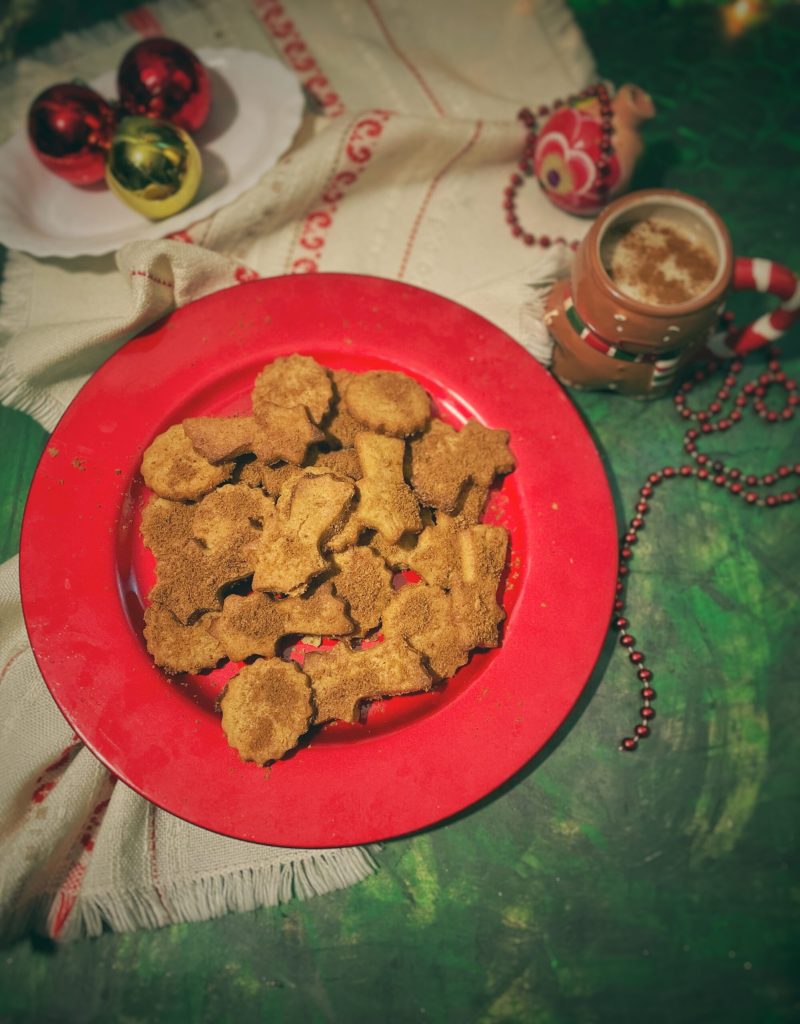
Regañadas are traditional Mexican cookies very similar to shortbread, typical in regions like San Luis Potosí and Oaxaca and often prepared for celebrations such as Dia de los Muertos (“Day of the Dead”) and especially in the North, they are prepared and served during parties, posadas, or as an accompaniment to hot Christmas drinks like café de olla or atole.
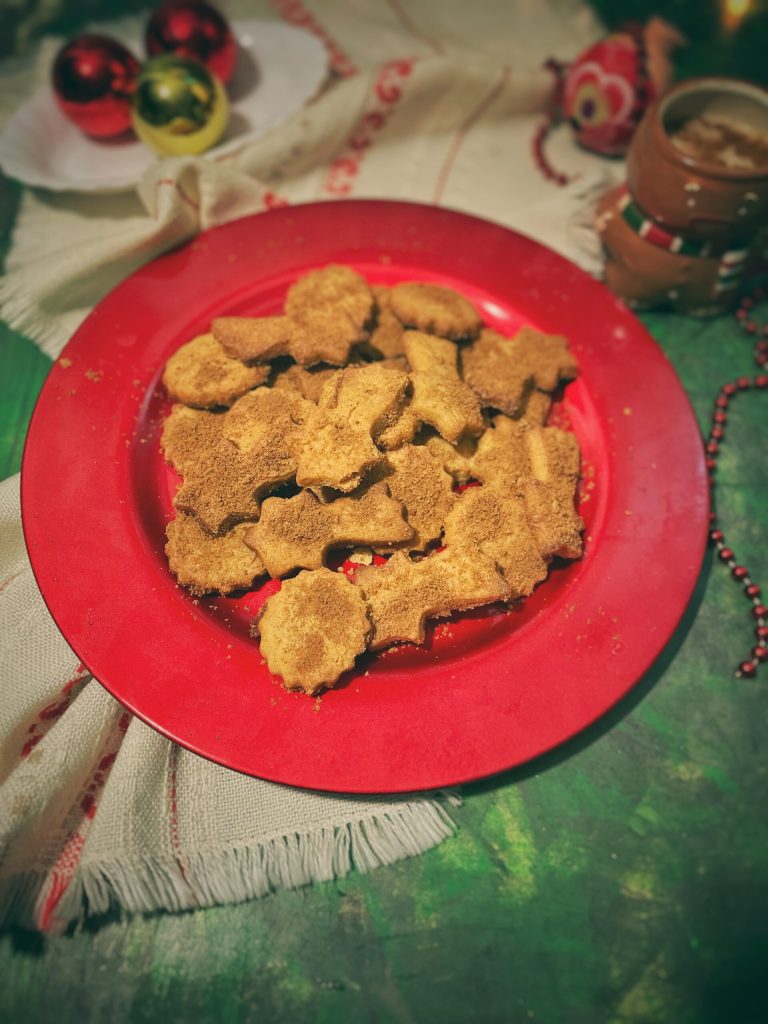
Regañadas are slightly sweet, crumbly cookies often rolled in sugar and cinnamon after baking.
The most common version is similar to shortbread: you prepare a dough with flour, piloncillo, fat (butter or shortening), eggs, and spices, roll it out, and cut shapes with a cookie cutter before baking.
✅ Traditionally…
✔ Mexican regañadas are not formed by rolling the dough into logs and then slicing.
✔ The classic Mexican version involves rolling out the dough to about 0.75 inches thick and cutting it with a cookie cutter (round or other shapes) before baking.
It is said that the name comes from a convent, where the nuns, having been “scolded” (rega_adas) by their superiors, created these treats to seek forgiveness, which became famous for their taste.
My gluten-free version uses rice flour instead of all-purpose flour.
Atole pairs well with dry, fried, or sweet cookies like regañadas.
It has pre-Columbian origins as a corn drink, with water or milk, often flavored with cinnamon, piloncillo (unrefined cane sugar), capable of providing energy and warmth, used even today in many festivals like Día de los Muertos and during the cold season.
In the traditional, older, and rural version of atole, corn flour (masa) was toasted on the comal before being mixed with water.
However, today, in most modern recipes, especially household or urban ones:
Direct use of pre-cooked masa harina (like Maseca)
Skipping the comal step
Aiming for a faster preparation
The version that includes chocolate is known as
- Difficulty: Easy
- Cost: Economical
- Preparation time: 5 Minutes
- Portions: 55 Pieces
- Cooking methods: Oven, Stove
- Cuisine: Mexican
- Seasonality: Christmas, All Seasons
Ingredients
- 4 cups rice flour
- 1 1/2 cups shortening (or lard or butter)
- 3 teaspoons gluten-free baking powder
- 1 egg
- 3/4 cup piloncillo (or whole cane sugar)
- 1 pinch salt
- to taste ground cinnamon
- to taste granulated sugar (for decorating)
- 2 tablespoons masa harina (or white corn flour)
- 1/3 cup warm water
- 3/4 cup milk
- 2 tablespoons piloncillo
- 1/2 teaspoon vanilla extract
- 1 cinnamon stick
- 1 pinch salt
Steps
1. In a large bowl, work the shortening until light and creamy.
2. In another bowl, sift flour + baking powder + cinnamon + salt.
3. Gradually add the flour mixture to the shortening, mixing until you get a sandy dough.
4. In a separate bowl, beat the egg with the piloncillo. Add this mixture to the dough and mix until you have a homogeneous paste.
5. Divide the dough in two, wrap each part in plastic wrap, and refrigerate for about 1 hour.
6. Preheat the oven to 375-392°F.
7. Roll out the dough on a lightly floured surface to a thickness of about 1/3 to 3/8 inches. Use a cookie cutter to cut cookies into desired shapes.
8. Place the cookies on a baking sheet lined with parchment paper. Bake for 8 to 10 minutes or until the edges begin to brown.
9. As soon as they come out of the oven (while still hot), roll the cookies in granulated sugar + cinnamon prepared separately, so they adhere well.Let them cool completely on a wire rack before serving.
If you want to follow the authentic traditional version, here’s how to do it:
Toasting on the comal:
Pour the 2 tablespoons of masa harina on a comal (or non-stick pan if you don’t have a comal)
Toast over medium-low heat for 3-5 minutes, stirring constantly with a wooden spoon.
1. In a small pot, bring the piloncillo (or panela) to a boil with the milk and cinnamon stick over low heat until the sugar is completely dissolved. Let the cinnamon steep for 5-10 minutes.
2. Dissolve the masa
In a separate bowl, mix the masa harina with warm water until a smooth, lump-free batter is obtained.
3. Combine the liquids
Remove the cinnamon stick from the milk and sugar, then add the masa batter to the hot mixture.
4. Cook and thicken
Bring to a light boil, stirring constantly with a whisk or a molinillo (the traditional Mexican whisk), then reduce the heat. Continue cooking for about 10 minutes or until the drink thickens to a creamy consistency.
5. Add vanilla and salt
Remove from heat and incorporate vanilla and a pinch of salt to balance the sweet flavor.Serve hot
Pour immediately into a cup, preferably a clay cup, and garnish with an extra pinch of cinnamon if desired.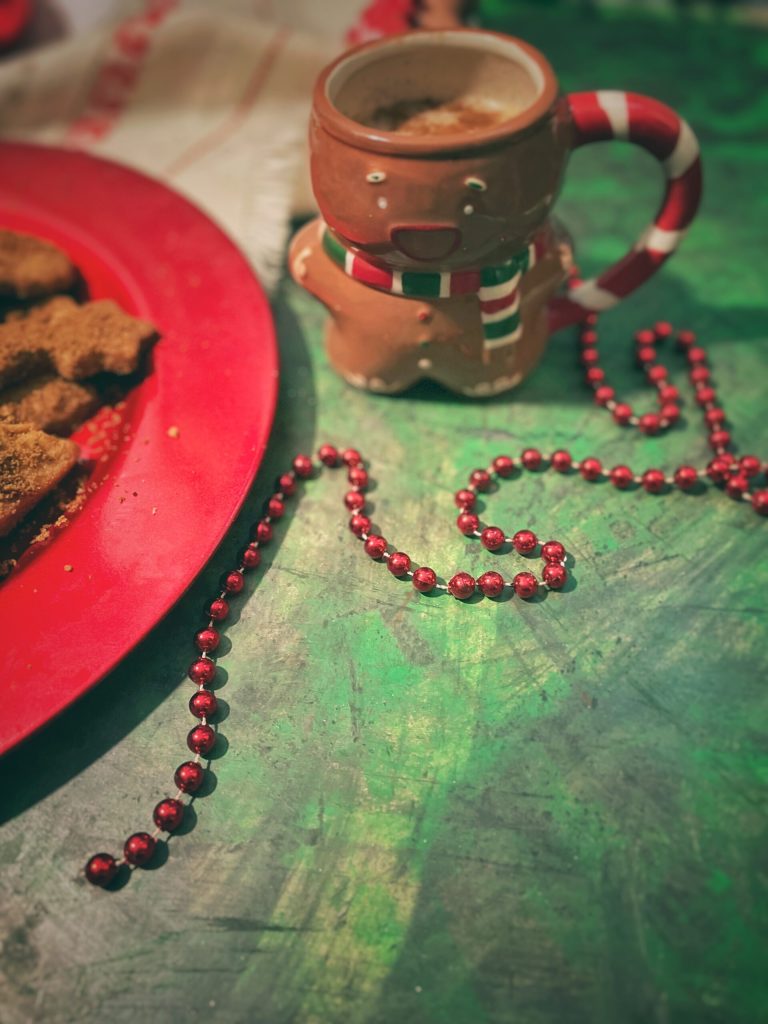
The Color of Atole
The color of atole depends on the type of masa used:
• White masa → light or cream-colored atole, typical in the most common and delicate versions (especially if you use Maseca blanca masa harina).
• Yellow masa → Light yellow atole, slightly more rustic, with a stronger flavor.
• If you use blue masa (blue corn) → you will obtain an atole with a grayish-purple color, very traditional in some indigenous areas of Mexico.
So both colors (white or light yellow) are traditional: it depends on the variety of corn used.
The most widespread version today is the white one, but the yellow one is deeply rooted in rural areas.
