
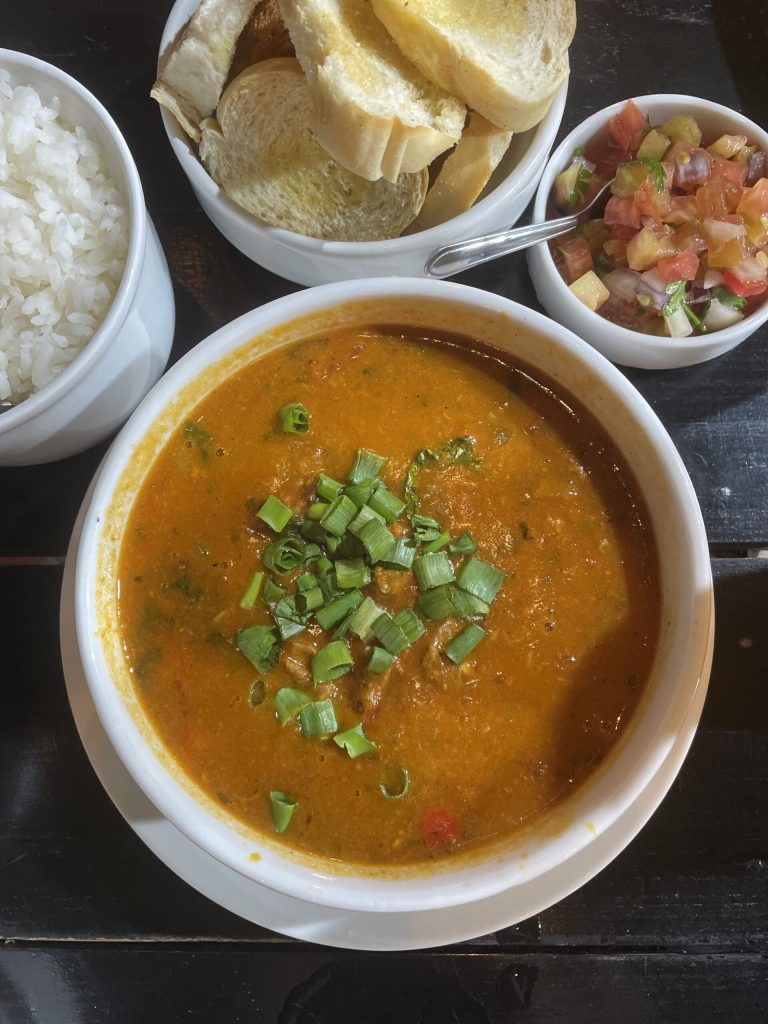
The Moela ao Molho (braised chicken gizzards) is a cornerstone preparation of regional Brazilian cuisine, commonly served as an appetizer or side dish along the coastal areas of Bahia.
Technically the moela (gizzard) is part of the chicken’s offal but has a very different texture from liver or heart.
This dish is based on using inexpensive cuts that, through prolonged cooking and the integration of an aromatic base of tomato, bell pepper and fresh cilantro, acquire a tender texture and a pronounced flavor profile.
The success of the recipe depends strictly on two technical phases: a thorough cleaning of the raw ingredient to neutralize strong odors and the use of pressure cooking to soften the gizzard’s muscle fibers.
This is the version we tasted during our trip to Porto Seguro in March 2026 — a recipe NOT to be confused with buchada de bode (Brazilian tripe) nor with:
- Difficulty: Easy
- Cost: Very inexpensive
- Rest time: 5 Minutes
- Preparation time: 10 Minutes
- Cooking time: 30 Minutes
- Portions: 4
- Cooking methods: Pressure cooker
- Cuisine: Brazilian
Ingredients
- 18 oz Gizzards (Chicken gizzards)
- 1 Onion (Chopped)
- 2 cloves Garlic (Crushed)
- 1 Green bell pepper (Diced)
- 2 Tomatoes (Diced)
- 2 tbsp Tomato paste
- to taste Salt and pepper
- to taste Vinegar (or lemon)
- as needed Vegetable oil
- to taste Cilantro
- to taste Scallion (Green part)
Tools
- 1 Pressure cooker
Steps
Preliminary treatment: Wash the gizzards thoroughly with water and vinegar (or lemon). Blanch them in boiling water for 5 minutes, drain and rinse.
Sauté: In a pressure cooker, sauté the garlic and onion in vegetable oil. Add the gizzards and sear them over high heat.
Cooking: Add the tomatoes, bell pepper, and tomato paste. Cover with hot water. Close the cooker and, from the moment it whistles, cook for 25–30 minutes.
Finishing: Release the pressure, adjust salt and pepper, check the tenderness of the meat, and allow the sauce to reduce over uncovered heat if necessary. Finish with fresh cilantro and the scallion greens before serving.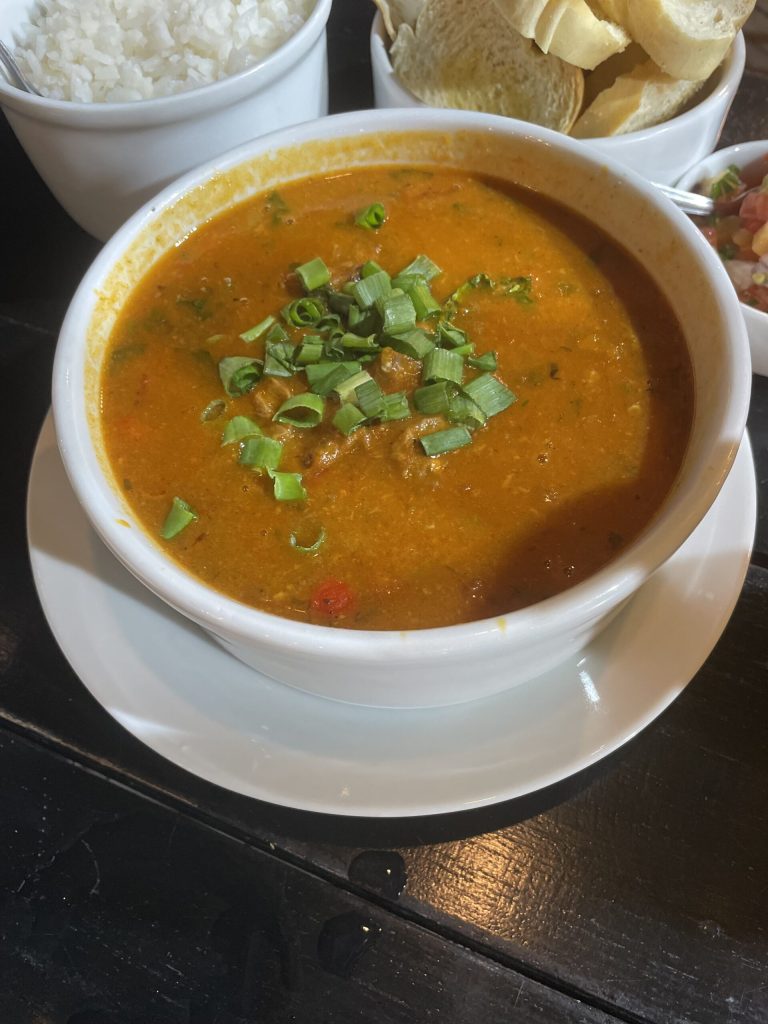
FAQ (Questions and Answers)
How is “Moela” translated into Italian?
Anatomical terms can create confusion between languages.
In Italian, the cut corresponding to the moela of the chicken is commonly called durone or, more technically, ventriglio.
Here are the details to recognize it:
Common name: At the butcher or supermarket you will almost always find it labeled as Duroni di pollo (chicken gizzards).
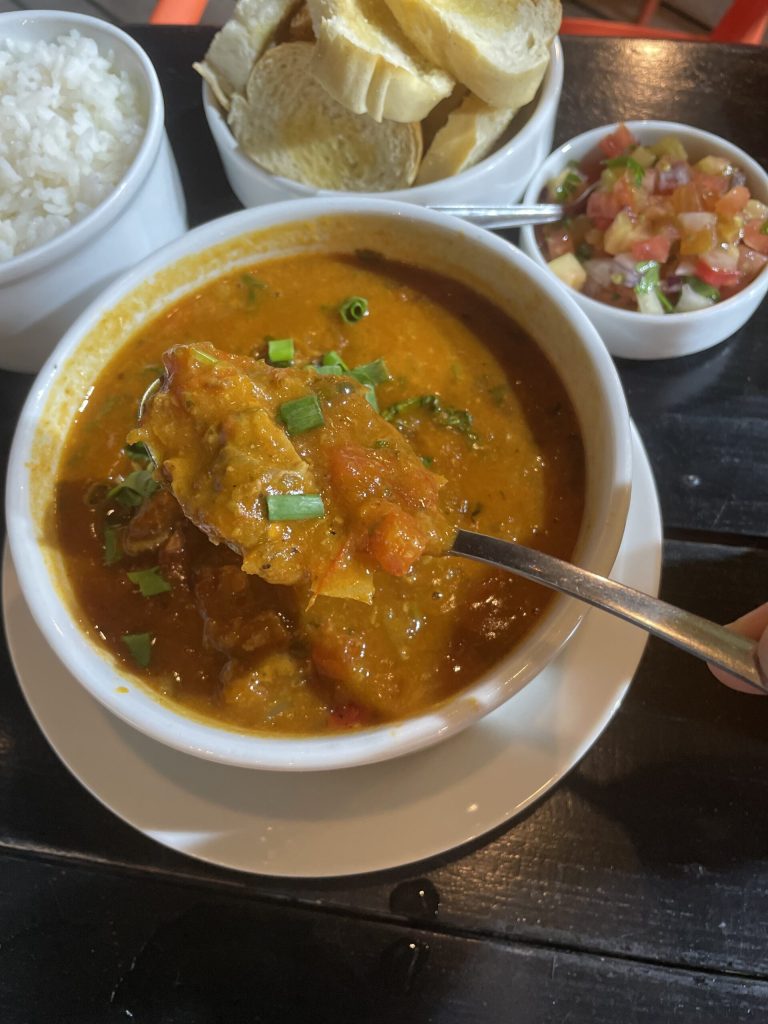
Anatomically: It is the chicken’s muscular stomach, a very firm, low-fat part that requires long cooking (such as stewing or pressure cooking) to become tender.
In gastronomy: In Italy they are often sold together with livers under the generic name of frattaglie (offal), but for the Brazilian recipe only the gizzards (the firm, muscular parts) are used.
So, if you want to look for the ingredient in Italy to replicate the recipe, the correct designation to use is “Stufato di Duroni di Pollo” (Chicken Gizzard Stew).What is the difference between moela and buchada?
The difference is clear, both in terms of the organ used and the animal of origin. Although both belong to the offal category, they have completely different textures and flavors.
Here are the technical points of distinction:
1. Origin and Organ
Moela (Gizzard): It is the muscular stomach of the chicken. It is a small, firm, smooth, compact muscle. Once cooked for a long time, it becomes tender like a lean meat stew.
Buchada de Bode: It is the stomach (tripe) of the goat or ram (bode).
Dobradinha (beef buchada): It is the stomach (tripe) of the cow.Note: “Buchada” is not just tripe cut up; it is a complex dish where the animal’s stomach is used as a “sack” (hence the name bucho, belly) filled with other chopped and spiced offal.
2. Texture and Flavor
Moela: Has a very delicate flavor, similar to chicken thigh but denser. It does not have the typical odor of bovine or ovine offal. It is an “easier” choice for those who do not like strong flavors.
Buchada/Dobradinha: They have a spongy or elastic texture (classic tripe) and a much stronger, more gamey flavor in the case of goat (bode). They require much more aggressive cleaning (often with lemon, boiling water and baking soda) to remove the characteristic odor.
3. Geographic context of the dish
Moela: It is a universal petisco (snack) in Brazil; you can find it everywhere, from the South to Bahia, served as a bar snack.
Buchada de Bode: It is the emblematic dish of the Sertão (the arid inland Northeast). It is a celebratory, very hearty and nourishing dish typical of “sertaneja” cuisine.
