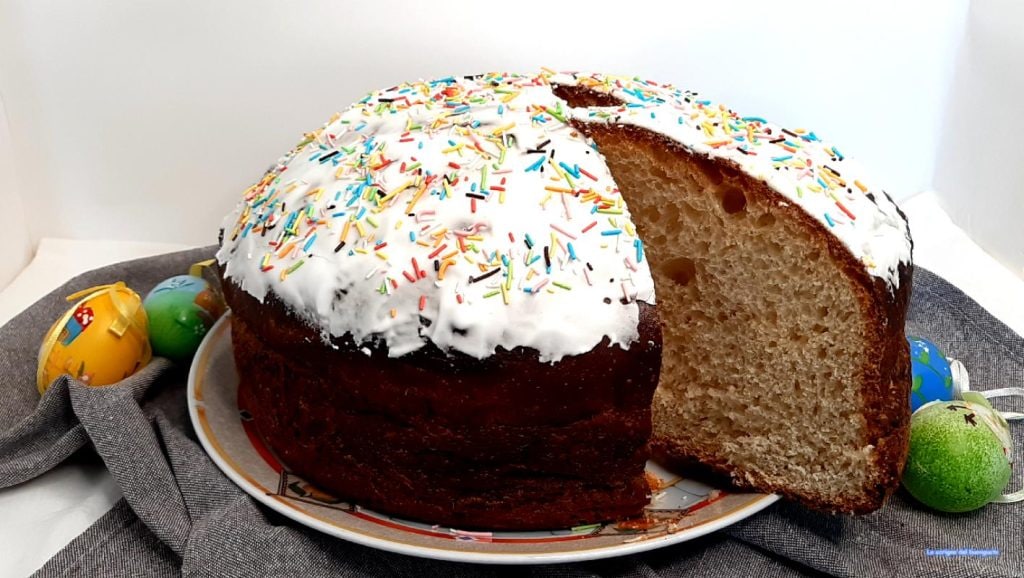
The Easter Pigna is one of the most beloved traditional cakes: soft, fragrant and perfect to enjoy during the holidays.
To achieve a really tender and well-risen result, it’s important to pay attention to a few key steps: from working the dough to the rising times.
In this recipe I explain how to make it simply, with practical tips to avoid the most common mistakes and to get a tall, soft and aromatic pigna just like the homemade ones from the old days.
If there is a dessert that captures all the scent of the holidays in Lazio and neighbouring areas, it’s undoubtedly the Easter Pigna.
Typical of the province of Frosinone and the Ciociaria area, this delight proudly reaches some valleys of Abruzzo and the upper Neapolitan area too, bringing a load of aromas and a texture that wins you over at the first bite.
Visually, the Pigna strongly recalls the classic Christmas panettone for its high, imposing shape, but on the palate it reveals a completely different personality.
Its dough is incredibly soft and full of air pockets, but what really makes it special is the explosion of fragrances: anise, citrus and vanilla mingle in a rich dough that smells of home and spring.
It’s a dessert that takes its time: traditionally it would require long hours of rising, but today I want to present a quicker version, designed for those who have little time but don’t want to give up the excellence of a homemade product.
The Pigna recipe is a little family heritage and, as with all popular recipes, there are endless variations.
In some areas it’s mandatory to add candied fruit and raisins to enrich the cake’s texture; however, since at my home not everyone likes them, I preferred to leave it “plain,” focusing entirely on the softness of the dough.
Feel free to personalize it: if you love the richer tradition, add a handful of raisins soaked in liquor—you won’t regret it!
Tips for perfect storage.
One of the great advantages of the Easter Pigna is its ability to stay soft for several days.
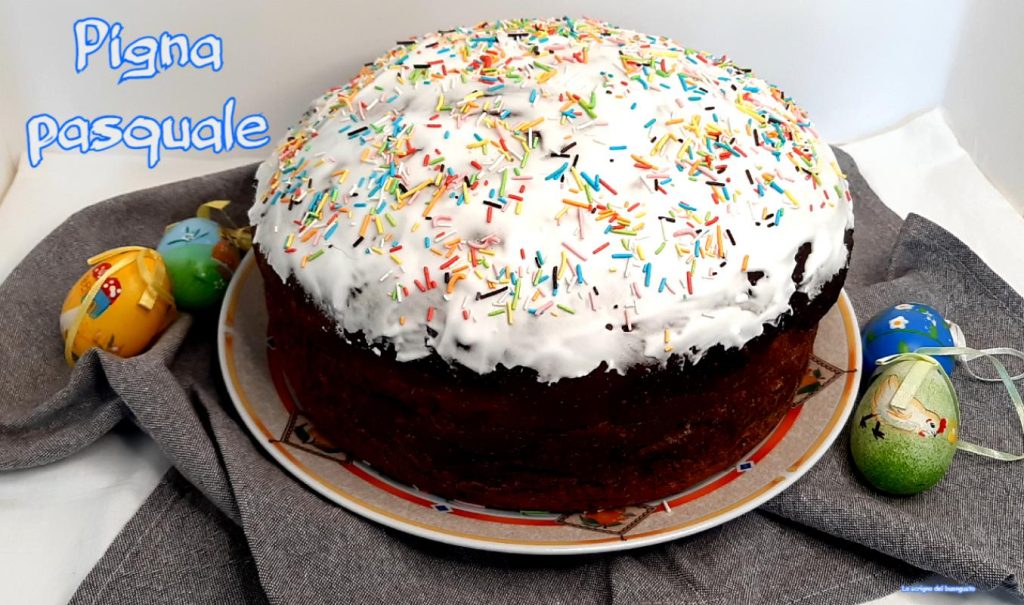
It is the cake ideal to prepare in advance of Easter Sunday, perhaps decorating it with a white sugar glaze and lots of colorful nonpareils to delight the little ones.
To help you make it, I’ve prepared not only the detailed recipe with step-by-step photos, but also a YouTube video tutorial where you can see the exact consistency of the dough.
Make it yourself and let me know in the comments if its aroma hasn’t magically filled your kitchen!
About 453 kcal per serving
👉 Also take a look at the complete collection of Easter sweets
- Difficulty: Medium
- Cost: Inexpensive
- Rest time: 12 Hours
- Preparation time: 30 Minutes
- Cooking time: 50 Minutes
- Portions: 1 Pigna (whole cake)
- Cooking methods: Electric oven
- Cuisine: Italian
- Seasonality: Easter
Ingredients to make the Easter Pigna
- 3/4 cup + 1 tbsp warm water ((about 200 ml))
- 1/2 oz fresh brewer's yeast ((about 15 g, fresh yeast))
- 2 cups + 1 tbsp Manitoba flour (or type "0" flour (about 250 g))
- 2 eggs (large or 3 small)
- 4 cups type 0 flour ((about 500 g))
- 1/4 cup sunflower seed oil ((about 60 ml))
- grated zest of 1/2 lemon
- 2 2/3 tbsp rum ((about 40 ml))
- 1/2 tbsp anise seeds (I usually grind them so I don’t find whole seeds)
- 1 cup granulated sugar ((about 200 g))
- 1 tsp ground cinnamon
- 1/2 egg white
- 3/4 cup powdered sugar ((about 90 g))
- as needed colored sugar sprinkles
- 1 Pan round baking pan with high sides
Preparation of the Easter Pigna
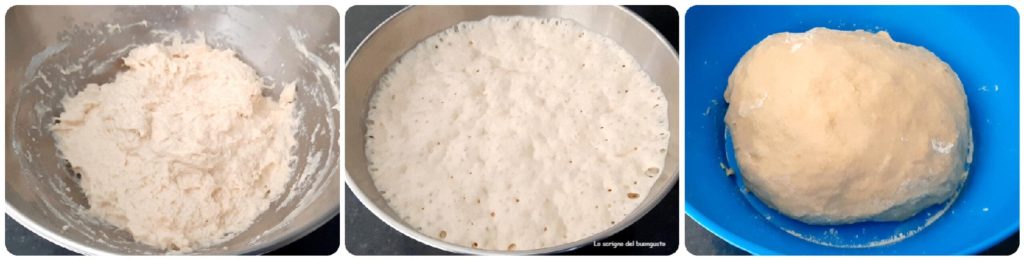
First of all make an initial dough with the warm water, the fresh brewer’s yeast and the Manitoba flour; mix well until you obtain a well combined but still sticky and non-workable mixture.
Let it rise for about 2–3 hours and in any case until it has more than doubled.
When the first rise is complete, in a large bowl put the eggs, the sugar, the grated lemon, the anise, the cinnamon and the rum; mix well and then begin adding the flour until you obtain a still very soft and semi-liquid dough. At this point add the first risen dough and mix trying to combine the two mixtures while continuing to add flour.
When the dough is completed, transfer it to a large lightly floured container and let it rise until doubled.
If you have time, every 20–30 minutes you can make folds directly in the container to improve the rise.
Repeat this three times.
Depending on whether the eggs are large or small and on other small factors, the amount of flour may vary by 20–30 g more or less!
After making the folds (if you decide to do them) complete the rising until doubled.
Of course, to make things less strenuous and simpler, the dough can be made with a stand mixer, taking care not to let the dough get too hot—possibly pausing between additions of ingredients.
Once risen, shape into a ball and place it in a buttered and floured pan with fairly high sides, at least 10 1/4 in in diameter.
I used a pan where the sides were not high enough, so I raised them with some parchment paper; I arrived late and should have done it at half rise, so I tried to fix it just before baking.
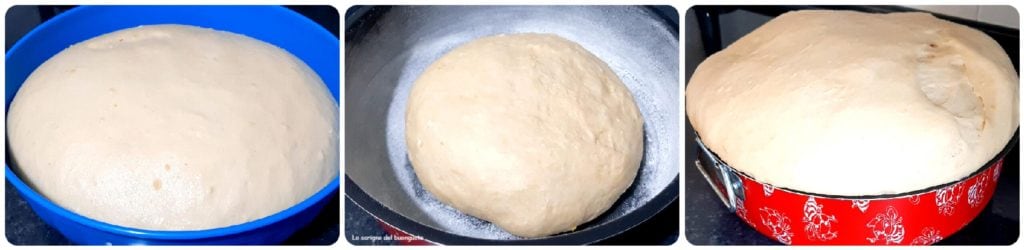
Let it rise overnight; you should allow roughly 18–24 hours of rising.
When the rise is complete, preheat the oven and bake at 356°F for about 50 minutes, checking doneness.
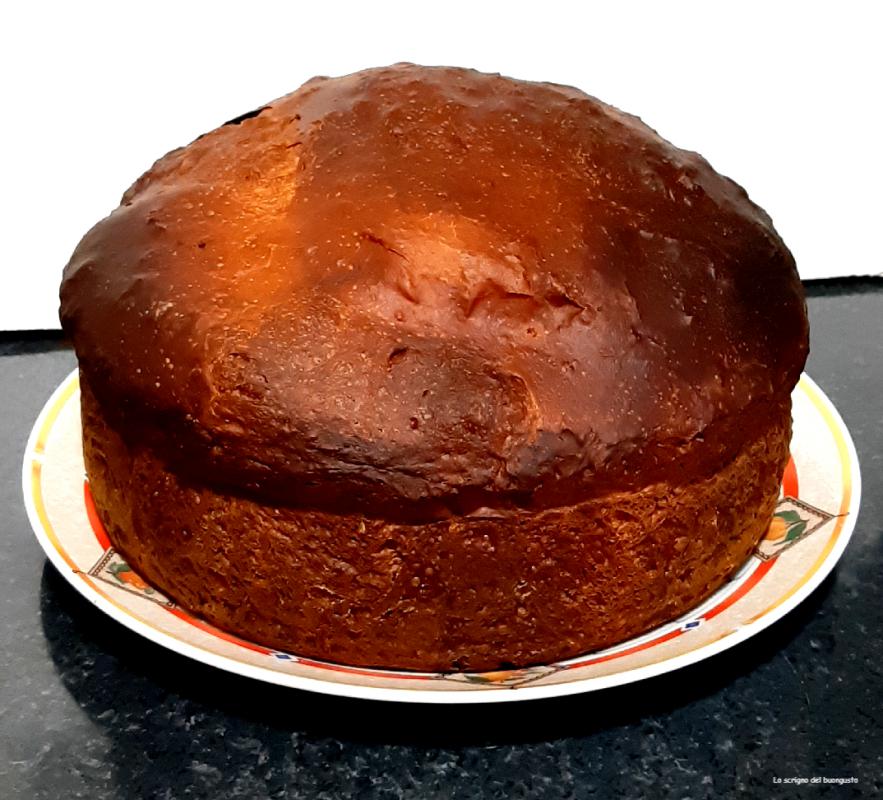
Meanwhile, whip 1/2 egg white with the powdered sugar until very thick and set aside in the fridge.
When baking is complete, remove from the oven, let cool and pour the egg-white glaze over the top, add the sugar sprinkles and let it set.
Tips for a perfect Easter Pigna
Use eggs at room temperature to promote better rising
Don’t add too much flour: the dough should remain soft and slightly sticky
Respect the rising times: this is the secret to a soft pigna
Avoid drafts during rising
If the environment is cold, you can let the dough rise in the turned-off oven with the light on
FAQ (Questions and Answers)
Can I prepare the Easter Pigna in advance?
Yes, you can prepare it the day before: it stays soft and fragrant even the next day.
How to store the Pigna?
Store it well sealed in a food bag or under a glass dome to keep it soft longer.
Can I freeze it?
Yes, you can freeze it once baked and completely cooled. Just thaw it at room temperature.
Can I flavor it differently?
Of course! You can add more lemon or orange zest or a bit more liqueur for an even stronger aroma.